

Fly Ash Block Machine Warranty: Shiyue Manufacturer Guide
A warranty is not an insurance policy for operational errors.
The standard Fly Ash Block Machine Warranty covers manufacturing defects in core structural and electronic components, such as the main frame, hydraulic power units, and PLC control systems. It explicitly excludes wear parts like molds, vibration motors, and seals, as well as damages resulting from improper voltage supply, unqualified raw materials, or lack of routine maintenance. Understanding this distinction is critical for investors in Africa and emerging markets to avoid claim disputes and ensure continuous production.
I have stood in the humid workshops of Lagos and the high-altitude sites of Addis Ababa, watching brand-new machines sit idle because of a single cracked mold or a burnt circuit board. In one instance, a contractor in Nigeria insisted that a fractured mold was a quality defect, demanding a free replacement under the warranty period. The contract clearly stated that molds are consumable items subject to wear, but the operator had been using a mix with oversized aggregate that exceeded the machine’s design limits. This is not an isolated incident. Across multiple regions, I have seen similar misunderstandings arise from a lack of clarity on what the Fly Ash Block Machine Warranty actually protects. [NEED_CITE: common warranty dispute causes in heavy machinery trade]
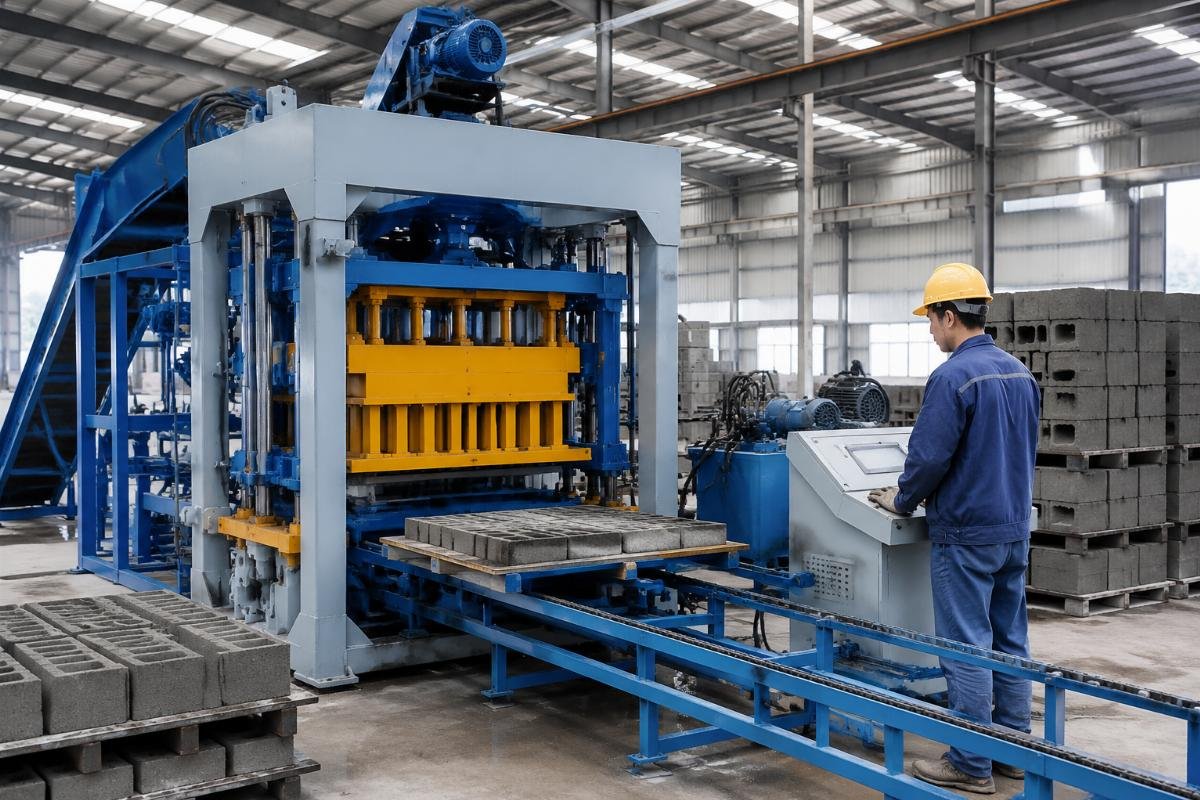
To navigate these complexities, buyers must look beyond the promise of "free repairs" and understand the technical boundaries of coverage. This guide breaks down the specific terms, common rejection reasons, and logistical realities of after-sales support, drawing from direct field experience in installing and maintaining concrete block production lines.
What Does the Standard Warranty Actually Cover?
Coverage is strictly limited to factory-originated defects in non-consumable core components.
When you purchase a fully automatic block making line, the value lies in its longevity and stability. The Fly Ash Block Machine Warranty is designed to protect this investment by guaranteeing the integrity of the machine’s backbone. Typically, this includes the main steel frame, the hydraulic station’s core pump and valve bank, and the programmable logic controller (PLC) system. These components are engineered to last for years, and any failure due to material flaws or assembly errors within the warranty period is rectified at no cost to the buyer. [NEED_CITE: standard industrial machinery warranty scope]
However, the definition of "core component" is often misunderstood. For example, the structural frame is covered for several years because it is not expected to degrade under normal operation. In contrast, molds are subjected to extreme pressure and abrasion with every cycle. Their lifespan is measured in cycles or months, not years. Similarly, vibration motors and hydraulic seals are classified as wear parts. They are expected to degrade over time due to friction and heat. Claiming a warranty for a burst hydraulic hose after six months of intensive use is typically rejected unless there is clear evidence of a manufacturing flaw, such as a defective fitting, rather than natural aging or pressure spikes caused by operator error.
| Component Category | Examples | Warranty Status | Reason for Classification |
|---|---|---|---|
| Core Structural | Main Frame, Base Plate | Covered | Non-consumable, long lifecycle |
| Core Electronic | PLC, Touch Screen, Sensors | Covered | Factory-defect protected |
| Core Hydraulic | Main Pump, Valve Bank | Covered | Critical performance component |
| Wear Parts | Molds, Vibration Motors | Excluded | Subject to abrasion and fatigue |
| Consumables | Seals, Hoses, Filters | Excluded | Natural degradation over time |
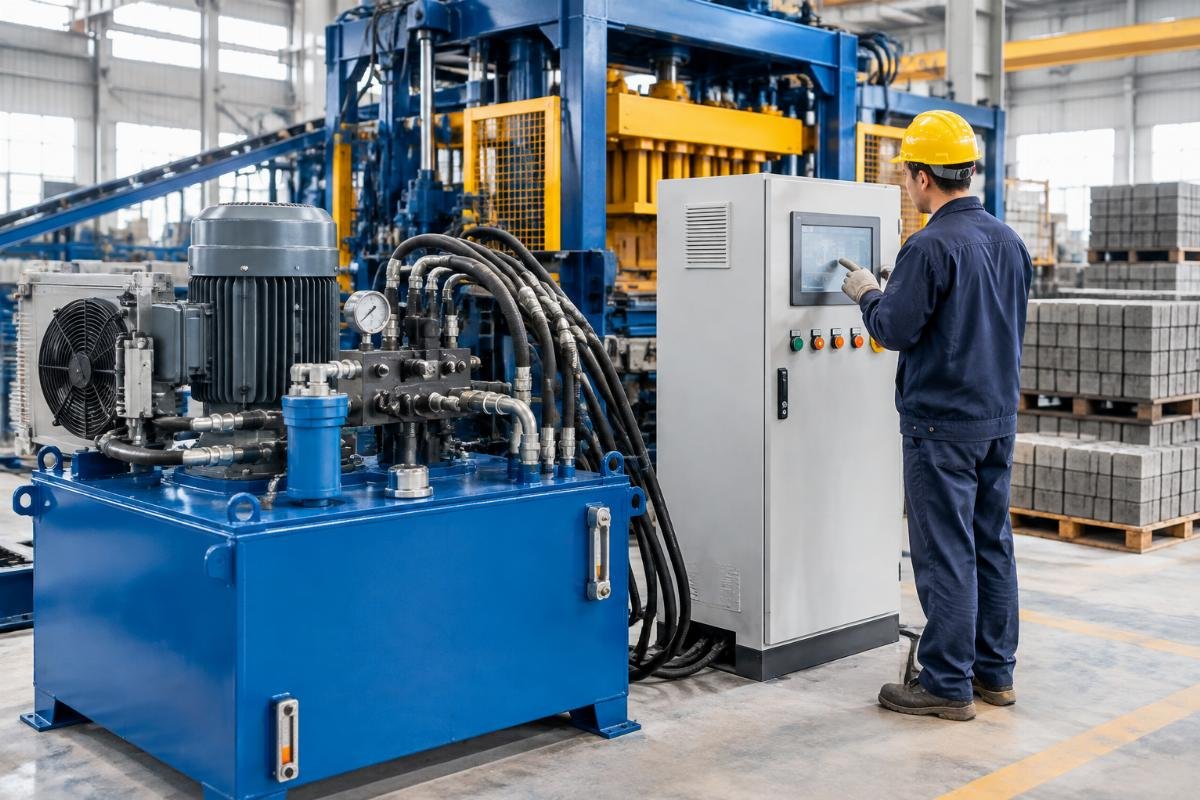
This distinction is vital for budgeting. Investors should allocate a separate budget for wear parts replacement, treating them as operating costs rather than unexpected repair expenses. By understanding that the Fly Ash Block Machine Warranty focuses on the machine’s skeleton and brain, not its muscles and skin, buyers can plan their maintenance schedules more effectively.
Why Are Some Claims Rejected?
Most rejections stem from external factors or operational neglect, not manufacturing defects.
A common misconception is that any breakdown during the warranty period qualifies for free service. In reality, warranty claims are frequently denied because the root cause traces back to the operating environment or user behavior. One of the most frequent issues I encountered in Ethiopia involved a PLC failure. The local power grid experienced significant voltage fluctuations, which fried the control board. Since the damage was caused by an unstable external power supply rather than a defect in the PLC itself, the claim was rejected. [NEED_CITE: impact of power quality on industrial electronics]
Another major reason for rejection is the use of unqualified raw materials. Fly ash block machines are designed for specific mix ratios and aggregate sizes. If an operator uses oversized stones or an overly dry mix, the resulting stress can crack the mold or damage the compaction head. In a project in South Africa, a client reported a sudden drop in production quality and eventual mechanical jamming. Upon inspection, we found that the aggregate size exceeded the recommended limit, causing excessive wear on the feed drawer and mold cavity. This is considered operational misuse, not a warranty issue.
- Voltage Instability: Damage to electrical components due to lack of stabilizers or generators.
- Raw Material Mismatch: Using aggregates or mix designs outside the machine’s specified parameters.
- Maintenance Neglect: Failure to lubricate moving parts or replace filters, leading to premature wear.
- Unauthorized Modifications: Altering the hydraulic or electrical system without manufacturer approval.
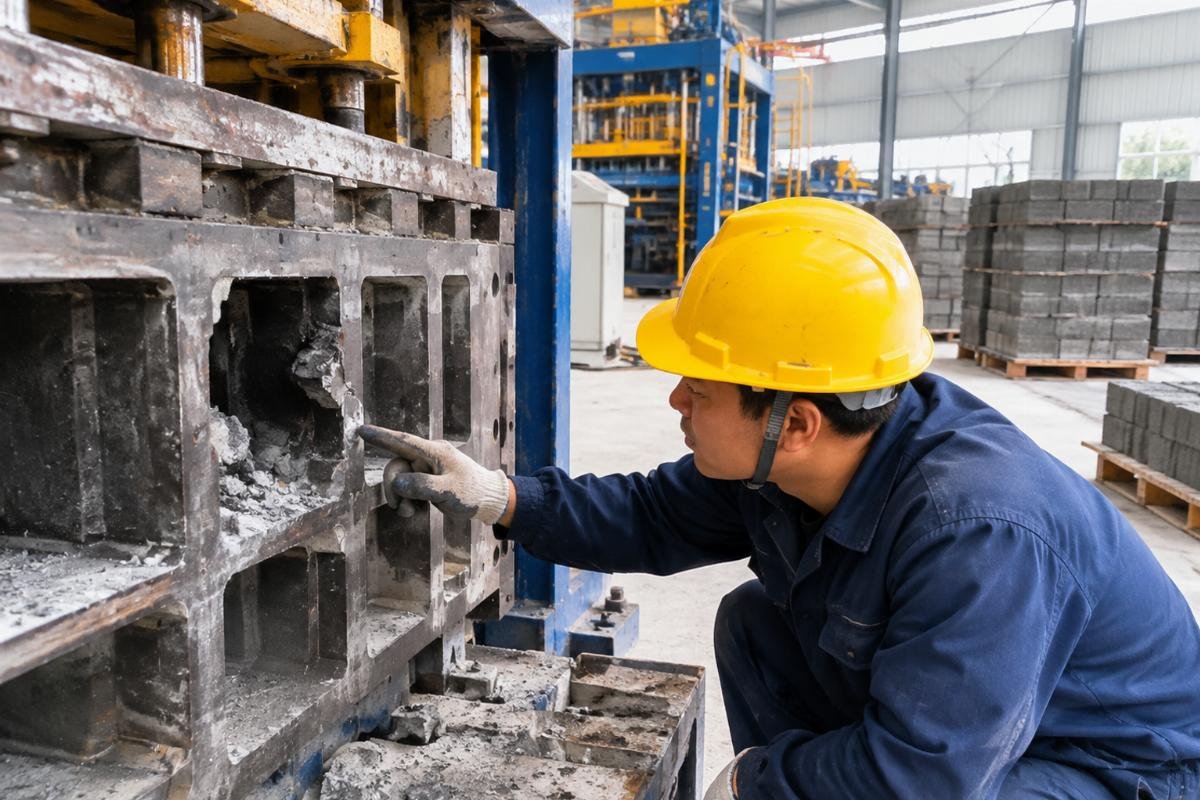
To avoid these pitfalls, operators must adhere to the technical manual’s guidelines for power supply, raw material preparation, and daily maintenance. The Fly Ash Block Machine Warranty is a safeguard against factory errors, not a substitute for proper operational discipline. Ensuring that your site has stable power and that your staff is trained in correct mix design is the best way to keep your warranty valid and your machine running.
How Fast Can You Get Spare Parts?
Logistics efficiency determines downtime, not just warranty status.
Even with a valid warranty claim, the time it takes to receive replacement parts can significantly impact production. In remote locations across Africa and MENA, waiting for sea freight can mean weeks of lost output. Therefore, the speed of spare parts delivery is a critical factor in evaluating a supplier’s after-sales capability. For urgent components like PLC boards or sensors, express courier services such as DHL or FedEx are often used to minimize downtime. [NEED_CITE: logistics benchmarks for industrial spare parts]
For larger components or full production lines, shipping methods vary. Some manufacturers offer DDP (Delivered Duty Paid) shipping options, which simplify the import process for buyers by handling customs and duties. This is particularly beneficial for investors who may not have extensive experience with international logistics. However, for warranty claims involving wear parts or non-covered items, the cost of express shipping is usually borne by the buyer. Understanding these logistics terms beforehand helps in planning for potential disruptions.
The availability of spare parts also depends on the manufacturer’s inventory management. A supplier with a robust stock of common wear parts can ship immediately, while others may need to manufacture the part first, adding days or weeks to the lead time. When negotiating the purchase, inquire about the stock status of critical spares and the typical processing time for warranty claims. This transparency allows you to assess the real-world support you will receive.
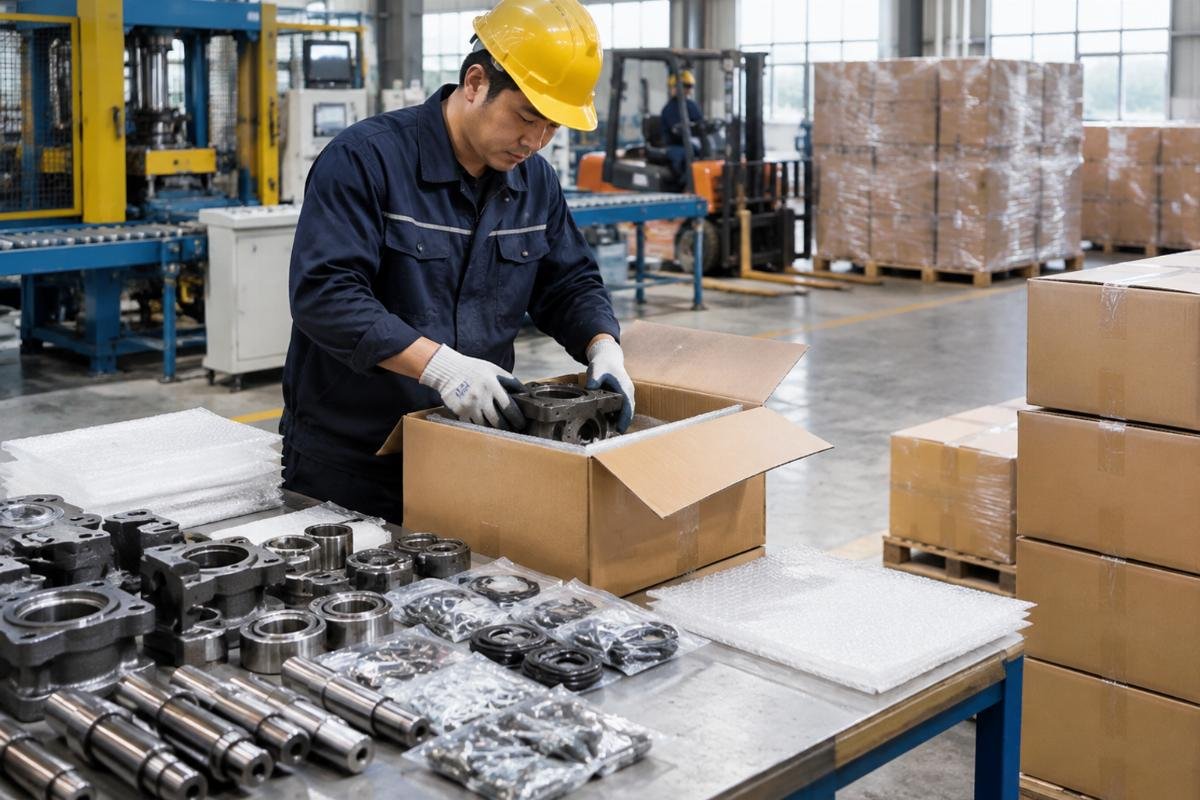
In my experience, having a local stock of essential wear parts like seals and hoses is a wise investment. While the Fly Ash Block Machine Warranty may not cover these items, having them on hand ensures that minor issues do not escalate into major production halts. Combining a clear understanding of warranty terms with a proactive spare parts strategy creates a resilient operation.
How to Extend Machine Life Beyond Warranty?
Preventive maintenance is the key to maximizing ROI after the warranty expires.
Once the warranty period ends, the responsibility for the machine’s health shifts entirely to the owner. However, the principles that keep a machine under warranty valid are the same ones that extend its life indefinitely. Regular preventive maintenance can detect issues before they become catastrophic failures. For instance, checking hydraulic oil quality and replacing filters at recommended intervals prevents contamination that can damage pumps and valves. [NEED_CITE: hydraulic system maintenance best practices]
Field engineers often emphasize the importance of daily inspections. Simple tasks like tightening loose bolts, lubricating guide rails, and cleaning sensors can prevent many common breakdowns. In one case, a plant in Kenya avoided a major hydraulic failure by noticing a small leak in a hose connection during a routine check. Replacing the hose cost a fraction of what a pump replacement would have required. This proactive approach is far more cost-effective than reacting to breakdowns.
Additionally, keeping the machine clean is crucial. Fly ash and concrete dust can accumulate in electrical cabinets and on moving parts, causing overheating and increased wear. Regular cleaning not only improves performance but also makes it easier to spot potential issues early. Training operators to perform these basic checks empowers them to take ownership of the equipment’s condition.
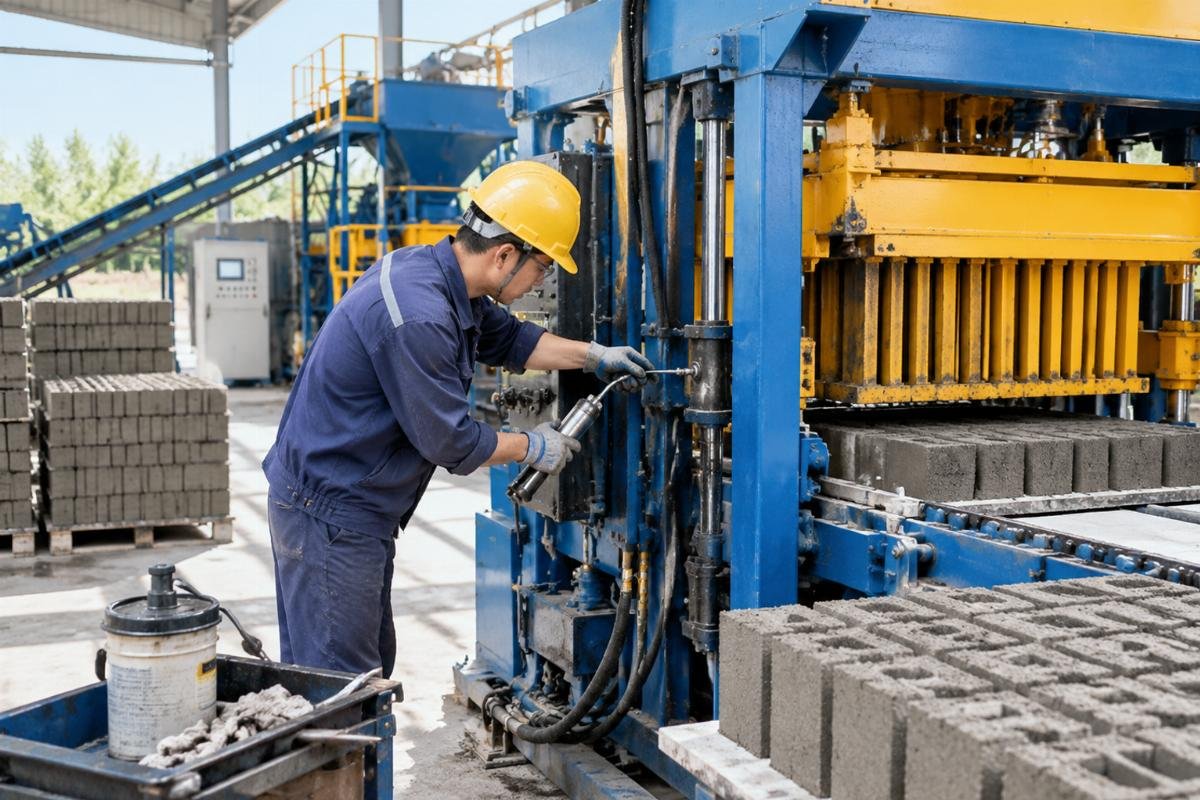
Extending the life of your machine beyond the Fly Ash Block Machine Warranty requires a shift in mindset from passive ownership to active stewardship. By implementing a strict maintenance schedule and training your team to recognize early warning signs, you can ensure that your investment continues to deliver value for years to come.
What Support Exists After Warranty Expires?
Lifetime technical support ensures continuity even after coverage ends.
The end of the warranty period does not mean the end of support. Reputable manufacturers offer lifetime technical assistance, including remote diagnostics and software updates. With the advancement of communication technology, many electrical issues can be resolved through video calls and remote access to the PLC system. This allows engineers to troubleshoot problems in real-time, often resolving issues within hours rather than days. [NEED_CITE: efficacy of remote diagnostic support in industrial machinery]
For more complex issues that require physical intervention, manufacturers can provide paid on-site service or guide local technicians through the repair process. Additionally, upgrades and retrofitting options are often available to improve machine performance or adapt to new product requirements. This ongoing relationship ensures that your production line remains competitive and efficient throughout its lifecycle.
Investors should view the post-warranty phase as an opportunity to optimize their operation. By leveraging the manufacturer’s expertise for upgrades and maintenance advice, you can continue to improve productivity and reduce costs. The Fly Ash Block Machine Warranty is just the beginning of a long-term partnership focused on your success.
Conclusion
Clarity on warranty terms prevents disputes and ensures operational stability.
Understanding the specific coverage of the Fly Ash Block Machine Warranty is essential for any investor in the concrete block industry. By distinguishing between covered core components and excluded wear parts, and by adhering to proper operational and maintenance practices, buyers can avoid common pitfalls and maximize their return on investment. Proactive maintenance and leveraging post-warranty support further ensure the long-term success of your production facility.
Leave a Reply