

Cement Silo Storage Handling Off-Season Guide by Shiyue Manufacturer
Sealing the top inlet is not enough to protect your inventory.
To prevent cement clumping in silo during long downtimes, you must prioritize bottom discharge valve integrity over roof sealing, maintain moisture content below critical thresholds through regular aeration, and execute a manual rotation check of all conveying components before applying power upon restart.
I have spent considerable time on the floors of brick plants in Ho Chi Minh City, often arriving for installation acceptance only to stay on as the primary technical contact. One rainy season, a client producing interlocking bricks halted operations for several months. When they returned, the bottom section of their cement storage had hardened into a solid mass, jamming the screw conveyor and stopping the entire line for weeks. The equipment was sound, but the storage protocol was flawed. This incident highlighted that proper cement silo off-season storage is less about the silo structure itself and more about managing humidity ingress and static pressure bridging. [NEED_CITE: mechanisms of cement hydration and clumping due to atmospheric moisture] Understanding these dynamics is essential for plant managers in tropical regions who face seasonal shutdowns.
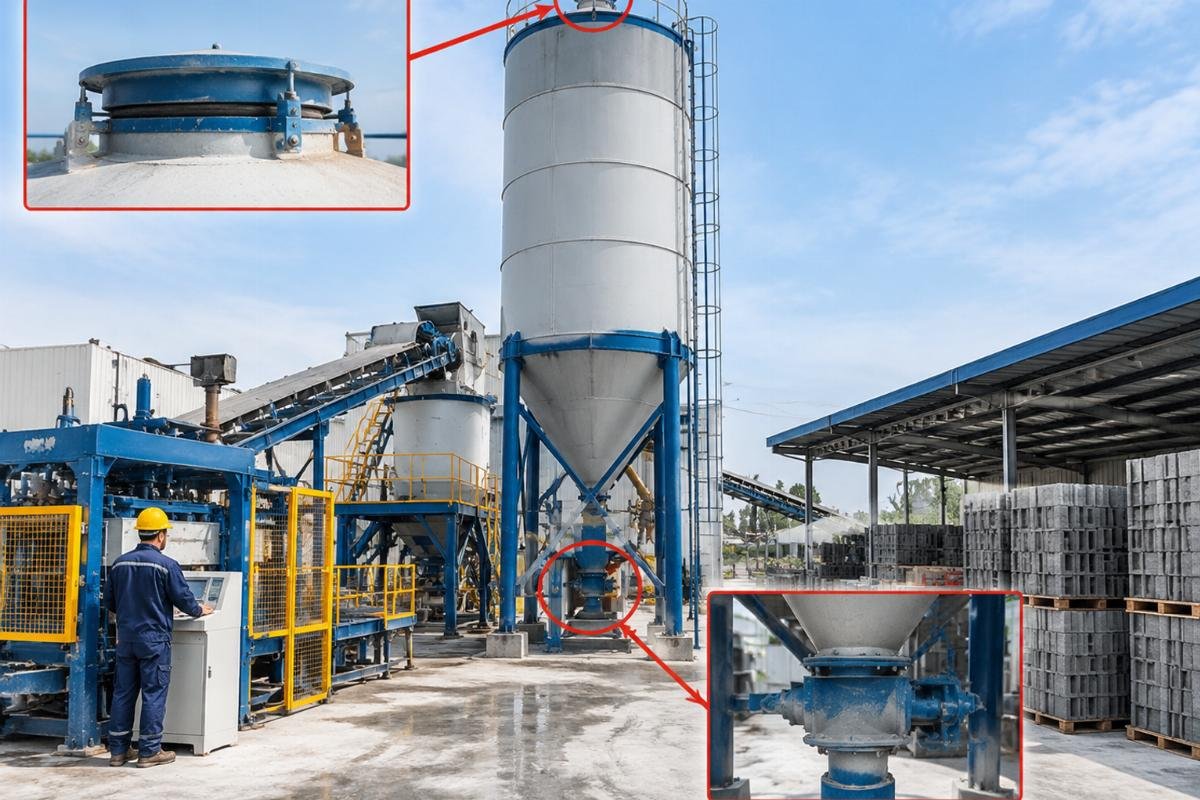
The following guide details the systematic approach to protecting your cement inventory and machinery, ensuring immediate production readiness when operations resume.
Why Does Cement Harden in Silos During Downtime?
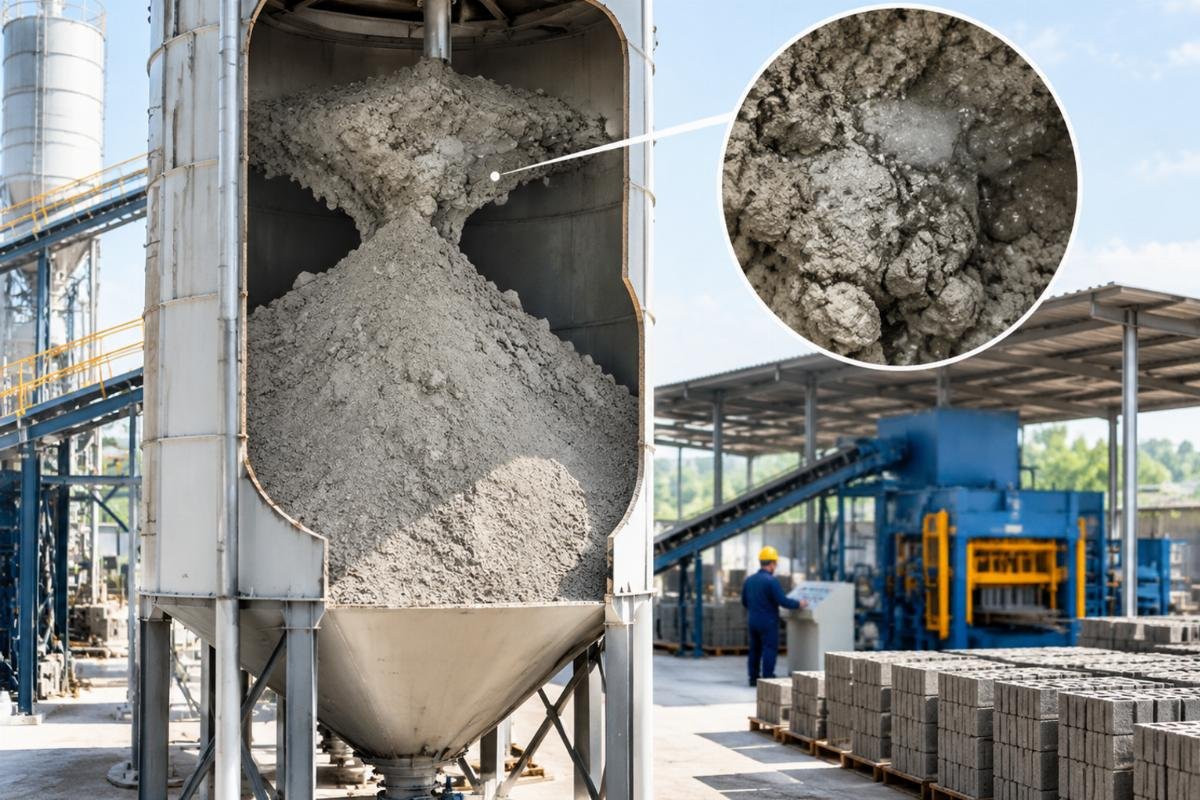
Cement is hygroscopic, meaning it actively absorbs moisture from the air. In a static environment, such as an idle silo, this process accelerates due to temperature fluctuations and poor air circulation. The primary culprit is not always rain leaking through the roof, but rather humid air entering through imperfect seals at the discharge point or pressure relief valves. [NEED_CITE: impact of relative humidity on cement storage stability]
When cement sits idle, static pressure causes the powder to compact. If moisture is present, even in small amounts, it triggers partial hydration. This creates bridges or arches within the silo, leading to blockages. The risk is highest in tropical climates where humidity levels remain consistently high during the rainy season. Without regular movement or aeration, the cement at the bottom of the silo becomes susceptible to hardening, which can damage downstream equipment like screw conveyors and rotary valves upon restart. Proper cement silo off-season storage requires addressing both moisture control and material flow dynamics.
Pre-Shutdown Checklist for Long-Term Idle
Preparing your system for a prolonged shutdown is more critical than the maintenance performed during operation. A hasty closure often leads to costly repairs later. The goal is to create a dry, stable environment within the silo and ensure all mechanical components are free from residual stress.
- Empty the Silo Completely: Ideally, run the production line until the silo is empty. Leaving cement in the silo significantly increases the risk of bridging and hardening. If emptying is not feasible, reduce the level to the minimum and plan for more frequent inspections. [NEED_CITE: best practices for bulk cement storage during idle periods]
- Inspect and Seal Discharge Valves: Check the bottom discharge valve for wear or leakage. This is often the primary entry point for humid air. Ensure the seal is intact and consider adding an extra layer of protection if the valve will remain closed for an extended period.
- Clean the Roof Hatch and Filters: Remove any dust or debris from the roof hatch and pressure relief filters. Clogged filters can create pressure differentials that draw in moist air. Ensure the hatch gasket is in good condition and tighten all bolts evenly.
- Lubricate Moving Parts: Apply appropriate lubricant to the screw conveyor bearings, motor gears, and rotary valve shafts. This prevents corrosion and ensures smooth movement after the idle period.
- Disconnect Power Sources: Isolate the electrical supply to the silo accessories to prevent accidental activation or electrical issues during storms.
By following these steps, you minimize the variables that contribute to cement degradation. Effective cement silo off-season storage begins with a thorough and methodical shutdown procedure.
Monitoring During the Off-Season
Leaving a silo unattended for months is risky. Even with proper sealing, environmental factors can compromise the integrity of the storage system. A simple routine check every two weeks can detect early signs of moisture ingress or mechanical issues.
- Visual Inspection: Check the exterior of the silo for any signs of water pooling or damage to the roof structure. Inspect the base for any leaks around the discharge valve.
- Aeration Cycles: If the silo is not empty, run the aeration system for short intervals to break up any potential compaction and circulate dry air. This helps maintain the flowability of the cement. [NEED_CITE: role of aeration in preventing cement compaction]
- Temperature and Humidity Checks: If equipped with sensors, monitor the internal temperature and humidity levels. Significant spikes in humidity indicate a seal failure.
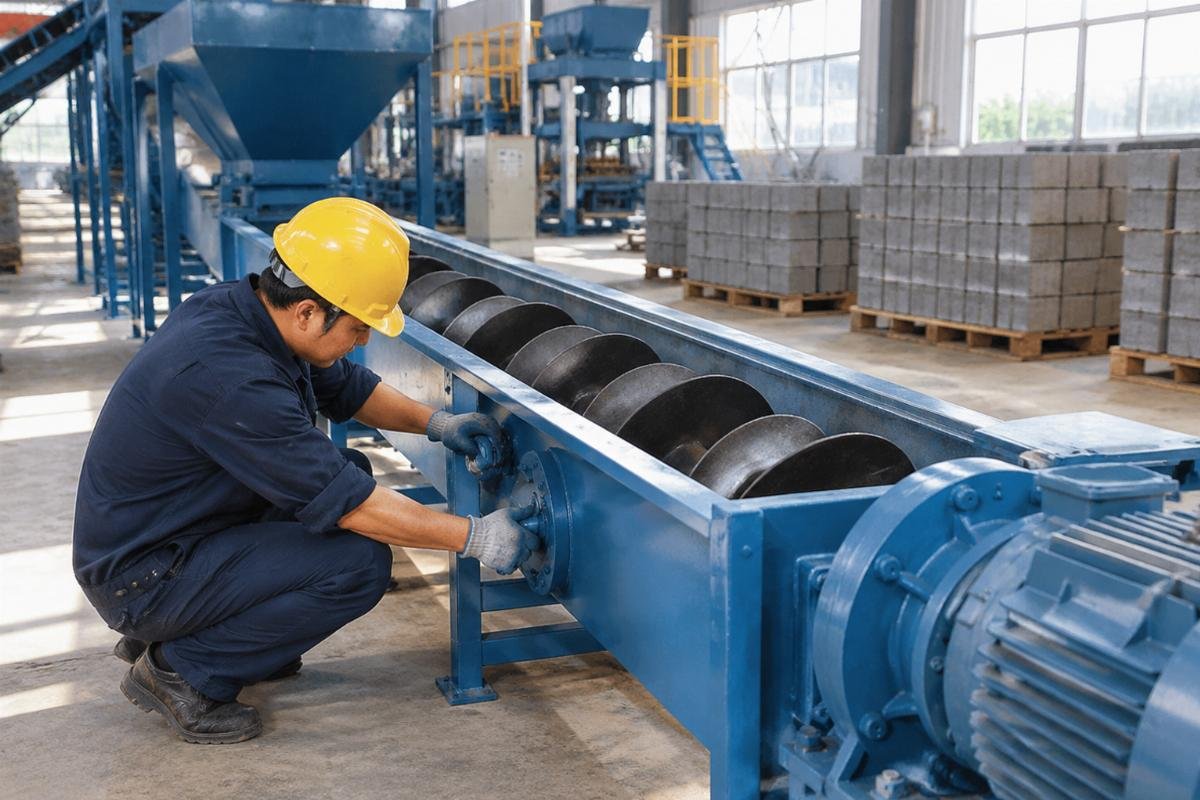
- Manual Rotation: Manually rotate the screw conveyor and other moving parts to prevent them from seizing due to inactivity. This also helps identify any binding or resistance early.
Consistent monitoring ensures that minor issues do not escalate into major problems. It transforms passive storage into active preservation, a key component of successful cement silo off-season storage.
Safe Restart Procedure
Restarting a silo after a long downtime requires caution. Rushing this process can lead to equipment failure or safety hazards. Follow a step-by-step protocol to verify system integrity before full production.
- Visual Check: Inspect the interior of the silo if accessible, looking for any signs of clumping or bridge formation. Check all external connections and seals.
- Manual Turn: Manually rotate the screw conveyor and rotary valve to ensure they move freely. Do not apply power yet. This step confirms that no hardening has occurred in the discharge path.
- No-Load Test: Power on the system and run the conveyor and valves without any cement load. Listen for unusual noises and monitor motor current. Verify that all sensors and controls are functioning correctly. Many modern PLC-controlled systems, such as those integrated by Shiyue, include diagnostic modes for safe no-load testing.
- Load Test: Introduce a small amount of cement into the system. Monitor the flow rate and check for any blockages or irregularities. Gradually increase the load to full capacity while observing performance.
This phased approach minimizes the risk of damaging expensive components. It ensures that the system is ready for efficient operation, validating the efforts put into cement silo off-season storage.

Common Mistakes That Lead to Costly Repairs
Even with the best intentions, certain errors can undermine your storage efforts. Avoiding these common pitfalls can save significant time and money.
- Ignoring Bottom Seals: Focusing solely on the roof hatch while neglecting the bottom discharge valve is a frequent mistake. Humid air enters from below, causing the most critical clumping at the exit point.
- Leaving Cement Idle: Assuming that leaving cement in the silo saves time is incorrect. Clearing the silo completely reduces restart risk substantially. The cost of clearing hardened cement far outweighs the effort of emptying it beforehand.
- Skipping Manual Checks: Relying entirely on automated systems without manual verification can miss mechanical seizures. A quick manual turn can prevent motor burnout or conveyor damage.
- Rushing Restart: Applying full power immediately after a long idle period can shock the system. Always follow the no-load and load test protocol to ensure gradual adaptation.
By avoiding these errors, you protect your investment and ensure consistent production quality. Proper cement silo off-season storage is a discipline that pays dividends in reliability and efficiency.
Conclusion
Preventing cement clumping requires a holistic approach to storage management.
Effective cement silo off-season storage hinges on rigorous pre-shutdown preparation, consistent monitoring, and a cautious restart protocol. By prioritizing seal integrity, managing moisture, and respecting the physical properties of cement, plant operators can avoid costly downtime and equipment damage. These practices ensure that your production line remains ready for immediate operation, regardless of the length of the shutdown.


Leave a Reply