

QT4-15 Concrete Block Machine Manufacturer for Peru Construction
High altitude does not just reduce engine power; it fundamentally alters the thermal dynamics of hydraulic systems.
For contractors deploying a QT4-15 concrete block machine Peru projects, standard factory specifications often fail in the Andes due to low atmospheric pressure affecting heat dissipation and voltage instability disrupting PLC logic. Successful operation requires localized adjustments to hydraulic cooling capacity and electrical protection, rather than simply accepting nominal output ratings.
I still remember the humidity in Lima’s coastal warehouses, where aggregate moisture content fluctuated wildly between morning and afternoon shifts. But it was the silence of the highlands that taught me the hardest lessons. In Cusco, at over three thousand meters above sea level, a standard hydraulic unit would scream in protest long before the sun reached its peak. The oil wasn’t just hot; it was boiling at a lower temperature due to the thin air, causing cavitation that sounded like gravel grinding in the pump. This wasn’t a manufacturing defect. It was a physics problem that spec sheets rarely address. [NEED_CITE: impact of altitude on hydraulic fluid boiling point and cavitation]
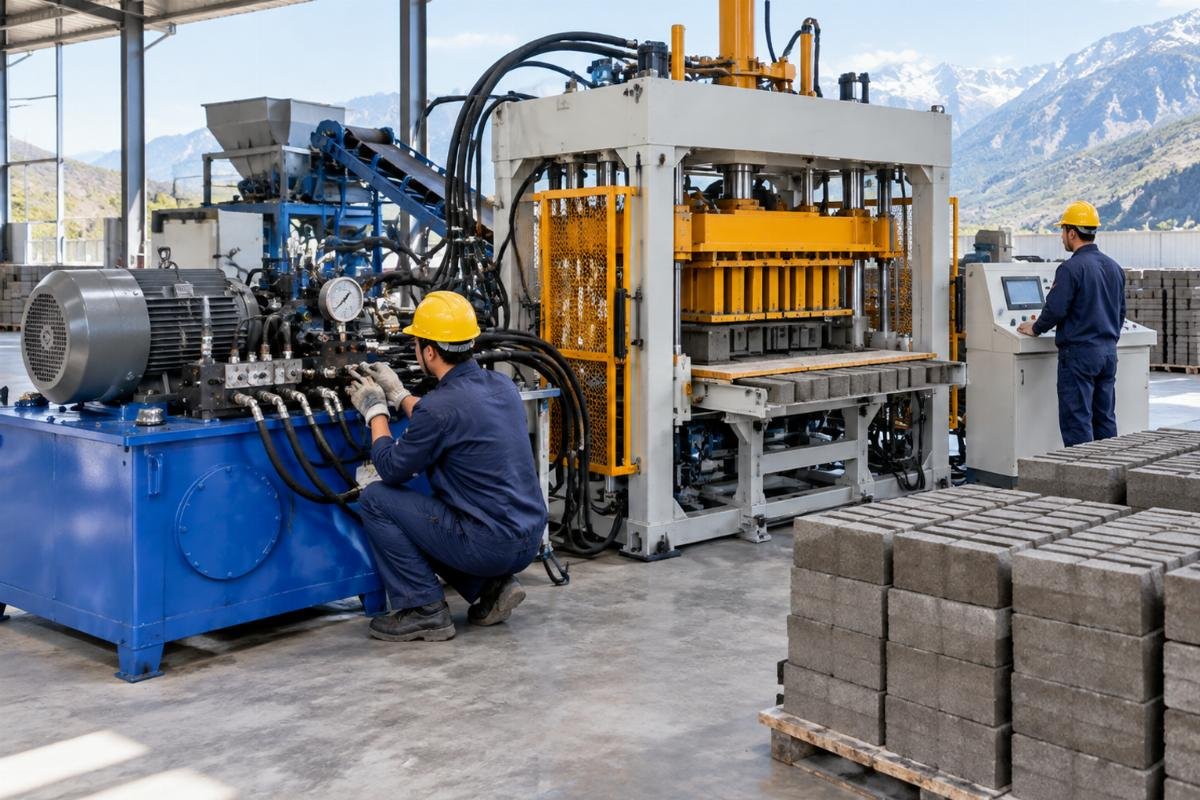
Understanding these environmental nuances is critical for anyone importing heavy machinery into Latin America. The gap between theoretical capacity and actual site performance is often bridged not by the machine itself, but by how well it is adapted to local conditions.
Why Standard Specs Fail in the Andes?
The assumption that a machine rated for sea level will perform identically in the mountains is a common procurement error. In the Andes, two invisible forces work against standard equipment: atmospheric pressure and temperature variance.
Most buyers focus on engine horsepower, assuming that a loss of power is the primary concern at high altitude. While naturally aspirated engines do lose efficiency, the more immediate threat to a QT4-15 concrete block machine Peru installations is the hydraulic system. Hydraulic oil relies on ambient air to dissipate heat through radiators. At high altitudes, the lower air density reduces the cooling efficiency of these radiators significantly. [NEED_CITE: thermodynamic principles of heat exchange at reduced air density]
Furthermore, the daily temperature swing in regions like Arequipa or Cusco can exceed twenty degrees Celsius. This thermal cycling causes expansion and contraction in metal components, leading to seal fatigue if the machine is not designed with appropriate tolerances. I have seen seals blow out within weeks of operation because the original equipment manufacturer used standard rubber compounds instead of high-temperature resistant variants.
Electrical stability is another hidden hurdle. In many remote construction sites, the grid is not as stable as in industrial zones. Voltage spikes and drops can cause the PLC (Programmable Logic Controller) to reset unexpectedly. A standard machine might lack the robust voltage regulation needed to protect its sensitive electronic brain. When the PLC reboots mid-cycle, it doesn’t just stop production; it can leave molds half-filled or pallets misaligned, leading to wasted material and potential mechanical jamming.
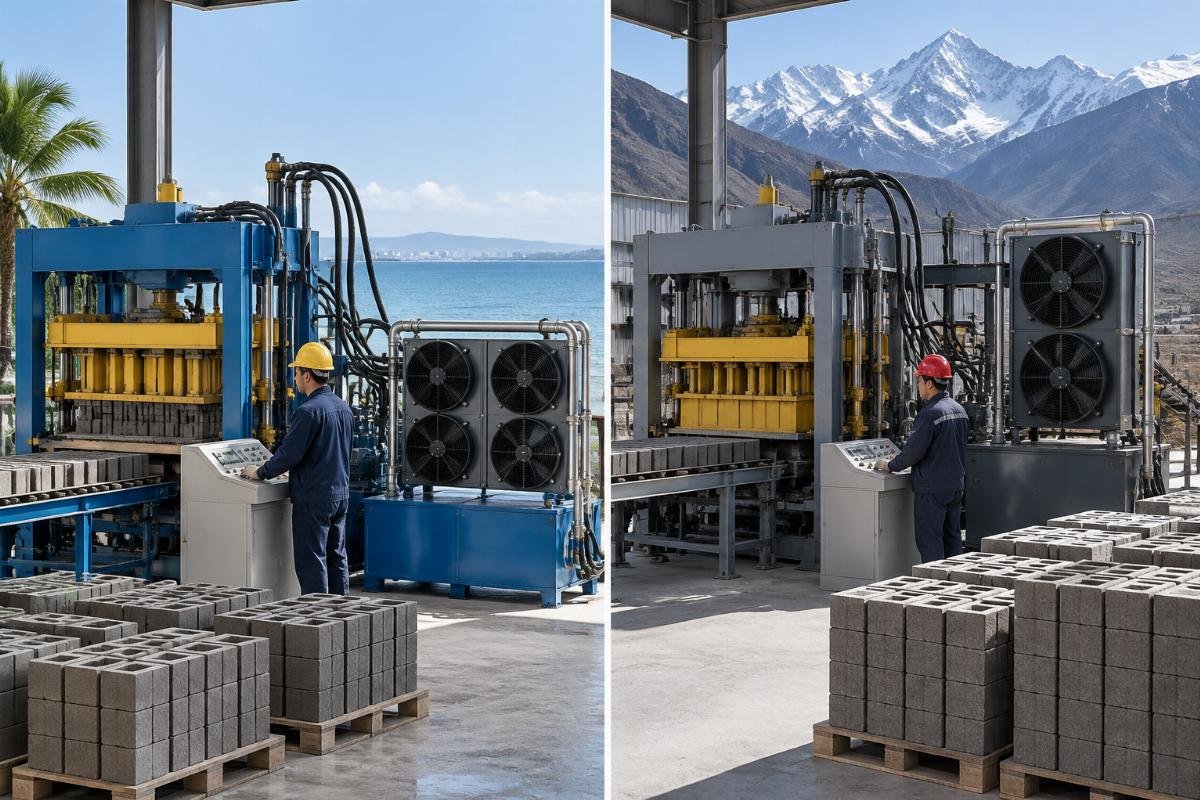
These factors mean that a "standard" configuration is often a misconfiguration for the Andean context. Buyers must look beyond the basic model number and inquire about specific adaptations for high-altitude and unstable power environments.
How We Adapted the QT4-15 for Cusco Project?
Adapting a QT4-15 concrete block machine Peru based operations required a shift from generic installation to site-specific engineering. The project in Cusco presented a classic case of environmental mismatch. The initial setup followed the manual strictly, yet the machine triggered high-temperature alarms repeatedly during the midday shift.
The solution was not to reduce the workload, but to enhance the cooling capacity. We replaced the standard radiator with a larger surface-area unit and adjusted the fan blade pitch to move more air despite the thin atmosphere. Additionally, we switched to a hydraulic oil with a higher viscosity index, which maintains its lubricating properties better under extreme temperature fluctuations. [NEED_CITE: selection criteria for hydraulic fluids in variable temperature environments]
Another critical adjustment involved the vibration system. The frequency settings optimized for dense, wet coastal sand were inefficient for the drier, angular aggregate common in the highlands. By recalibrating the vibration motors to a slightly higher frequency and adjusting the amplitude, we improved compaction without overstressing the frame. This fine-tuning resulted in denser blocks with fewer surface voids, meeting the strict structural requirements for local housing projects.
The electrical system also received an upgrade. We installed a dedicated voltage stabilizer and surge protector between the grid connection and the main control panel. This simple addition eliminated the random PLC resets that had been plaguing the earlier trial runs. The stability of the control system is paramount for maintaining consistent block dimensions and ensuring the safety of automated sequences.
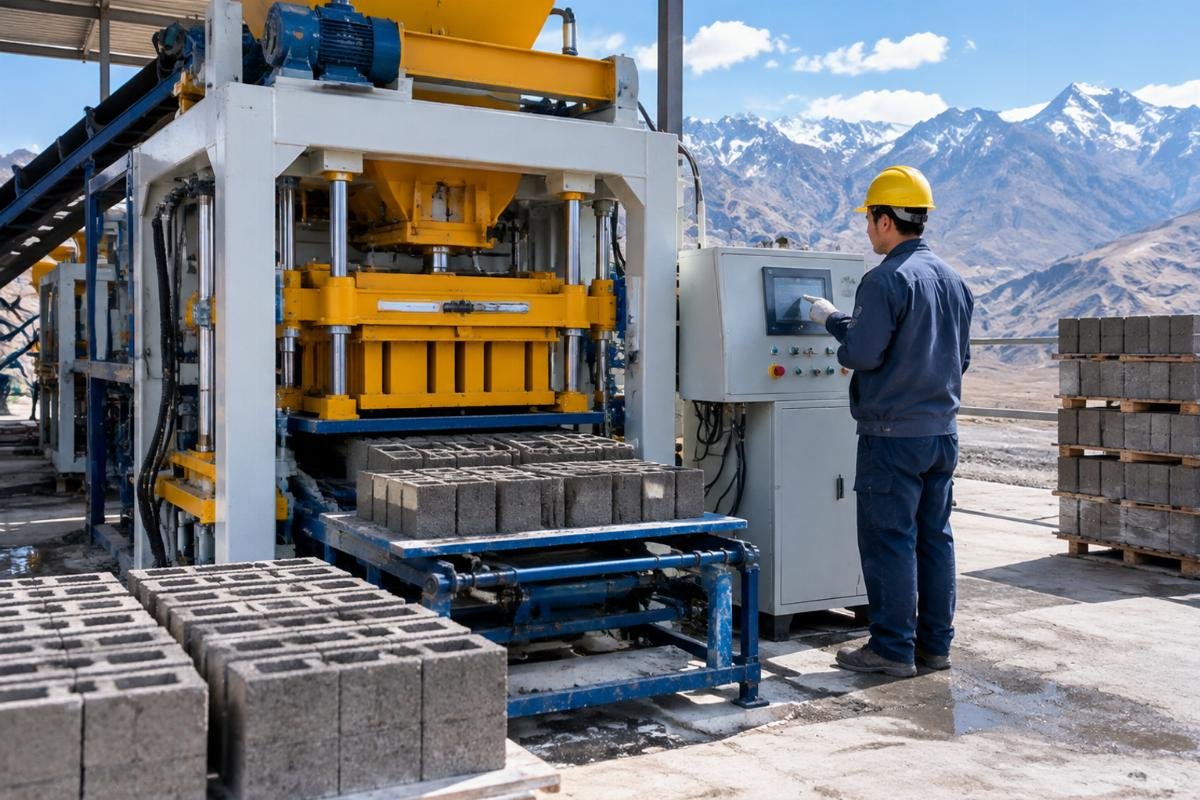
These modifications were not part of the standard package but were essential for achieving reliable performance. They highlight the importance of having technical support that understands local conditions, not just the machine’s blueprint.
What Was the Real ROI After 6 Months?
Calculating return on investment for a QT4-15 concrete block machine Peru ventures involves more than just comparing purchase price to output volume. It requires a holistic view of operational costs, including energy consumption, maintenance, and labor efficiency.
In the first month, the adjusted machine in Cusco operated with minimal downtime. The reduction in hydraulic overheating incidents meant that the crew could run longer shifts without stopping for cool-down periods. This increase in effective running time directly boosted daily output, allowing the project to meet tight deadlines for affordable housing units.
Labor costs were also optimized. With the PLC stabilized and the automation running smoothly, the need for manual intervention decreased. Operators shifted from troubleshooting frequent errors to monitoring quality and managing material flow. This transition from reactive maintenance to proactive supervision improved overall workforce productivity. [NEED_CITE: labor productivity metrics in automated vs semi-automated block production]
Material waste dropped noticeably as well. The precise vibration adjustments ensured consistent block density, reducing the number of rejected units due to poor compaction or cracking. In an environment where raw materials must be transported over difficult terrain, minimizing waste is a significant cost saver.
When factoring in the initial investment for customization—such as the enhanced radiator and voltage stabilizer—the break-even point was reached faster than anticipated. The reliability of the machine reduced the need for expensive emergency spare parts shipments and specialist visits. The total cost of ownership proved lower than that of a cheaper, unadapted unit that would have suffered frequent breakdowns.
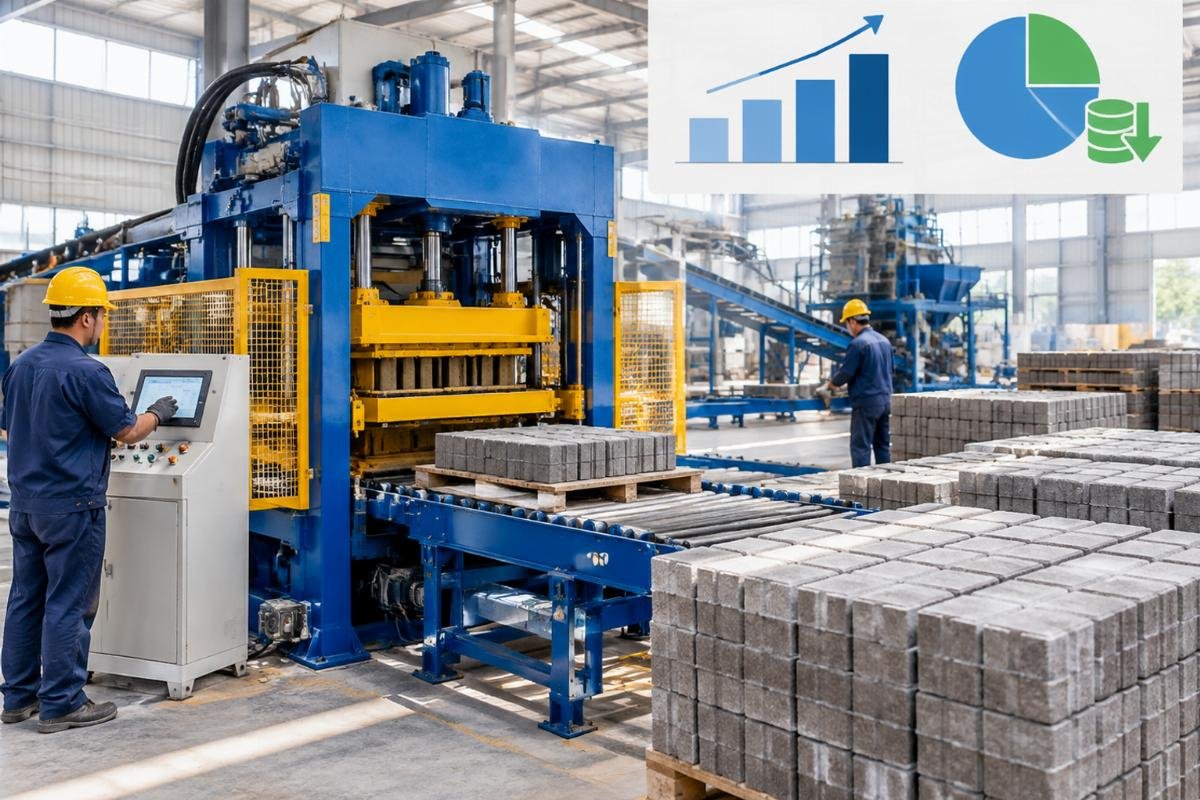
This case demonstrates that upfront investment in proper adaptation yields substantial long-term savings. It is not just about buying a machine; it is about investing in a production system that works harmoniously with its environment.
Key Takeaways for Latin American Buyers
For investors and contractors looking to deploy a QT4-15 concrete block machine Peru or similar markets, several key lessons emerge from field experience. First, never assume that standard specifications are sufficient for diverse geographical conditions. Always discuss local environmental factors—altitude, temperature range, and aggregate type—with the manufacturer before finalizing the order.
Second, prioritize electrical protection. In regions with unstable grids, a voltage stabilizer is not an optional extra; it is a critical component for protecting the machine’s control system. The cost of a stabilizer is negligible compared to the downtime and potential damage caused by power surges.
Third, consider the entire supply chain for spare parts. Ensure that the supplier offers robust remote diagnostic support and has a clear logistics plan for delivering critical components. Delays in receiving parts can halt production for weeks, eroding profits. A supplier who provides comprehensive training and ongoing technical assistance adds significant value beyond the initial sale. [NEED_CITE: importance of after-sales support in heavy machinery lifecycle costs]
Finally, verify the machine’s adaptability to local aggregates. Request tests or case studies involving similar materials. If the manufacturer cannot provide evidence of successful operation with your specific raw materials, proceed with caution. Customizing mold designs and vibration settings may be necessary to achieve optimal results.
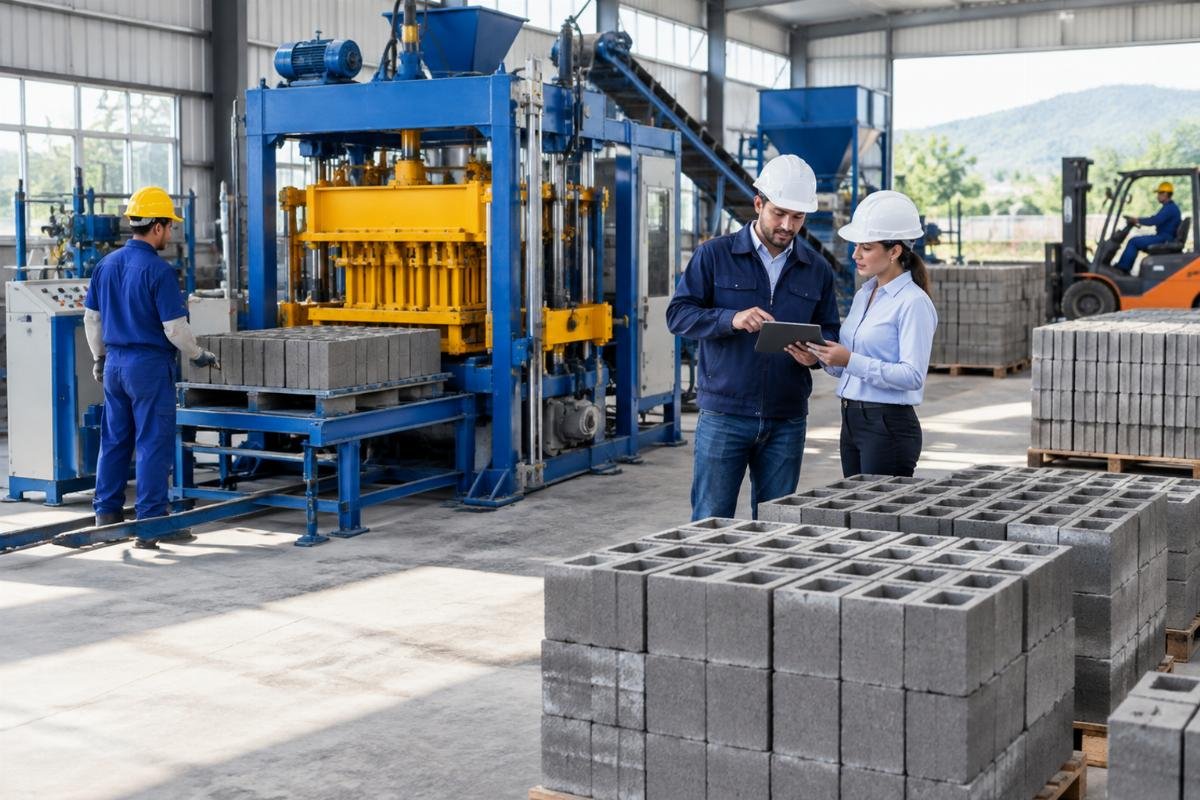
By focusing on these practical aspects, buyers can mitigate risks and ensure a smoother commissioning process. The goal is to establish a sustainable production line that contributes reliably to local infrastructure development.
Conclusion
Success with a QT4-15 concrete block machine Peru depends on recognizing and adapting to local environmental challenges.
Standard configurations often fall short in high-altitude or unstable power conditions. By prioritizing hydraulic cooling, electrical stability, and aggregate-specific adjustments, contractors can unlock the true potential of their equipment. This approach transforms a generic machine into a tailored solution, ensuring consistent performance and a stronger return on investment.
Leave a Reply