

Description
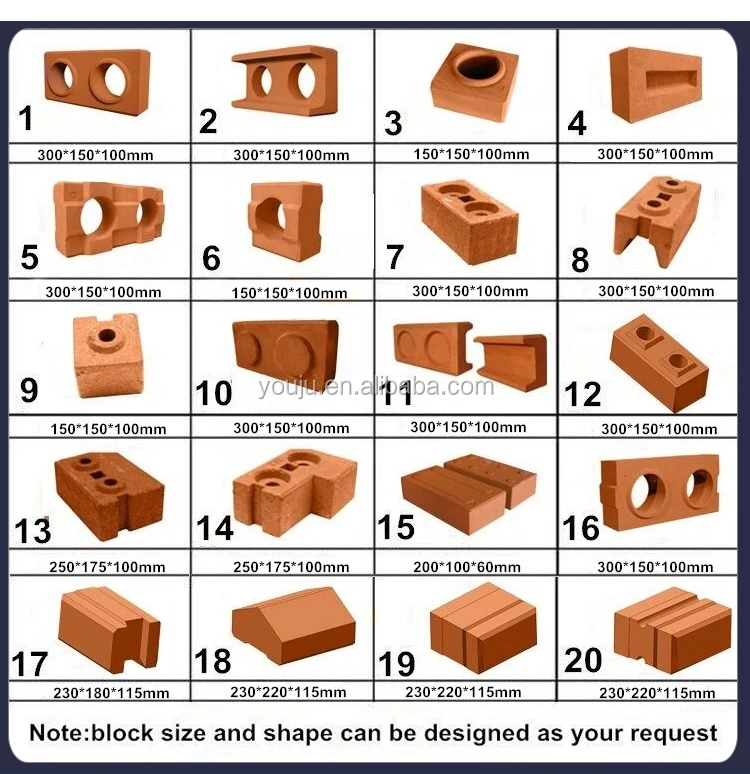
Standard Mould Readiness — Stocked units ship with pre-matched standard block formats to bypass custom engineering delays.
Technical Specifications
| Parameter | Value |
|---|---|
| Model | QT10-15 |
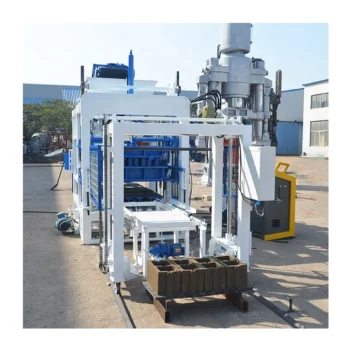
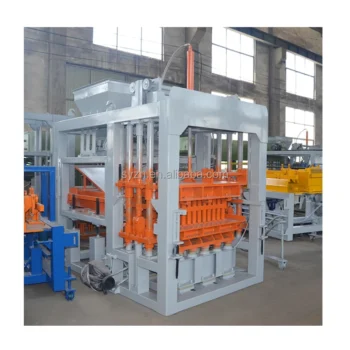
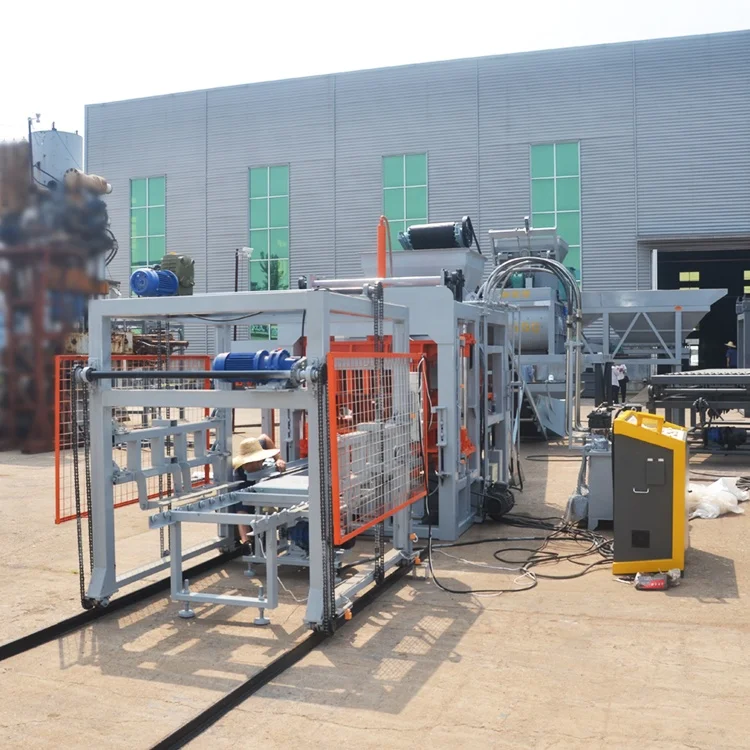
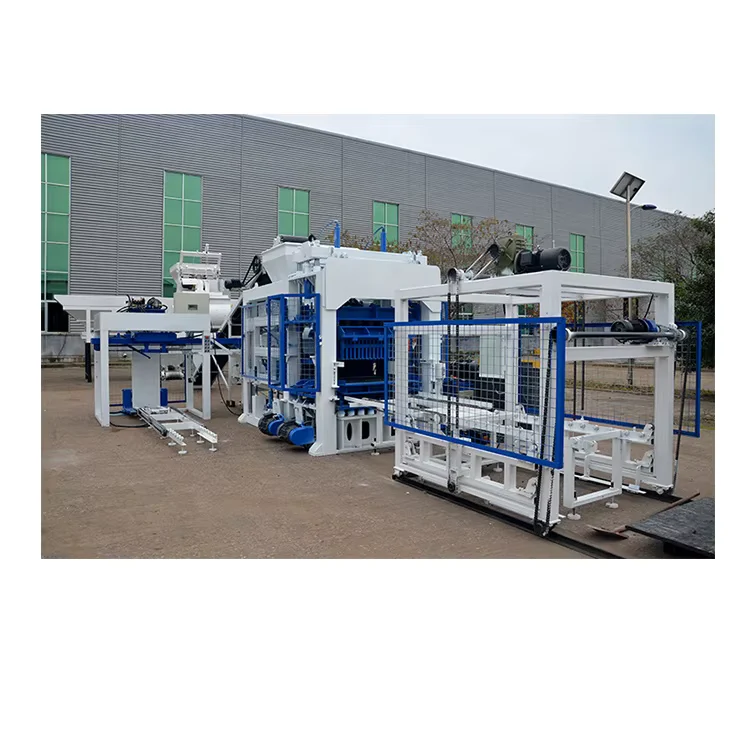
| Product Type | Automatic Concrete Block Making Machine |
| Processing Method | Hydraulic pressure |
| Overall Dimensions (L×W×H) | 935023202950mm |
| Net Weight | 10000 kg |
| Hydraulic Pressure | 20 MPa |
| Shaping Cycle | 15-20s (basis to be confirmed) |
| Voltage | Local Voltage (220V noted in title) |
| Power Source | Electric motor |
| Core Components | Motor, Pump |
| Required Workers | 1-3 people |
| Warranty | 1 Year |
Application Suitability
| Application | Material or Output |
|---|---|
| Housing project contracting | Cement, crushed stone, sand, and coal fly ash |
| On-site construction production | Cinder, slag, gravel, and dust |
| Building material distribution | Standard hollow and solid concrete formats |
Why Voltage Verification Must Precede Dispatch for a QT10-15 block making machine in stock
Matching the site grid to the motor nameplate prevents three-week transformer delays.
I used to handle post-sale repairs before moving into equipment sales, and I still see project schedules collapse over electrical mismatches. One contractor ordered a fully automatic line with a 220V setup, but the local site grid required a different frequency and phase configuration. The machine sat idle on the foundation while they waited for a custom transformer. Securing a QT10-15 block making machine in stock solves the production timeline, but only if the electrical schematics are locked in before the crate is sealed [NEED_CITE: voltage and frequency standards by export market].
Container Loading and Dismantling Protocols
Moving a 10000 kg press requires precise dismantling to fit standard shipping dimensions. The 935023202950mm footprint is pre-calculated for flat-rack or open-top container loading, ensuring the mainframe and hydraulic station arrive without structural stress.
Dispatch Timelines and Port Transit
Booking a QT10-15 block making machine in stock eliminates the standard manufacturing queue. We provide exact dispatch lead times and upfront arrival estimates, allowing site managers to schedule foundation pouring and crane rentals with absolute certainty.
Hydraulic Pressure and Physical Footprint
The 20 MPa hydraulic pressure system demands a reinforced concrete foundation to absorb continuous vibration without micro-fracturing. The 9350mm length dictates the minimum bay size, ensuring forklifts have adequate turning radius to move raw material hoppers and finished pallets around the press [NEED_CITE: CE machinery directive requirements for industrial equipment].
The Hidden Cost of Rushing Electrical Clearance
Skipping the pre-shipment voltage check turns a fast-tracked delivery into a stationary monument. If the electric motor and pump are wired for a grid that does not exist at the destination, the entire commissioning phase halts. Sourcing a heavy-duty step-down transformer locally drains the project budget and pushes back the first production run by weeks.
Why Procure This Unit From Our Inventory
Block machinery is our single focus, meaning the press, pallets, and handling equipment are specified as one matched system from day one. We configure the electrical cabinet against the buyer’s actual site conditions rather than relying on a catalogue default. Standard moulds for common formats are kept alongside the machines, eliminating secondary sourcing delays. We provide complete installation support and operator training immediately upon arrival.
Documentation & Verification
- Factory test record verifying hydraulic pressure stability before dispatch
- Voltage and control language confirmation sheet matched to site grid
- Machine specification sheet detailing the 935023202950mm footprint
- Customs documentation support to expedite port clearance
- Video outgoing-inspection showing the motor and pump under load
Installation, Commissioning & Support
- Reinforced concrete foundation required to absorb 20 MPa hydraulic pressure
- Dedicated electrical circuit verified against the local voltage and frequency
- Mainframe dismantled for container transit and reassembled on-site
- Hydraulic lines flushed and pressure calibrated during initial startup
- Operator training covering daily pump and motor maintenance routines
- Wear parts list provided for the hydraulic seals and standard moulds
Preparing Your Site for Immediate Arrival
To ensure the equipment integrates smoothly upon arrival, provide your exact local voltage, phase, and frequency specifications. We also need the dimensions of your curing area and the layout of your existing material feeding systems to confirm the 9350mm machine footprint aligns with your facility.
Frequently Asked Questions
Q: What is the exact dispatch lead time for the stocked unit?
A: Because the unit is already assembled and tested, dispatch lead times are limited only to customs clearance and container booking. We provide an upfront arrival estimate before you confirm the order, allowing you to align your site preparation and crane schedules accurately.
Q: How is the machine dismantled for fast shipment?
A: The 10000 kg mainframe and hydraulic stations are separated to fit standard shipping containers securely. This dismantling procedure is documented, and our technicians oversee the reassembly on your foundation to ensure the 20 MPa pressure system is calibrated correctly.
Q: Are standard moulds included in the ready-to-ship inventory?
A: Yes, standard moulds for common block formats are kept in stock alongside the press. This prevents the delays associated with custom engineering, allowing you to begin production immediately using the cement, sand, and crushed stone available at your site.
Q: Can the voltage be adjusted quickly before dispatch?
A: Absolutely. Drawing from my background in post-sale repairs, I verify the electric motor and pump requirements against your local grid before the machine is crated. Any necessary adjustments to the electrical cabinet are completed in our facility to prevent on-site transformer delays.