

Description
Dispatch readiness confirmed — QMY4-30 mobile block machines are crated, documented, and cleared for loading within standard lead windows so project deadlines hold.
Technical Specifications
| Parameter | Value |
|---|---|
| Model | QMY4-30 |
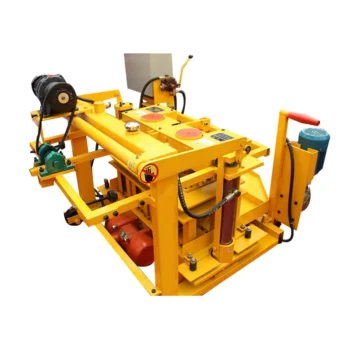
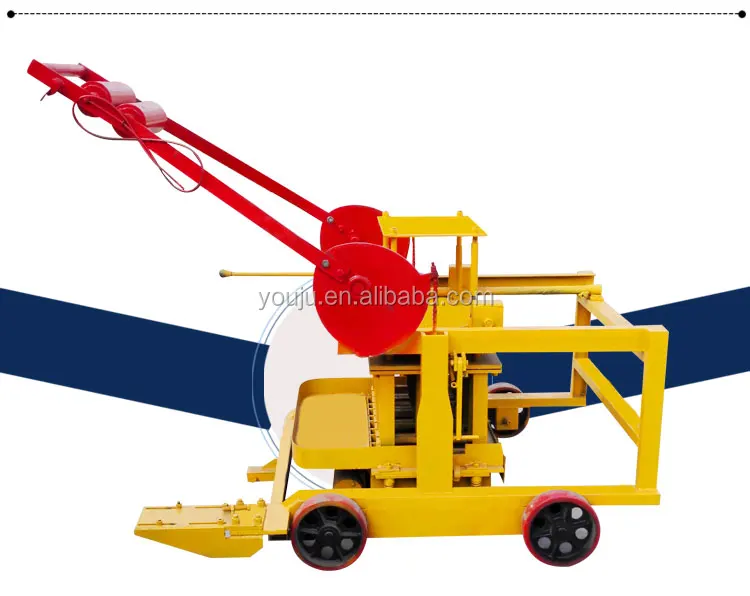
| Product Type | Mobile Concrete Block Making Machine |
| Rated Power | 5 kW |
| Cycle Time | 30 seconds |
| Overall Dimensions (L×W×H) | 1200 × 1200 × 1100 mm |
| Net Weight | 950 kg |
| Raw Materials | Cement, sand, crushed stones, slag |
| Output Capacity | 480 pcs/hour based on 400×200×200 mm hollow block, 4 pcs/mould |
| Output Capacity | 600 pcs/hour based on 400×150×200 mm hollow block, 5 pcs/mould |
| Output Capacity | 840 pcs/hour based on 400×100×200 mm hollow block, 7 pcs/mould |
| Daily Output (8 hrs) | 3,840 pcs based on 400×200×200 mm hollow block |
| Daily Output (8 hrs) | 4,800 pcs based on 400×150×200 mm hollow block |
| Daily Output (8 hrs) | 6,720 pcs based on 400×100×200 mm hollow block |
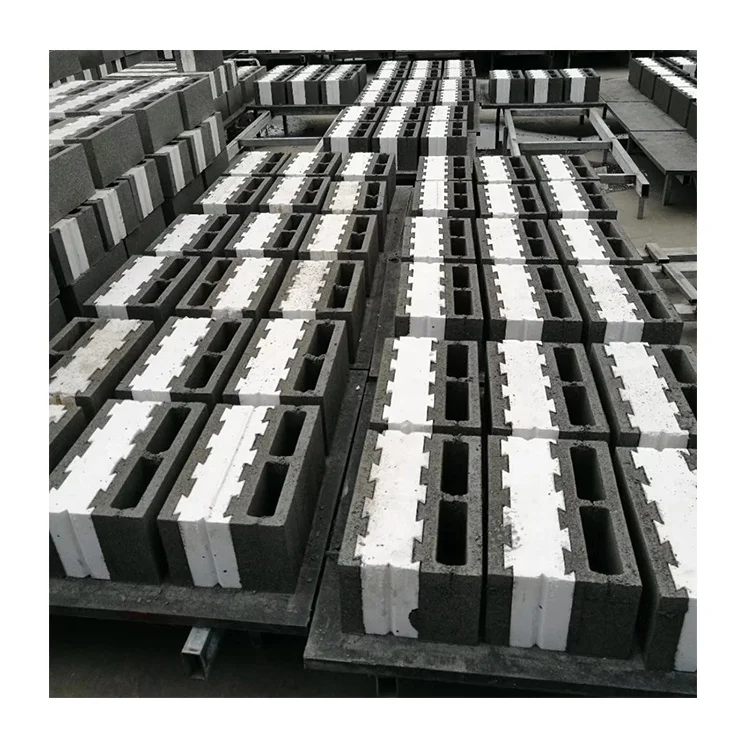
| Mould Format | Hollow block and solid brick, moulds changeable |
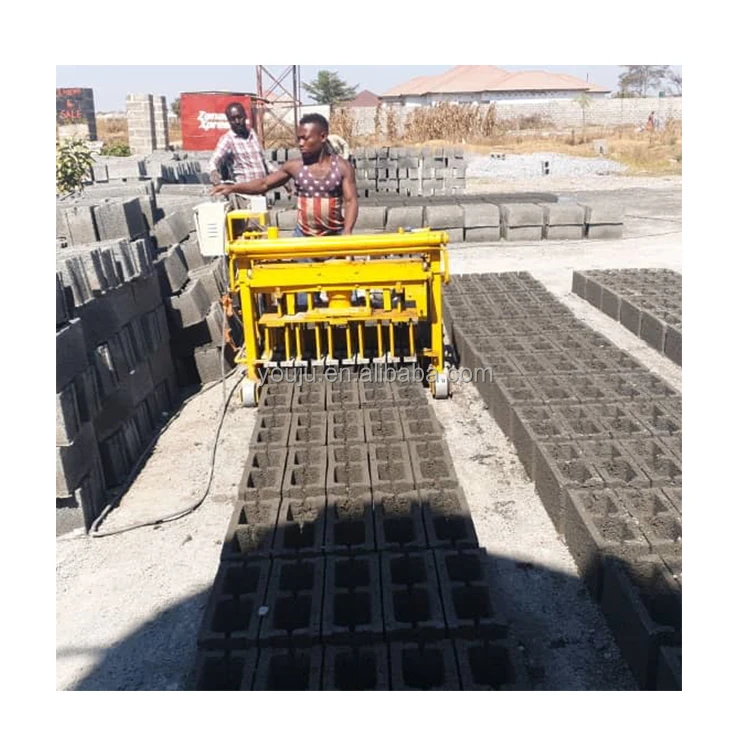
| Automation Level | Mobile, manual pallet handling |
| Assembly State | Mobile, no fixed plant required |
| Voltage & Frequency | To be confirmed before dispatch |
| Control System | To be confirmed before dispatch |
| Pallet Size | To be confirmed before dispatch |
Application Suitability
| Application | Material or Output |
|---|---|
| On-site construction block production | Hollow blocks from cement, sand, and crushed stone |
| Small-scale brick manufacturing | Solid bricks from slag and cement mixes |
| Housing project local supply | 400×200×200 mm hollow blocks at 4 pcs per cycle |
| Entrepreneur first plant startup | Interchangeable hollow and solid block formats |
| Contractor self-supply for masonry walls | 400×100×200 mm hollow blocks at 7 pcs per cycle |
Why the Voltage Check Must Happen Before the Crate Is Nailed Shut
A 415 V three-phase machine wired for 380 V will trip on arrival, and the site waits weeks for a transformer.
I once watched a hollow block machine ship to West Africa with the voltage left ambiguous in the contract. The unit arrived, they connected power, and the breaker tripped immediately. Three weeks of idle labour while a transformer was sourced and installed. That mobile block machine in stock situation turned into a project delay nobody planned for. Every QMY4-30 unit we dispatch now goes through a line-by-line electrical check — voltage, frequency, and control cabinet wiring verified against the buyer’s site supply before the plywood case is closed. [NEED_CITE: voltage and frequency standards by export market]
Dispatch Timeline and Container Loading for the QMY4-30
Stock readiness means the machine, moulds, and supporting components are assembled, tested, and standing by — not waiting on a production slot. For a mobile block machine in stock, the dispatch conversation starts with your project deadline and works backward. Container loading plans are confirmed at inquiry, not after payment.
Plywood Packing and Freight Footprint
The QMY4-30 weighs 950 kg and measures 1200 × 1200 × 1100 mm. Packed in a plywood case, the shipping volume sits around three cubic metres. That compact footprint simplifies container planning and keeps freight cost estimation straightforward. Buyers working to tight arrival windows benefit from knowing the crate dimensions and loading sequence before committing. [NEED_CITE: standard container loading practices for compact block machinery]
Reading the Specs That Actually Matter on Site
The 30-second cycle time governs how many blocks each mould produces per hour, but real daily output depends entirely on which block format you are running. At 400×200×200 mm hollow blocks with four cavities, you get 480 pieces per hour. Switch to 400×100×200 mm with seven cavities and throughput rises to 840 pieces per hour. The 5 kW rated power is modest, which means you do not need a heavy-duty dedicated circuit — but you do need to confirm your site voltage matches the machine winding before it ships. Mould changeability between hollow block and solid brick formats gives one machine multiple product lines from the first day on site.
What Happens When Dispatch Details Are Skipped
A mobile block machine arriving with the wrong voltage configuration does not just sit idle — it cascades. Crews hired for the start date have no work. Scaffolding and formwork schedules slip. Penalty clauses on construction contracts start ticking. The QMY4-30 is compact and mobile, but none of that matters if the machine cannot power on. We have seen buyers lose entire curing cycles because commissioning was delayed by an electrical mismatch that could have been caught with a single confirmation email. [NEED_CITE: common commissioning delays in exported construction equipment]
Why Procurement Through This Channel Works for Deadline Buyers
Block machinery is the single focus here, so the QMY4-30 is specified as a matched unit — machine, mould, and handling considered together rather than sourced separately. Dispatch lead time and container loading plans are quoted at inquiry, not buried in fine print. Standard moulds for common hollow block sizes ship alongside the machine so production can begin without waiting on a second consignment. Voltage, frequency, and control language are confirmed before dispatch, not after arrival. Factory test records accompany every unit so you can verify cycle timing and block density before the crate leaves the floor.
Documentation & Verification
- Factory test record showing cycle time on your specified block format before dispatch
- Machine specification sheet confirming voltage, frequency, and control language match
- Mould drawing and format list for all interchangeable moulds included in shipment
- Packing photographs documenting crated condition prior to container loading
- Customs documentation support for destination country import clearance
Installation, Commissioning & Support
- Site surface must be level and compacted to support the 950 kg operating weight
- Confirm site supply matches the 5 kW rated power and agreed voltage before connection
- Machine arrives mobile and assembled — no fixed foundation or plant construction needed
- First-cycle test run verifies 30-second timing and block density on your raw material mix
- Mould change demonstration covers hollow-to-solid swap procedure on site
- Wear parts list included for early reorder planning based on your production volume
What to Include in Your Inquiry
Send your target block format and daily volume requirement so we can match the right mould configuration and confirm output. Include your site voltage and frequency — we verify the electrical configuration before the machine leaves the workshop. If you have a project deadline, state it upfront so the mobile block machine in stock dispatch window aligns with your construction schedule.
Frequently Asked Questions
Q: What is the dispatch lead time for stocked QMY4-30 units?
A: Stocked units are assembled, tested, and ready for crating. Dispatch lead time covers final electrical verification against your site supply, plywood packing, and container loading scheduling. Confirming your voltage and block format at inquiry keeps this window short and avoids pre-shipment modifications.
Q: How is the QMY4-30 dismantled and packed for container shipment?
A: The machine ships as a single mobile unit inside a plywood case at approximately three cubic metres. At 950 kg and 1200 × 1200 × 1100 mm, it loads into standard containers without special rigging. Moulds and small components are secured within the same crate for consolidated arrival.
Q: What arrival estimate can I expect after dispatch?
A: Arrival depends on destination port and shipping line scheduling. We confirm the container loading plan and estimated sailing date at inquiry so you can align your site preparation. Transit time is communicated before commitment, not after booking.
Q: Are standard moulds for common hollow block sizes in stock?
A: Moulds for 400×200×200 mm, 400×150×200 mm, and 400×100×200 mm hollow blocks are available alongside the machine. All are changeable on the same unit. Confirming your required formats at inquiry ensures the correct moulds are included in the dispatch crate.
Q: What voltage and frequency configurations are available from current stock?
A: Voltage and frequency are confirmed against your site electrical supply before dispatch. The QMY4-30 electrical system is configured and tested to match your local standard, preventing commissioning delays on arrival. This verification step is completed before crating.