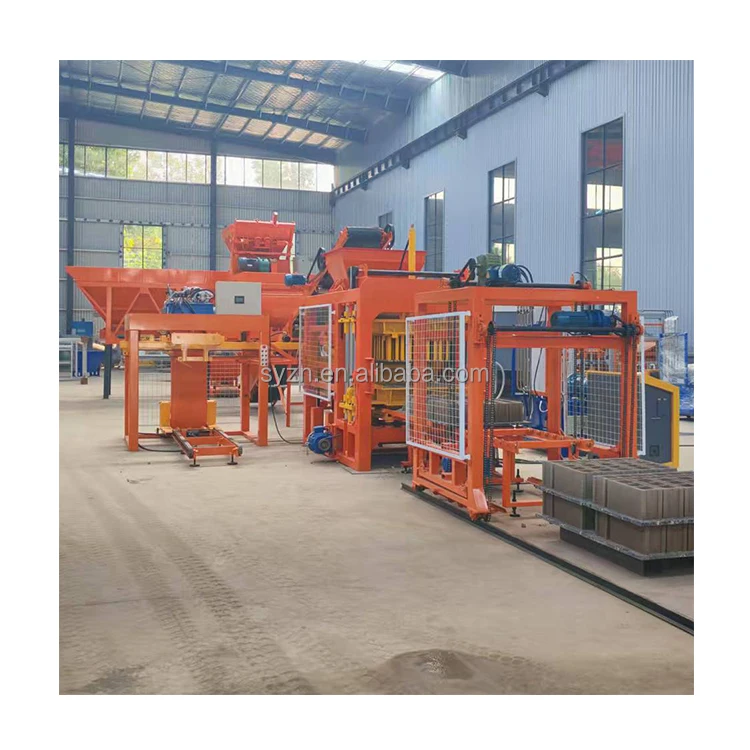


Description
Verified Stock Status — Every QT6-15 block machine in stock fast delivery inquiry receives a confirmed dispatch date before contract signing, not an estimated window.
Technical Specifications
| Parameter | Value |
|---|---|
| Model | QT6-15 |
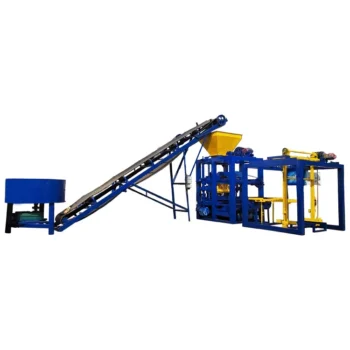
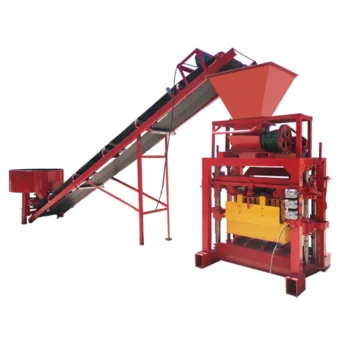
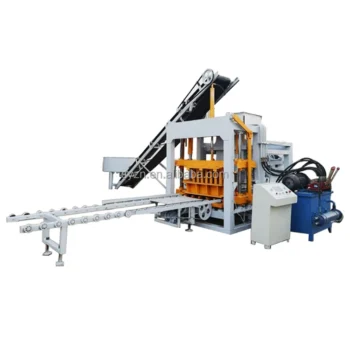
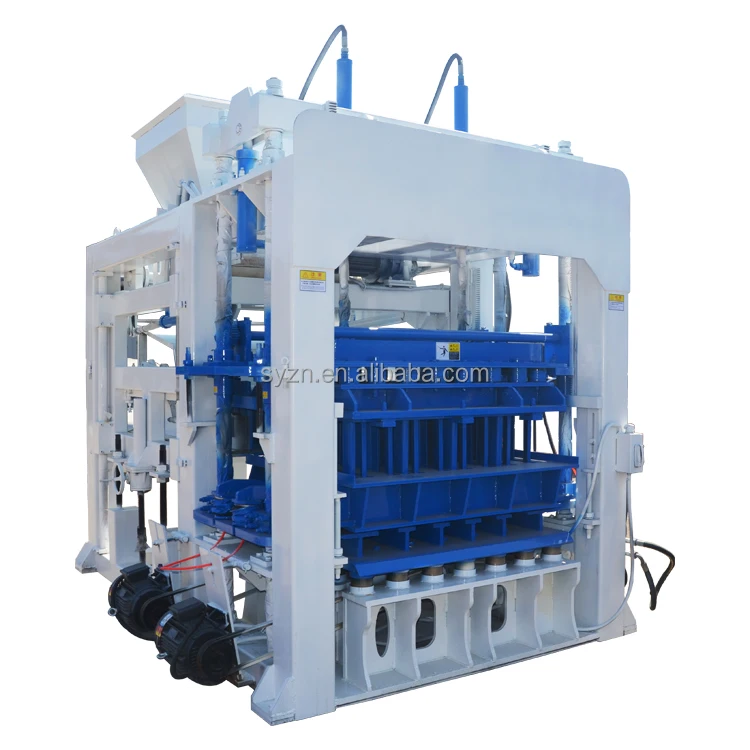
| Product Type | Automatic Concrete Block Making Machine |
| Overall Dimensions (L×W×H) | 8200×1700×2950 mm |
| Pallet Size | 880×850 mm |
| Molding Cycle | 15-20 s (hollow/solid), 20-25 s (pavers) |
| Vibration Form | Platform Vibration |
| Vibration Frequency | 0-60 Hz |
| Vibration Force | 45 kN |
| Demolding Method | Hydraulic |
| Hydraulic System | Independent integrated hydraulic station |
| Control System | PLC (Programmable Controller) with touch screen |
| Overall Power | 37 kW |
| Total Mass | 7 T |
| Factory Area | 1200 m² |
| Output: Hollow Block 400×200×200 mm | 1080-1440 pcs/hour (8640-11520 pcs/8hr) |
| Output: Hollow Block 400×150×200 mm | 1440-1920 pcs/hour (11520-15360 pcs/8hr) |
| Output: Solid Brick 240×115×53 mm | 5760-7680 pcs/hour (46080-61440 pcs/8hr) |
| Output: Rectangular Brick 200×100×60 mm | 2160-2880 pcs/hour (17280-23040 pcs/8hr) at 20-25 s cycle |
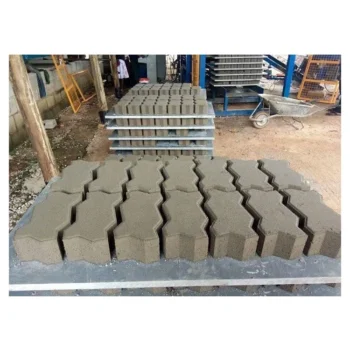
| Output: Zigzag Brick 225×112.5×60 mm | 2160-2880 pcs/hour (17280-23040 pcs/8hr) at 20-25 s cycle |
| Block Compressive Strength | >15 MPa |
| Raw Material Adaptability | Waste ash, slag, cement-based mixes |
| Assembly State | Fully assembled main press |
| Warranty | 1 year (excluding spare parts) |
Application Suitability
| Application | Material or Output |
|---|---|
| Hollow block production for building walls | Cement, crushed stone, sand, fly ash mixes |
| Solid brick production for masonry structures | Cement-based mixes with local aggregate |
| Paving brick and rectangular paver production | High-density cement and fine aggregate blends |
| Interlocking and zigzag brick production | Cement mixes with specific mould configurations |
| Industrial waste utilization | Waste ash and slag as partial aggregate replacement |
Why "Fast Delivery" Still Fails at the Power Connection
Confirming voltage and frequency before production prevents a three-week site delay that no amount of shipping speed can recover.
I once supervised a QT6-15 dispatch to a project site in Indonesia where the electrical specification was never reconciled with the local grid. The machine arrived on schedule, sat on the pallet, and waited while the buyer sourced and installed a compatible transformer. Three weeks of idle crew and delayed block output followed [NEED_CITE: voltage and frequency standards by export market]. A stocked machine with the wrong electrical configuration is just expensive warehouse inventory. The QT6-15 block machine in stock fast delivery promise only matters if the machine can actually run when it arrives.
Stock Availability and Dispatch Transparency
Buyers working against a project deadline need more than a catalogue lead time. When you request a QT6-15 block machine in stock fast delivery quote, the response includes the specific units currently available, their configured voltage and control language, and a container loading plan with the dismantling method documented for shipment. This removes the ambiguity that typically sits between order placement and actual dispatch.
Container Loading and Arrival Timing
The QT6-15 main press ships fully assembled, but the supporting line components require a documented dismantling and loading sequence to fit standard container dimensions. Each shipment includes packing photographs taken before the container doors close, and an arrival estimate from the port of dispatch to the destination port is provided at the quotation stage [NEED_CITE: typical ocean freight transit times from major Chinese ports to Southeast Asian destinations]. This lets the buyer schedule foundation work, electrical connections, and operator availability against a known timeline rather than a guess.
Capacity Figures Tied to Actual Block Formats
The 880×850 mm pallet size on the QT6-15 determines how many blocks are pressed per cycle, and the molding cycle varies by format. Hollow blocks at 400×200×200 mm complete in 15-20 seconds, yielding 1080-1440 pieces per hour. Rectangular pavers at 200×100×60 mm require a longer 20-25 second cycle, producing 2160-2880 pieces per hour. These are not interchangeable numbers. A buyer planning to run pavers all day cannot use the hollow block hourly rate to estimate daily output. The independent integrated hydraulic station keeps the hydraulic fluid isolated from the vibration platform and dust generated during pressing, which maintains consistent demolding pressure across a full shift.
The Cost of Skipping the Pallet and Forklift Check
An 880×850 mm pallet only works if the buyer’s curing racks and forklift are sized to handle it. I have seen plants receive a block machine where the pallets did not fit the existing curing shelves, forcing a complete rack rebuild before the first block could be cured properly. The forklift mast height and fork width must also match the loaded pallet weight and dimensions [NEED_CITE: standard forklift specifications for concrete block pallet handling]. This is a five-minute check at the inquiry stage that prevents a multi-week site modification after the QT6-15 arrives.
Why Buyers Source This Model Here
Shiyue configures each QT6-15 against the buyer’s actual mix design and target block format rather than shipping a catalogue default, which means the vibration force and hydraulic pressure settings are matched to the aggregate the buyer can actually source locally. Mould design covers the specific formats the buyer’s market demands, including custom drawings when standard moulds do not match. The electrical parameters — voltage, frequency, and PLC display language — are confirmed in writing before production begins, eliminating the grid incompatibility scenario. Documentation includes factory test records run on the buyer’s specified block format, so capacity claims are verified before the machine leaves the facility. Installation support covers on-site commissioning with operator training, and wear parts and mould replacements remain available through the supply chain.
Documentation & Verification
- Factory test record showing cycle times on your specified block format before dispatch
- Pallet specification sheet confirming 880×850 mm dimensions and material grade
- Voltage, frequency, and PLC language confirmation signed off before production
- Container loading plan with dismantling method and packing photographs
- Hydraulic and electrical schematic matching the as-built machine configuration
- Operation and maintenance manual with wear parts and mould replacement list
Installation, Commissioning & Support
- Foundation must support 7 T total mass across the 8200×1700 mm footprint with level tolerance
- Dedicated electrical circuit required for the 37 kW overall power draw at confirmed voltage and frequency
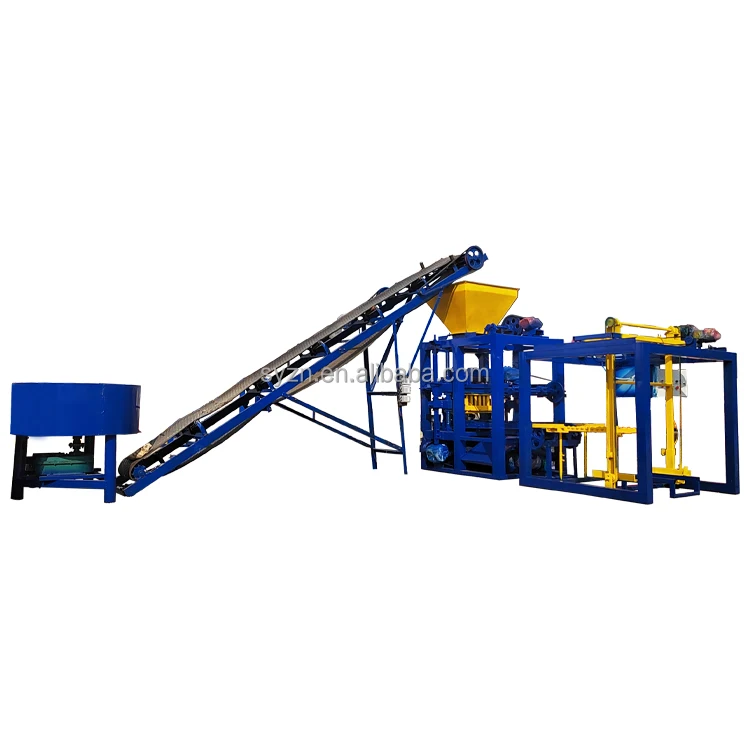
- Main press arrives fully assembled; pallet feeder and mixer connect on-site per the line layout
- PLC touch screen calibrated to confirmed language during commissioning with fault diagnosis verified
- Operator training covers mould change procedure, hydraulic pressure adjustment, and cycle time optimization
- Wear parts list provided with reorder codes for hydraulic seals and vibration platform components
What to Include in Your Inquiry
Provide the specific block formats you plan to produce and the daily volume your project requires against each format. Share your local aggregate type and cement source so the mix design can be matched to the vibration and pressure settings. Confirm your site voltage, frequency, and preferred PLC display language so the QT6-15 is configured correctly before it leaves the factory floor.
Frequently Asked Questions
Q: What is the dispatch lead time for a stocked QT6-15?
A: Stocked units have a dispatch lead time quoted at the inquiry stage based on current warehouse availability. This includes time for final electrical verification, packing, and container loading. The exact date is confirmed before the contract is signed, not estimated from a general production schedule.
Q: How is the machine dismantled and loaded into a container?
A: The main press ships fully assembled. Supporting components like the pallet feeder and hydraulic station are dismantled according to a documented loading plan. Packing photographs are taken before the container is sealed, and the plan is shared with the buyer for reference during on-site reassembly.
Q: Which block formats are included in the quoted capacity table?
A: The capacity table covers hollow blocks at 400×200×200 mm and 400×150×200 mm, solid bricks at 240×115×53 mm, rectangular pavers at 200×100×60 mm, and zigzag bricks at 225×112.5×60 mm. Each figure states the exact cycle time it is based on.
Q: Can voltage and frequency be confirmed to match my country before shipment?
A: Voltage and frequency are confirmed in writing during the inquiry stage, along with the PLC display language. This prevents the situation where a machine arrives on site and cannot be connected to the local grid without an additional transformer or electrical modification.
Q: What is the arrival estimate from dispatch to my port?
A: An arrival estimate from the port of dispatch to the destination port is provided with the quotation. This estimate is based on standard ocean freight transit times and allows the buyer to plan foundation work, electrical connections, and operator scheduling against a known timeline.