Description
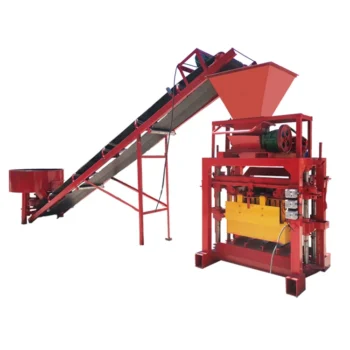
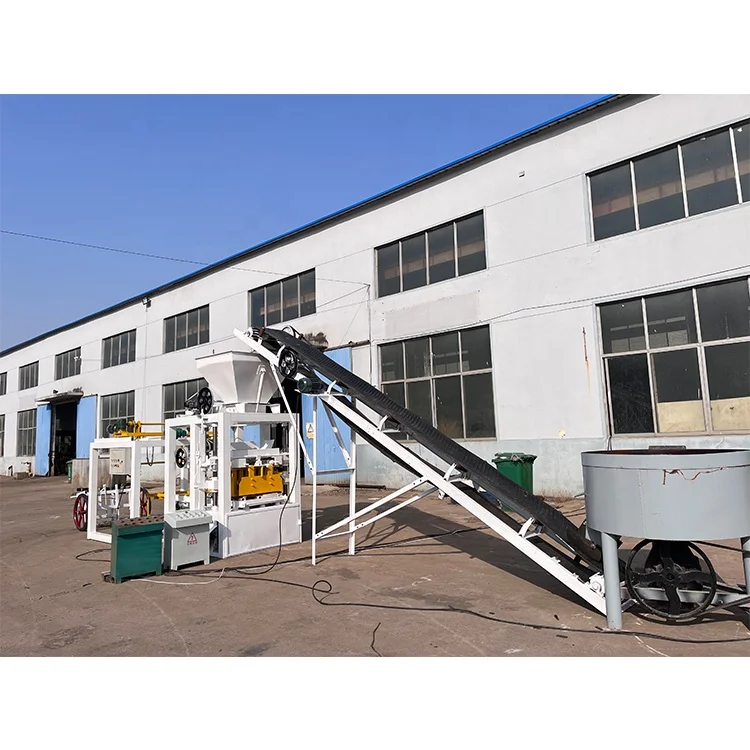
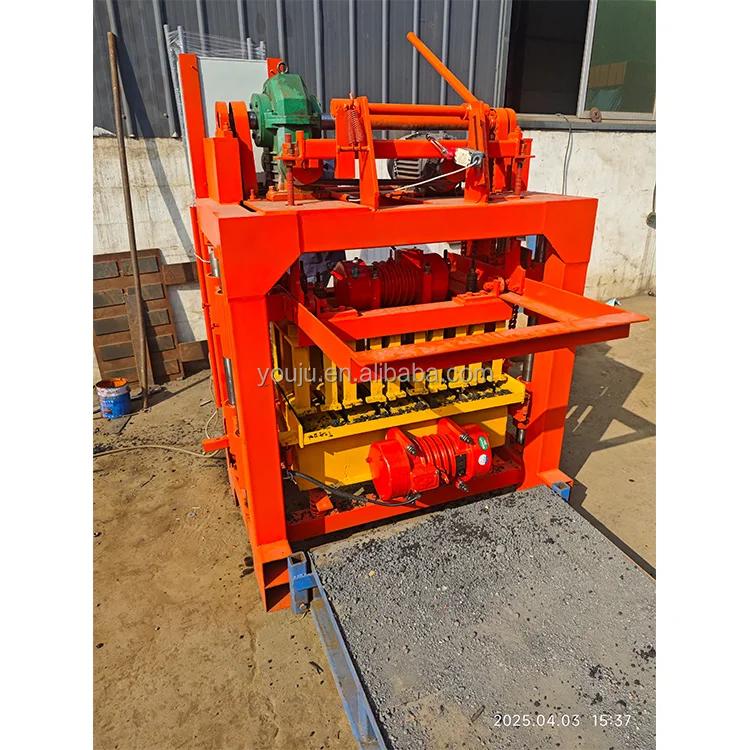
Dispatch-Ready Assembly — Every QT12-15 unit undergoes full electrical testing and precise dismantling for container loading before leaving the factory, ensuring rapid on-site reassembly for urgent projects.
Technical Specifications
| Parameter | Value |
|---|---|
| Model | QT12-15 |
| Product Type | Fully Automatic Concrete Block Making Machine |
| Forming Method | Hydraulic pressure |
| Automation Level | Yes |
| Voltage | Configurable according to customer local voltage |
| Overall Dimensions (L×W×H) | 935023202950mm |
| Net Weight | 10000 kg |
| Rated Pressure | 21 MPa |
| Main Vibration Form | Platform Vibration |
| Vibration Frequency | 2800-4500 r/min |
| Molding Cycle | 15-25 seconds (basis to be confirmed) |
| Overall Power | 62 kW |
| Pallet Size | 1350X900 mm |
| Core Components | PLC |
Application Suitability
| Application | Material or Output |
|---|---|
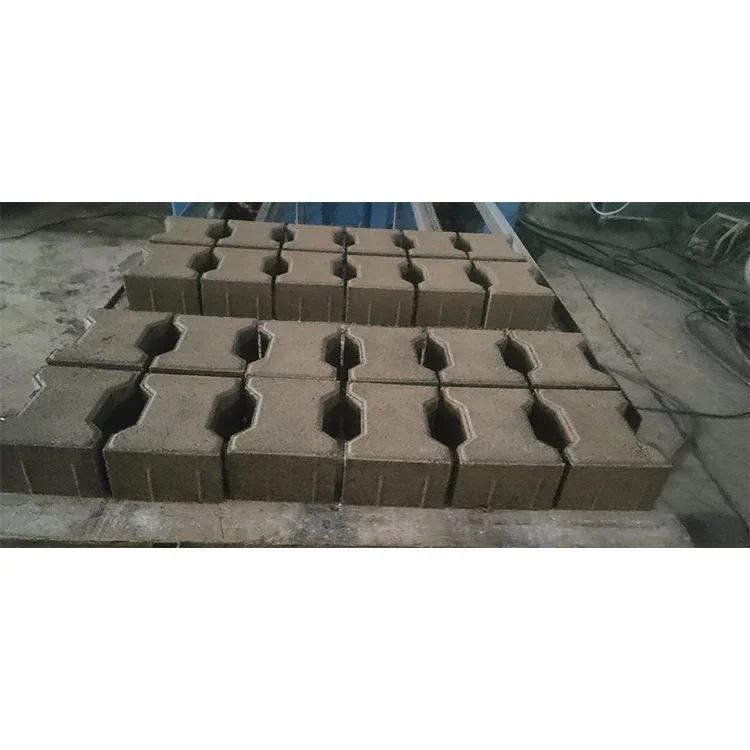
| Hollow block production | Cement, sand, and crushed stone aggregates |
| Paving block manufacturing | Concrete mixes with fine aggregates |
| Interlock and curbstone forming | Standard concrete raw materials |
Why Electrical Verification Precedes the QT12-15 Concrete Block Making Machine in Stock
Confirming local electrical standards before dispatch prevents a multi-week idle period on your project site.
I previously supported a contractor who rushed an order to meet a strict deadline. The machinery arrived on time, but the control cabinet could not be powered up because the local grid frequency and voltage differed from the factory default. The site sat idle while waiting for a step-down transformer, burning through three weeks of the schedule [NEED_CITE: common commissioning delays caused by voltage mismatch]. Securing the exact QT12-15 concrete block making machine in stock is only half the battle; matching the electrical parameters to your site’s actual supply ensures the equipment runs the moment it is reassembled.
Container Loading and Dispatch Readiness
When a project deadline is tight, manufacturing lead times are unacceptable. The primary advantage of securing a QT12-15 concrete block making machine in stock is the immediate transition to the shipping phase. The 935023202950mm footprint and 10000 kg weight are pre-calculated for standard ocean freight, allowing us to finalize the loading plan without waiting for custom engineering. The machine is systematically dismantled into modular sections that fit securely into standard containers, minimizing transit damage and speeding up the unloading process at your destination port.
Standard Pallet and Mould Availability
Beyond the main press, the supporting line components must also be ready to ship. The standard 1350X900 mm pallets are kept in inventory, meaning your curing area and forklift specifications can be matched immediately without waiting for custom fabrication. Standard mould formats for hollow and paving blocks are similarly stocked, allowing the QT12-15 concrete block making machine in stock to begin producing saleable inventory shortly after arrival [NEED_CITE: standard mould inventory for immediate dispatch]. This straightforward ordering process removes the typical bottlenecks associated with custom tooling manufacturing.
Interpreting the Press and Vibration Parameters
The 21 MPa rated hydraulic pressure works in tandem with the platform vibration system to compact the concrete mix. The vibration frequency, adjustable between 2800 and 4500 r/min, must be matched to the specific aggregate size and moisture content of your local materials to achieve the required block density. While the molding cycle is listed as 15-25 seconds, the actual time depends heavily on the block height and the specific mix design being used. The 62 kW overall power rating dictates the minimum transformer capacity your site must provide to handle the peak draw during the vibration and pressing phases simultaneously.
The Hidden Cost of Skipping Pre-Dispatch Verification
Failing to verify the PLC display language and control voltage before the crate leaves the factory leads to severe on-site friction. Operators cannot navigate the menus to adjust the 2800-4500 r/min vibration frequency if the interface is in an unsupported language, leading to improper compaction and weak blocks. Furthermore, if the 62 kW power requirement is not matched with the correct local frequency, the hydraulic pumps and vibration motors will overheat or fail to start [NEED_CITE: equipment damage from incorrect frequency supply]. These oversights turn a fast-tracked delivery into a prolonged troubleshooting exercise.
Why Source This Equipment Here
Our singular focus on block machinery means the main press, the 1350X900 mm pallets, and the handling equipment are specified as one matched system rather than assembled from disconnected suppliers. We verify the voltage and control language against your site data before the 10000 kg machine is dismantled for loading. Every unit undergoes a full factory test to ensure the 21 MPa hydraulic system holds pressure and the platform vibration operates correctly. We provide detailed packing photographs and container loading plans so you know exactly how the 935023202950mm assembly will arrive at your port.
Documentation & Verification
- Factory test record confirming hydraulic pressure and vibration function before dismantling.
- Voltage and PLC control language confirmation sheet signed off prior to dispatch.
- Machinery test report and video outgoing-inspection for your specific unit.
- Container loading plan detailing the dismantled sections and securing points.
- Operation manual covering the 1350X900 mm pallet feeding and handling sequence.
Installation, Commissioning & Support
- Foundation must support the 10000 kg static weight plus dynamic vibration loads.
- Dedicated power circuit required to handle the 62 kW overall power draw safely.
- Modular dismantling allows standard forklifts to unload the 935023202950mm sections.
- On-site reassembly includes leveling the platform vibration system for uniform compaction.
- Electrical team verifies local voltage against the control cabinet before initial power-up.
- Operator training covers PLC navigation and molding cycle adjustments for different formats.
Preparing Your Inquiry
To ensure the equipment matches your site conditions and arrives ready to run, please provide your local voltage and frequency standards alongside the required PLC display language. Specify the exact block formats you need from our stocked mould inventory to confirm immediate availability. Finally, share your port of destination so we can calculate the precise dispatch lead time and container loading arrangement for your deadline.
Frequently Asked Questions
Q: What is the current stock availability and dispatch lead time for the QT12-15?
A: The main press and standard mould formats are kept in inventory for immediate allocation. Once your electrical parameters and destination port are confirmed, the machine is dismantled and loaded into containers. This straightforward ordering process typically shaves weeks off standard manufacturing lead times, allowing us to provide an exact arrival estimate upfront.
Q: How is the machine dismantled and loaded into containers for fast shipment?
A: The 935023202950mm assembly is broken down into modular sections designed specifically for standard ocean freight containers. The 10000 kg weight is distributed to meet shipping regulations, and detailed packing photographs are provided. This pre-planned dismantling ensures rapid unloading and reassembly when the equipment reaches your project site.
Q: Which standard mould formats are currently in stock and ready to ship?
A: We maintain an inventory of standard moulds for common hollow blocks, paving blocks, and interlocking formats. These are matched to the 1350X900 mm pallet size and can be dispatched alongside the main press. This eliminates the wait for custom tooling fabrication, allowing you to start production immediately upon commissioning.
Q: How do we confirm voltage and PLC language before the machine leaves the factory?
A: During the inquiry stage, we require your exact local voltage, frequency, and preferred operator language. These parameters are hardwired into the control cabinet and verified during the outgoing inspection. This strict verification prevents the costly delays and idle site time that occur when electrical mismatches are discovered after arrival.