Description
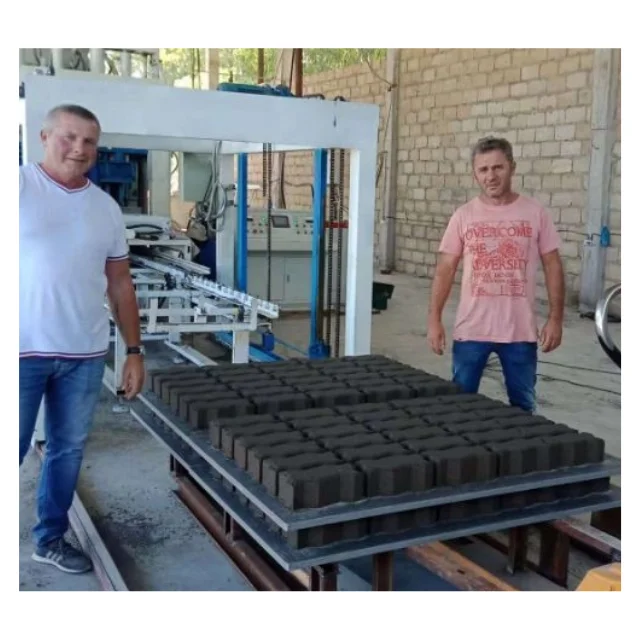
Stocked QT12-15 units ready for dispatch — factory-tested before loading, with container plans and arrival timing confirmed at order so project schedules hold.
Technical Specifications
| Parameter | Value |
|---|---|
| Model | QT12-15 |
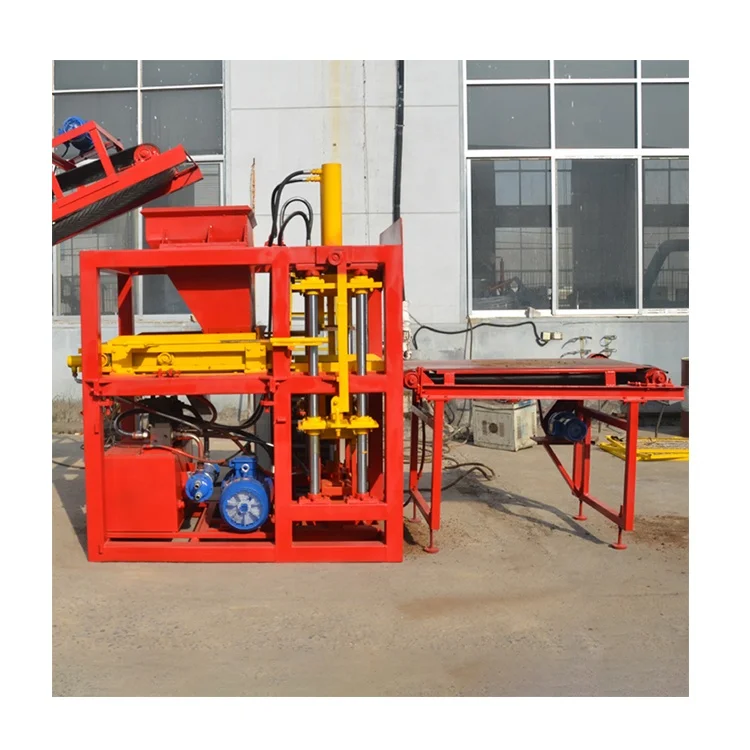
| Product Type | Automatic Concrete Block Making Machine |
| Overall Dimensions (L×W×H) | 9350 x 2520 x 2950 mm |
| Total Mass | 12,000 kg |
| Overall Power | 52 kW |
| Pallet Size | 1300 x 900 mm |
| Molding Cycle | 15–25 s (basis not stated in source — confirm block format and material) |
| Vibration Form | Platform vibration |
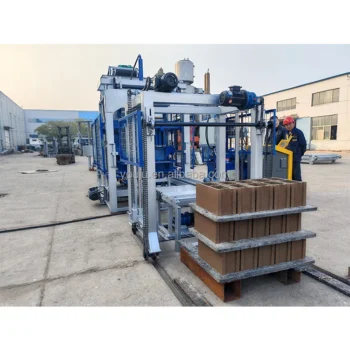
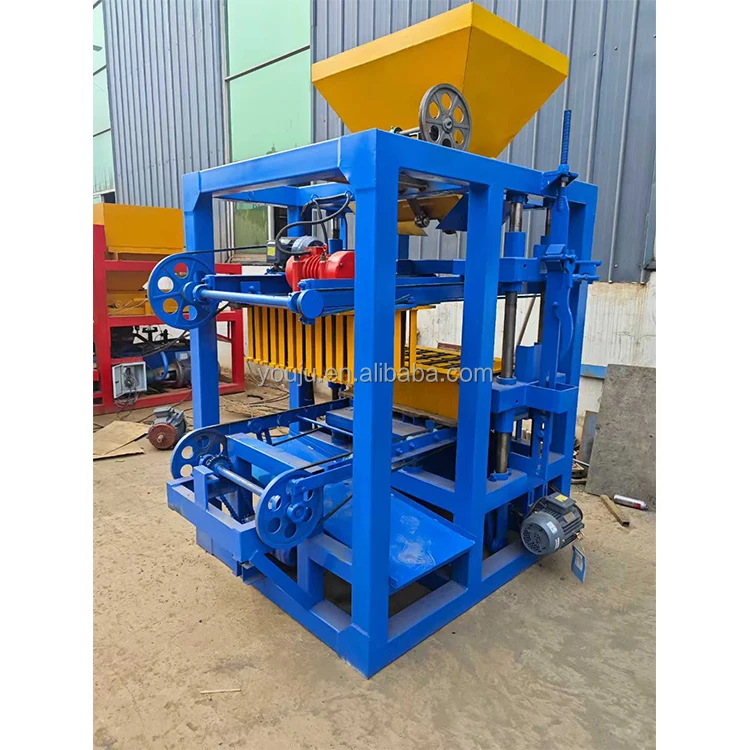
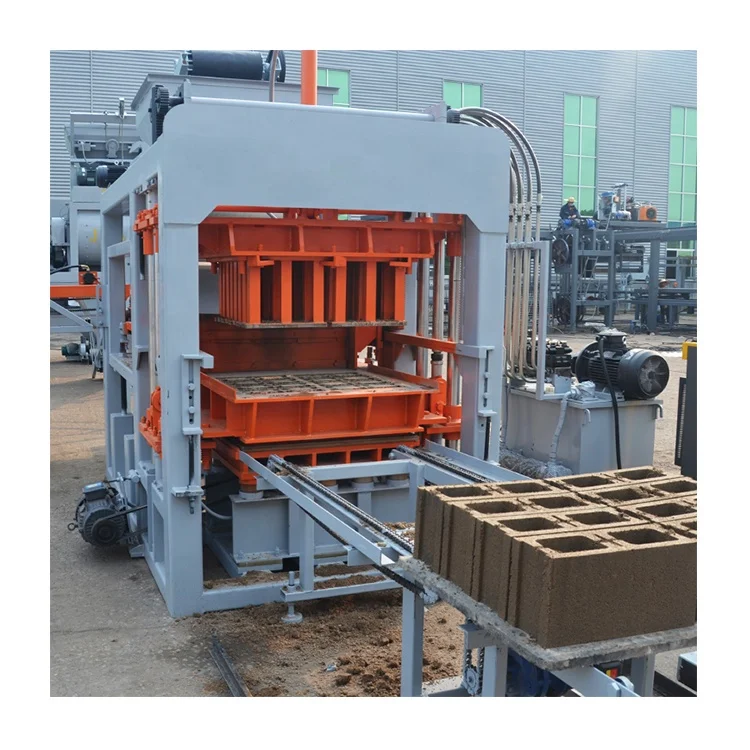
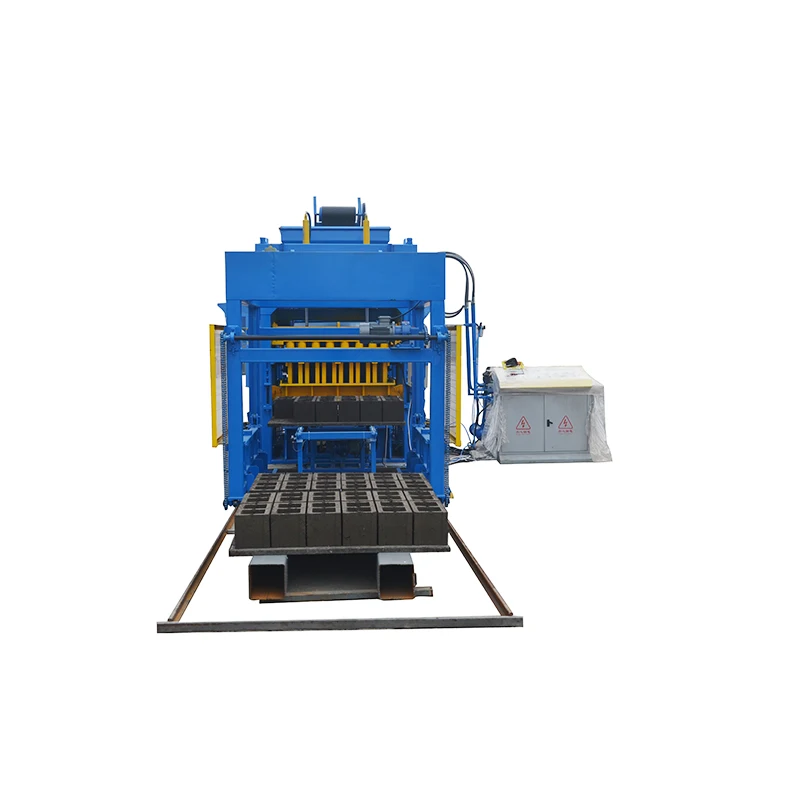
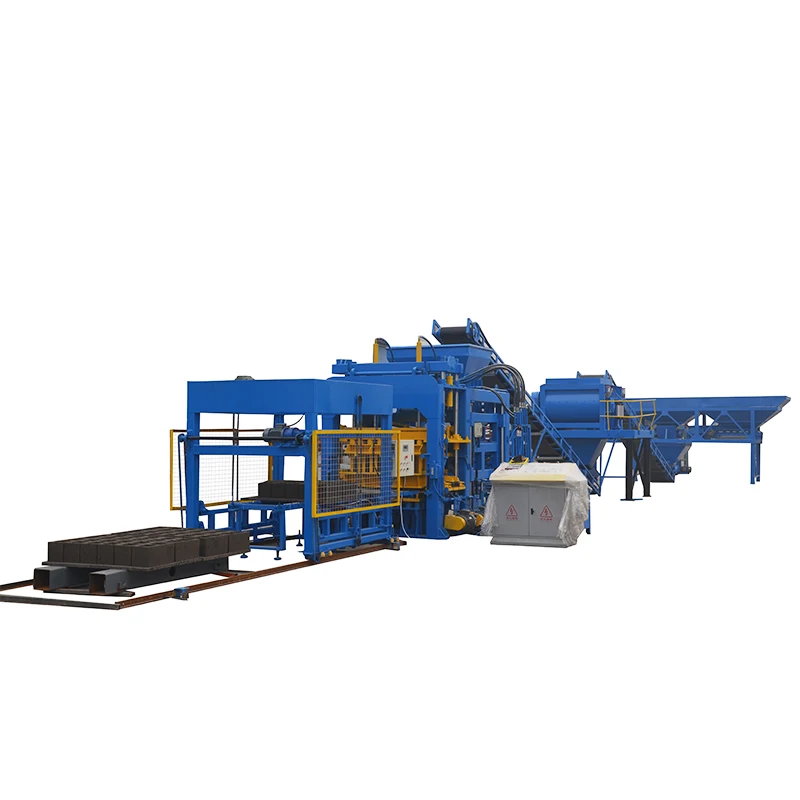
| Core Composition | Pallet feeder, molding machine, storage hopper, block conveyor, hydraulic station, electrical PLC cabinet |
| Simple Line Configuration | PL1200 batching machine, JS500 or JS750 mixer, 8 m conveyor belt, stacker |
| Automation Level | Automatic with integrated pallet feeding and block conveying |
| Raw Materials | Fly ash, slag, gangue, river sand, gravel, cement, industrial waste |
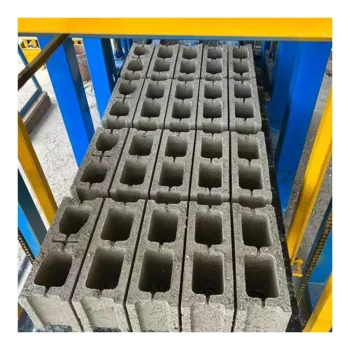
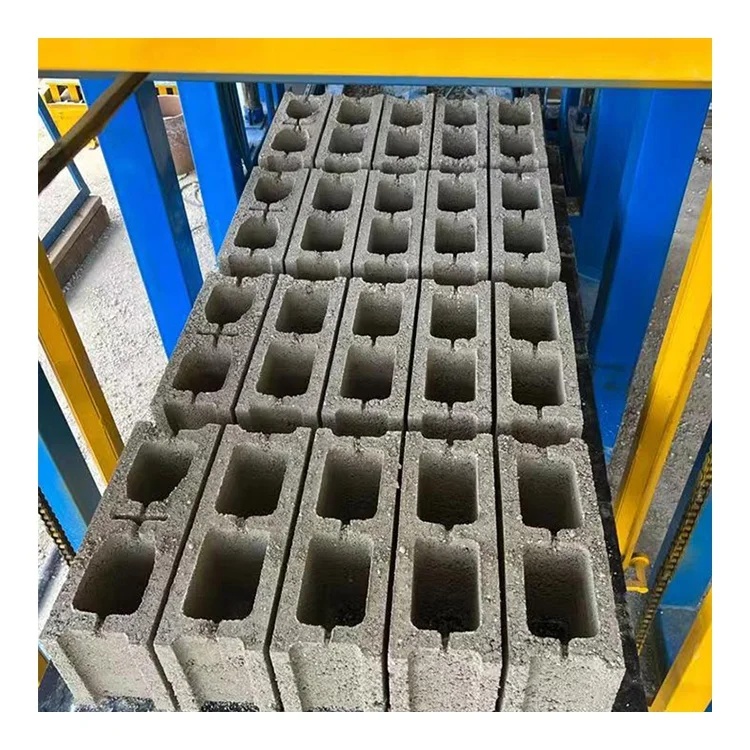
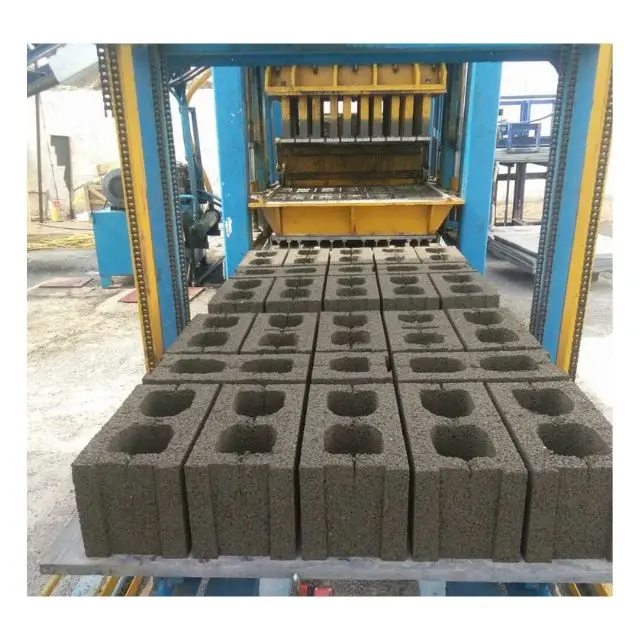
| Mould Formats | Hollow block, standard brick, pavement brick, road kerb, slope protection brick, planting grass brick (custom mould by buyer drawings available) |
| Voltage & Frequency | Configurable — confirm before shipment |
| Control System | PLC cabinet (language options to be confirmed) |
Application Suitability
| Application | Material or Output |
|---|---|
| Hollow block production for masonry walls | Fly ash, slag, river sand blended with cement |
| Pavement block manufacturing for walkways and yards | Crushed gravel and cement with color pigment option |
| Road kerb and curb stone forming | Coarse aggregate and cement mix |
| Slope protection and retaining wall blocks | Gangue or industrial waste with cement binder |
| Grass planting bricks for landscaping | River sand and cement with open-cell mould design |
Why the Dispatch Clock Starts Before You Pay
Buyers on a project deadline cannot afford a machine that arrives late or arrives wrong. The QT12-15 concrete block machine in stock means the unit is built, tested, and staged — not waiting on a production slot. Confirming stock status and container loading method at inquiry stage keeps the site timeline intact.
I have seen contractors lose weeks because a block machine was quoted as "available" but actually sat at the component stage, needing another production run before shipping. Others arrived with voltage mismatches that stalled commissioning until a transformer was sourced locally [NEED_CITE: voltage and frequency standards by export market]. When a site is waiting for blocks to start laying walls, those delays cascade into every trade downstream.
Stock Status and Dispatch Lead Time
When a buyer needs the QT12-15 concrete block machine in stock for fast delivery, the first question is whether the unit is fully assembled and factory-tested or still in sub-assembly. Our stocked models complete a dry-run cycle on the production floor before being dismantled for container loading. This means the hydraulic station, PLC cabinet, and vibration platform have already operated together as one system, reducing on-site commissioning surprises.
Container Loading and Dismantling Method
The QT12-15 breaks down into components that fit standard shipping containers. The molding machine frame, hydraulic station, pallet feeder, and PLC cabinet are each secured separately to prevent transit damage. A loading plan is provided before the order is finalized, so the buyer knows exactly how many containers are required and how the machine will be reassembled on arrival [NEED_CITE: container loading standards for heavy industrial machinery].
Arrival Estimate Quoted Before Order
Shipping time varies by destination port, but the estimate is provided at the quotation stage — not after payment. This lets project-deadline buyers align the QT12-15 arrival with their site preparation schedule. Foundation work, electrical rough-in, and raw material stockpiling can proceed in parallel with ocean transit rather than waiting for a vague delivery window.
Reading the Specs That Actually Matter on Site
Platform vibration on the QT12-15 transfers force directly through the pallet, compacting the mix from below. This method suits larger pallet formats like the 1300 x 900 mm size here, where top-only vibration would leave uneven density across the block face. The 52 kW overall power rating covers the hydraulic pump, vibration motor, conveyor drive, and PLC cabinet simultaneously — a figure that matters when sizing the site’s main electrical supply. Molding cycle of 15–25 seconds varies with block format and material thickness; a tall hollow block requires longer vibration than a thin pavement brick. Confirming which format the cycle time assumes prevents the common mistake of sizing daily output to the fastest possible cycle rather than the one the buyer will actually run most days.
What Happens When Arrival Timing Is Left to Chance
A block machine ordered without a confirmed dispatch date becomes a moving target for the entire construction schedule. Masons are hired, aggregate is delivered, and curing space is prepared — all while the machine is still in production. I have watched a housing project stall because the block supply chain depended on a machine that was still being built when the walls were supposed to be going up [NEED_CITE: construction project delays from equipment lead time]. The stacking area sat empty, labor costs accumulated, and the contractor had to buy blocks from a competitor at retail price just to keep the site moving.
Why Source This Machine Through Our Stock Channel
Block machinery is our single focus, which means the QT12-15 is specified as part of a matched system — mould, pallet, handling, and press — rather than assembled from unrelated suppliers. Stocked units have already passed a factory test cycle, so the buyer receives a machine with verified hydraulic and electrical function rather than one that is powered on for the first time at their site. Container loading plans are prepared by the same team that dismantles the press, so reassembly instructions match the actual shipping configuration. Voltage, frequency, and PLC display language are confirmed before dispatch, eliminating the commissioning delay that occurs when a control panel arrives in the wrong language or a motor wired for the wrong frequency. Arrival estimates are based on actual port-to-port transit data, not optimistic guesses.
Documentation & Verification
- Factory test record showing cycle run on the pallet size and mould format included with the order
- Machine specification sheet confirming overall dimensions, mass, and power rating before shipment
- Container loading plan with dismantling sequence and securing method for each component
- Voltage and frequency confirmation document signed off before production release
- Operation and maintenance manual matching the PLC language selected by the buyer
- Mould format list and drawing for every block type included in the shipment
Installation, Commissioning & Support
- Foundation pad must accommodate 9350 x 2520 mm footprint with clearance for pallet feeder and conveyor
- 52 kW total power requires a dedicated circuit with voltage matching the confirmed order specification
- Machine arrives dismantled per the loading plan; reassembly follows the included sequence guide
- First production run verifies cycle timing against the buyer’s actual block format and mix design
- Operator training covers PLC controls, mould change procedure, and daily maintenance checkpoints
- Wear parts list identifies hydraulic seals, vibration springs, and pallet contact surfaces for reorder planning
What to Include in Your Inquiry
To match the right stocked QT12-15 to your site, send the target block format, required daily output, local voltage and frequency, and PLC language preference. If you have a specific aggregate source, include a material sample description so the mix can be evaluated against the machine’s vibration and pressure settings.
Frequently Asked Questions
Q: Is the QT12-15 shipped from stock or built to order?
A: Stocked QT12-15 units are available for dispatch after a factory test cycle. Built-to-order units follow a production schedule confirmed at inquiry. We clarify stock status during the initial conversation so buyers know whether the machine is staged or still needs manufacturing time before container loading.
Q: How many containers does the QT12-15 require for shipment?
A: The machine dismantles into components for standard container loading. The exact number of containers depends on which line accessories are included. A detailed loading plan is provided before the order is placed so the buyer can budget freight accurately.
Q: What arrival estimate should I plan for?
A: Transit time depends on the destination port and shipping route. We quote an arrival estimate at the quotation stage based on current ocean freight schedules, allowing buyers to align site preparation, electrical work, and raw material delivery with the machine’s expected arrival date.
Q: Does the quoted cycle time apply to every block format?
A: The 15–25 second molding cycle varies with block height, wall thickness, and material composition. We confirm realistic cycle time for each specific mould format the buyer plans to run, so daily output expectations match actual production conditions on site.
Q: Are voltage and PLC language set before the machine ships?
A: Yes. Voltage, frequency, and PLC display language are confirmed with the buyer before dispatch. This prevents commissioning delays caused by mismatched electrical supply or an unreadable control interface when the QT12-15 arrives at the job site.