Description
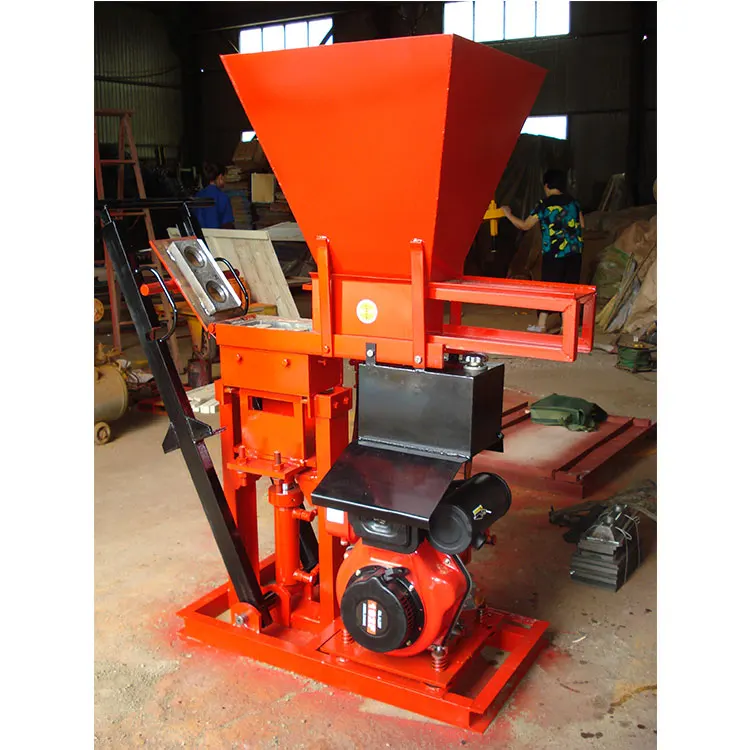
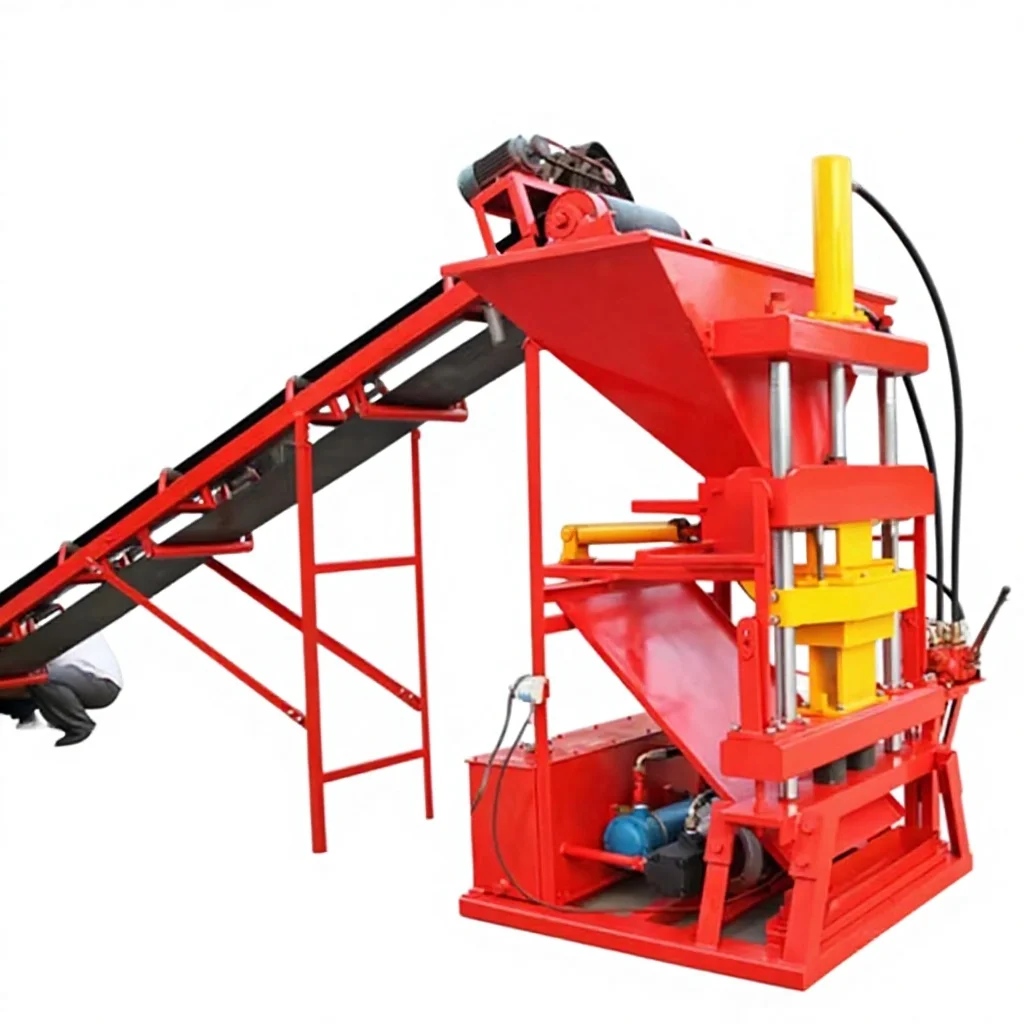
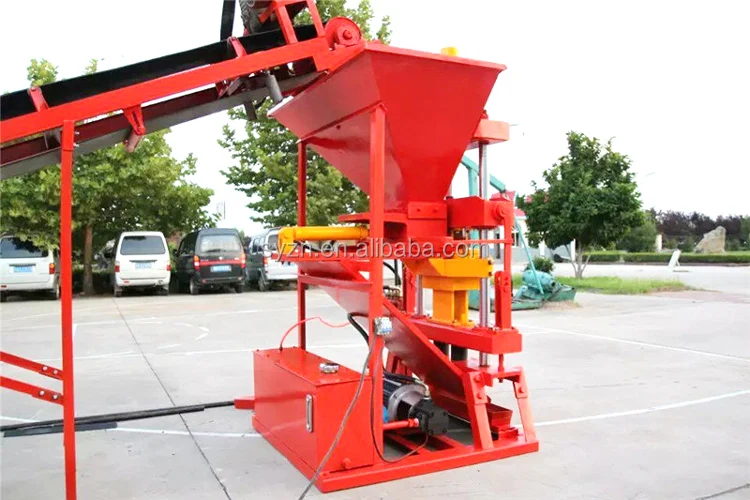
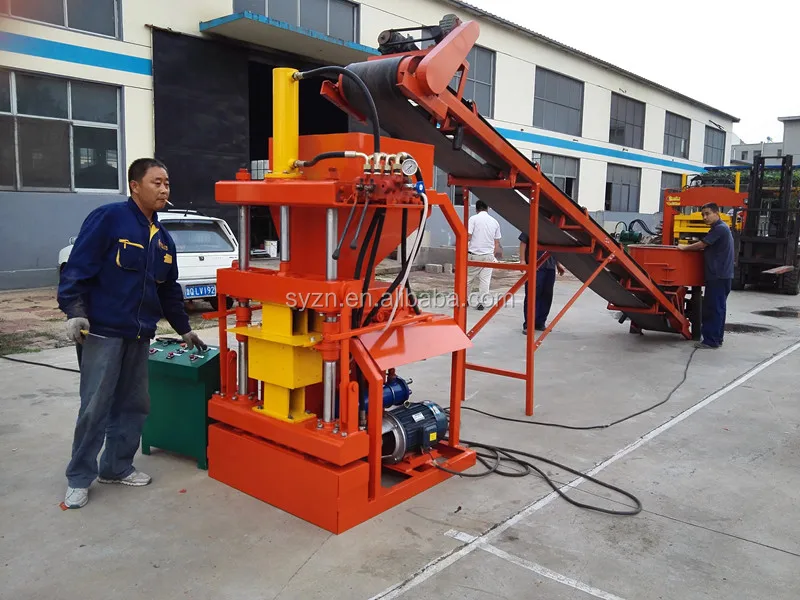
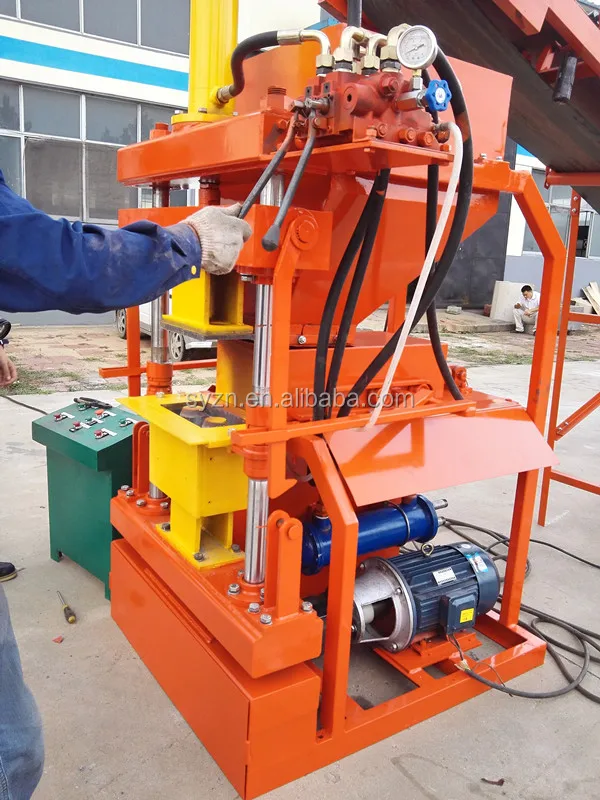
Dispatch-Ready Stock — The ECO 2700 interlocking clay brick machine is built, tested, and sitting in the yard for container loading, giving you a confirmed ship date instead of an open-ended production queue.
Technical Specifications
| Parameter | Value |
|---|---|
| Model | ECO 2700 |
| Product Type | Interlocking Clay Brick Making Machine |
| Overall Dimensions (L×W×H) | 1600 × 1300 × 2330 mm |
| Net Weight | 1100 kgs |
| Rated Power | 7.5 kW / 12 hp diesel engine |
| Hydraulic Pressure | 16 MPa |
| Molding Cycle | 10–15 s (basis not stated in source — confirm block format / material / thickness) |
| Output Capacity | 2800 pcs/day (basis not stated in source — confirm block format / material / thickness) |
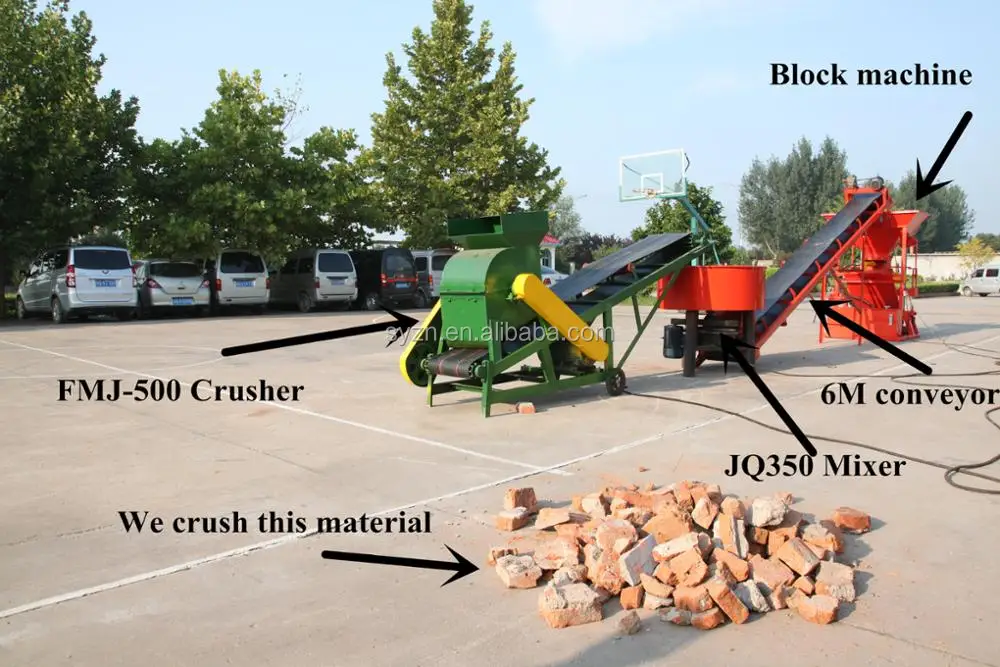
| Raw Materials | Clay, Cement, Sand, Soil, Shale, Fly ash, White lime |
| Hydraulic Cooling | Automatic temperature-controlled switch |
| Block Compressive Strength | Above 12 MPa (for interlocking bricks) |
| Mould Change System | Manual bolt-release with adjustable gap (0.5 mm recommended) |
| Control System | Electrical control with imported or domestic branded components |
| Voltage & Frequency | To be confirmed before order |
| PLC / Automation Level | To be confirmed before order |
| Pallet Size | To be confirmed before order |
| Key Features | Diesel engine drive, changeable moulds, hydraulic press, automatic hydraulic cooling |
Application Suitability
| Application | Material or Output |
|---|---|
| On-site interlocking brick production for housing projects | Clay and soil blended with cement, using locally sourced earth |
| Small-yard paver and solid block runs | Sand, fly ash, and white lime mixes in low-volume batches |
| Off-grid construction sites with no stable electrical supply | Diesel-powered pressing using shale or crusher dust aggregates |
| First-time brick yard startups with limited capital | Standard interlocking formats from clay-cement blends |
Why "2800 Pieces per Day" Should Never Be Taken at Face Value
Capacity numbers mean nothing until you know which block format they were measured on.
I have watched buyers sign off on an ECO 2700 interlocking clay brick machine in stock based on a daily output figure, then discover on commissioning day that the number assumed a thin paver while they needed a full-depth interlocking block — cutting real throughput nearly in half. The molding cycle and hydraulic stroke behave differently across formats, materials, and thicknesses. A clay mix with low sand content compresses and releases differently from a fly ash blend, shifting the cycle time and the achievable daily count. Always ask for a written capacity calculation that names the exact block format, mix ratio, and curing assumption behind the number [NEED_CITE: block format assumptions in capacity quotations].
What Stock Availability Actually Means for Your Project Timeline
When a supplier tells you an ECO 2700 interlocking clay brick machine in stock is ready, the real question is what "ready" covers. A unit sitting in the yard still needs mould matching to your block format, hydraulic fluid fill, electrical panel verification against your site voltage, and a container loading plan that accounts for the 1100 kg net weight and 2330 mm height. Fast dispatch only matters if the machine arrives configured for your actual production conditions rather than a generic factory default.
Container Loading and Dismantling for Shipment
The 1600 × 1300 × 2330 mm frame and 1100 kg weight place this machine within standard container limits, but the hydraulic power pack, diesel engine, and control panel each require secure crating and bracing to survive ocean transit. Dismantling the press from the hydraulic station reduces the shipping footprint and protects sensitive components. Buyers working to a project deadline need the packing photographs and loading plan confirmed before the container doors close, not after [NEED_CITE: container loading standards for hydraulic brick presses].
Reading the Specs That Actually Matter on Site
The 16 MPa hydraulic pressure determines how densely the clay-cement mix is compressed into the mould cavity, directly influencing whether the interlocking brick holds above the 12 MPa compressive strength threshold after curing. Pressure alone is not enough — the mix design and moisture content must suit the pressure rating, or the brick cracks on ejection. The automatic temperature-controlled cooling switch on the hydraulic circuit prevents fluid degradation during back-to-back cycles in hot climates, keeping pressure consistent across a full production day. The 7.5 kW diesel engine eliminates dependency on grid stability, which matters on remote housing sites where three-phase power is unreliable or absent. Mould changeover via manual bolt-release with a 0.5 mm adjustable gap means a format switch is possible within a short window, though it still requires a trained operator rather than a push-button swap.
The Hidden Cost of Skipping Raw Material Verification
Last year a buyer in the Middle East ordered an interlocking brick press configured for standard sand-clay ratios, only to find on arrival that local soil had almost no sand content. The bricks crumbled under pressure, and it took weeks of remote adjustments to stabilize output. That delay cost more than any price negotiation ever saved. When you are buying a machine against a construction deadline, the mix must be validated before the machine ships, not after [NEED_CITE: soil composition variability in interlocking brick production].
Why Buyers Source This Machine Here
Block machinery is the single focus of this operation, so the ECO 2700 ships as a matched system — press, mould, and handling specified together rather than assembled from separate vendors. Stock units are photographed with serial numbers before dispatch, so buyers see exactly what is going into the container. Mould formats are selected against the buyer’s market demand, and custom mould drawings are available when standard formats do not match local building codes. Voltage, frequency, and control language are confirmed before production locks in, avoiding the commissioning delays that plague unverified shipments. Documentation arrives with the machine, not weeks later by email.
Documentation & Verification
- Stock photograph with serial number confirming the exact unit allocated to your order
- Factory test record run on your specified clay or soil mix before container loading
- Container loading plan with dismantling sequence and bracing detail for ocean freight
- Voltage and frequency confirmation sheet signed off before electrical panel wiring
- Packing photographs showing crating condition at the moment of dispatch
- Customs documentation package matched to destination country import requirements
Installation, Commissioning & Support
- Foundation pad must support the 1100 kg net weight plus dynamic hydraulic press loads during operation
- Diesel engine requires fuel supply and exhaust ventilation planning for enclosed or semi-enclosed sites
- Hydraulic station reconnects to the press frame on arrival with factory-marked hose and fitting points
- First production run validates mould gap setting at 0.5 mm and confirms cycle timing against your mix
- Operator training covers bolt-release mould change procedure and temperature-controlled cooling switch monitoring
- Wear parts list identifies hydraulic seals and mould liners with reorder intervals based on production volume
What to Include in Your Inquiry
Send your target block format with dimensions, the local clay or soil composition you plan to use, and your daily output requirement so the capacity calculation reflects your actual product. Confirm your site voltage and frequency, and note whether you have existing pallets or curing racks the machine needs to match. If you are working to a project deadline, state the required arrival date so the dispatch schedule can be measured against it.
Frequently Asked Questions
Q: Is the ECO 2700 physically in stock, and what is the actual dispatch lead time from payment?
A: Stocked units are built and held in the yard, not scheduled for production. After payment confirmation and final specification sign-off, the unit is allocated, photographed with its serial number, and prepared for container loading. Dispatch timing depends on container availability and customs clearance scheduling at the port, which is quoted upfront rather than estimated vaguely.
Q: Which block format is the 2800 pcs/day capacity based on, and how does output change with different moulds?
A: That figure requires confirmation against a specific block format, material mix, and thickness. A thin paver cycles faster than a full-depth interlocking brick, so output shifts with every mould change. Request a written capacity calculation per format before committing the machine to a project schedule.
Q: How is the machine dismantled and loaded for container shipment?
A: The hydraulic power pack, diesel engine, and control panel are separated from the press frame to reduce shipping volume and protect sensitive components. Bracing and crating secure each element for ocean transit. A container loading plan with packing photographs is shared before the container is sealed.
Q: Are standard interlocking brick moulds included in the stocked unit, or must they be ordered separately?
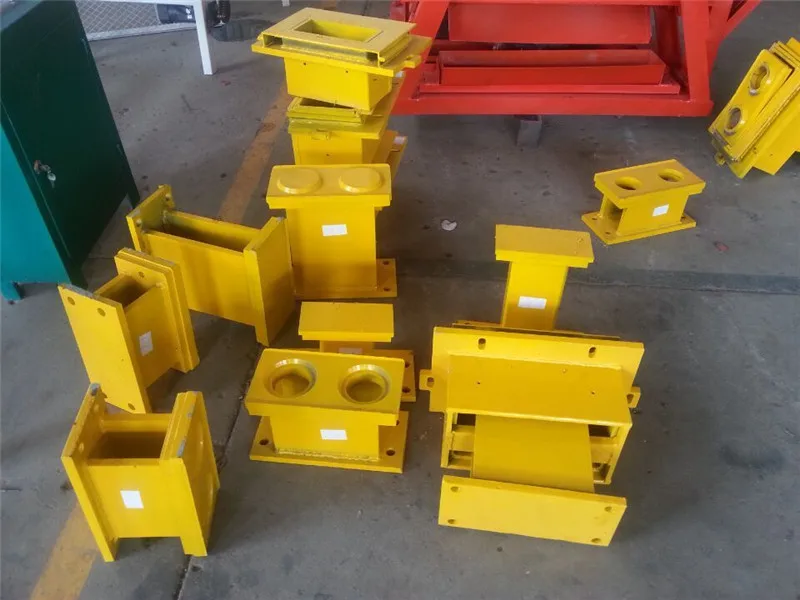
A: Stocked units can include standard interlocking moulds, but the format must match your local market requirements. If your region uses a specific interlocking profile or dimension, confirm the mould specification before the machine is allocated to ensure the right tooling ships with the press.
Q: What customs documentation and packing records are provided for destination clearance?
A: The shipment includes packing photographs, a commercial invoice matched to the destination country’s import classification, and a CE declaration where applicable. Additional customs paperwork is prepared based on the importing country’s specific requirements, confirmed before dispatch.