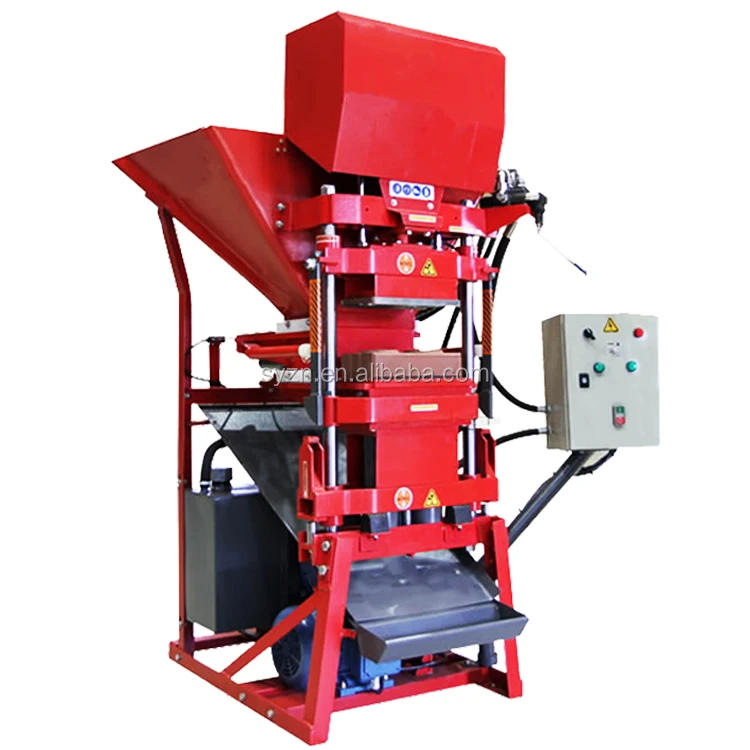
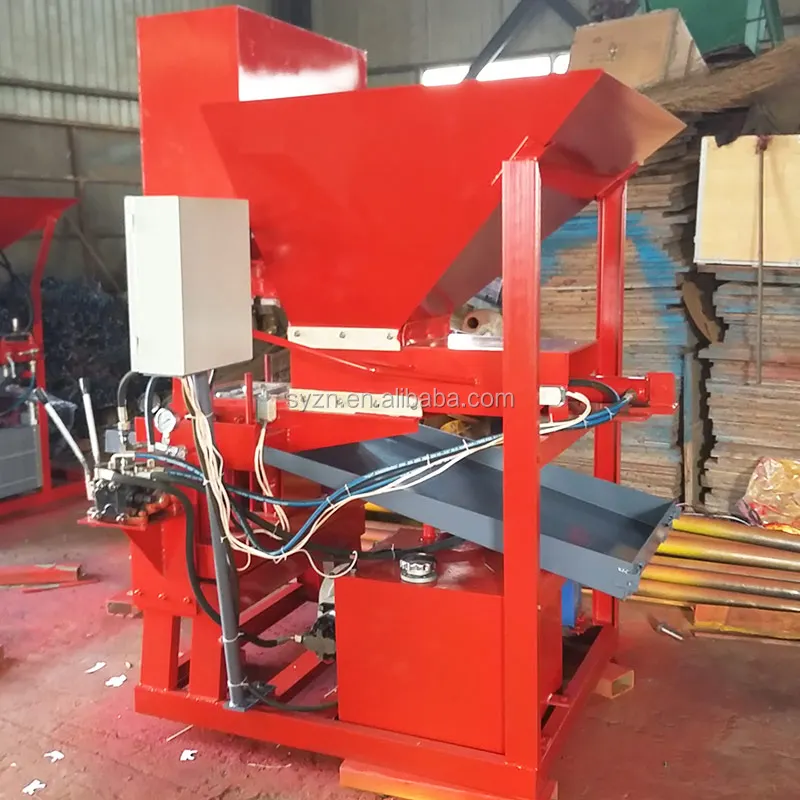
Description
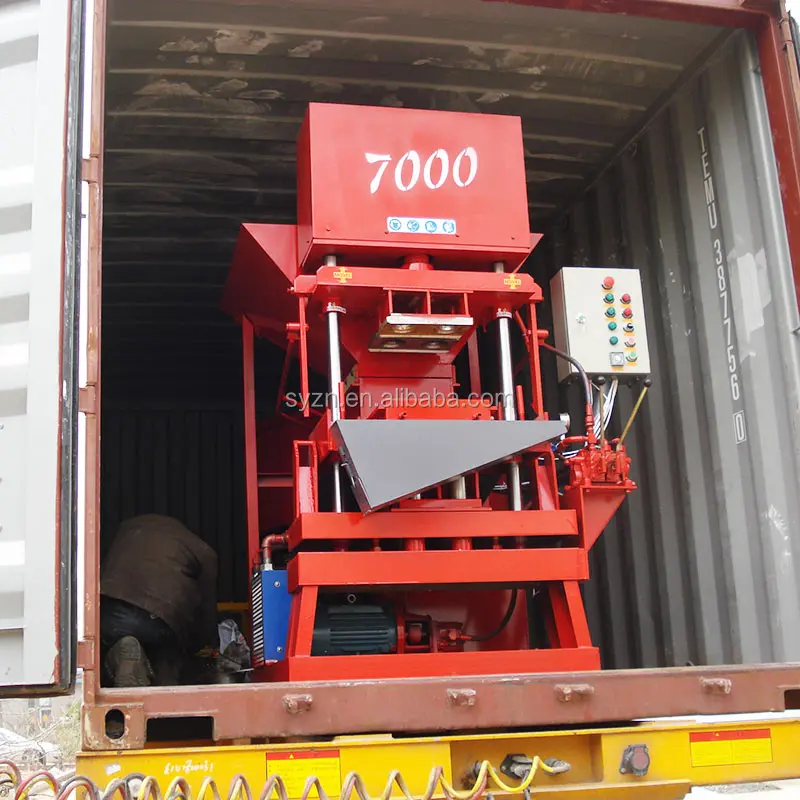
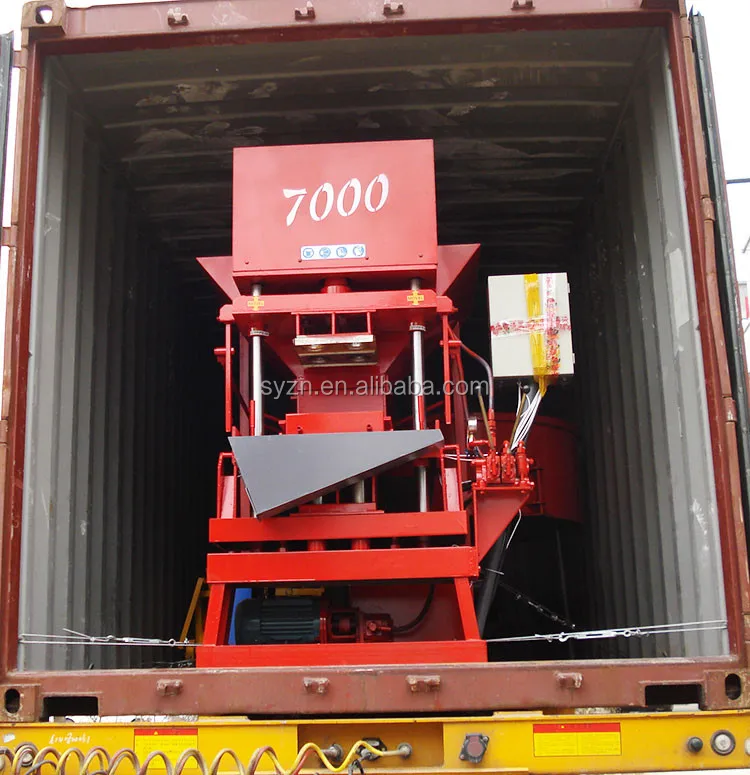
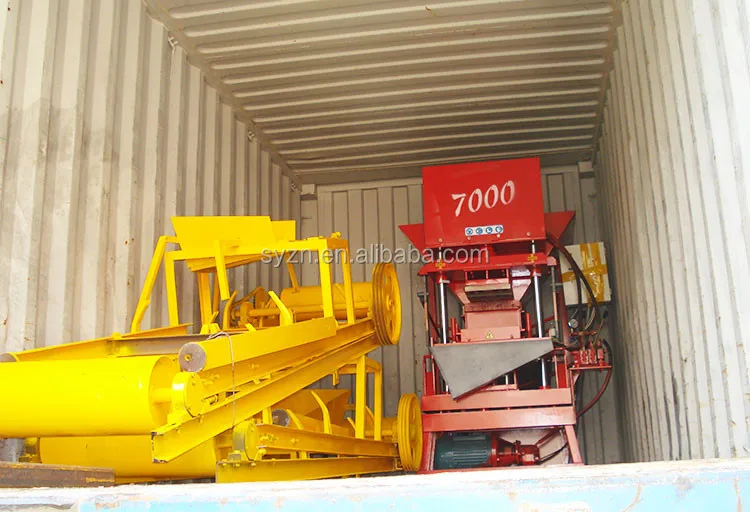
Stocked dispatch within one week — Eco Master 7000 units are assembled, tested, and staged for container loading so project timelines stay intact from order to arrival.
Technical Specifications
| Parameter | Value |
|---|---|
| Model | Eco Master 7000 |
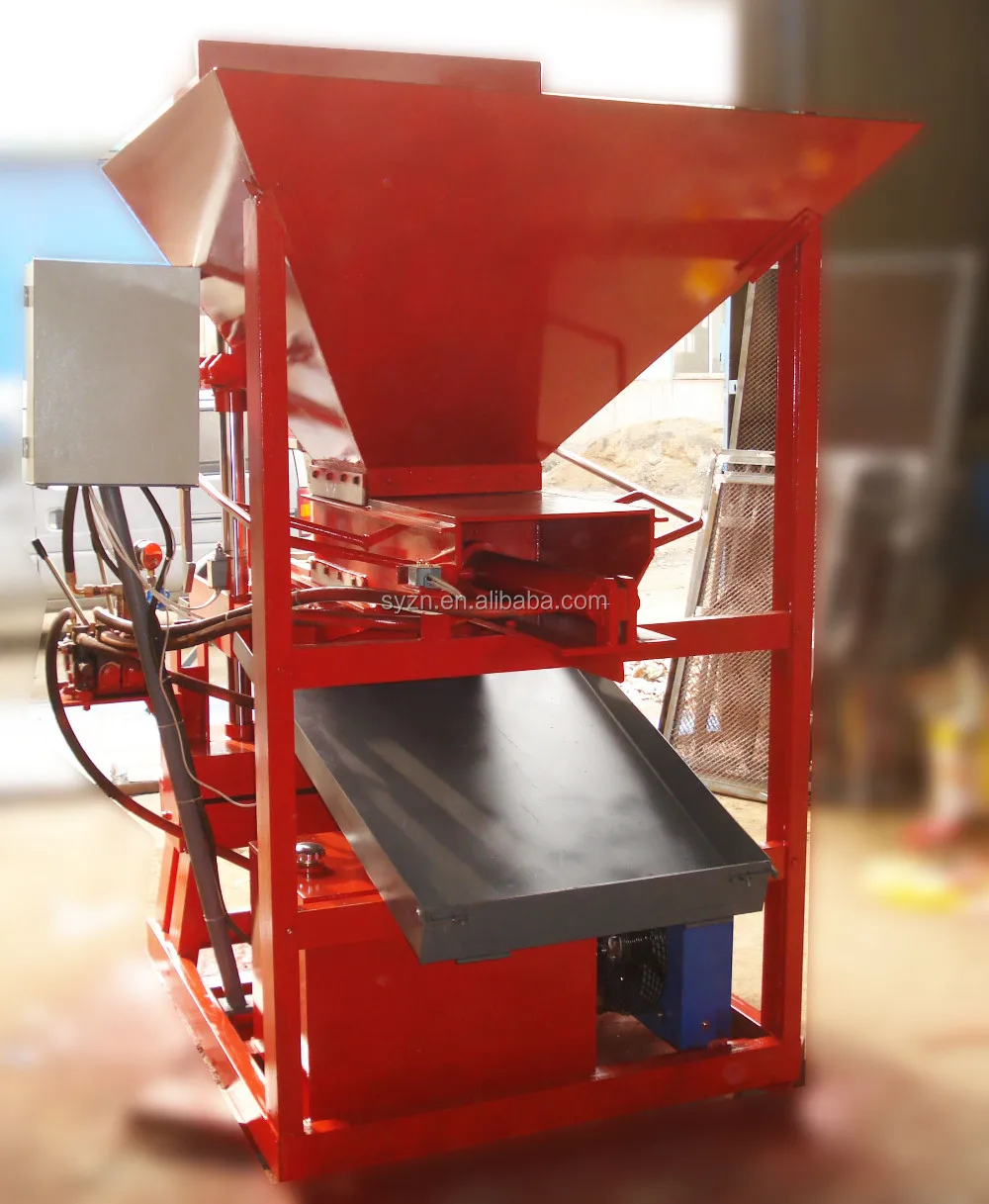
| Product Type | Hydraulic Interlocking Block Making Machine |
| Overall Dimensions (L×W×H) | 1660×1400×2380 mm |
| Net Weight | 1300 kg |
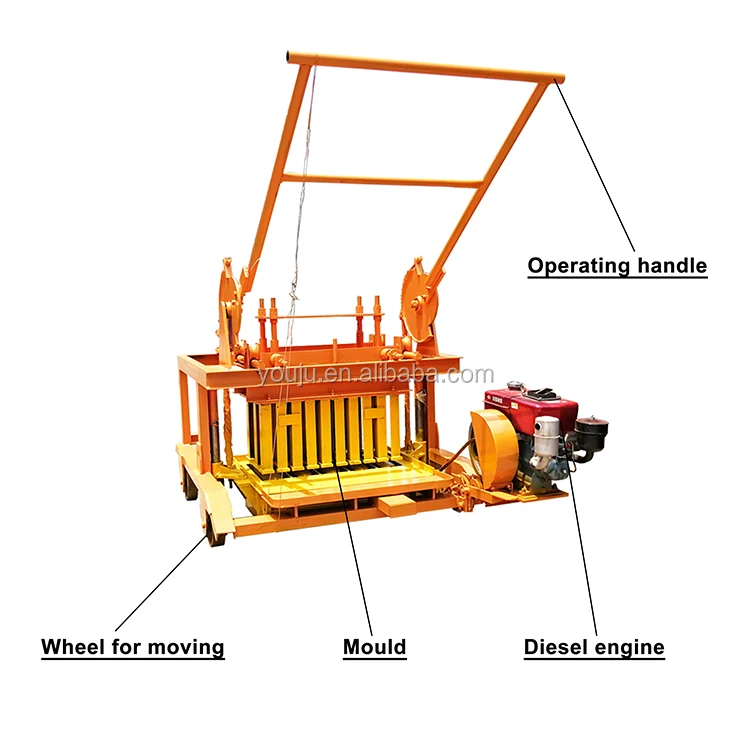
| Power Source | Electric motor or Diesel engine |
| Rated Power | 7.5 kW (electric) / 12 HP (diesel) |
| Voltage & Frequency | 380V, 3-phase, 50Hz (customizable to local voltage) |
| Hydraulic Pressure | 16–21 MPa |
| Cycle Time | 10–15 s |
| Output — 300×150×100 mm block | 2 pcs/mould, 720 pcs/h, 5760 pcs/day (8h) |
| Output — 250×125×60 mm block | 2 pcs/mould, 720 pcs/h, 5760 pcs/day (8h) |
| General Output Capacity | 4000–6000 pcs/day (8h) (basis not stated in source — confirm block format) |
| Pallet Requirement | None (pallet-less egg-laying type) |
| Automation Level | Available in semi-automatic and automatic configurations |
| Mould Formats | Interlocking brick 300×150×100 mm / 250×125×60 mm |
| Raw Material Compatibility | Clay + cement (6–8% cement, 80–90% clay, 3% water) or full clay (97% clay, 3% water) |
| Assembly State | Fully assembled, nude packed in container |
| Warranty | 1 year (excluding wearing parts) |
Application Suitability
| Application | Material or Output |
|---|---|
| On-site housing project production | Clay-cement interlocking blocks laid directly on compacted ground |
| Compressed earth block manufacturing | Full-clay mix at 97% clay content for load-bearing walls |
| Small-scale paver and interlocking brick setup | Diesel-powered operation in off-grid development zones |
| First block plant for entrepreneurs | Low-footprint egg-laying layout requiring no pallet investment |
Why Dispatch Timing Matters More Than the Sticker Price
An interlocking block machine in stock and ready to load beats a cheaper quote that ships eight weeks late when the project deadline is already burning.
I have seen contractors secure a machine at a favorable price, only to watch the rainy season swallow two months of production while the unit sat in transit. The Eco Master 7000 is staged for fast delivery so the gap between payment and first block on the ground stays short. When you are working against a housing handover date or a contractor milestone, lead time is not a footnote — it is the specification that decides whether the equipment earns its keep [NEED_CITE: typical project scheduling risks from delayed equipment arrival in remote construction sites].
Rapid Container Loading for Time-Sensitive Projects
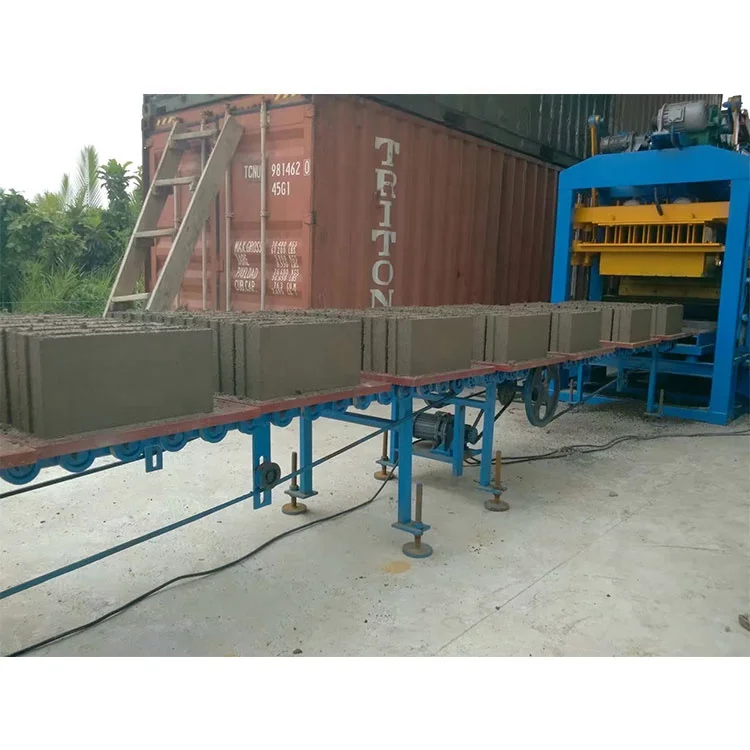
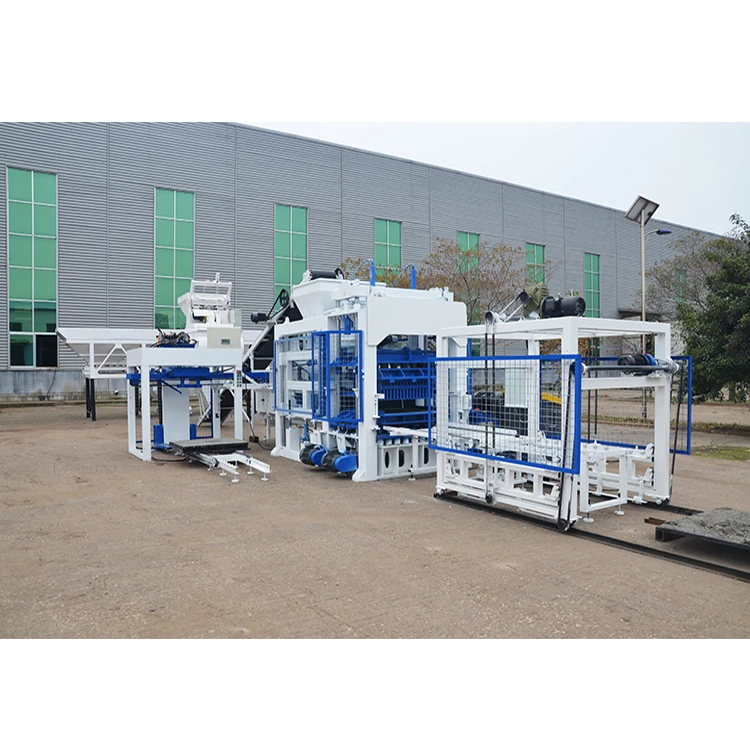
The Eco Master 7000 ships fully assembled in a 20 ft container with line equipment, or as a wooden-crate standalone unit for LCL freight. At 1300 kg and 1660×1400×2380 mm, it clears container door dimensions without dismantling. This interlocking block machine in stock status means dispatch is arranged within one week of balance payment, cutting the usual waiting period that stalls site mobilization.
Dual Power Options for Off-Grid Sites
Not every development site has stable three-phase power during the construction phase. The Eco Master 7000 addresses this with an electric motor rated at 7.5 kW or a 12 HP diesel engine. I have coordinated shipments where the buyer switched from electric to diesel two weeks before loading because the local utility confirmed grid connection would miss the project window. Having both options available from the same chassis removes a procurement bottleneck that typically forces buyers into a second sourcing cycle [NEED_CITE: infrastructure availability challenges in greenfield housing developments].
Pallet-Less Operation Eliminates Hidden Handling Costs
The egg-laying design presses interlocking blocks directly onto the ground, removing pallets from the equation entirely. This changes the site logistics profile: no pallet purchase, no pallet storage racks, no forklift dedicated to pallet circulation. For a first-time block plant or a contractor producing on a single project site, cutting pallet handling removes the auxiliary cost layer that often catches buyers after the machine arrives. Blocks cure in place while the machine moves forward, keeping the production loop compact and labour-light.
Hydraulic Pressure, Mix Design, and Block Density
The 16–21 MPa hydraulic pressure range on the Eco Master 7000 determines how tightly the clay-cement mix is compacted into the mould cavity. Higher pressure forces out entrapped air and increases inter-particle contact, which directly translates to block compressive strength after curing. However, pressure alone does not guarantee density — the mix moisture content must fall within the narrow window of 3% water for the material to flow and consolidate without cracking on ejection. I always review the buyer’s local clay source report before confirming the pressure setting, because a sandy clay will respond differently from a high-plasticity clay under the same tonnage. The two listed mould formats — 300×150×100 mm and 250×125×60 mm — each demand a distinct pressure-dwell balance, and running the wrong profile produces blocks that chip at the interlocking lips during handling.
The Cost of Ignoring Material Compatibility Before Shipment
When a buyer orders a machine configured for a pure-clay mix and then sources local material with high sand content, the hydraulic pressure calibrated at the factory no longer matches the actual feed stock. Blocks emerge under-pressed and crumble at the interlocking joints, forcing the operator to reduce cycle speed and chase mix adjustments on site. This scenario has halted entire housing projects for days while replacement material was sourced or the pressure profile was recalibrated remotely. Confirming the raw material composition — clay percentage, sand fraction, cement ratio — before the machine leaves the factory floor prevents this stall and keeps the interlocking block machine in stock advantage meaningful rather than wasted [NEED_CITE: material mismatch failures in compressed earth block production].
Why Buyers Source This Machine Here
Single-focus block machinery supply means the Eco Master 7000 is specified alongside its moulds and handling requirements as one matched system, not assembled from disconnected vendors. Configuration is set against the buyer’s actual clay source and target block format rather than a generic catalogue default. Voltage and frequency are confirmed against the destination site before production begins, eliminating the commissioning delay that surfaces when a 50 Hz machine arrives at a 60 Hz site. The machine ships fully assembled and tested, so the first production run happens on the buyer’s ground, not in a factory halfway across the world.
Documentation & Verification
- Factory test record using buyer-confirmed clay-cement mix ratio before dispatch
- Machine specification sheet covering both electric and diesel power configurations
- Mould drawing and format list for 300×150×100 mm and 250×125×60 mm interlocking bricks
- Voltage and frequency confirmation document matching destination site grid supply
- Packing photographs showing assembled unit and container loading arrangement
Installation, Commissioning & Support
- Level compacted ground required; no concrete foundation needed for 1660×1400×2380 mm footprint
- Dedicated 3-phase circuit at confirmed voltage for 7.5 kW electric variant
- Fully assembled arrival — no on-site reassembly of hydraulic or structural components
- First-run pressure calibration against buyer’s local clay source during commissioning
- Mould change procedure training for switching between 300×150×100 mm and 250×125×60 mm formats
- Wearing parts list supplied at shipment covering first scheduled replacement cycle
What We Need to Confirm Before Dispatch
To align the Eco Master 7000 with your project schedule, share your target block format, local clay or aggregate test results, destination voltage and frequency, and the site arrival date driven by your construction timeline. With these details confirmed, the container loading plan and dispatch date are locked in before production wraps up.
Frequently Asked Questions
Q: Is the Eco Master 7000 currently in stock, and how soon can it ship after payment?
A: The Eco Master 7000 is stocked as a fully assembled unit. Dispatch is arranged within one week of balance payment, with container loading coordinated for either full 20 ft container or LCL wooden crate shipment depending on your order scope.
Q: Can the machine ship as LCL if I only need the press without a full production line?
A: Yes. Standalone Eco Master 7000 units are wooden-crate packed for LCL freight. At 1300 kg and compact dimensions, the unit fits standard LCL container consolidation without requiring a full container booking.
Q: What voltage options are available, and is the correct voltage confirmed before the machine ships?
A: The standard configuration is 380V, 3-phase, 50Hz, but voltage and frequency are customizable to match your destination site grid supply. Confirmation is completed before the unit leaves the factory to prevent commissioning delays on arrival.
Q: What is the warranty coverage, and are wearing parts available for the first replacement?
A: The warranty covers one year from arrival, excluding wearing parts. A wearing parts list is included with shipment documentation so you can identify and order first-cycle replacements from stock before they are needed on site.