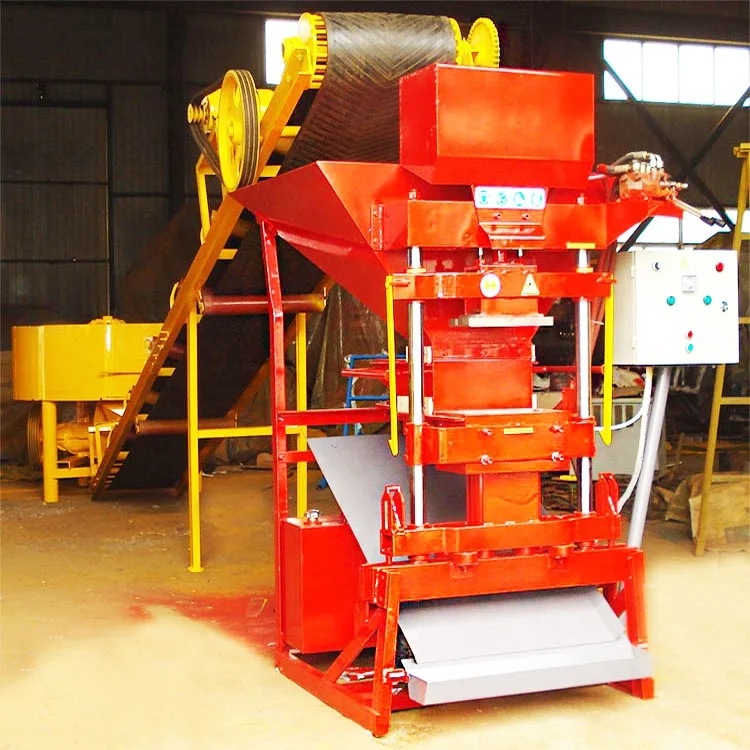
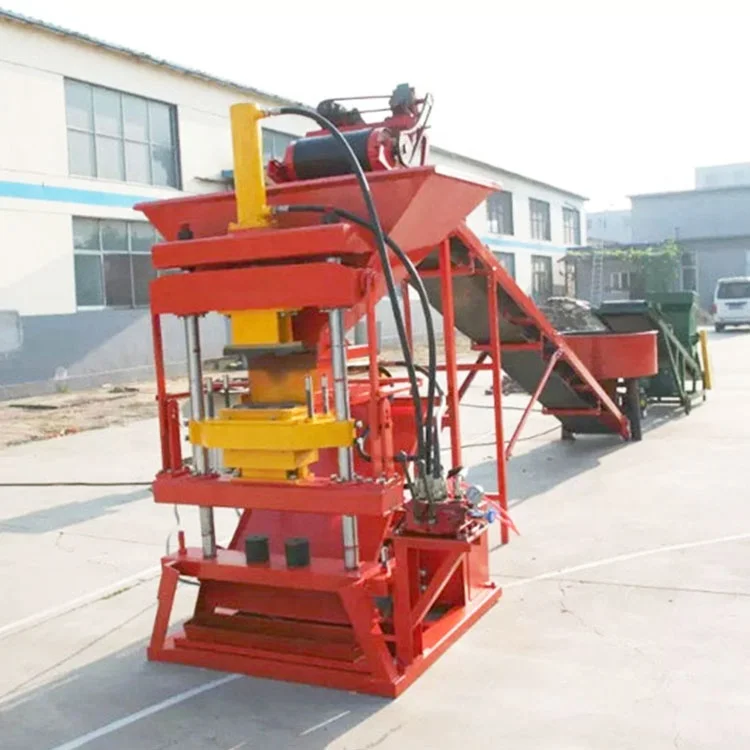
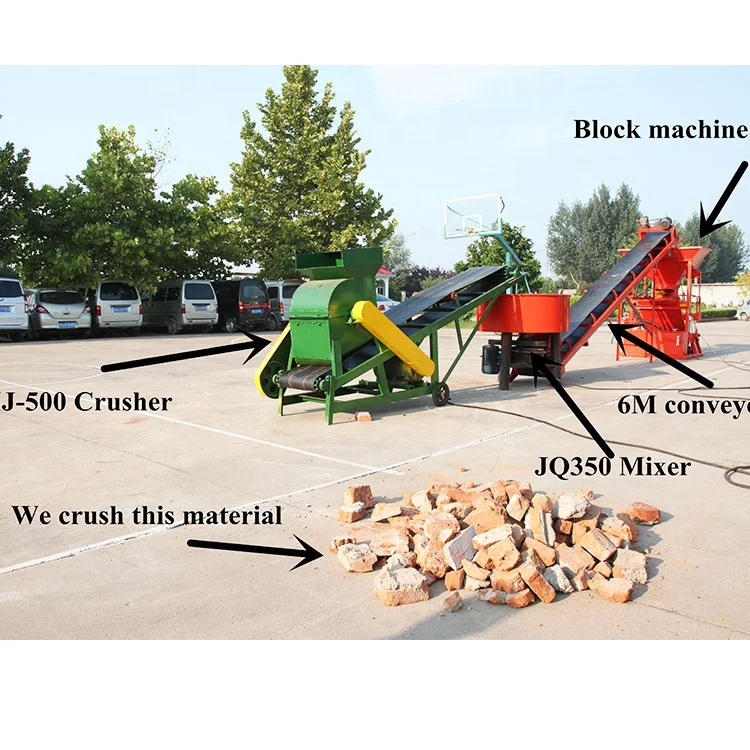
Description
Rapid deployment readiness — ECO2700 manual interlock brick machines are held in stock for fast dispatch, cutting procurement lead times when project deadlines are tight.
Technical Specifications
| Parameter | Value |
|---|---|
| Model | ECO2700 |
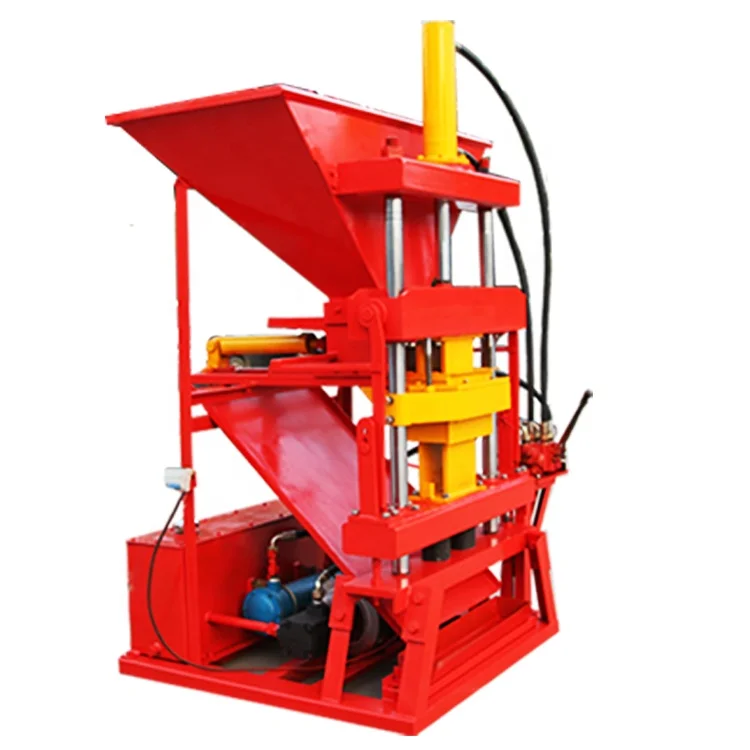
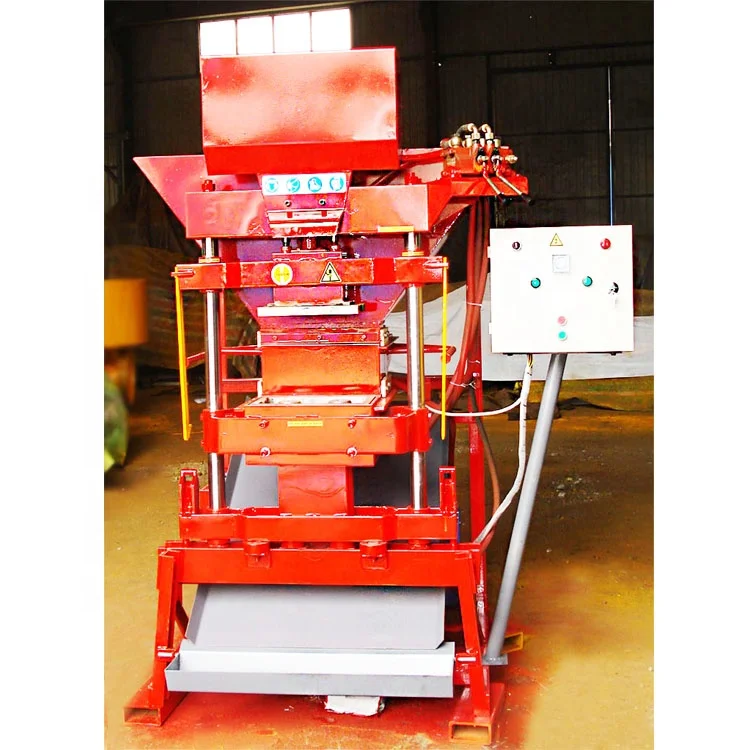
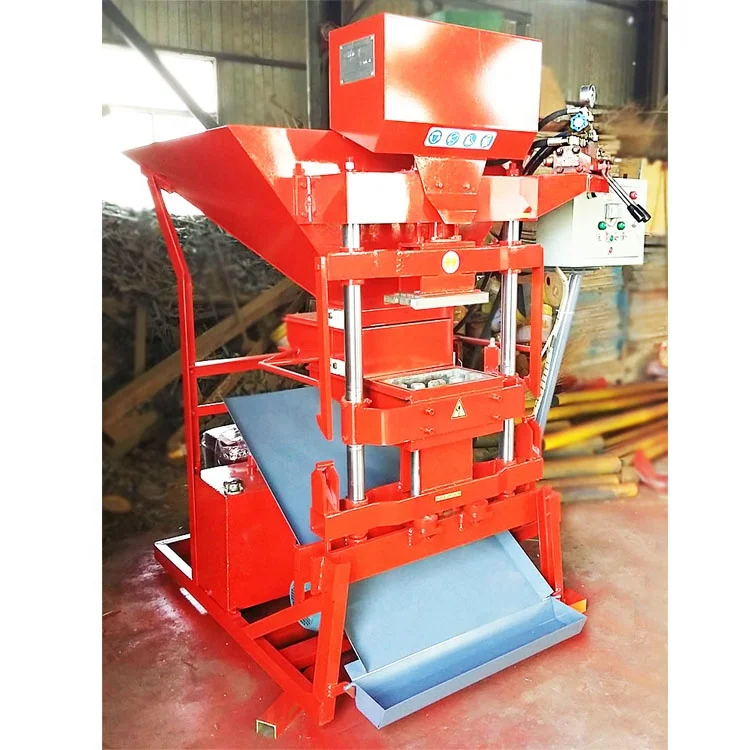
| Product Type | Manual Interlock Brick Machine |
| Forming Way | Hydraulic press |
| Forming Cycle | 10-15s |
| Overall Dimensions (L×W×H) | 1600×1300×2400 mm |
| Net Weight | 900 kg |
| Power Source | Electric motor |
| Operating Staff | 1-2 workers |
| Molds | As customer’s requirement (e.g., 250×125×100 mm or 300×150×100 mm interlock block) |
| Raw Material Compatibility | Clay, soil, cement, or other construction dregs |
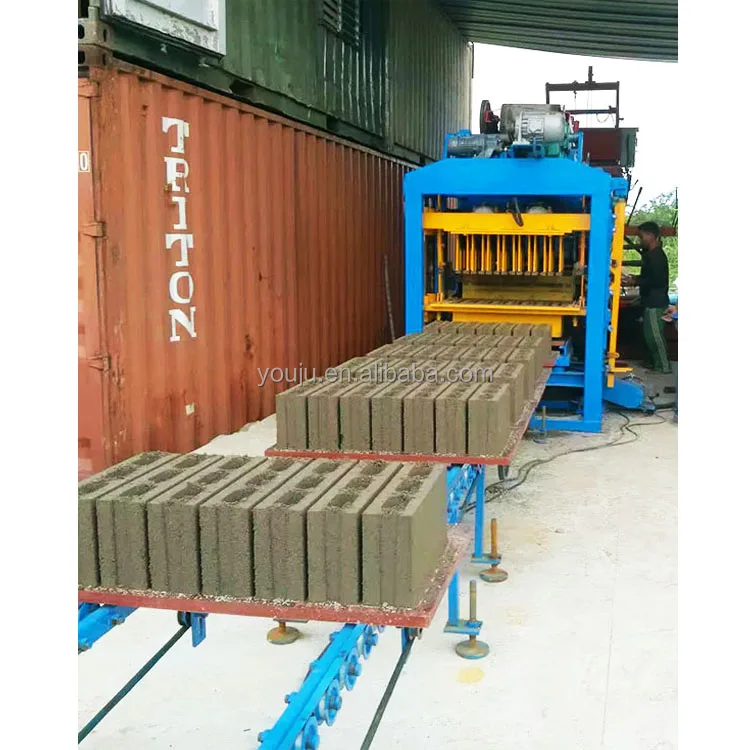
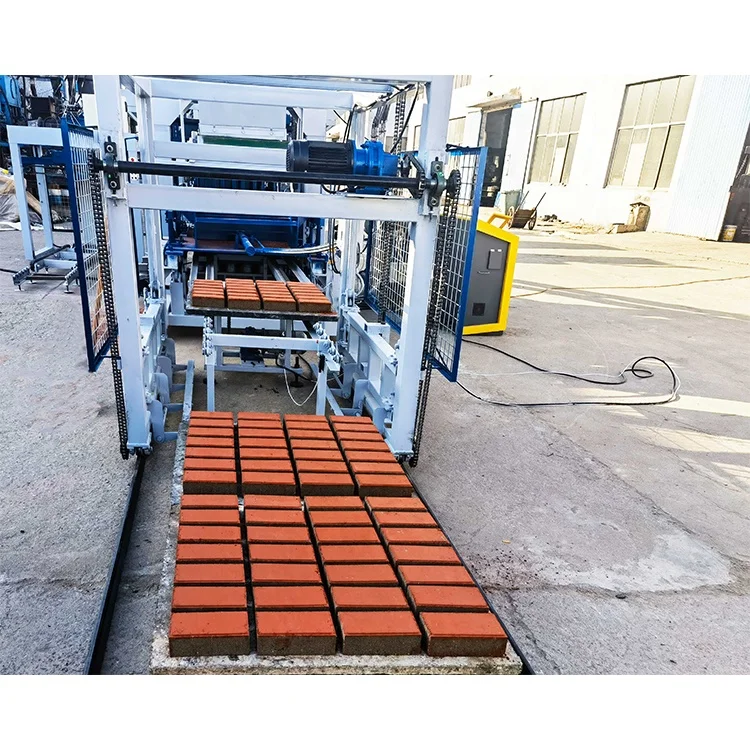
| Products | Interlock blocks, pavers |
Application Suitability
| Application | Material or Output |
|---|---|
| On-site interlock block production for housing projects | Clay or soil mixed with cement |
| Small-scale paver manufacturing for local contractors | Construction dregs blended with binding agents |
| Rural building material supply startups | Locally sourced laterite, red soil, or sandy clay |
| Remote site block production without fixed plant infrastructure | Soil-cement mixtures using available aggregate |
Why Dispatch Timing Matters More Than Quoted Output for the ECO2700 Manual Interlock Brick Machine
A machine on the production floor is worthless if it arrives three weeks after your foundation crew is ready to lay.
Project schedules in construction rarely wait for machinery procurement delays. I have seen contractors idle skilled masons because a block machine was still in customs clearance while the building shell was already up [NEED_CITE: typical delays in international machinery shipping]. The ECO2700 manual interlock brick machine is positioned for buyers who need equipment available now, not in a future production slot. When your site supervisor is counting days, stock availability and realistic arrival estimates outweigh any marginal specification advantage.
Container Loading and Dismantling for the ECO2700
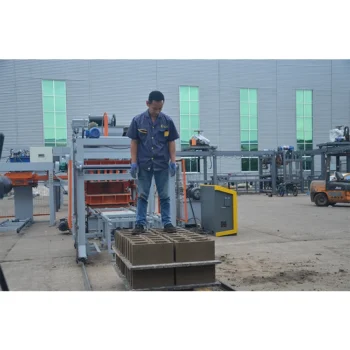
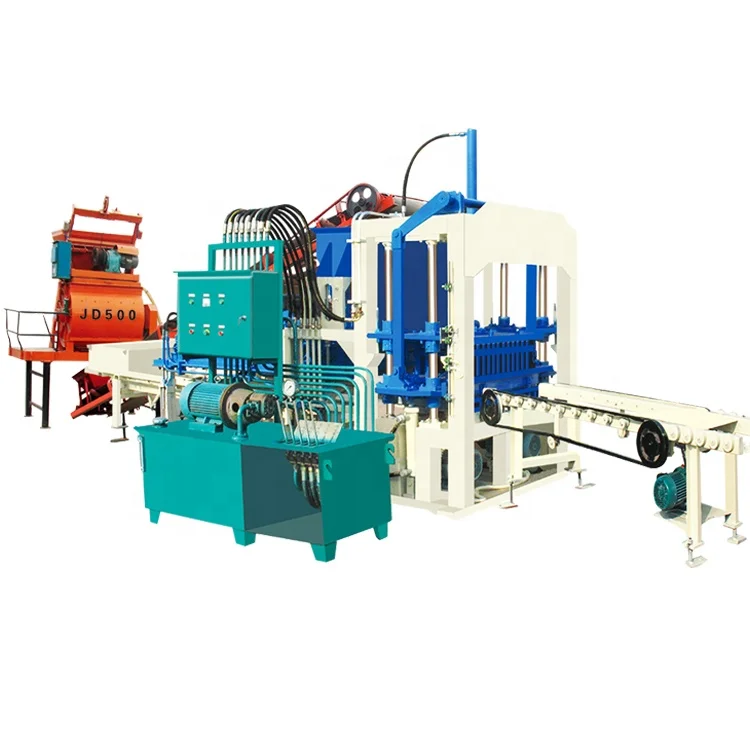
At 900 kg and 1600×1300×2400 mm, the ECO2700 manual interlock brick machine fits standard container loading without oversized freight surcharges. The compact footprint means it can be dismantled into manageable sections for shipment, then reassembled on-site without heavy crane equipment. This matters when your project site lacks the infrastructure of an established factory yard.
Arrival Estimates Quoted Before You Commit
We provide dispatch lead time and arrival estimates upfront during the quotation stage, not after the deposit clears. For buyers working against project milestones, knowing whether the manual interlock brick machine ships from existing stock or requires a production run changes your entire site mobilization timeline [NEED_CITE: international freight transit variables by destination port].
Understanding the Forming Cycle in Real Production
The 10-15 second forming cycle via hydraulic press determines how many blocks one operator can produce in a shift. With a single mold cavity producing one 250×125×100 mm interlock block per cycle, sustained rhythm depends on the operator’s feeding speed and mold release consistency. The hydraulic press delivers uniform compaction across clay-soil-cement mixes, but the manual loading step means actual output tracks with worker stamina and material preparation flow rather than theoretical press speed alone.
What Happens When You Ignore Local Material Compatibility
Buyers who order a block machine without disclosing their actual soil composition often discover the problem only after the first production run on-site. Red laterite behaves differently from sandy clay under hydraulic pressure — moisture retention, binding characteristics, and mold release all shift [NEED_CITE: soil-cement block material behavior under hydraulic compaction]. The ECO2700 accepts clay, soil, cement, and construction dregs, but achieving consistent block density requires confirming your specific mix ratio before the machine ships. I once spent two weeks at an African project site recalibrating parameters because the trial runs back at our factory used standard sand while the customer’s local red soil demanded entirely different moisture and pressure settings.
Why Procurement From Stock Eliminates Configuration Delays
When you source a manual interlock brick machine from available inventory, you skip the production queue but gain immediate specification verification. Every ECO2700 unit in stock has been factory-tested, meaning the hydraulic pressure settings, electrical motor function, and mold alignment are confirmed before crating. For buyers facing tight project timelines, this eliminates the multi-week gap between order placement and dispatch that custom-build scenarios introduce. The trade-off is accepting standard configurations rather than requesting modifications — but for most on-site interlock block and paver production, the standard mold options and electric motor power source cover typical requirements.
Documentation & Verification
- Factory test record confirming hydraulic press function and forming cycle timing before crating
- Packing photographs showing dismantling configuration and container loading arrangement
- Voltage and frequency confirmation sheet matched to destination country electrical standards
- Mold specification drawing listing cavity dimensions for the interlock format ordered
- Customs documentation support including commercial invoice and packing list for clearance
Installation, Commissioning & Support
- Level concrete pad preparation required to support 900 kg machine weight and hydraulic press vibration during operation
- Electrical supply verification for the electric motor voltage rating matching site power availability
- Hydraulic press pressure adjustment during first production run to match local soil-cement mix density requirements
- Mold installation and alignment training for quick format changes between interlock block and paver specifications
- Daily hydraulic system inspection routine covering seal condition, fluid level, and press cylinder response
Before You Request a Quotation
Provide your target interlock block dimensions and the specific soil or clay type available at your project site, including any local aggregate you plan to blend with cement. Confirm your site’s electrical supply voltage and frequency so the electric motor can be matched before dispatch. Let us know your required dispatch window so we can check stock availability against your project mobilization date.
Frequently Asked Questions
Q: Is the ECO2700 manual interlock brick machine currently in stock, and how soon can it ship?
A: Stock status changes as orders are fulfilled, so we confirm availability at the time of inquiry. When units are available, dispatch typically follows within days after payment clearance and export documentation completion. We provide the estimated arrival date based on your destination port before you commit, so you can align it with your project schedule.
Q: How is the ECO2700 packed for shipping, and does it require special handling at the destination?
A: The machine is dismantled into sections suitable for standard container loading. At 900 kg total net weight, no heavy crane is required for unloading — a standard forklift or manual handling equipment suffices. We provide packing photographs showing the configuration, and reassembly on-site requires only basic tools and a level concrete foundation.
Q: What standard mold sizes are available from stock, and what is the lead time for custom molds?
A: Standard mold inventory includes formats like 250×125×100 mm and 300×150×100 mm interlock blocks. Custom mold designs based on your drawings are available with a production lead time that we quote separately. Confirming your target block format early allows us to check mold stock or initiate custom fabrication alongside machine preparation.
Q: What support is provided for customs clearance and documentation at the destination port?
A: We prepare the commercial invoice, packing list, and any required export documentation to support your import clearance process. The specific certificates or declarations required depend on your country’s regulations, which we confirm during the order stage so documentation is ready when the shipment arrives.