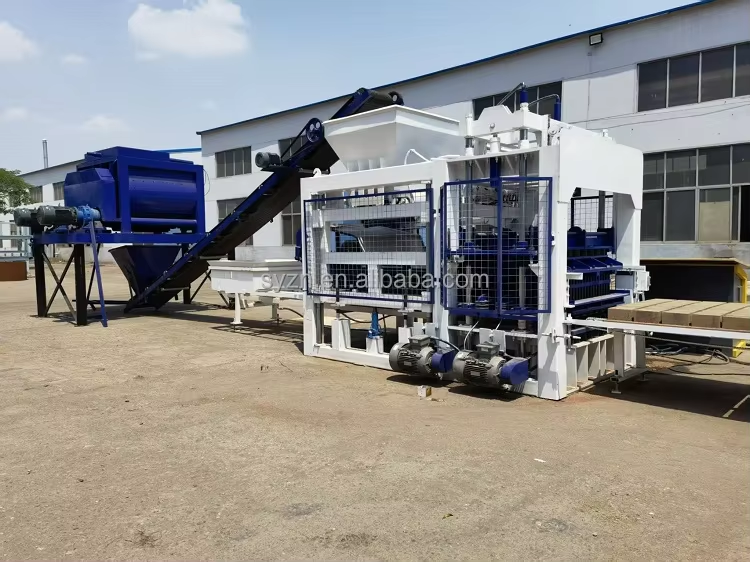


Description
Rapid Deployment Readiness — Stocked QT10-15 units and standard moulds are prepared for immediate container loading to meet strict project timelines.
Technical Specifications
| Parameter | Value |
|---|---|
| Model | QT10-15 |
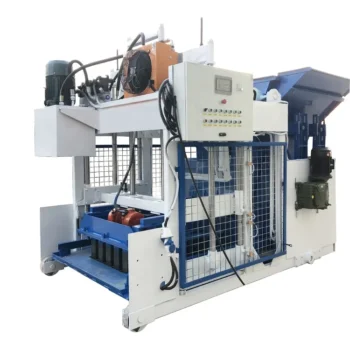
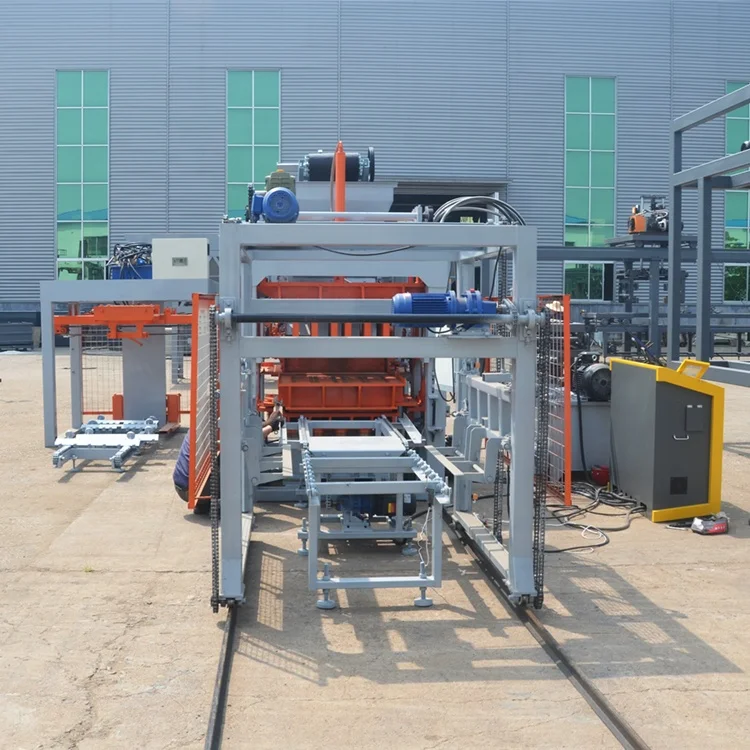
| Product Type | Hydraulic Brick Making Machine |
| Forming Method | Hydraulic pressure |
| Automation Level | Fully Automatic |
| Core Components | PLC |
| Rate Pressure | 21 MPa |
| Main Vibration Form | Platform Vibration |
| Vibration Frequency | 2800-4500 r/min |
| Molding Cycle | 15-25 seconds (basis not stated in source) |
| Overall Power | 52 kW |
| Voltage | Configured to customer local voltage |
| Dimension (LWH) | 935023202950 mm |
| Weight | 10000 kg |
| Pallet Size | 1150*900 mm |
Application Suitability
| Application | Material or Output |
|---|---|
| Hollow block production | Cement and concrete raw materials |
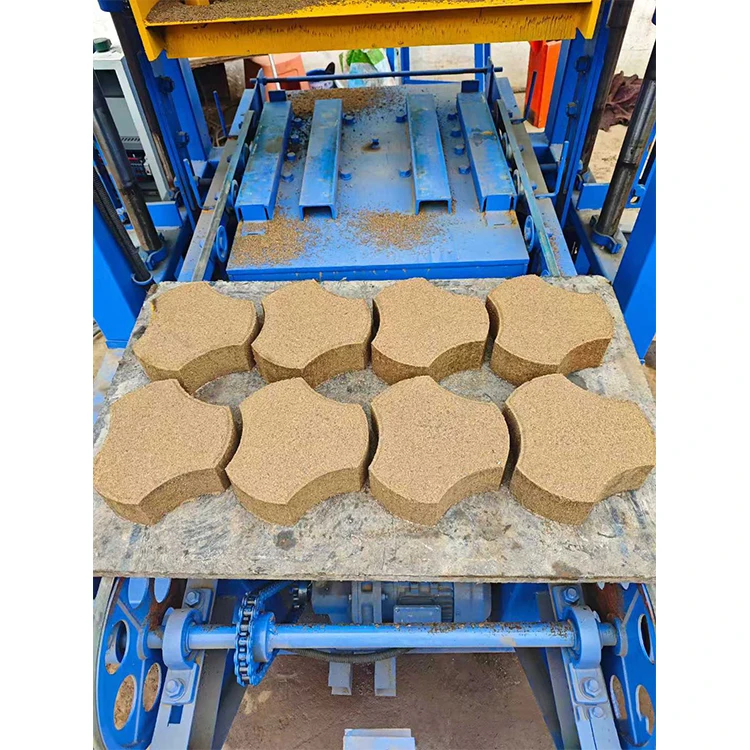
| Paving block manufacturing | Crushed stone and cement mixtures |
| Interlock block forming | Standard concrete aggregates |
| Curbstone production | Heavy-duty concrete mixes |
Why Dispatch Timing Matters More Than Cycle Claims
When a construction deadline is looming, a promised molding cycle means nothing if the equipment is still sitting on the factory floor. Securing a QT10-15 hydraulic brick making machine in stock ensures your site does not suffer costly idle days while waiting for production slots.
I transitioned into export sales after years in spare parts support in the Pearl River Delta. Early on, a client purchased a fully automatic hydraulic block machine of this class without ordering extra hydraulic valves. When a valve failed on site, their entire operation halted for weeks waiting for international shipping. Now, I never let a machine ship without a bulletproof spares list and a confirmed loading schedule. Delays in equipment arrival or missing critical wear parts can derail an entire housing project [NEED_CITE: impact of equipment delays on construction project timelines].
Confirming Stock and Standard Mould Availability
Checking the availability of a QT10-15 hydraulic brick making machine in stock is the first step to keeping your project on track. We maintain inventory of these core units alongside standard moulds for common brick sizes. This readiness eliminates the typical multi-week manufacturing wait, allowing us to move directly to the dismantling and loading phase. Buyers working against tight deadlines need this immediate availability to synchronize equipment arrival with their site preparation.
Container Loading and Dismantling for Shipment
Preparing a 10000 kg machine for ocean freight requires precise dismantling to fit securely within standard shipping containers. The 935023202950 mm footprint is broken down into manageable modules for loading. We provide a clear container loading plan and machine dismantling details before dispatch. This transparency ensures your logistics team knows exactly how the QT10-15 hydraulic brick making machine in stock will be packed, secured, and unloaded at the destination port [NEED_CITE: standard container loading procedures for heavy industrial machinery].
Interpreting the Core Forming Parameters
The 21 MPa rate pressure combined with platform vibration at 2800-4500 r/min dictates the density and structural integrity of the final concrete products. A 52 kW overall power setup drives both the hydraulic pumps and the vibration motors, requiring a stable electrical supply matched to your local voltage. The 1150*900 mm pallet size is configured for standard handling equipment, meaning your existing forklifts can manage the cured blocks without specialized attachments. While the molding cycle is listed as 15-25 seconds, the actual speed depends on the specific block format and material thickness being pressed.
The Hidden Cost of Missing Spare Parts
Failing to include critical hydraulic wear parts in the initial shipment leaves your site vulnerable to extended downtime. If a high-pressure valve fails and no replacement is on hand, a fully automatic line stops completely. Sourcing a single component internationally can take weeks, turning a minor mechanical issue into a major project delay. Ensuring a comprehensive spares list accompanies the main equipment is essential for continuous operation [NEED_CITE: supply chain lead times for industrial hydraulic components].
Why Procure From Our Inventory
We focus exclusively on block machinery, meaning the press, pallets, and handling equipment are specified as a matched system ready for dispatch. Our stock models are configured against standard requirements, but we still confirm voltage and control language before loading. We provide upfront arrival estimates and dispatch lead times so you can plan your site logistics accurately. Every unit undergoes a video outgoing-inspection and comes with a machinery test report before it leaves our facility.
Documentation & Verification
- Factory test record verifying hydraulic pressure and vibration performance before dispatch.
- Video outgoing-inspection showing the dismantled modules and container loading process.
- Machinery test report confirming the 52 kW power setup and PLC functionality.
- Packing photographs documenting the securing of the 1150*900 mm pallets and heavy components.
Installation, Commissioning & Support
- Foundation requirements calculated for the 10000 kg operating weight and dynamic vibration forces.
- Dedicated electrical circuit planning for the 52 kW overall power and local voltage configuration.
- Dismantling and reassembly instructions provided for the 935023202950 mm main frame.
- Initial parameter setting for the PLC to match your specific block format and cycle requirements.
- Comprehensive spare parts list including critical hydraulic valves to prevent line stoppages.
Planning Your Equipment Deployment
To finalize the dispatch schedule, please provide your destination port for an accurate arrival estimate and confirm your local voltage and frequency requirements. Let us know which standard brick sizes from the available options you need immediately so we can verify mould stock. Sharing your site preparation status helps us align the container loading with your readiness to receive and assemble the equipment.
Frequently Asked Questions
Q: What is the current dispatch lead time for this machine?
A: Because this model is kept in stock, the dispatch lead time is significantly shorter than custom-built orders. Once we confirm your voltage requirements and destination port, we can immediately schedule the dismantling and container loading, providing you with a precise departure date.
Q: How is the equipment dismantled for container shipment?
A: The main frame and heavy components are systematically broken down to fit securely within standard shipping containers. We provide a detailed container loading plan and packing photographs before departure, ensuring your local team knows exactly how to unload and reassemble the modules on site.
Q: Can you provide an upfront arrival estimate to my port?
A: Yes, once we confirm the dispatch date and your specific destination port, we calculate the transit time to provide an upfront arrival estimate. This allows your construction or production team to schedule site preparation and equipment commissioning without guessing the delivery window.
Q: Are standard moulds for the listed brick sizes in stock?
A: We maintain an inventory of standard moulds corresponding to the common brick sizes listed in our specifications. When you confirm your required formats, we verify immediate mould availability to ensure they are loaded in the same container as the main press.
Q: What is the process for the video inspection before dispatch?
A: Before the equipment is dismantled and loaded, we conduct a comprehensive video outgoing-inspection. This video demonstrates the machine’s operational functions, verifies the hydraulic pressure and vibration systems, and documents the physical condition of all components prior to packing.