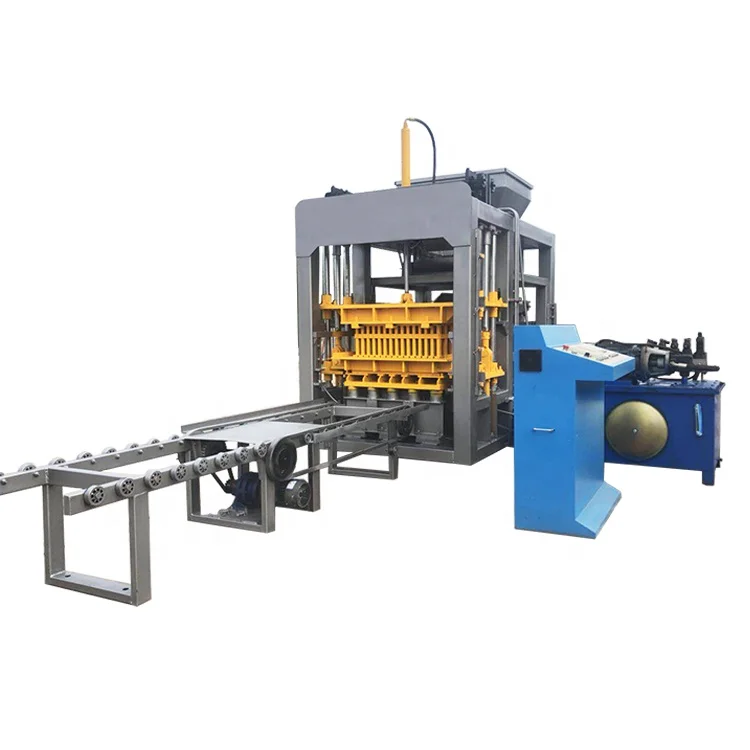
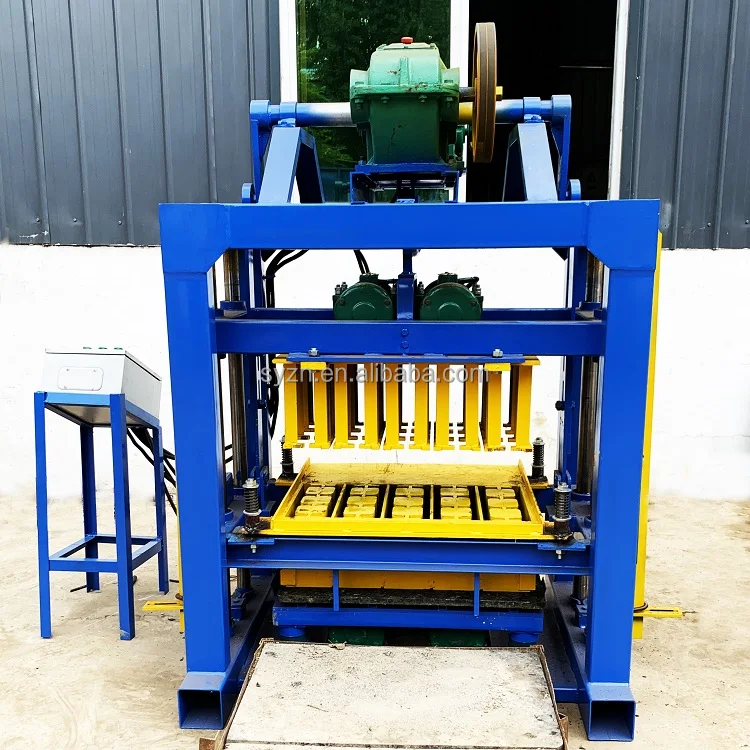
Description
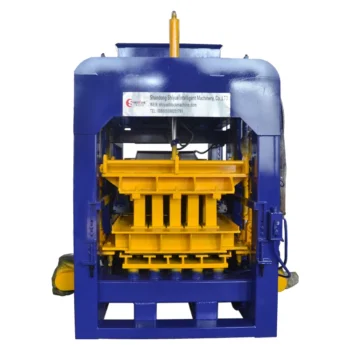
Standard Moulds Dispatched — Standard block formats are kept in inventory to ship alongside the press without delaying the container loading schedule.
Technical Specifications
| Parameter | Value |
|---|---|
| Model | QT10-15 |
| Product Type | Fully Automatic Concrete Block Making Machine |
| Voltage Options | 380 V, 220 V (frequency to be confirmed) |
| Control System | PLC |
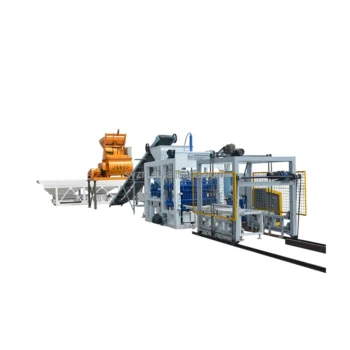
| Overall Dimensions (L×W×H) | 7100 x 1600 x 2610 mm |
| Net Weight | 7200 kg |
| Hydraulic Pressure | 21 MPa |
| Pallet Size | 1100 x 900 mm |
| Cycle Time | 15S (basis not stated in source) |
| Workers Required | 3-5 |
| Core Components | PLC, Pressure Vessel, Engine, Gear, Motor, Pump, Bearing, Gearbox |
| Color | Customizable |
| Warranty | 1 Year |
| Standards | Machinery Test Report Provided, Video Outgoing-Inspection Provided |
Application Suitability
| Application | Material or Output |
|---|---|
| Hollow block production | Concrete, cement, and fly ash mixes |
| Solid brick manufacturing | Standard concrete and cement blends |
| Paver and interlocking brick output | Concrete and cement formulations |
Why the Voltage Question Must Precede the Dispatch Date
Confirming the exact site voltage and frequency prevents a multi-week commissioning delay once the equipment reaches your port.
When a machine arrives and the local grid does not match the motor configuration, the entire construction schedule halts while transformers are sourced or rewound. I have seen projects lose weeks of critical curing time simply because the destination power supply was assumed rather than verified before loading [NEED_CITE: voltage and frequency standards by export market]. Securing a QT10-15 automatic block machine in stock is only the first step; ensuring it powers up on day one is what actually protects your deadline.
Immediate Dispatch and Container Loading Plans
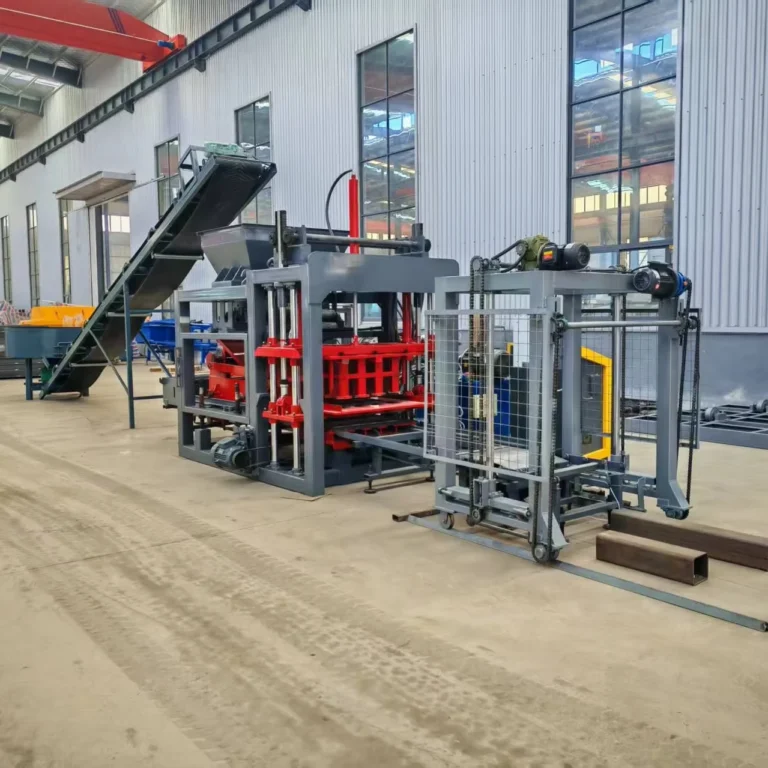
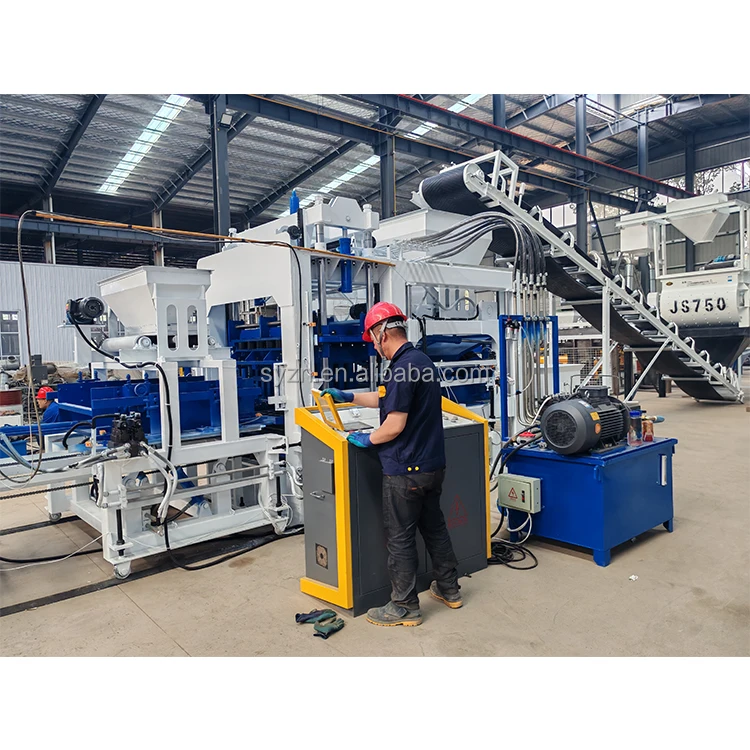
Securing a QT10-15 automatic block machine in stock means the main press and its supporting components are already assembled, tested, and sitting in the yard. The 7100 x 1600 x 2610 mm overall dimensions and 7200 kg net weight are calculated specifically for efficient dismantling and container loading. We provide the exact loading plan upfront, so your logistics team knows precisely how the equipment will be secured for ocean freight without waiting for production to finish.
Upfront Arrival Estimates and Stocked Moulds
Ordering speed relies on having the right formats ready to ship. Standard moulds covering sizes like 400x200x200 mm and 400x150x200 mm are kept in inventory to load into the same container as the main press. We provide a realistic arrival estimate quoted upfront based on current shipping routes, allowing you to align your site preparation and raw material deliveries with the actual discharge date at your destination port [NEED_CITE: typical ocean freight transit times for heavy machinery].
How Dimensions and Voltage Dictate Site Readiness
The 1100 x 900 mm pallet size must align with the curing racks and forklifts you already have on site; changing pallet dimensions later causes massive logistical bottlenecks. The 21 MPa hydraulic pressure ensures the press can handle dense concrete mixes, but this power draw requires the correct electrical infrastructure. Selecting between the available 380 V or 220 V options before dispatch ensures the main motor and PLC control system integrate smoothly with your local grid, avoiding costly on-site electrical modifications.
The Hidden Cost of Unconfirmed Electrical Specifications
Assuming standard voltage without verifying local frequency often results in motors running at the wrong speed or overheating immediately upon startup. When the PLC display language or electrical schematics do not match the local maintenance team’s expectations, troubleshooting becomes a slow process of translating manuals while the press sits idle. This electrical mismatch turns a fast-tracked delivery into a prolonged commissioning headache [NEED_CITE: industrial motor failure rates due to voltage mismatch].
Why Procure This Equipment Through Our Dispatch Channel
We focus entirely on block machinery, meaning the press, pallets, and handling equipment are specified as one matched system ready for immediate loading. We confirm voltage, frequency, and control language against your actual site conditions before the container is sealed. Standard and custom moulds are sourced from our inventory to match the formats your market demands. You receive a complete container loading plan and arrival estimate before placing the order, ensuring total transparency for your project timeline.
Documentation & Verification
- Factory test record verifying hydraulic pressure and PLC function before dismantling
- Video outgoing-inspection showing the exact stocked machine being loaded
- Machinery test report confirming component integrity prior to shipment
- Customs documentation support formatted for your specific destination port
- Pallet and mould specification sheets matching the loaded inventory
Installation, Commissioning & Support
- Foundation layout provided based on the 7100x1600x2610mm footprint and 7200kg weight
- Electrical diagrams confirmed for your specific 380V or 220V site supply
- Dismantling sequence documented to speed up on-site reassembly
- PLC interface language set to match your local operators before dispatch
- Wear parts list provided to ensure immediate spares availability upon arrival
Preparing Your Site for Immediate Commissioning
To ensure the equipment starts producing the moment it is unloaded, please provide your exact local voltage and frequency, along with the preferred PLC display language. We also need to know the dimensions of your existing curing area and forklift capacity to confirm the 1100x900mm pallets will integrate smoothly. Finally, specify which standard block formats you need included in the container to meet your immediate construction milestones.
Frequently Asked Questions
Q: What is the exact dispatch lead time and estimated arrival for the QT10-15?
A: Because the machine is already built and tested, dispatch lead time is limited to dismantling, container loading, and customs clearance at the origin port. We provide a firm arrival estimate quoted upfront based on current vessel schedules to your specific destination, ensuring you can plan your site preparation accurately without guessing transit durations.
Q: Which standard moulds are currently in stock and ready to ship with this machine?
A: We maintain an inventory of standard moulds, including formats like 400x200x200 mm and 400x150x200 mm, which can be loaded into the same container as the main press. If your project requires specific dimensions, we check our current stock and confirm exactly which formats will be included in your shipment before you finalize the order.
Q: How is the machine dismantled and loaded into containers for fast shipment?
A: The 7100x1600x2610mm frame and 7200kg weight are managed using a predefined dismantling sequence optimized for standard shipping containers. We provide a detailed container loading plan upfront, showing exactly how the press, hydraulic station, and stocked moulds are secured, allowing your logistics team to anticipate unloading requirements at the destination port.
Q: What voltage configurations are available in stock for immediate dispatch?
A: The equipment is available with 380 V or 220 V configurations. We verify your site’s exact voltage and frequency requirements before dispatch to ensure the main motor and PLC control system are compatible. This prevents the need for on-site transformer installations or electrical rewiring when the machine arrives at your facility.
Q: How do you handle customs documentation to ensure smooth and fast clearance?
A: We provide comprehensive customs documentation support tailored to your destination country’s import requirements. This includes detailed packing lists, machinery test reports, and commercial invoices that accurately reflect the loaded container contents, helping your customs broker clear the shipment quickly and avoid port demurrage charges.