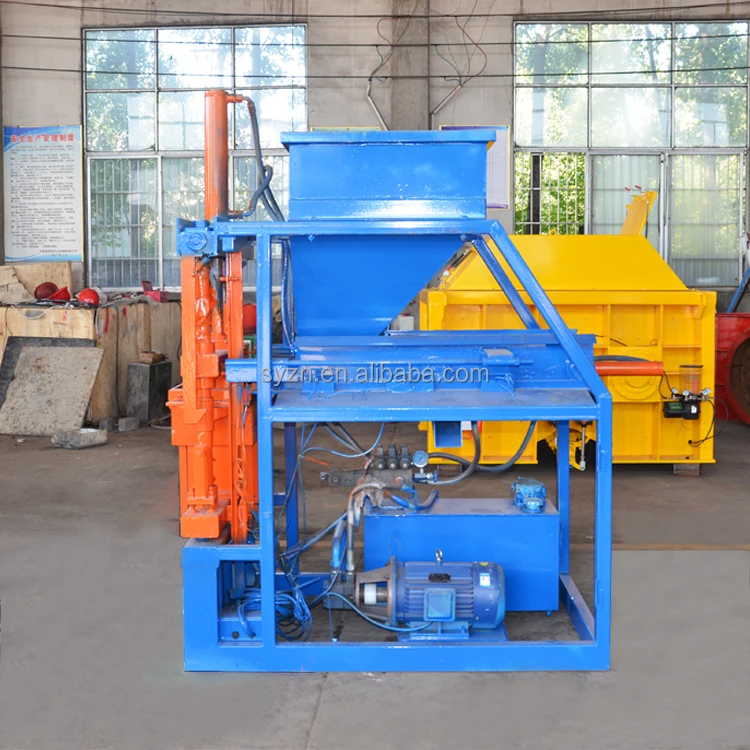
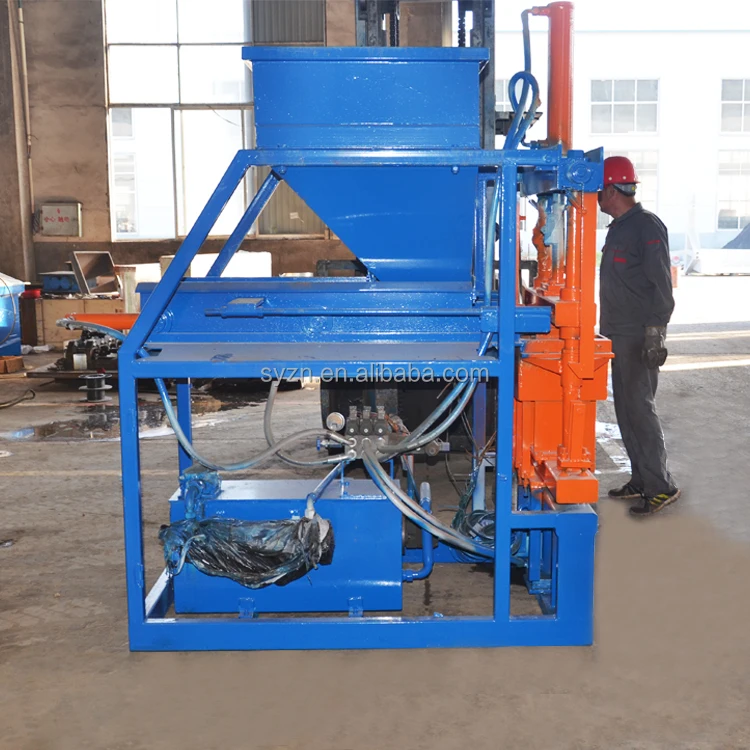
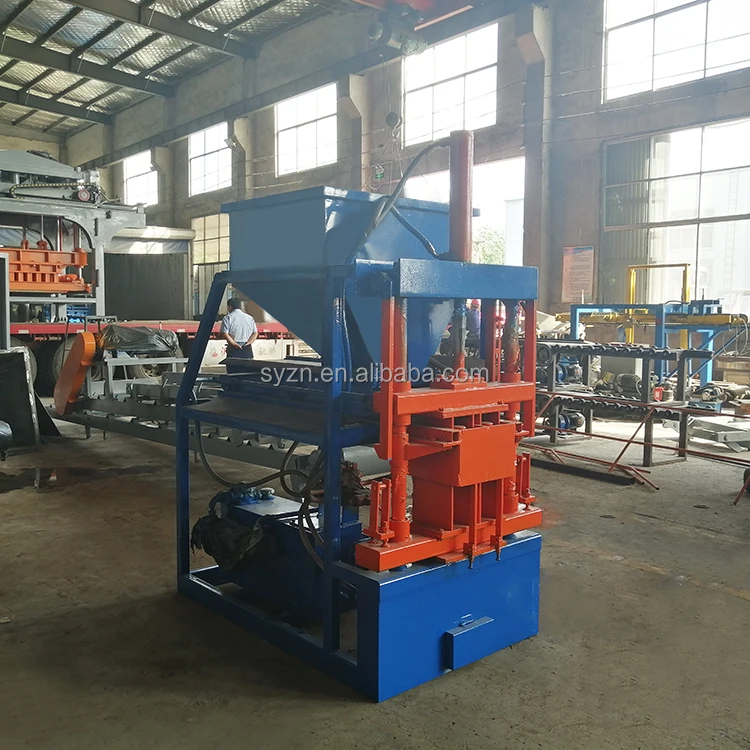
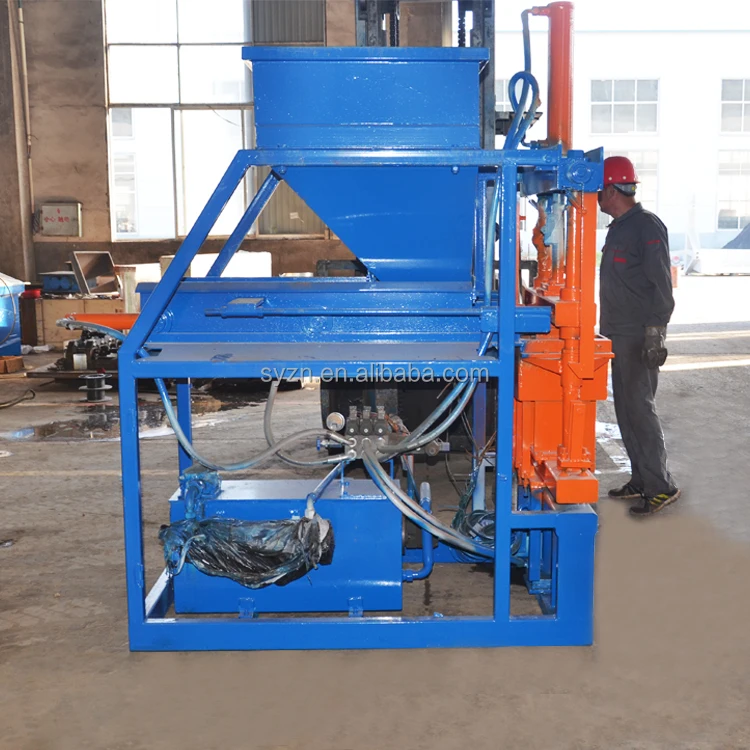
Description
Rapid Dispatch — Stocked LY2-10 units ship in standard container configurations without waiting for a new production run, keeping project timelines intact.
Technical Specifications
| Parameter | Value |
|---|---|
| Model | LY2-10 |
| Product Type | Clay Interlocking Brick Making Machine |
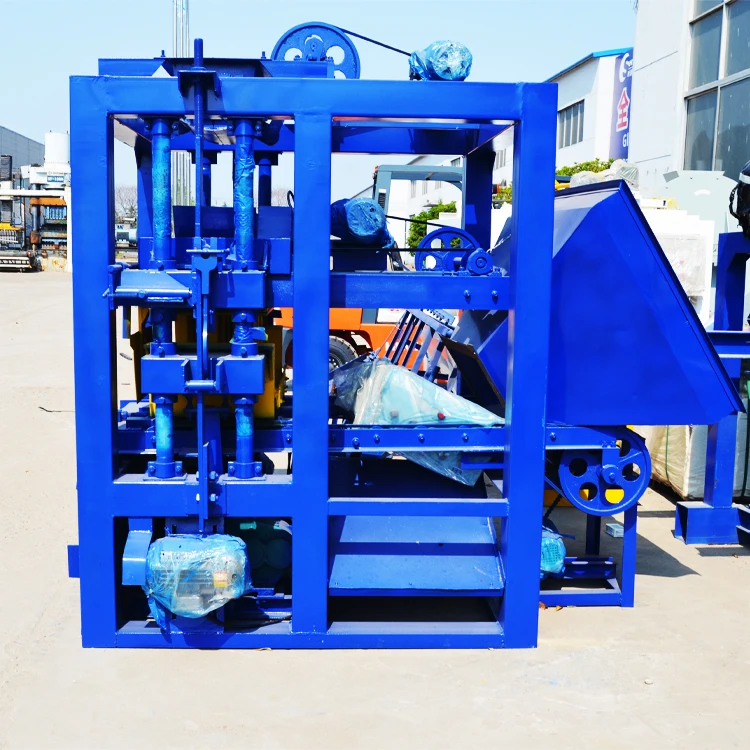
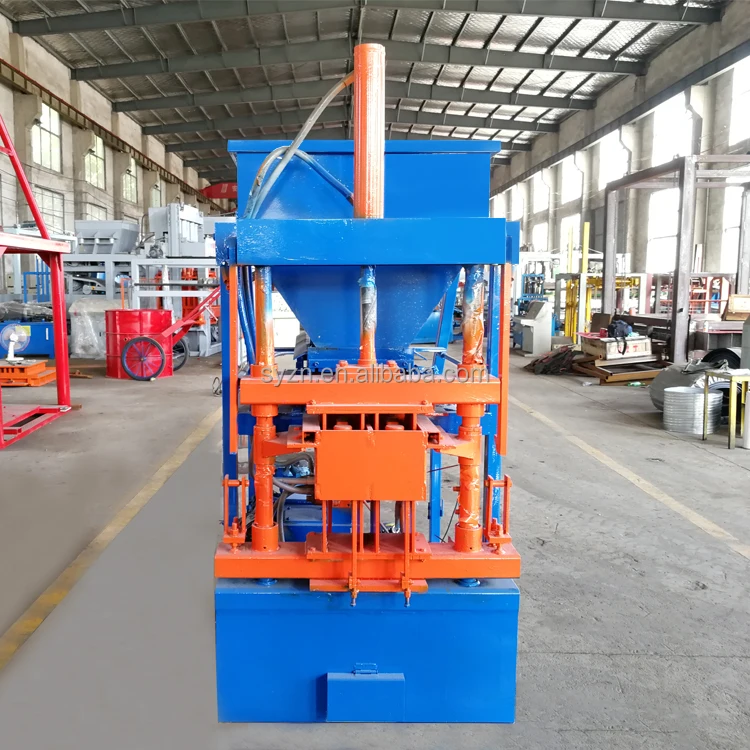
| Machine Type | Semi-automatic clay and cement interlocking brick making machine |
| Rated Power | 7.5 kW |
| Molding Cycle | 10 s |
| Output Capacity | 6000 pcs / 8 h (basis not stated in source — confirm block format, material and thickness before ordering) |
| Pcs per Mould | 1 (all listed formats) |
| Pcs per Hour | 750 (per listed format, basis to be confirmed) |
| Raw Materials | Clay, soil, earth, mud, concrete, cement, fly ash |
| Mould Formats Available | 300×150×100 mm, 250×125×75 mm, 230×220×115 mm |
| Automation Level | Semi-automatic |
| Assembly State | Stationary |
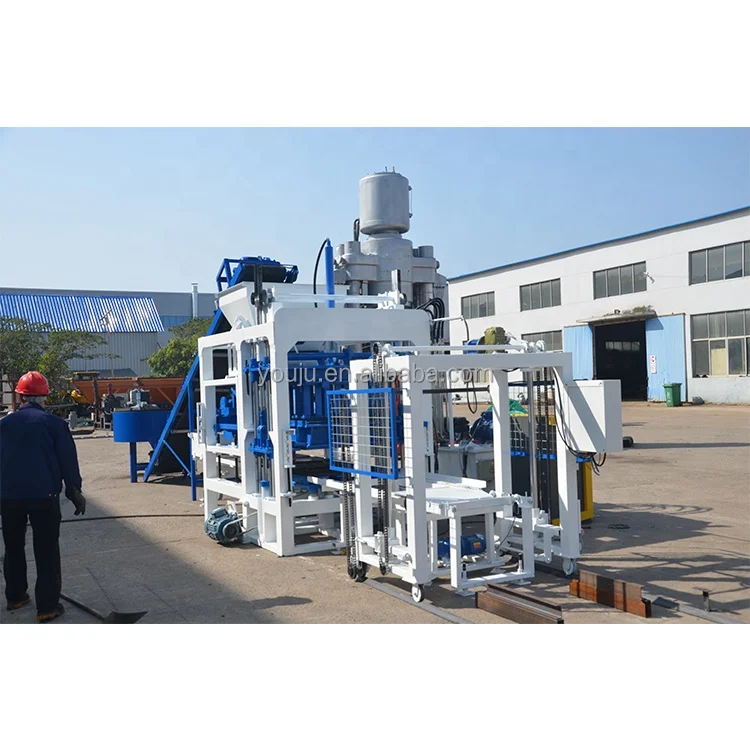
| Overall Dimensions | 1300×1800×2400 mm |
Application Suitability
| Application | Material or Output |
|---|---|
| On-site housing project brick production | Local clay or soil mixed with cement |
| Small brick plant interlocking format runs | Earth and mud-based mixes with stabilizer |
| Workshop production for regional distributors | Cement and fly ash blends for standard interlocking sizes |
| Contractor-run development sites | Locally sourced soil with minimal processing |
Why the Stock Question Matters More Than the Spec Sheet
A clay interlocking brick machine in stock ships when your project needs it, not when the factory schedule allows.
I once worked with a contractor in West Africa who ordered a paver block machine based on a catalogue capacity figure. The machine arrived three months late because it was built to order, and when it did show up, the local clay had a high silt content that required vibration and pressure parameters to be completely re-tuned. Production dropped to roughly half the quoted rate while we sorted it out. That is why I now insist on seeing raw material samples before confirming any dispatch, even for stocked units. A clay interlocking brick machine in stock is only useful if the configuration actually matches what you will feed it [NEED_CITE: raw material variability in clay brick production].
Stock Availability and Dispatch Timing
The LY2-10 is held as a complete semi-automatic unit with standard moulds for the three most common interlocking brick formats. Buyers evaluating a clay interlocking brick machine in stock should verify which specific mould sets are currently warehoused alongside the press, since mould lead times can differ from the machine itself. Dispatch is arranged once voltage, frequency, and control language are confirmed against the destination site.
Container Loading and Transit Planning
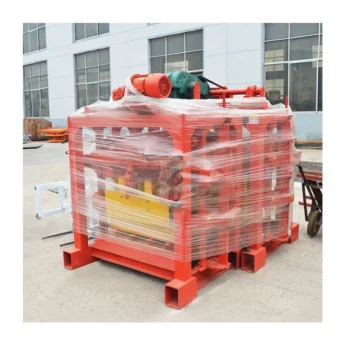
The LY2-10 measures 1300×1800×2400 mm in its assembled state and is dismantled for sea freight to fit standard container dimensions. Loading photographs and a dismantling scheme are prepared before the container is sealed. Buyers working to a project deadline should request a port-to-port transit estimate at the point of order so that arrival timing is factored into site preparation schedules [NEED_CITE: typical sea freight transit windows by region].
What the Molding Cycle and Power Rating Mean on Site
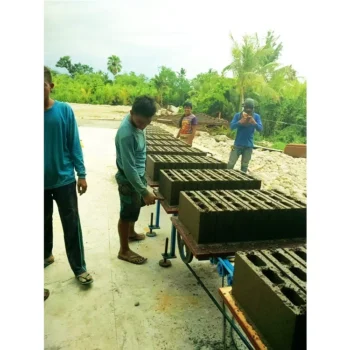
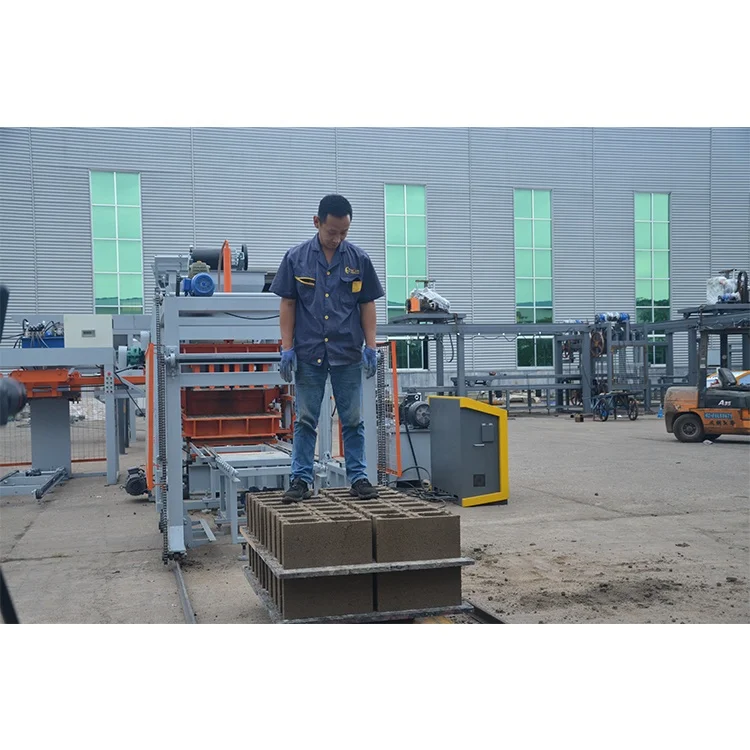
A 10-second molding cycle with a 7.5 kW rated power keeps the LY2-10 within the electrical capacity of sites that lack heavy industrial infrastructure. The single-cavity mould design means each cycle produces one interlocking brick, so daily throughput depends directly on the format chosen and the consistency of the material feed. The 7.5 kW motor is manageable on a standard three-phase supply without requiring a dedicated transformer, which matters for remote project sites where power availability is limited. Hydraulic pressure and vibration force must be matched to the specific clay or soil mix to achieve consistent brick density, and that matching is why material samples should always precede final machine settings.
When a Quick Delivery Turns Into a Slow Commissioning
Ordering a machine that ships fast but arrives with the wrong voltage or an incompatible PLC language creates a different kind of delay. The LY2-10 semi-automatic system still requires correct electrical configuration for the motor and controls. I have seen units sit on a dock for weeks because the frequency did not match the local grid, and sourcing a compatible inverter locally added cost the buyer had not budgeted for [NEED_CITE: voltage and frequency standards by export market]. Confirming these details before the container leaves the factory is a small step that prevents a large problem.
Why Buyers Source the LY2-10 Through This Channel
Block machinery is the single focus here, so the LY2-10 is specified as part of a matched system including mould, pallet, and handling rather than assembled from unrelated suppliers. Configuration is checked against the buyer’s actual mix design and local aggregate before dispatch, not left as a catalogue default. Standard moulds for the three listed interlocking formats are stocked, and custom mould drawings can be produced if the buyer’s market requires a different brick size. The semi-automatic platform allows a buyer to start with manual pallet handling and add automation later. Installation guidance and operator training are included so the machine is producing acceptable bricks from the first day of commissioning.
Documentation & Verification
- Factory test record run on buyer-specified clay or cement mix before dispatch
- Mould drawing and format list confirming all three interlocking sizes
- Voltage and control language confirmation sheet signed before shipment
- Packing photographs showing dismantling scheme and container load plan
- Operation and maintenance manual with wear parts list for the LY2-10
Installation, Commissioning & Support
- Foundation pad must support 1300×1800 mm footprint with level tolerance for the stationary frame
- Dedicated three-phase circuit rated for 7.5 kW continuous draw at confirmed site voltage
- Machine arrives dismantled; reassembly requires basic mechanical tools and a forklift for the press head
- First-run parameter tuning covers vibration timing and hydraulic pressure matched to local clay sample
- Operator training covers mould change procedure across all three interlocking formats
- Wear parts list provided at handover identifying items to reorder within the first production months
Before You Send an Inquiry
Provide the type of clay, soil, or cement mix you plan to use and the interlocking brick format your market requires. Include your site voltage and frequency so the electrical package is matched before the unit leaves stock. If you have an existing curing area or pallet system, share the dimensions so compatibility can be checked against the LY2-10 output.
Frequently Asked Questions
Q: Which LY2-10 units and moulds are currently in stock and what is the dispatch lead time?
A: The LY2-10 semi-automatic press is held in stock with standard moulds for 300×150×100 mm, 250×125×75 mm, and 230×220×115 mm interlocking formats. Dispatch lead time depends on current warehouse inventory and whether voltage or control language customization is required. Buyers should confirm the exact stock position and estimated ship date at the time of inquiry, since availability shifts with order volume.
Q: How is the machine dismantled and loaded into a container for sea freight?
A: The LY2-10 is broken down into its major assemblies — press frame, hydraulic unit, mould, and control panel — to fit within standard container dimensions. A dismantling scheme is prepared and loading photographs are taken before the container doors are sealed. The buyer receives these images along with a packing list to support customs clearance and on-site reassembly planning.
Q: What voltage and frequency options are available for immediate shipment?
A: Standard stock units are configured for common industrial voltages, but the exact voltage and frequency must be confirmed against the buyer’s destination grid before dispatch. The 7.5 kW motor and semi-automatic controls require correct electrical specification to function on arrival. Requests for non-standard voltages may extend the lead time slightly while the motor or control components are swapped.
Q: Can I order additional mould formats from stock alongside the machine?
A: Additional moulds for the three standard interlocking sizes may be available from stock depending on current inventory. Moulds for custom formats outside the 300×150×100, 250×125×75, and 230×220×115 mm range require a separate production lead time. Buyers should specify all required formats at the time of inquiry so availability can be checked and any custom mould orders can be placed in parallel with the machine dispatch.
Q: What documentation is included with a stocked machine shipment?
A: Each LY2-10 shipment includes a factory test record, mould drawing and format list, voltage and control language confirmation, packing photographs, and an operation and maintenance manual with a wear parts list. CE documentation is provided where applicable. Customs documentation support is also available to help the buyer clear the shipment at the destination port without unnecessary delays.