

Description
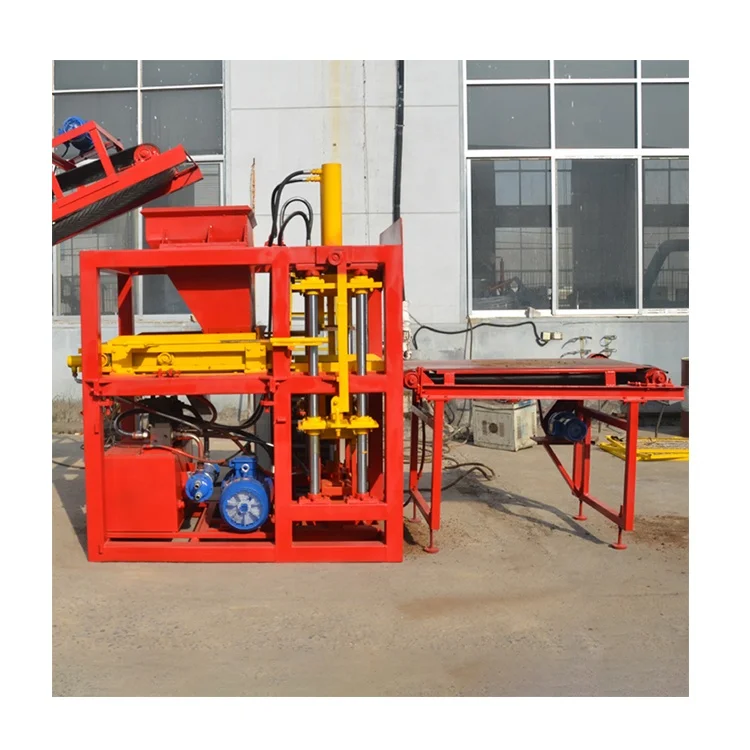
Dispatch-Ready Configuration — every LY4-10 leaves our Linyi workshop with voltage, frequency, and control language locked to the buyer’s destination before it enters the container.
Technical Specifications
| Parameter | Value |
|---|---|
| Model | LY4-10 |
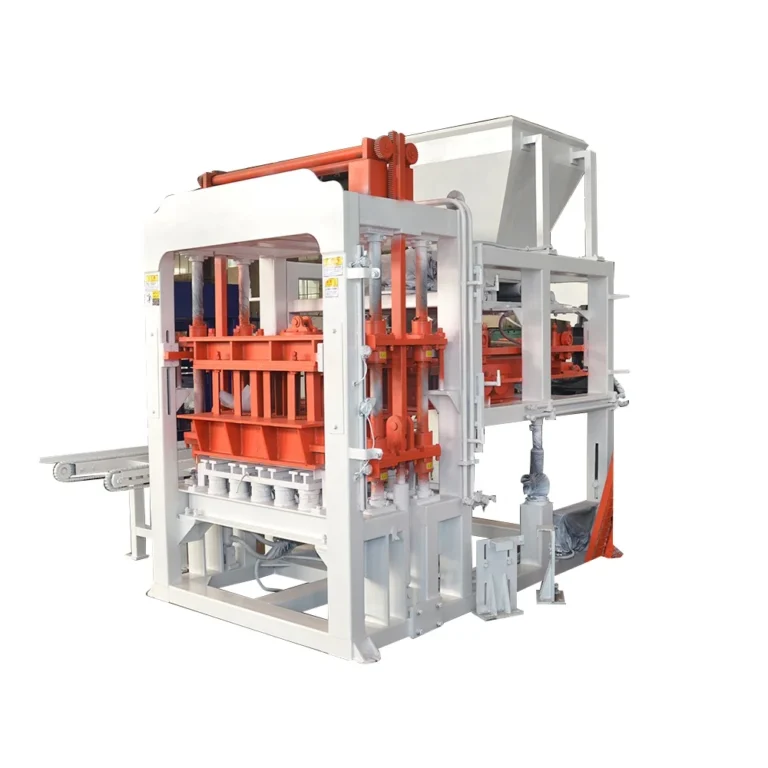
| Product Type | Clay Interlocking Brick Making Machine |
| Machine Power | 11 kW |
| Hydraulic Pressure | 25–32 MPa |
| Molding Cycle | 7–10 seconds |
| Output per Cycle | 4 pcs (basis not stated in source — confirm block format / material / thickness) |
| Operation Mode | Automatic (material feeding, mould pressing, mould lifting) |
| Mould Format | Interlocking brick |
| Machine Weight | 1500 kg |
| Overall Dimensions | 2260 × 1500 × 2380 mm |
| Voltage | Configurable to local voltage and frequency (basis to be confirmed) |
| Control Language | Configurable before dispatch (basis to be confirmed) |
| Warranty | 1 year (except wearing parts) |
Application Suitability
| Application | Material or Output |
|---|---|
| On-site interlocking brick production for housing projects | Local clay blended with cement |
| Ecological brick manufacturing for regional distributors | Clay, laterite, and soil-cement mixes |
| Fixed plant production for building material suppliers | Clay and cement interlocking formats |
| Contractor-run brick yards at remote construction sites | Locally sourced red soil and aggregate |
Why Voltage Confirmation Must Happen Before the Machine Ships
A clay interlocking brick machine in stock is only ready if its electrical system matches your site.
I once watched a container arrive in West Africa with a 380V/50Hz motor while the local grid ran 415V/60Hz. The machine sat idle for three weeks while a replacement motor was air-freighted. That delay cost the contractor more than the motor itself — crews were standing by, curing schedules collapsed, and the project penalty clock was ticking. Stock availability means nothing when the machine cannot run on arrival [NEED_CITE: voltage and frequency standards by export market].
This is why we treat electrical confirmation as a hard gate before any LY4-10 leaves the floor. Frequency, phase, plug type, and control panel language are agreed in writing and verified during the factory test. The clay interlocking brick machine in stock ships configured, not approximate.
Container Loading and Dispatch Sequence
The LY4-10 weighs 1500 kg with overall dimensions of 2260 × 1500 × 2380 mm, which allows it to fit within a standard 20-foot container when dismantled at the upper frame. Hydraulic hoses and electrical looms are tagged and bundled so reconnection on site follows a numbered sequence. We photograph each stage of the loading and share those images with the buyer before the container door closes. Dispatch lead time depends on whether voltage and control language modifications are required — a unit already configured for the destination market moves faster than one needing rewinding or PLC reprogramming.
Mould and Format Readiness at the Time of Order
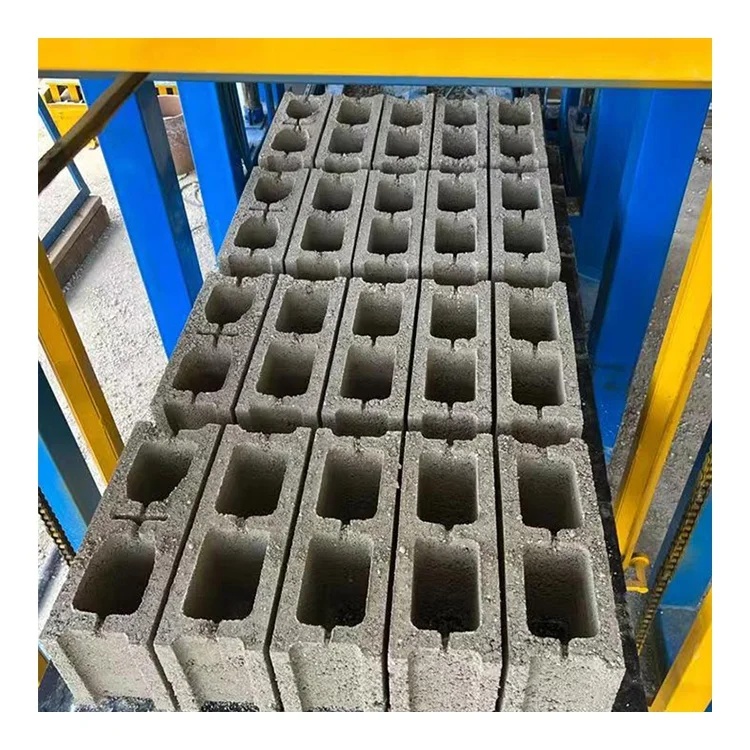
Interlocking brick formats vary by market — some regions use a two-hole design while others specify a three-hole or solid interlocking profile. When a buyer asks for a clay interlocking brick machine in stock, the mould availability matters just as much as the press itself. We confirm which standard interlocking moulds are on the shelf at the point of inquiry and quote additional formats with their own lead times so the buyer can plan. A machine without the right mould on day one is still a machine waiting [NEED_CITE: interlocking brick format standards by region].
What the Hydraulic Pressure Range Means for Clay Mixes
The LY4-10 operates between 25 and 32 MPa hydraulic pressure across a 7–10 second molding cycle. For clay-based mixes, this pressure range must be matched to the moisture content and cement ratio of the specific local soil. Higher clay content typically demands higher pressure to achieve adequate compaction, but excessive pressure on a wet mix pushes moisture to the surface and weakens the green brick. The 11 kW motor drives the hydraulic pump that generates this force, and its rating is sized for continuous cycling rather than intermittent use. Buyers working with high-plasticity laterite soils should expect to run toward the upper end of the pressure range, while sandy clay blends compact well at lower settings. The automatic cycle — covering material feeding, mould pressing, and mould lifting — keeps the interval consistent so each brick receives the same compaction profile.
The Cost of Skipping the Raw Material Trial
A machine configured for a standard cement-sand mix will underperform on local clay if no trial is conducted beforehand. I have seen bricks crumble straight out of the mould because the moisture content was two percent above what the machine was set for, and the operator had no reference point to adjust. Green strength failures cascade — pallets jam, stacking breaks down, and the daily output collapses well below what was quoted. Every soil behaves differently under pressure, and skipping a pre-shipment sample test turns the first week on site into an expensive experiment [NEED_CITE: clay brick compressive strength variation with moisture content].
Why Buyers Choose This Source for Stock Machines
Block machinery is the only product line we build, so the LY4-10 press, its interlocking mould, pallets, and handling equipment are specified as a matched set rather than assembled from unrelated suppliers. Voltage and control language are confirmed against the buyer’s actual destination before dispatch, not left as a default. Each unit ships with packing photographs, factory test records, and customs documentation so the buyer can track the machine from our Linyi workshop to the port of arrival. Automation level is selectable — a buyer can take the LY4-10 in its full automatic mode now and add stacking or cubing equipment later as production scales.
Documentation & Verification
- Factory test record run on buyer-specified clay sample before dispatch
- Voltage, frequency, and control language confirmation sheet signed pre-shipment
- Hydraulic and electrical schematic matching the as-built configuration
- Container loading photographs showing dismantling and securing method
- Operation and maintenance manual in confirmed control display language
Installation, Commissioning & Support
- Foundation pad sized to the 2260 × 1500 mm footprint with anchor bolt template provided
- Dedicated 11 kW circuit with correct phase and breaker rating for confirmed voltage
- Dismantled upper frame reassembled on site following numbered hose and loom tags
- First-run parameter tuning against buyer’s local clay sample and moisture level
- Operator training covering mould change sequence and daily hydraulic check points
- Wearing parts list identifying mould liners and hydraulic seals for initial spare stock
What We Need to Quote Your Dispatch Date
To give you an honest arrival timeline, send us your target interlocking brick format with dimensions, the local clay type you plan to use, your site voltage and frequency, and the language you need on the control display. If you can share a raw material sample or a recent soil test report, we will run a compaction trial before confirming the hydraulic pressure setting and dispatch date.
Frequently Asked Questions
Q: Is the LY4-10 currently in stock and what is the dispatch lead time?
A: Stock status depends on the configuration you need. A unit matching your voltage, frequency, and control language can be prepared for dispatch once the electrical specifications are confirmed and a factory test is completed. We quote the lead time at inquiry based on current workshop scheduling and any modifications required.
Q: How is the machine dismantled and loaded for container shipment?
A: The upper frame is separated from the base to fit within a standard container. Hydraulic hoses and electrical connections are tagged, bundled, and photographed at each loading stage. The 1500 kg total weight is distributed across secured pallets to prevent movement during transit.
Q: Can voltage and frequency be customized before the machine leaves the factory?
A: Yes. Voltage, frequency, and phase are confirmed in writing before production or dispatch. The motor and control panel are wound or programmed to match your local grid specification, and the setting is verified during the pre-shipment factory test.
Q: What moulds ship with the machine and are additional formats available?
A: Each LY4-10 ships with one interlocking brick mould matched to your specified format. Additional interlocking profiles can be quoted at the time of order based on current mould stock and production scheduling at our facility.
Q: What documentation and customs support is provided with the shipment?
A: The shipment includes a factory test record, hydraulic and electrical schematics, an operation manual in your confirmed language, packing photographs, and customs documentation support for the destination port.