Description
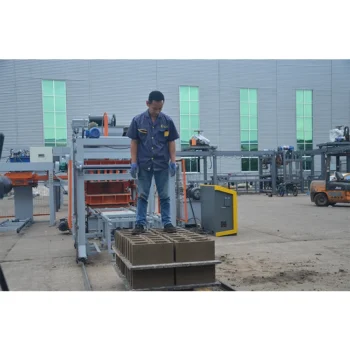
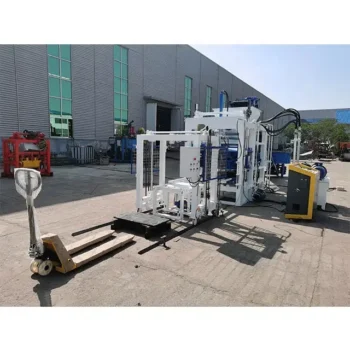
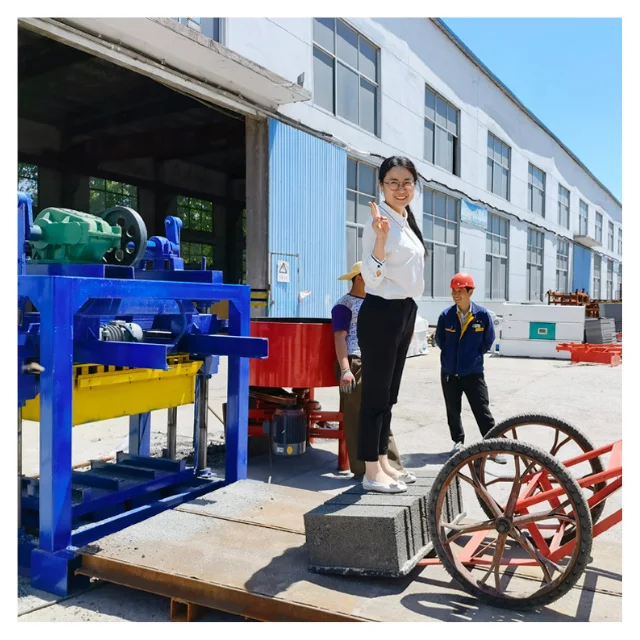
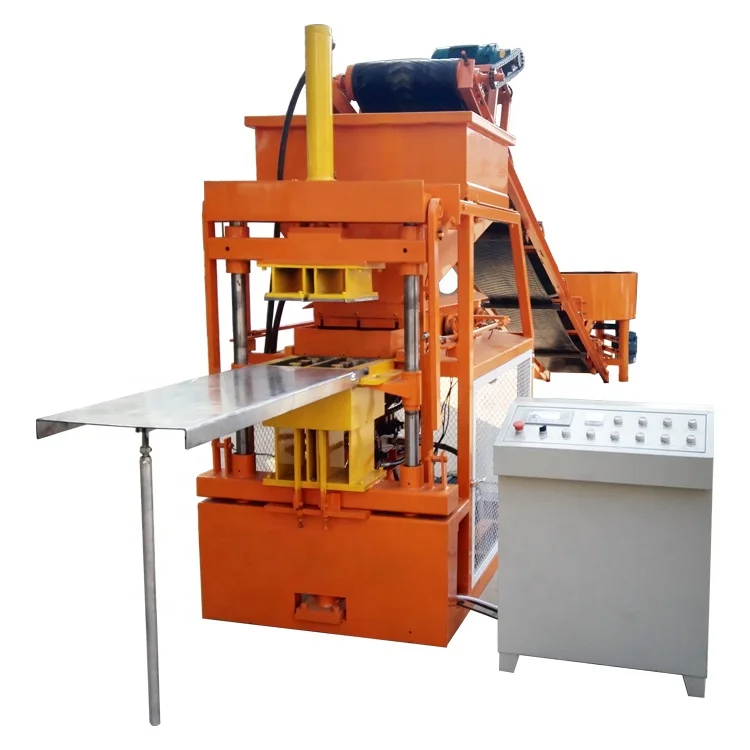
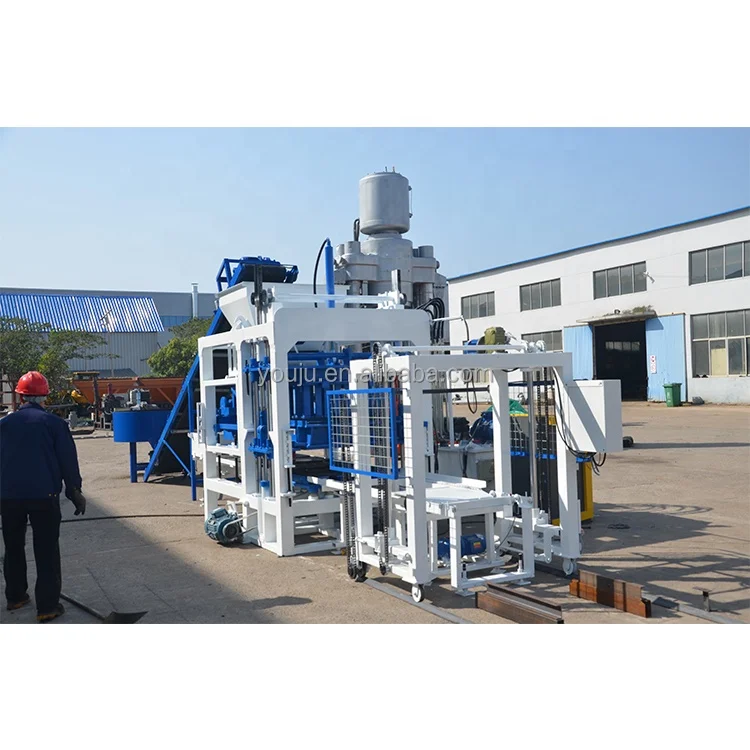
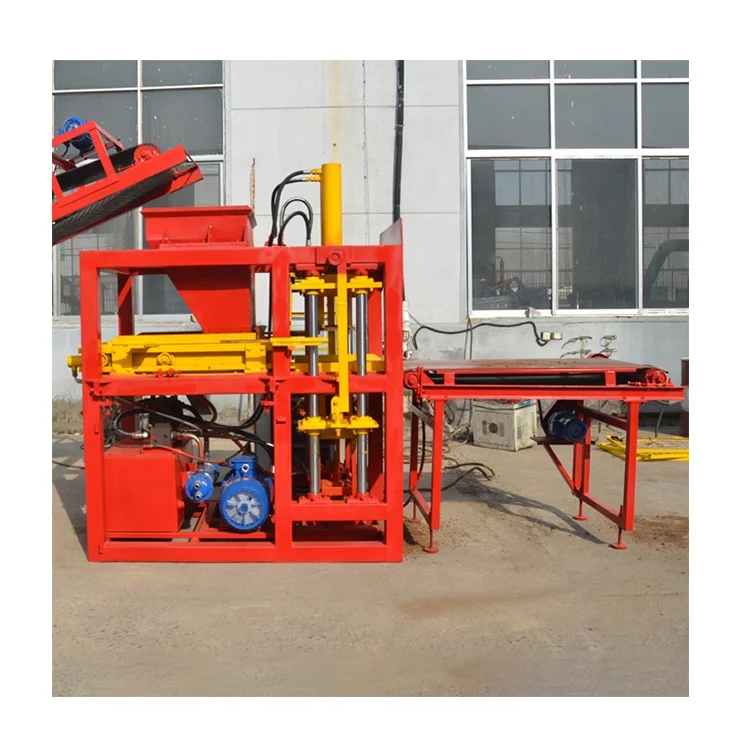
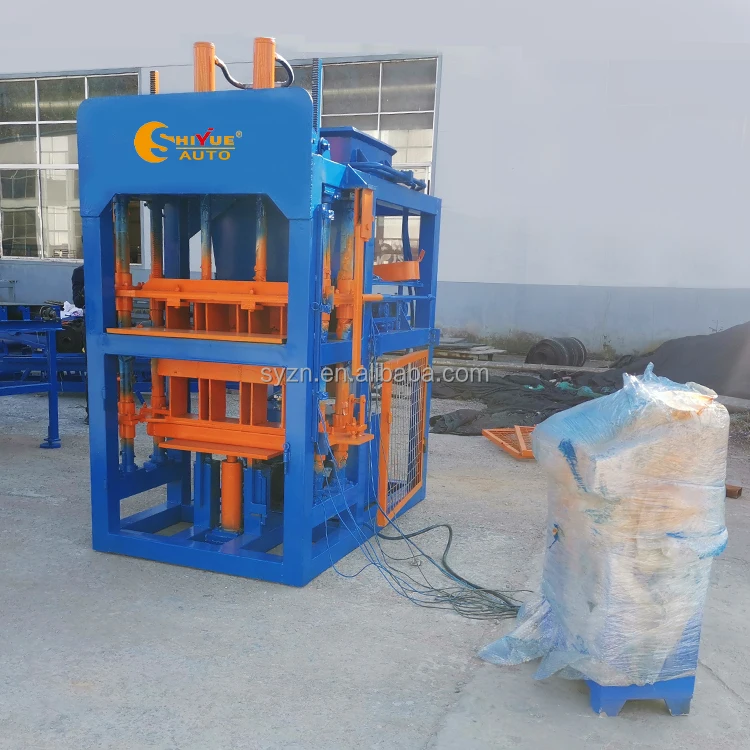
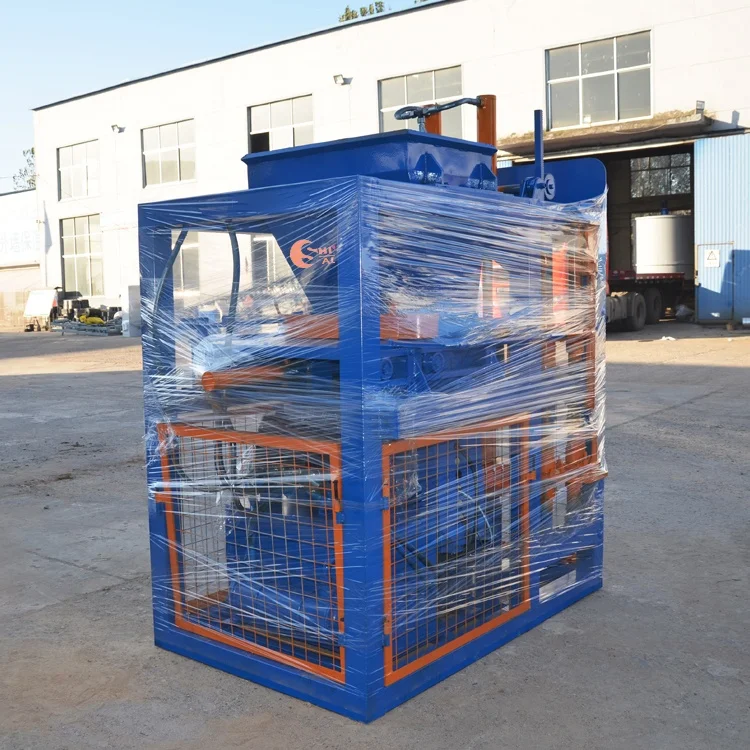
Stocked Block Machine Range — every LY4-10 in our dispatch yard is tested against your local clay and cement mix before loading, not a generic catalogue default.
Technical Specifications
| Parameter | Value |
|---|---|
| Model | LY4-10 |
| Product Type | Clay Interlocking Brick Making Machine |
| Rated Power | 11 kW |
| Hydraulic Pressure | 25-32 MPa |
| Molding Cycle | 7-10 seconds (basis not stated in source — confirm block format and material) |
| Output per Cycle | 4 pcs (block format not stated in source) |
| Overall Dimensions | 2260 × 1500 × 2380 mm |
| Net Weight | 1500 kg |
| Control System | PLC (type to be confirmed per order) |
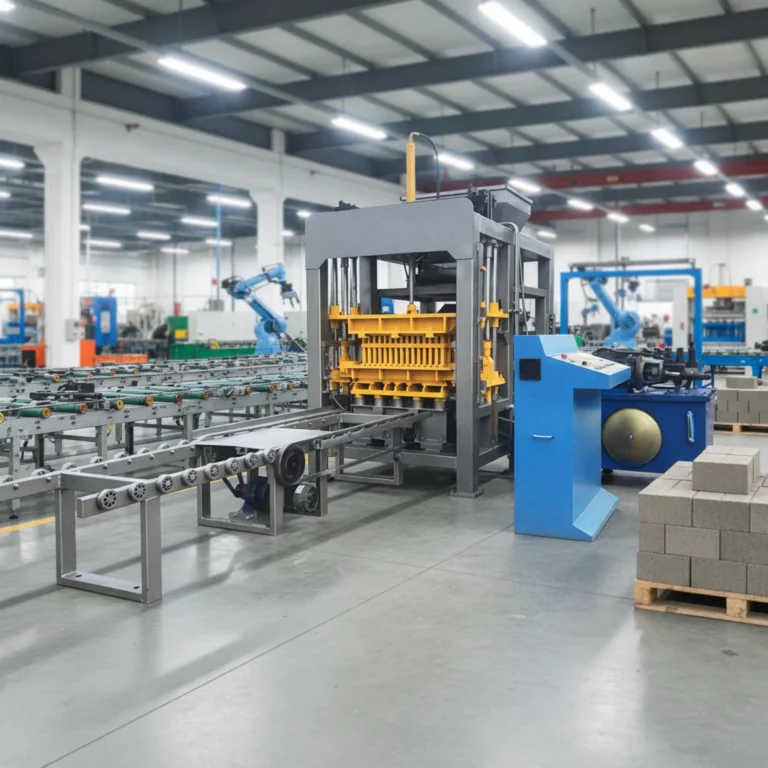
| Automation Level | Automatic material feeding, mould pressing and mould lifting |
| Voltage | Customized to local supply (value to be confirmed) |
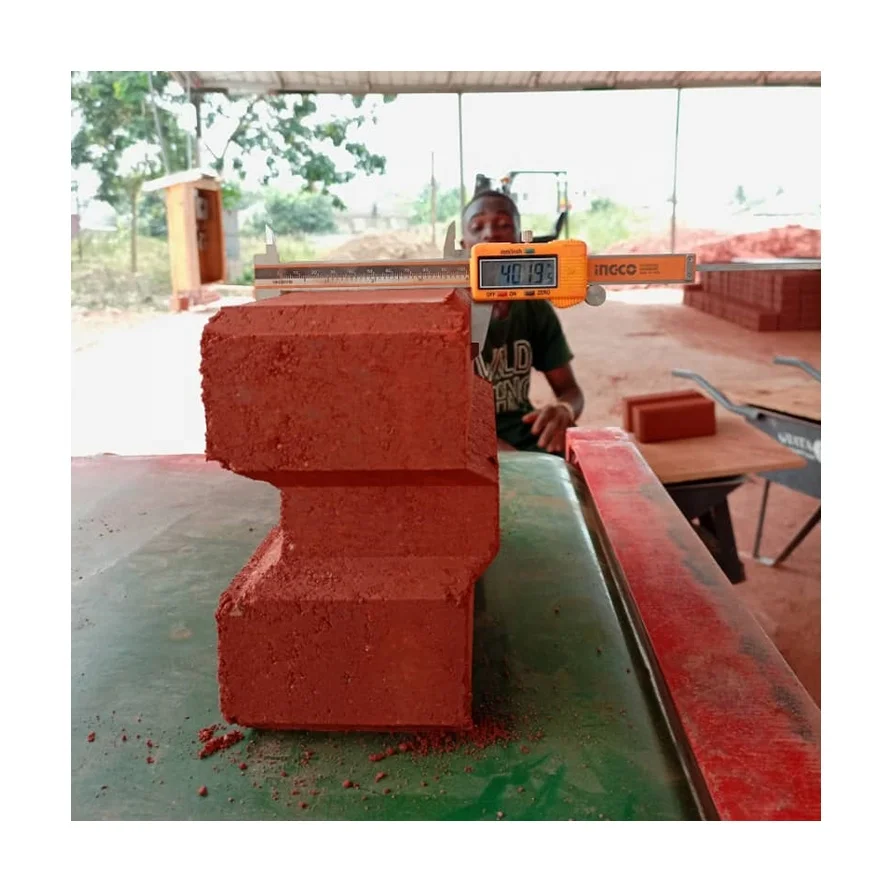
| Mould Format | Interlocking brick |
| Warranty | 1 year (excluding wearing parts) |
Application Suitability
| Application | Material or Output |
|---|---|
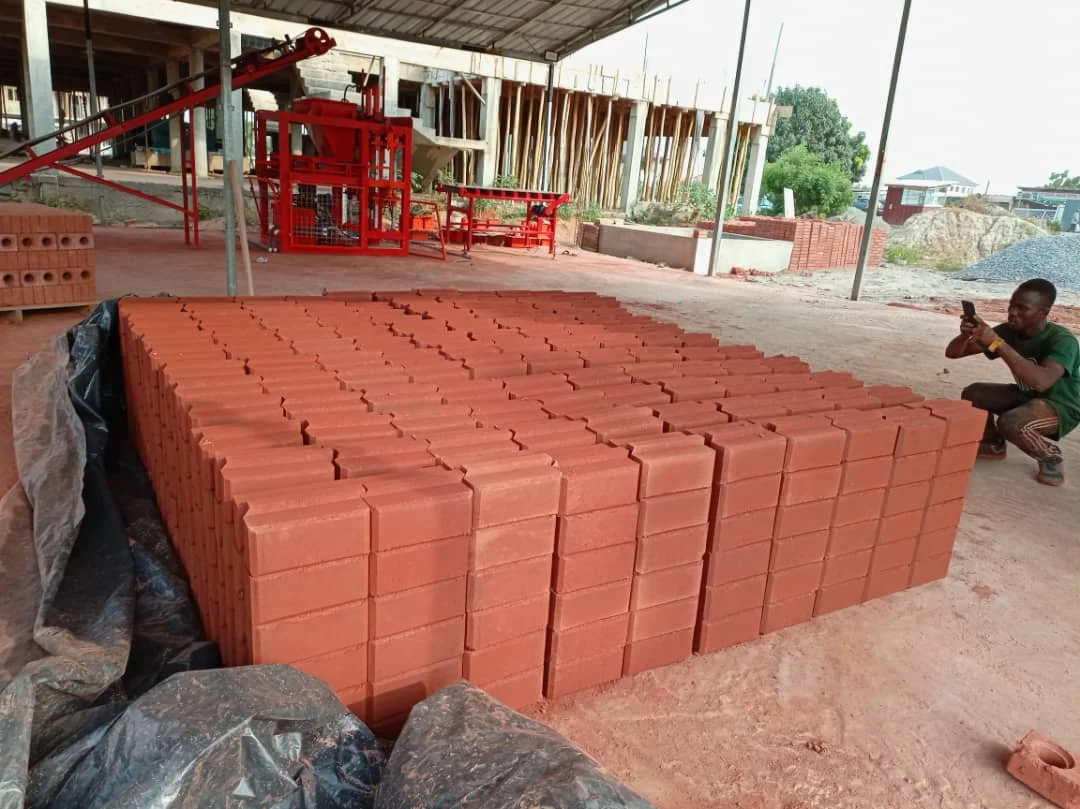
| Interlocking brick for wall construction | Clay and cement mix |
| Ecological brick for landscaping and retaining walls | Clay, cement and local aggregate blends |
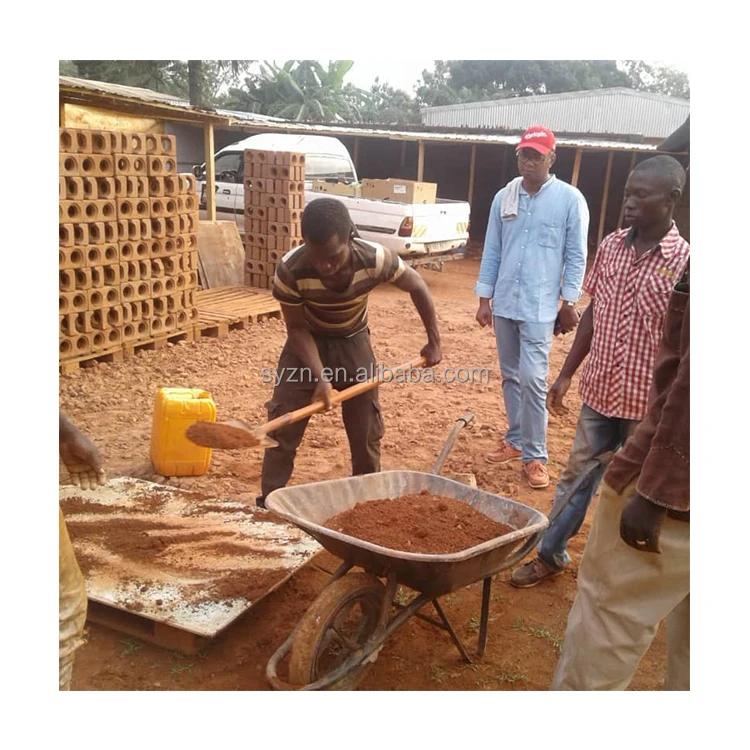
| On-site brick production for housing projects | Locally sourced clay with cement binder |
| Small plant production for regional distributors | Interlocking format in standard and custom moulds |
Why the Voltage Question Must Come Before Dispatch
Confirming voltage and frequency against your site supply avoids a machine that sits idle on arrival.
I have watched containers reach port only for the buyer to discover the motor was wound for 380V 50Hz while the local grid runs 440V 60Hz. The LY4-10 interlocking brick making machine in stock leaves our yard with a motor matched to your confirmed supply, but only if that detail is locked before crating. A voltage mismatch on an 11 kW motor is not a simple transformer fix — it means rewinding or replacing the motor entirely, which stalls commissioning by weeks. [NEED_CITE: voltage and frequency standards by export market]
Dispatch Timing for Project-Deadline Buyers
When a contractor commits to a housing phase with a fixed handover date, the LY4-10 interlocking brick making machine in stock is pulled from the yard and prepared for container loading. We confirm the dispatch lead time at the quotation stage, not after payment. The 1500 kg net weight and compact 2260 × 1500 × 2380 mm footprint allow straightforward loading into a standard container with room for pallets and wearing parts alongside the press.
What "In Stock" Actually Means for Your Order
Stock means the press frame, hydraulic cylinder and PLC cabinet are assembled and have passed a factory bench test. It does not mean the machine is configured for your specific interlocking brick format or your local clay-cement ratio. Before crating, we run a test cycle using your confirmed mix design and target brick dimensions, then record the actual molding cycle against the 7-10 second benchmark. This step separates a machine that produces on day one from one that needs a week of on-site adjustment. [NEED_CITE: CE machinery directive requirements for industrial equipment]
Hydraulic Pressure and Molding Cycle Explained
The 25-32 MPa hydraulic pressure range on the LY4-10 determines the compaction force applied to the clay-cement mix during each press stroke. Higher pressure within this range produces denser interlocking bricks with greater compressive strength, which matters for load-bearing wall applications. The molding cycle of 7-10 seconds covers the press stroke duration, and the actual figure depends on your mix moisture content, aggregate grading and brick thickness. Automatic material feeding and mould lifting remove two manual steps from each cycle, keeping the operator focused on pallet handling and quality checks rather than repetitive lever work.
The Cost of Skipping the Mix Confirmation Step
Sending a block machine configured for standard river sand to a site that only has volcanic ash or laterite clay creates a mismatch between vibration timing and material behavior. The result is bricks that crack during curing or fail to interlock cleanly because the density is uneven. On the LY4-10, we adjust the hydraulic pressure setpoint and cycle timing to match your confirmed aggregate before the machine is dismantled for shipment. Skipping this step means the first production run on site becomes an expensive experiment rather than a continuation of the factory test. [NEED_CITE: aggregate variability in brick production across export markets]
Why Buyers Source This Machine Through Our Dispatch Yard
Block machinery is our single focus, so the LY4-10 press, interlocking mould, pallet specification and handling accessories are specified as one matched system. We confirm voltage, frequency and PLC display language against your site conditions before production or dispatch. Container loading plans account for the 1500 kg machine weight and 2260 × 1500 × 2380 mm dimensions, with dismantling arrangements stated in the quotation. Installation support covers first start-up, operator training and mould change procedure so your team is producing before our technician leaves site.
Documentation & Verification
- Factory test record using your confirmed clay-cement mix and interlocking brick format
- Machine specification sheet with hydraulic pressure setpoint and voltage confirmed per order
- Container loading plan showing LY4-10 dismantling arrangement and weight distribution
- Operation and maintenance manual with mould change procedure and wearing parts list
- Voltage, frequency and PLC language confirmation document signed before dispatch
Installation, Commissioning & Support
- Foundation slab sized to the 2260 × 1500 mm footprint with anchor bolt template provided
- Dedicated power circuit rated for the 11 kW motor at your confirmed voltage and frequency
- Machine dismantled into press frame, hydraulic unit and control cabinet for container loading
- First production run supervised on site with hydraulic pressure set against your actual mix
- Operator training covering interlocking mould change, pallet handling and daily maintenance checks
- Wearing parts list and mould spare recommendations shipped with the machine
What We Need to Prepare Your Dispatch
To move a LY4-10 from stock to your container, we need your target interlocking brick dimensions, local clay type and cement grade, site voltage and frequency, and the curing area layout you have planned. Share your project deadline and port of destination so we can quote an arrival estimate alongside the dispatch lead time. If you already have pallets on site, send us the dimensions so we confirm compatibility before loading.
Frequently Asked Questions
Q: Is the LY4-10 currently in stock and what is the dispatch lead time?
A: The LY4-10 interlocking brick making machine is held in our dispatch yard and available for immediate preparation. Lead time from order confirmation to container loading depends on the mix confirmation and voltage customization required. We quote the dispatch date in writing before you commit so your project timeline stays intact.
Q: How is the machine packed and loaded into a container for shipment?
A: The LY4-10 at 1500 kg is dismantled into the press frame, hydraulic power unit and PLC control cabinet for loading. Each assembly is secured against movement inside the container, and wearing parts plus mould spares are packed alongside. A loading photograph set is sent before the container is sealed.
Q: Will the motor voltage match my local supply on arrival?
A: We confirm your site voltage and frequency at the quotation stage and match the 11 kW motor accordingly before dispatch. The PLC display language is also set to your preference. This prevents the most common cause of delayed commissioning — a machine that cannot be powered up on arrival.
Q: What is the arrival estimate from dispatch to my port?
A: We provide an estimated transit time from our port to your destination port at the quotation stage, based on current shipping schedules. This estimate is stated alongside the dispatch lead time so you can plan site preparation and raw material procurement before the container arrives.