Description
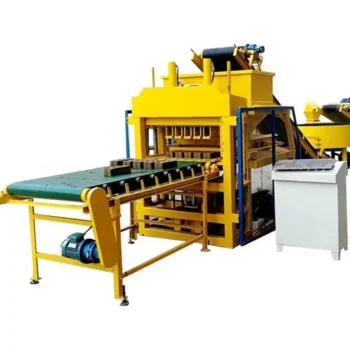
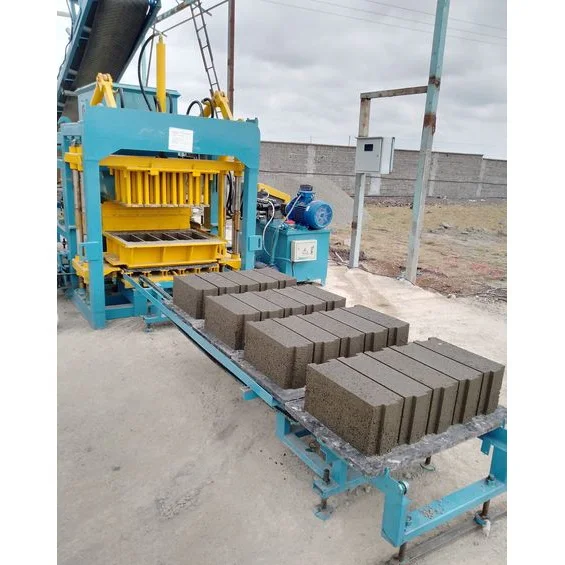
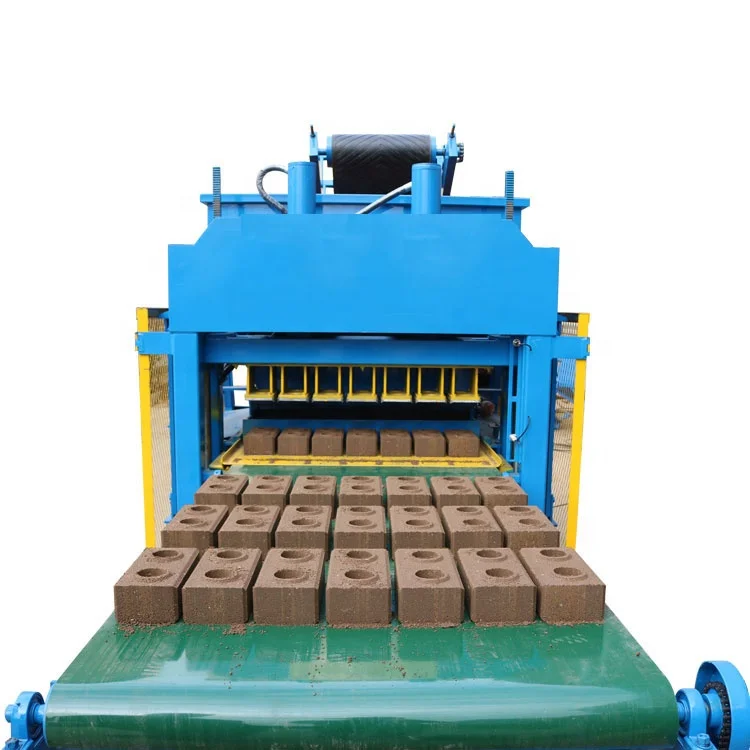
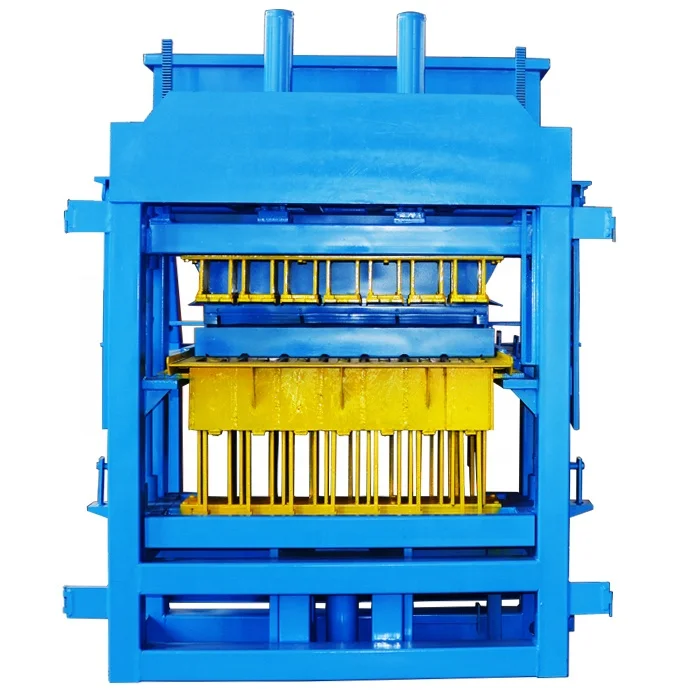
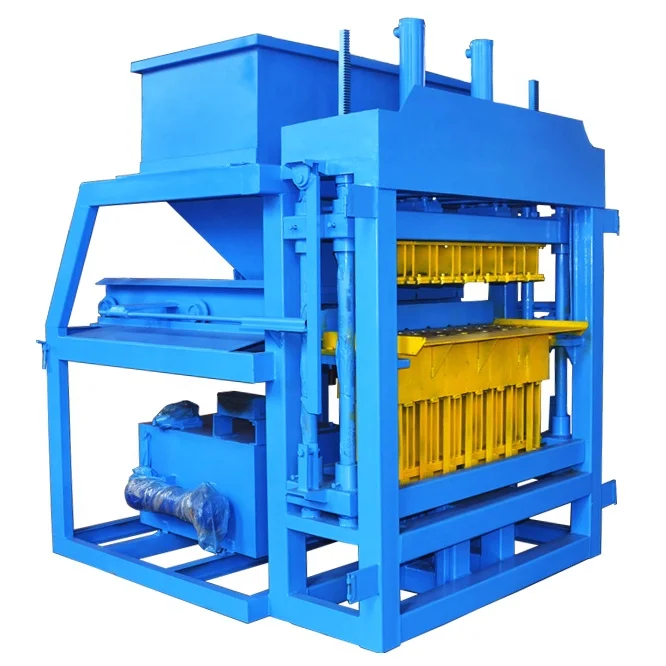
Stocked Configuration — the LY7-10 automatic clay interlocking brick making machine is held in warehouse ready for dispatch, with container loading plan and port-to-port transit estimate provided before you commit, so your site preparation timeline stays intact.
Technical Specifications
| Parameter | Value |
|---|---|
| Model | LY7-10 |
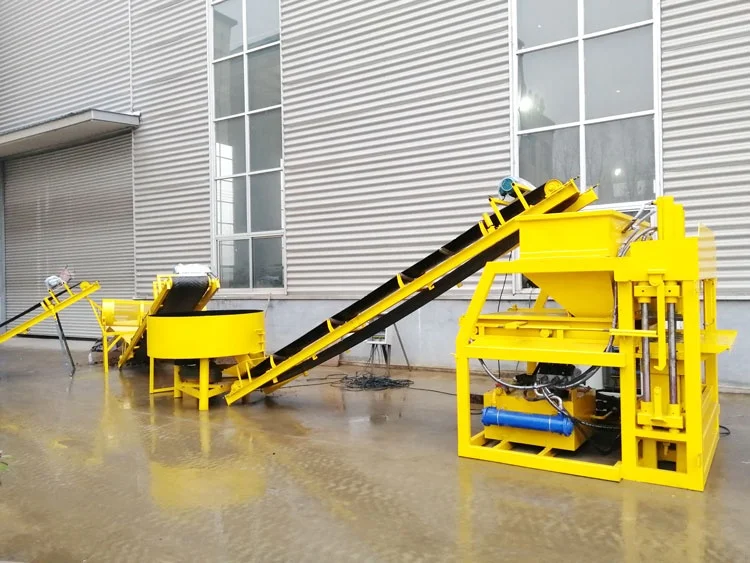
| Product Type | Automatic Clay Interlocking Brick Making Machine |
| Rated Power | 18.5 kW |
| Molding Cycle | 10–15 seconds per press |
| Output Capacity | 20,160 pcs/day based on 300×150×100 mm interlocking block, 7 pcs/mould |
| Raw Materials | Laterite, yellow or red soil, sand, cement, water |
| Hydraulic Pressure | 25–32.5 MPa |
| Mould Format | 300×150×100 mm interlocking block, 7 pcs/mould |
| Machine Weight | 1,600 kg |
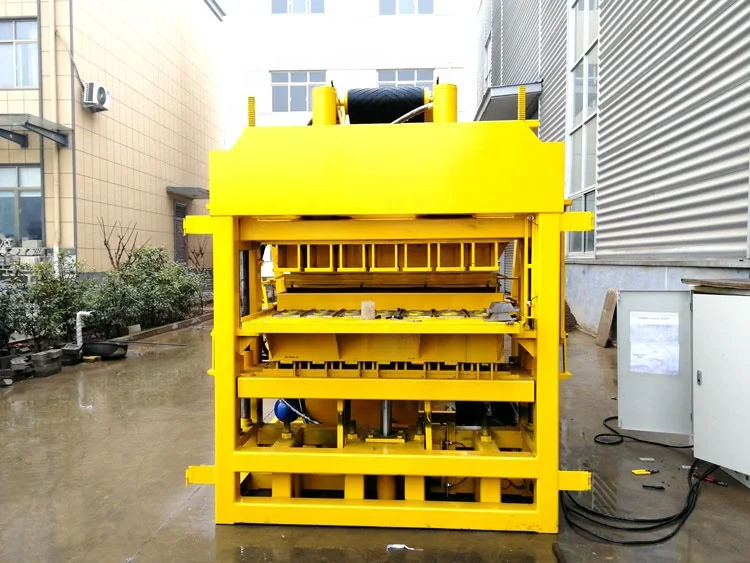
| Overall Dimensions (L×W×H) | 2,260 × 1,500 × 2,380 mm |
| Labor Requirement | 1–2 workers |
| Automation Level | Automatic feeding, pressing, and lifting |
| Voltage & Frequency | Configurable to buyer’s local supply — confirm before dispatch |
| Control System | Confirm with supplier |
| Pallet Size | Confirm with supplier |
Application Suitability
| Application | Material or Output |
|---|---|
| On-site interlocking brick production for housing projects | Laterite mixed with cement and water |
| Small-to-medium brick plants supplying interlocking block markets | Red or yellow soil blended with sand and cement |
| Contractor-run building sites requiring rapid brick supply | Locally sourced clay soils with cement binder |
| Replacement machine for existing interlocking block producers | Same mix design as previous output, minimal re-tooling |
Why Dispatch Timing Matters More Than the Brochure Promises
When a project deadline leaves no room for a multi-week production wait, sourcing an automatic clay interlocking brick making machine in stock means the difference between keeping masons working and paying idle crews. A stocked machine with a confirmed dispatch date is worth more than a higher-spec unit that will not ship for two months.
I have watched construction sites sit quiet because the brick machine was still in production back at the factory. The contractor had lined up labour, materials, and scaffolding, but the press itself was six weeks from leaving the workshop. By the time it arrived and was commissioned, the rainy season had started and the schedule was already broken [NEED_CITE: impact of equipment lead time on construction project schedules]. That is the gap this LY7-10 is positioned to close — it sits in the warehouse now, not on a production schedule that has not started yet.
From Warehouse Floor to Container Deck
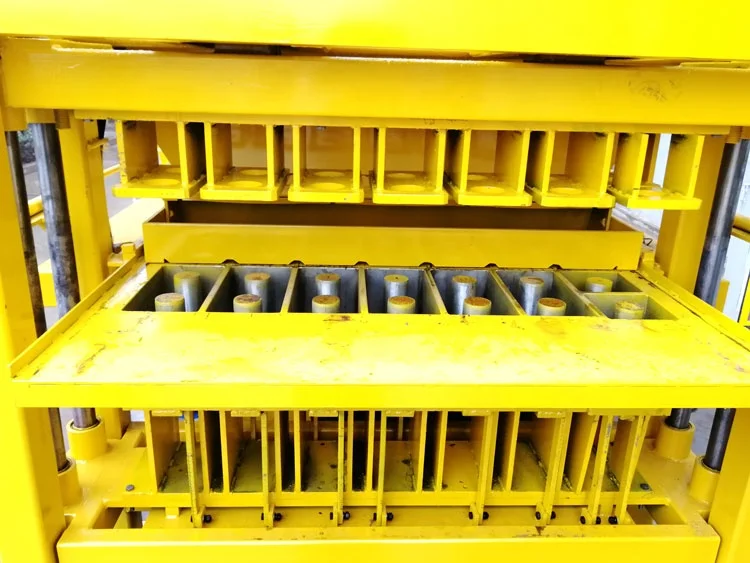
The LY7-10 automatic clay interlocking brick making machine in stock is not a catalogue placeholder — it is a physical unit that can be inspected, photographed, and loaded. At 1,600 kg and 2,260 × 1,500 × 2,380 mm overall dimensions, the machine can be dismantled into main assemblies for container loading. Before dispatch, you receive loading photographs showing how each component is secured, so there are no surprises when the container opens at destination.
Arrival Timing You Can Build a Schedule Around
The dispatch lead time and port-to-port transit estimate are quoted before the order is confirmed, not discovered after payment. This matters because your site team needs to know when to pour the machine foundation, when to have the electrician on site for the 18.5 kW power connection, and when to stage the first batch of laterite and cement [NEED_CITE: site preparation requirements for block making equipment installation]. An arrival estimate given upfront lets you sequence these tasks instead of guessing.
How the Numbers Translate on the Shop Floor
The 10–15 second molding cycle paired with 7-cavity moulds produces interlocking bricks at a rate that keeps a small crew continuously occupied without overproduction piling up in the curing area. The 25–32.5 MPa hydraulic pressure is the force that determines whether the interlocking bricks hold their tongue-and-groove profile after demoulding — too low and the edges crumble during handling, too high and the clay mix gets squeezed out of the mould cavity. The 18.5 kW rated power covers the hydraulic pump and vibration motor combined, which means your electrical supply needs a dedicated circuit sized for that draw plus a starting surge margin. For clay interlocking brick production, the moisture content of the laterite or red soil mix directly affects how the hydraulic pressure translates into brick density — a wetter mix will compress more but may stick to the mould, while a drier mix needs the full pressure range to achieve interlocking edge integrity.
The Cost of Skipping the Voltage Check Before Loading
I once shipped a unit to South America where the site was wired for 380V/60Hz, and the machine motor burned out within the first hour of operation. The entire site stopped while replacement parts crossed the ocean. Since then, every machine I oversee for dispatch goes through a voltage and frequency verification against the buyer’s actual site supply, and the nameplate is photographed before the container doors close. For the LY7-10, voltage and frequency are configurable, but they must be confirmed in writing before dispatch — this is not a step that can be assumed or left to a generic default [NEED_CITE: voltage and frequency standards by export market]. A motor rated for the wrong frequency will run at the wrong speed, which changes the vibration force, which changes the brick density, which means your interlocking bricks fail the drop test on arrival.
Why Buyers Source This Machine Through a Stock-and-Dispatch Channel
Block machinery as a single focus means the LY7-10 machine, its interlocking mould, and the pallet specification are discussed as one matched set before the container is booked. The dispatch lead time is confirmed in writing at quotation stage, not revised after production delays. Container loading photographs are taken and shared before the container is sealed, giving you a visual record of how the 1,600 kg machine is braced and secured. Port-to-port transit time is estimated upfront so your installation team can be scheduled against a known arrival window. The mould for the 300×150×100 mm interlocking block format ships with the machine from stock, eliminating a second shipment and a second round of customs paperwork.
Documentation & Verification
- Factory test record showing cycle times on your specified interlocking block format before dispatch
- Machine specification sheet confirming hydraulic pressure range and molding cycle values
- Voltage and control language confirmation document signed off before container loading
- Packing photographs showing dismantling state and securing method inside the container
- Customs documentation support including HS code and export declaration paperwork
Installation, Commissioning & Support
- Machine foundation must accommodate the 2,260 × 1,500 mm footprint with level tolerance for hydraulic alignment
- Dedicated electrical circuit rated for 18.5 kW plus starting surge, with voltage and frequency confirmed to local supply
- Main assemblies dismantled for container transport and reassembled on site with alignment checks
- First production run supervised to confirm 10–15 second molding cycle and brick release from the 7-cavity mould
- Operator training covers mix moisture adjustment for laterite and soil to maintain interlocking edge integrity
- Mould wear parts list provided with recommended replacement intervals based on clay abrasion rates
What to Share When You Are Ready to Move
To lock in the dispatch timeline for the automatic clay interlocking brick making machine in stock, the useful details are your destination port, your site voltage and frequency, and the interlocking block format you plan to produce. If you have an existing curing area or forklift, share the dimensions so pallet size can be matched before loading. The earlier the voltage confirmation happens, the less risk there is of a commissioning delay when the machine arrives.
Frequently Asked Questions
Q: Is the LY7-10 physically in stock or built to order?
A: The LY7-10 is held as a stocked unit in the warehouse, not scheduled for future production. Physical availability can be verified with current warehouse photographs showing the machine serial number, and a dispatch date is confirmed at quotation stage rather than estimated after an order is placed.
Q: How many days from order confirmation to container dispatch?
A: Dispatch lead time for a stocked LY7-10 is quoted in writing at the time of order confirmation and depends on pre-shipment voltage verification and any custom mould requirements. Because the machine itself does not need to be manufactured, the timeline is measured in working days for preparation and loading, not production weeks.
Q: What is the container loading plan for the LY7-10?
A: The machine is dismantled into main assemblies to fit container dimensions, with each component secured against movement during ocean transit. Loading photographs are taken and shared with the buyer before the container doors are sealed, providing a visual record of packing condition at the point of dispatch.
Q: What arrival estimate can I expect at my destination port?
A: A port-to-port transit time estimate is provided before order confirmation based on your destination port and current shipping schedules. This estimate allows your installation team and site preparation work to be scheduled against a known arrival window rather than an open-ended guess.
Q: Can standard interlocking brick moulds ship together with the machine from stock?
A: The 300×150×100 mm interlocking block mould, producing 7 bricks per press, ships together with the LY7-10 from stock in the same container. This avoids a separate shipment and ensures the machine can begin production immediately after on-site commissioning without waiting for moulds to arrive.