Description
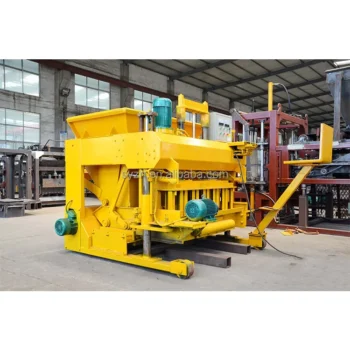
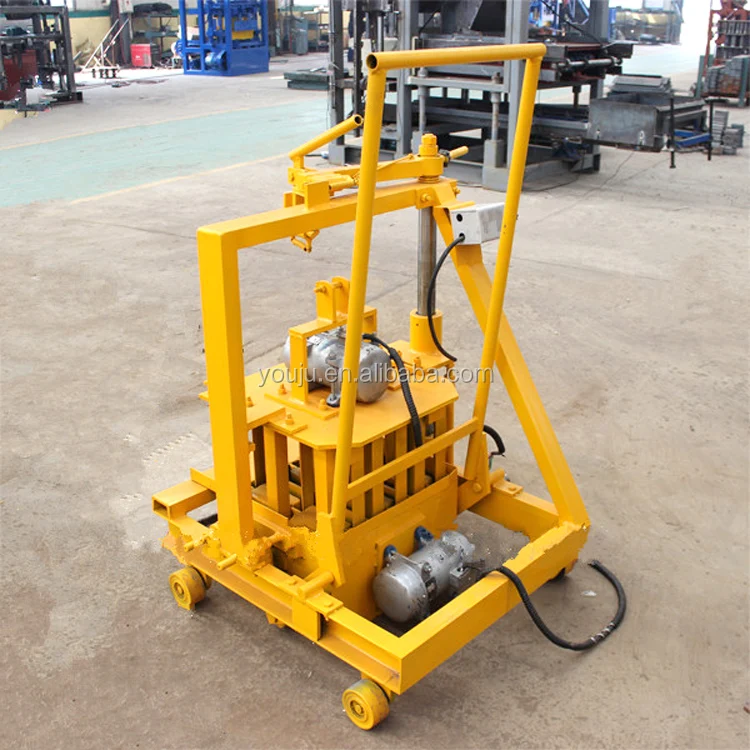
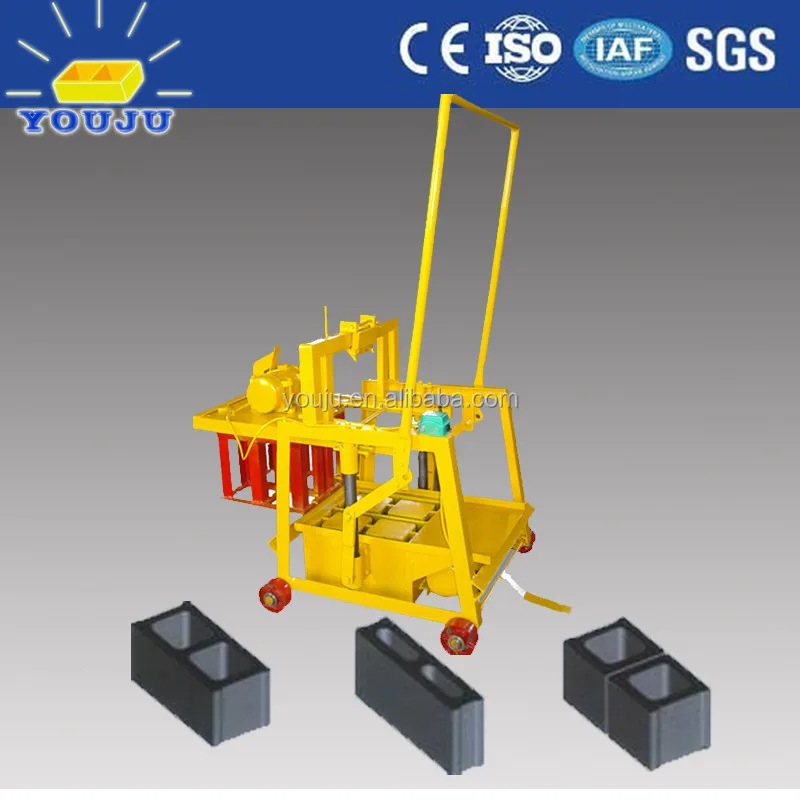
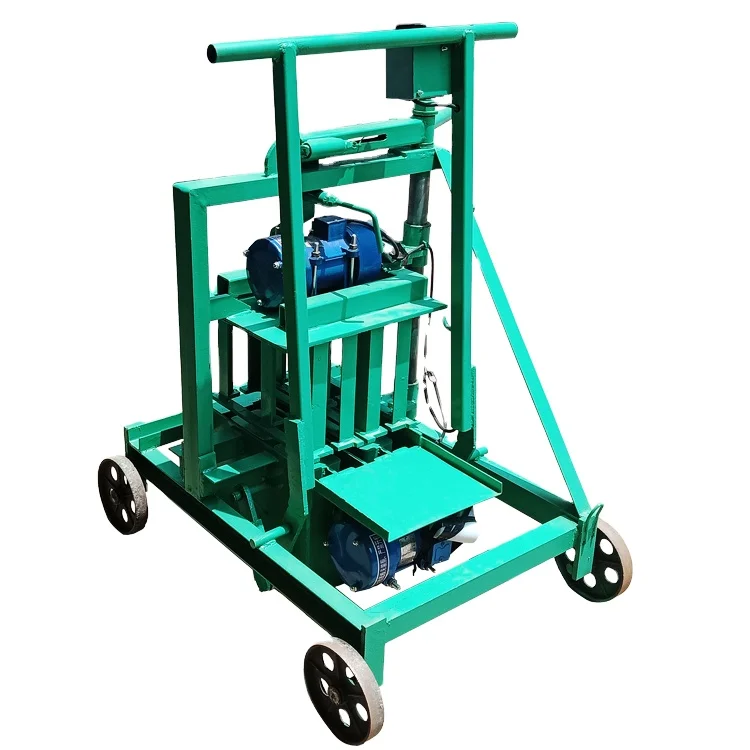
Dispatch-Ready Configuration — The QMJ2-45 mobile egg-laying block machine ships as a matched, palletless system tested against your target hollow block format before it leaves the factory floor.
Technical Specifications
| Parameter | Value |
|---|---|
| Model | QMJ2-45 |
| Product Type | Mobile Egg-Laying Concrete Block Making Machine |
| Machine Operation | Manual, egg-laying (palletless) |
| Pallet Requirement | None |
| Power Source | Flexible (not limited to diesel or fixed supply) |
| Labor Requirement | 1 to 3 workers |
| Mould Change | Supports multiple hollow brick formats via mould swap |
| Molding Cycle | 25–30 seconds |
| Output Capacity (400×200×200mm hollow block) | 160 pcs/h, 1,280 pcs/8hr (2 pcs/mould, 25–30s cycle) |
| Output Capacity (400×150×200mm hollow block) | 240 pcs/h, 4,800 pcs/8hr per source (basis to be confirmed) |
| Output Capacity (400×100×200mm hollow block) | 320 pcs/h, 2,560 pcs/8hr (4 pcs/mould, 25–30s cycle) |
| Mould Heat Treatment | Carburization technology |
| Steel Quality | High-quality structural steel |
| Control System | Manual operation |
| Automation Level | Manual |
| Standards | ISO 9001:2000, CE |
Application Suitability
| Application | Material or Output |
|---|---|
| On-site hollow block production for housing projects | Crushed stone, sand, cement, water |
| Remote construction sites without fixed plant infrastructure | Local aggregate with cement binder |
| Small-scale block yard startups with limited capital | River sand, quarry dust, cement |
| Contractor-produced blocks for masonry walls | Standard concrete mix, site-available filler |
What "In Stock" Really Means When the Project Clock Is Ticking
A stocked mobile block machine only matters if the moulds, seals, and electricals are confirmed and packed before the container doors close.
Project deadlines in West Africa and South Asia rarely wait for a six-week production lead. I have watched contractors in Lagos pay idle crews for two weeks because a hydraulic seal failed and no spare was packed with the shipment. A mobile block machine in stock should mean the complete unit — matched mould, tested electricals, and a seal kit — is ready to load, not just that a bare frame sits in a warehouse. [NEED_CITE: typical dispatch delays caused by incomplete accessory packing in construction machinery exports]
Palletless Operation Cuts the Jobsite Footprint
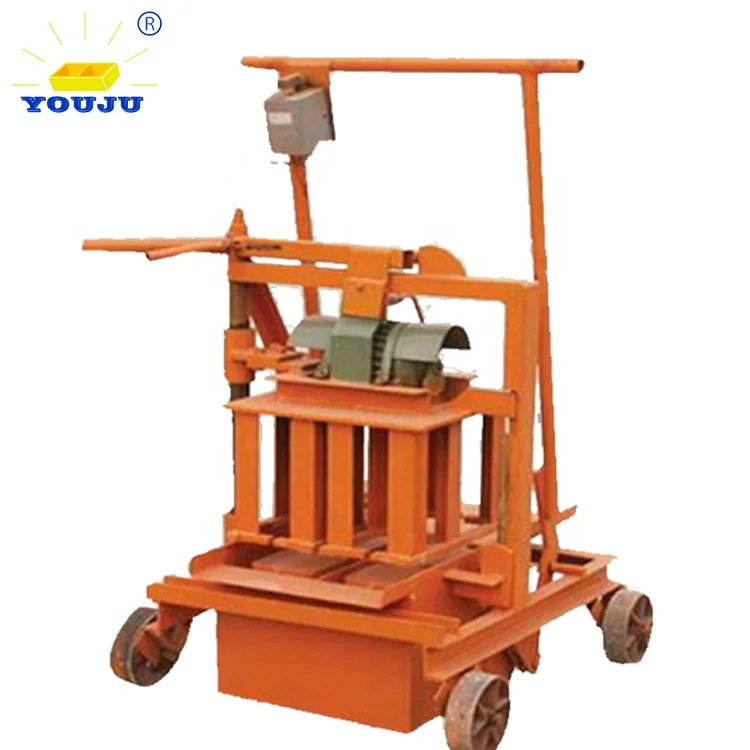
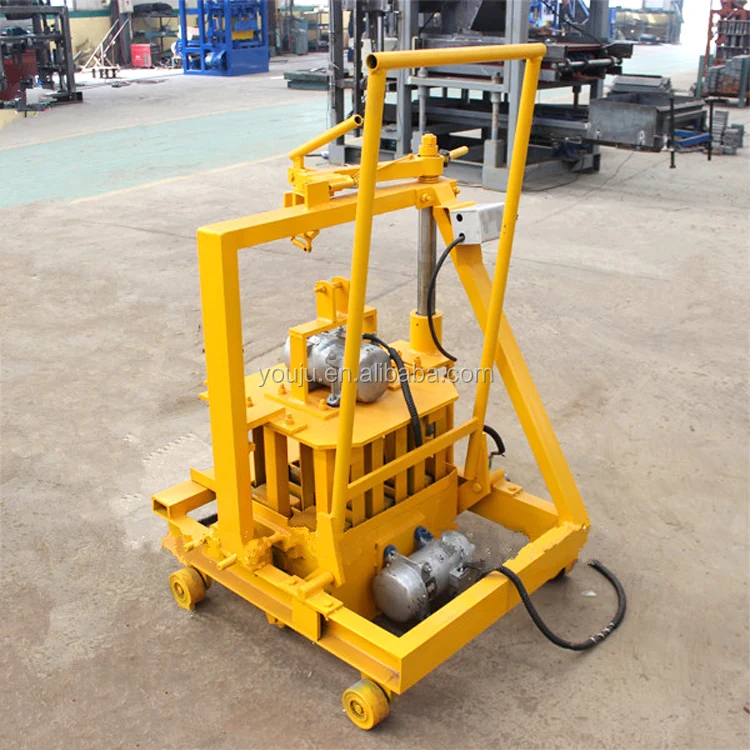
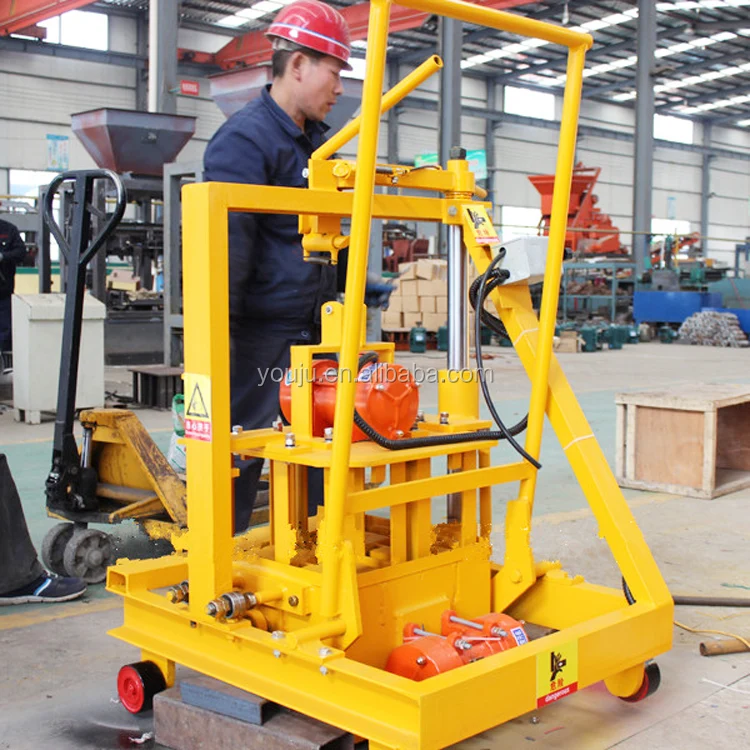
The QMJ2-45 lays blocks directly on the ground and moves forward after each cycle, eliminating the need for curing pallets entirely. For a contractor producing hollow blocks beside a foundation trench, this means no pallet storage racks, no forklift shuttling, and no pallet replacement budget eating into margins. The machine’s egg-laying design keeps the production zone compact, which matters when you are working inside a fenced urban lot or along a narrow road corridor where space is measured in meters.
Mould Swaps Keep the Same Machine Relevant Across Phases
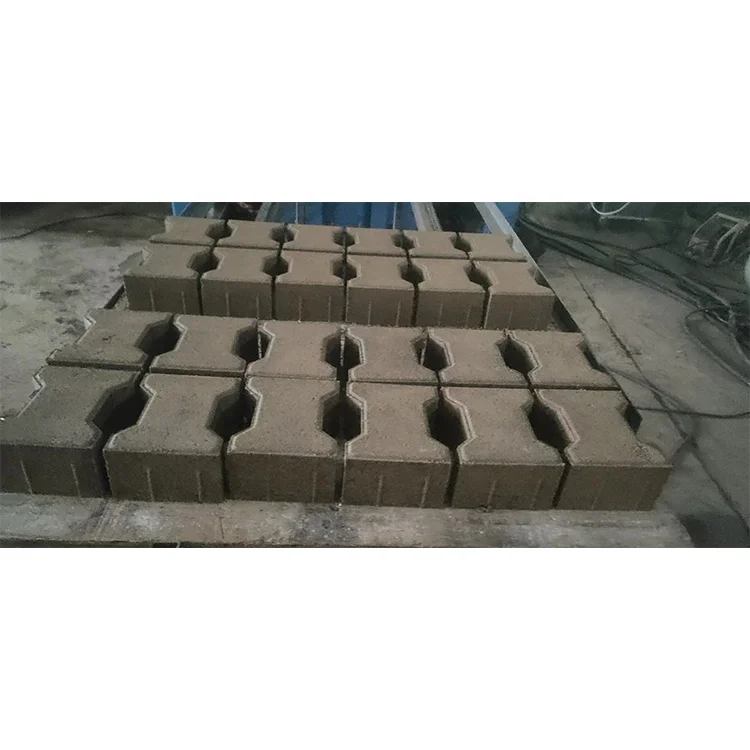
A single QMJ2-45 can shift between 400×200×200mm, 400×150×200mm, and 400×100×200mm hollow brick formats by changing the mould box. On a multi-phase housing development, the structural walls require wider blocks while partition walls call for narrower ones. Rather than bringing in a second machine, the crew swaps the mould — a mechanical operation that does not require specialist tooling. The carburization heat treatment on the mould surfaces resists the abrasive wear from daily contact with aggregate-laden concrete. [NEED_CITE: mould wear rates under continuous concrete block production in tropical climates]
Reading the Specs That Decide Daily Output
The molding cycle of 25–30 seconds governs how many blocks each cavity produces per hour. At two cavities for the 400×200×200mm format, the machine completes roughly 160 hollow blocks per hour. Switching to the 400×100×200mm format doubles the cavities to four, raising the hourly count to approximately 320 pieces on the same cycle. Manual operation means the actual rhythm depends on the crew’s feeding speed and consistency. With one to three workers managing the mix feed and machine movement, labor allocation directly shapes whether you hit the upper or lower end of the cycle window. Voltage and frequency must be confirmed with the buyer’s local supply before dispatch — an overlooked detail that has stalled commissioning on more than one site I have visited.
The Hidden Cost of Shipping Without Spares
A blown hydraulic seal or a cracked mould spring is a minor inconvenience when the spare is in the toolbox. It becomes a project-stopping event when the nearest hardware supplier is a day’s drive away. Buyers who focus only on the machine price and skip the spare parts conversation often discover that the cost of a two-week crew standstill dwarfs the price of the seals and wear parts they declined to pack. [NEED_CITE: project downtime costs from missing spare parts on remote construction sites]
Why Procurement Through This Channel Reduces Arrival Risk
Stock availability is stated upfront so you can match the dispatch date to your project mobilization schedule. Container loading plans are shared before shipment, showing how the QMJ2-45 is dismantled and braced for transit. Voltage, frequency, and control labeling are confirmed against your destination market before production or release from stock. Every shipment includes a factory test record demonstrating cycle timing on the block format you specified. Moulds and wearing parts are packed together with the main unit so nothing arrives in a separate, delayed consignment.
Documentation & Verification
- Factory test record showing cycle time on your specified hollow block format
- Container loading photographs documenting bracing and dismantling arrangement
- CE declaration covering the machine category for import clearance
- Mould drawing and format list confirming cavity count per block size
- Packing list with spare seal and wear part inventory included
Installation, Commissioning & Support
- Flat ground with compacted soil sufficient — no concrete foundation pad required for the QMJ2-45
- Power source flexibility allows diesel generator or grid connection at site voltage
- Machine ships partially dismantled; reassembly involves bolting the mould frame and handle bar
- First-run cycle timing verified with your local aggregate mix during commissioning
- Operator training covers mould change sequence and daily lubrication points
- Spare seal kit and mould wear inserts packed inside the shipment crate
What We Need to Confirm Your Dispatch Slot
To match a stocked QMJ2-45 to your site, share your target hollow block dimensions and the daily output you need to sustain. Confirm the local voltage and frequency so the electricals are set before loading. Let us know which mould formats you will run so the correct cavities and spare inserts go into the crate.
Frequently Asked Questions
Q: Is the QMJ2-45 currently in stock and how fast can it ship?
A: Stock status for the QMJ2-45 is confirmed at inquiry. Standard units with common hollow block moulds are typically available for dispatch within a short lead window. We provide the exact ready-to-load date and container booking timeline at quotation so you can align shipment with your project mobilization schedule.
Q: How is the machine loaded into a container for overseas delivery?
A: The QMJ2-45 is partially dismantled — handle bar, mould frame, and hopper are detached — to fit standard container dimensions. Bracing and blocking secure the main body during ocean transit. Loading photographs and a packing diagram are shared before the container doors are sealed.
Q: How should I verify the 8-hour output figures listed for different block sizes?
A: Each output figure is tied to a specific block format and cavity count. Ask for a capacity sheet that states the assumed mould, cycle time, and shift duration. This lets you compare the quoted number against your actual site rhythm rather than relying on a generic maximum.
Q: What installation conditions does the machine need when it arrives on site?
A: The QMJ2-45 requires a level, compacted ground surface — no concrete slab is necessary. Power can come from a portable generator or a local grid connection once voltage and frequency are confirmed. Reassembly is bolt-on and can be completed by the crew using standard hand tools within a working day.
Q: Are moulds and spare wear parts included in the shipment?
A: The mould for your chosen block format ships mounted on the machine. Additional format moulds and a spare wear kit — including seals, springs, and carburized liner inserts — are packed in the same crate when specified at order, so everything needed for startup arrives together.