Description
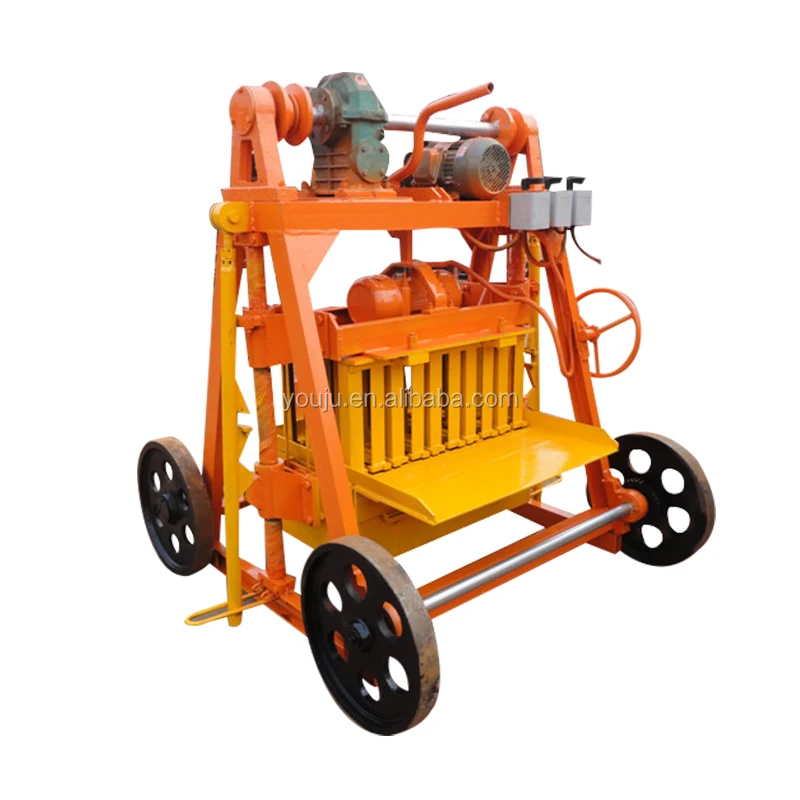
Stocked & Ready to Dispatch — we hold QMJ4-45 mobile block machines in our warehouse so your project site does not wait weeks for production slots.
Technical Specifications
| Parameter | Value |
|---|---|
| Model | QMJ4-45 |
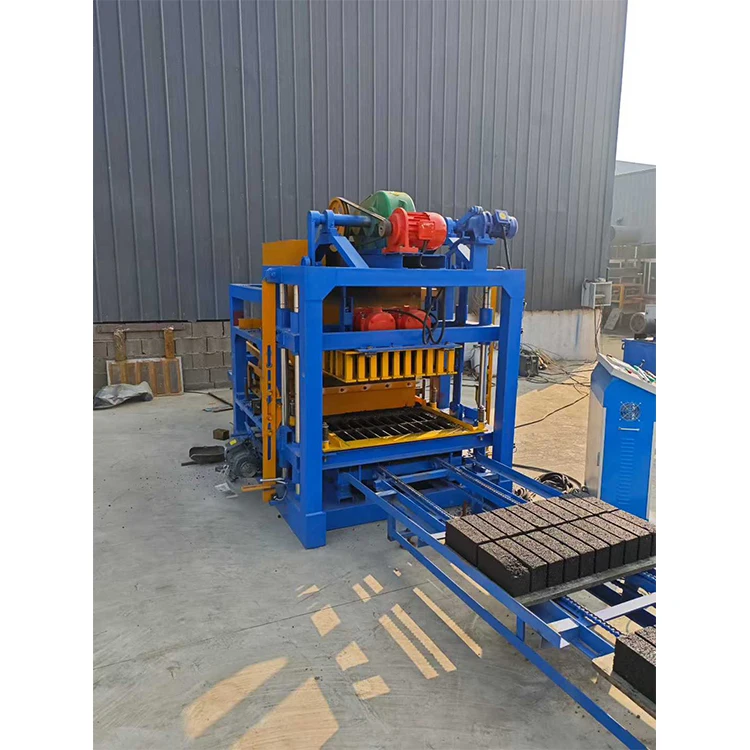
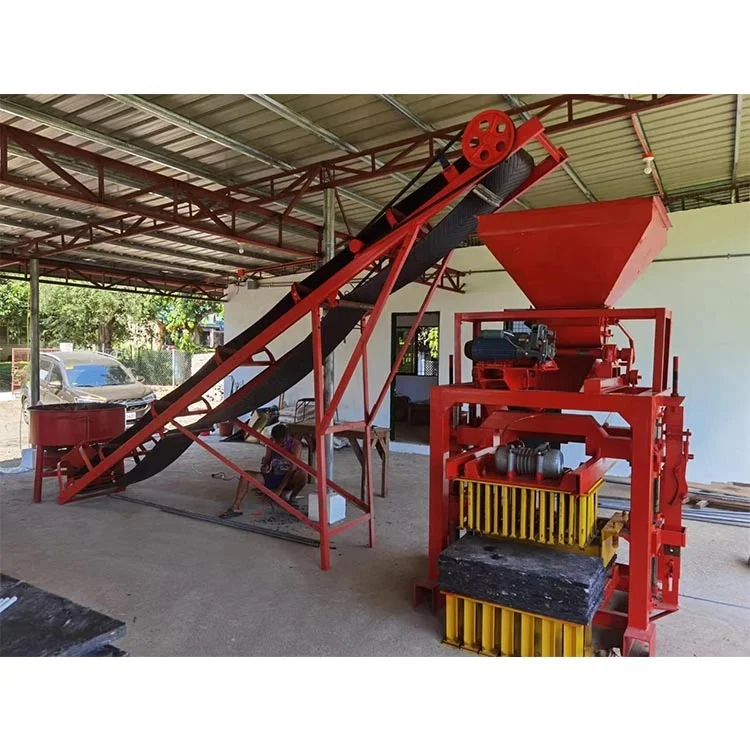
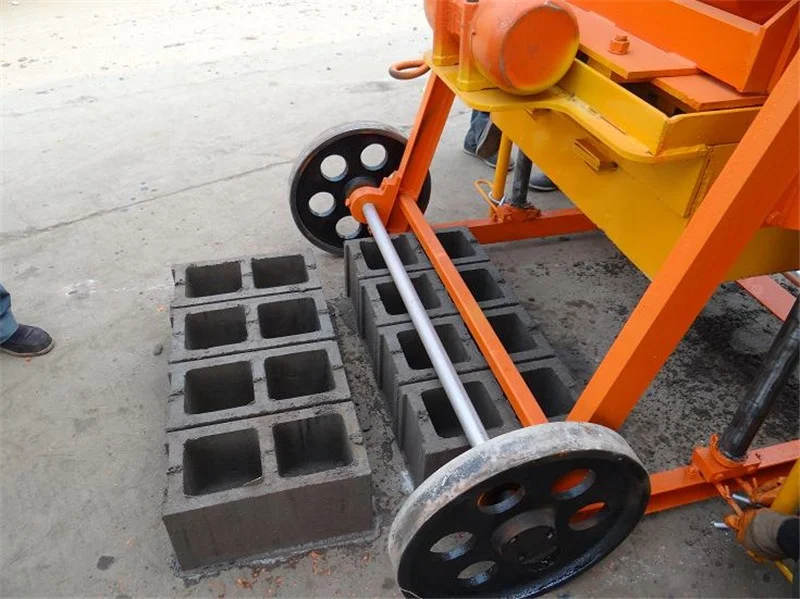
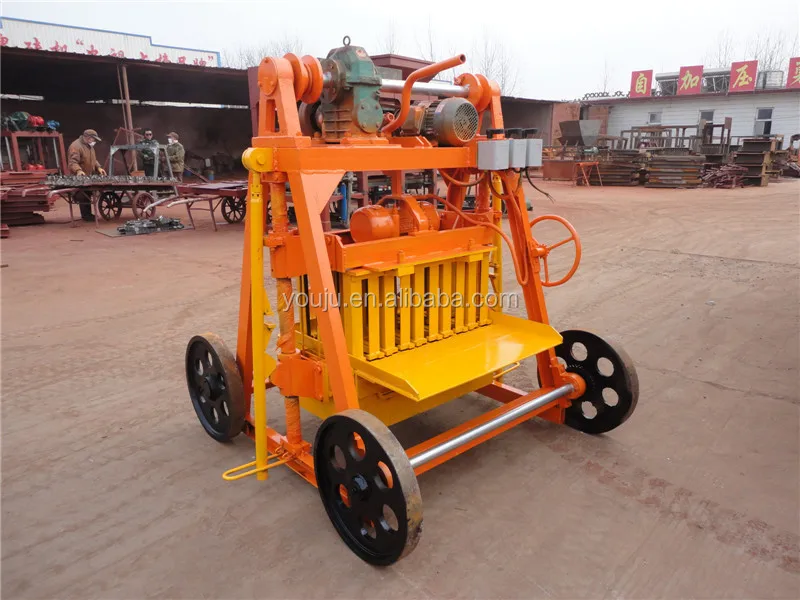
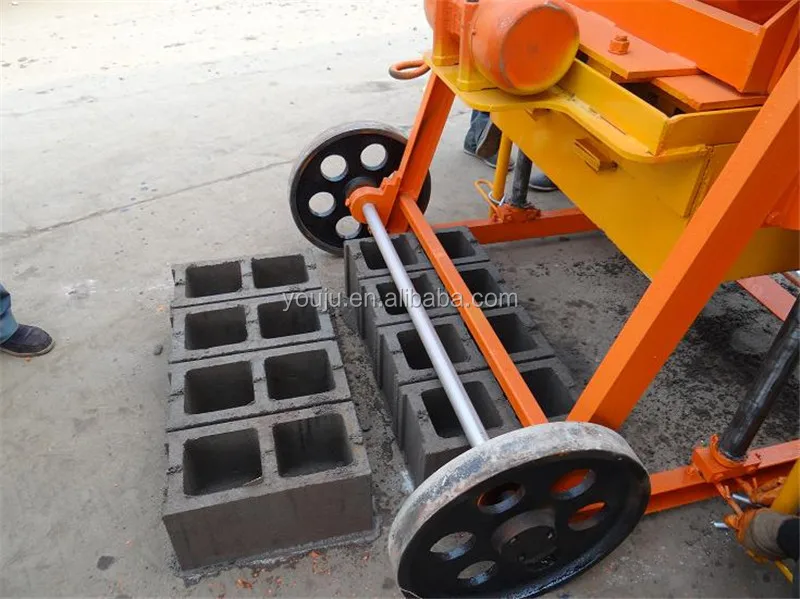
| Product Type | Mobile Cement Block Making Machine (Egg-Laying Type) |
| Moulding Capacity | 4 pcs/mould (basis: 400×200×200mm hollow block) |
| Productivity (400×200×200mm) | 3000 pcs/day (8-hour shift, 4 pcs/mould, 40–45s cycle) |
| Productivity (400×150×200mm) | 3500 pcs/day (8-hour shift, 5 pcs/mould, 40–45s cycle) |
| Productivity (400×120×200mm) | 4500 pcs/day (8-hour shift, 6 pcs/mould, 40–45s cycle) |
| Vibration Frequency | 2400 r/min |
| Moulding Cycle | 40–45 s |
| Compaction Method | Mould vibration (no hydraulic press) |
| Total Power | 6 kW |
| Power Source | Diesel / Petrol engine |
| Automation Level | Manual / egg-laying |
| Pallet Requirement | None |
Application Suitability
| Application | Material or Output |
|---|---|
| On-site construction block production | Hollow blocks laid directly on prepared ground |
| Remote infrastructure projects | Blocks made without grid power using diesel engine |
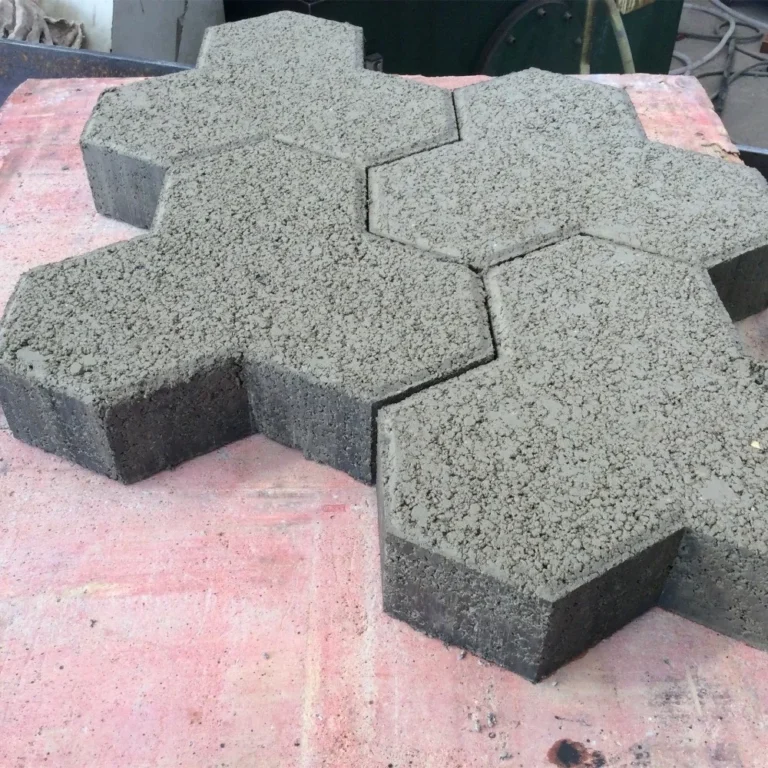
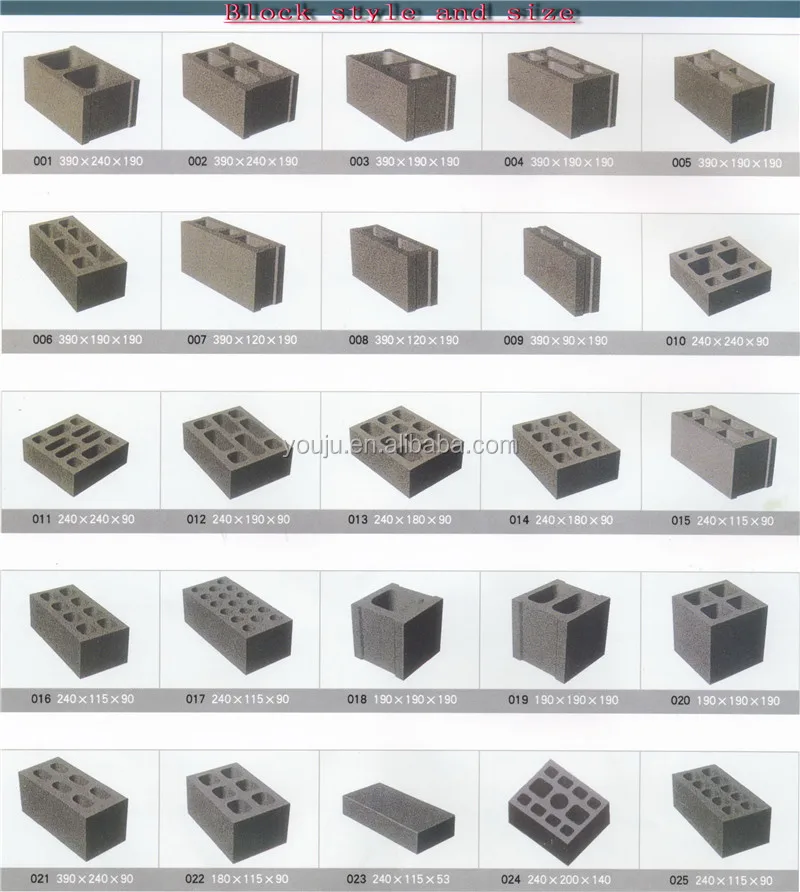
| Small-scale cement block manufacturing | Hollow blocks in 120 / 150 / 200 mm widths |
| Temporary housing development sites | Egg-laying production without fixed plant installation |
What "In Stock" Actually Means for Your Deadline
When a project start date is fixed and the equipment has not arrived, every day of delay costs labour standing by and penalties stacking up.
Buyers working to a project deadline often receive lead-time quotes that shift after the deposit is paid. A QMJ4-45 mobile block machine in stock means the machine is physically in our warehouse, not scheduled for a production run that may slip. I have seen contractors on remote African sites lose an entire dry season because a quoted four-week lead time quietly became eight. Confirming stock status in writing before committing protects your schedule [NEED_CITE: typical procurement delays for construction machinery in emerging markets].
Dispatch Timeline and Container Loading
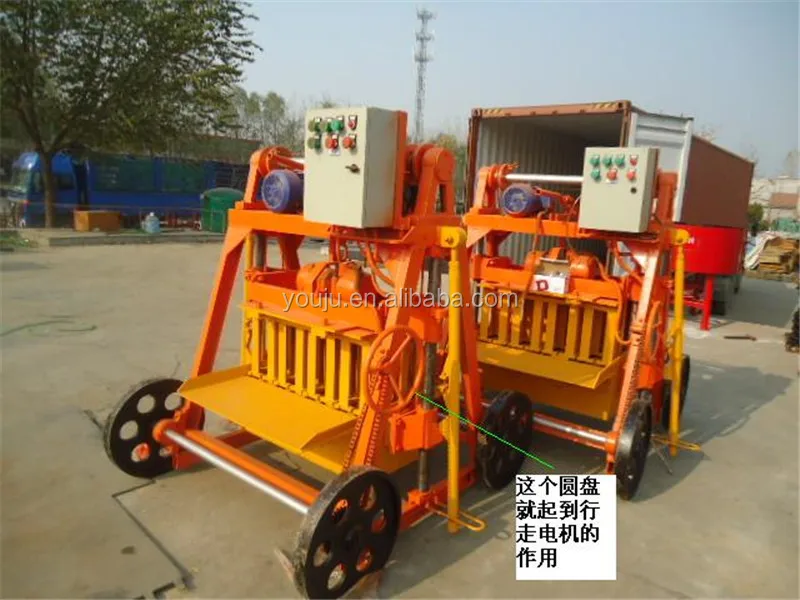
Once you confirm the model and destination port, we dismantle the machine for container loading and issue a written dispatch schedule. The QMJ4-45 mobile block machine in stock can typically be broken down, crated, and loaded into a container within a short window after payment clearance. We provide a dismantling list so you know exactly which components arrive separately and what reassembly is needed on site.
Arrival Estimate Quoted Upfront
Shipping time depends on origin and destination port routing. We quote an arrival estimate based on current vessel schedules at the time of order, not a generic range. This lets you align your site preparation, foundation work, and raw material stockpiling with the actual expected delivery date rather than guessing [NEED_CITE: ocean freight transit times from Chinese ports to African and South Asian destinations].
Stock Availability for Moulds and Spares
A machine without the right mould is dead weight on site. Alongside the QMJ4-45 itself, we stock standard hollow block moulds in common widths. If your project requires a specific block dimension, we confirm mould availability or fabrication lead time at the inquiry stage so nothing arrives incomplete.
How Vibration Frequency and Cycle Time Shape Block Quality
The 2400 r/min vibration frequency works with the mould design to compact the concrete mix around the mould core. At a 40–45 second cycle, the vibration has sufficient duration to settle the mix and reduce voids. Shorter cycles risk under-compacted blocks that crack during curing; longer cycles reduce daily output without measurable strength gain. The egg-laying method means blocks cure on the ground where they are laid, so ground preparation directly affects the flatness and dimensional consistency of the bottom course.
The Cost of Overlooking Power Source Compatibility
The QMJ4-45 runs on a 6 kW diesel or petrol engine, completely independent of grid electricity. I once visited a site in South Asia where a buyer had ordered an electric-motor machine for a location with unreliable supply, and production halted every time the local transformer tripped. Specifying the engine type to match your fuel availability and local maintenance capability prevents this kind of avoidable standstill [NEED_CITE: power reliability challenges on construction sites in developing regions].
Why Buying Here Reduces Your Procurement Risk
We focus exclusively on block machinery, so the machine, mould, and handling accessories are specified as a matched set rather than sourced from separate suppliers. Every QMJ4-45 we dispatch undergoes a factory test that records actual vibration frequency and cycle time before crating. We confirm voltage, engine type, and control language at the order stage to eliminate commissioning delays. Our documentation package travels with the machine so your customs broker and site team have what they need on arrival.
Documentation & Verification
- Stock availability confirmation letter issued at inquiry stage
- Factory test record showing measured vibration frequency and cycle time
- Container loading plan with dismantling list for the QMJ4-45
- Arrival estimate based on current vessel schedules to your port
- Operation manual covering engine maintenance and mould change procedure
Installation, Commissioning & Support
- Level, compacted ground required for egg-laying production with the QMJ4-45
- No electrical connection needed when diesel or petrol engine is specified
- Machine arrives partially dismantled; reassembly covers frame, hopper, and engine mount
- First production run supervised to confirm cycle time and block dimensions
- Operator training on mould change between 120 / 150 / 200 mm formats
- Wear parts list supplied covering vibration motor bearings and mould liners
Tell Us What Your Site Needs
To give you an accurate dispatch plan, share your target block dimensions, daily output requirement, and whether diesel or petrol fuel is easier to source locally. Let us know your destination port so we can quote a realistic arrival window alongside the machine price.
Frequently Asked Questions
Q: Is the QMJ4-45 currently in stock and how soon can it ship?
A: We hold QMJ4-45 units in our warehouse for immediate allocation. After order confirmation and payment clearance, the machine is dismantled, crated, and loaded into a container within a short turnaround. We issue a written dispatch lead time at the quotation stage so you can plan your site mobilisation around a firm date.
Q: Does the machine fit into one 20-foot container?
A: The QMJ4-45 is partially dismantled for shipment — the main frame, engine, hopper, and mould are separated and secured for container loading. We provide a container loading plan and dismantling list so your receiving team knows exactly how to unload and reassemble. A single 20GP container is typically sufficient.
Q: Can you estimate arrival time at my port?
A: Yes. Once we know your destination port, we check current vessel schedules and quote an arrival estimate at the time of order. Transit time varies by routing and port congestion, so the estimate reflects actual sailing dates rather than a generic range. This helps you schedule ground preparation and raw material delivery.
Q: What if my site has no grid electricity?
A: The QMJ4-45 is equipped with a diesel or petrol engine delivering 6 kW, so it operates entirely off-grid. Choose diesel if your site already runs diesel excavators and generators for common fuel logistics. Choose petrol if the engine will see lighter daily use and petrol is easier to source in your area.