Description
Dispatch Clarity — We quote container loading plans and port arrival estimates on QMY10-15 units before purchase commitment, eliminating guesswork on your project timeline.
Technical Specifications
| Parameter | Value |
|---|---|
| Model | QMY10-15 |
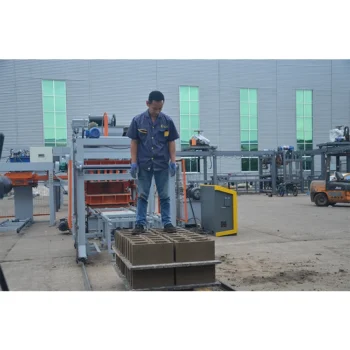
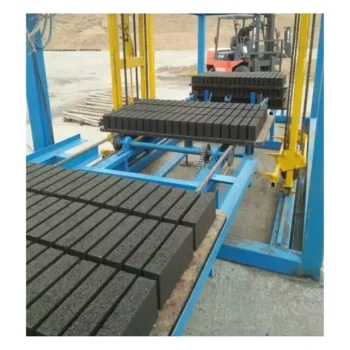
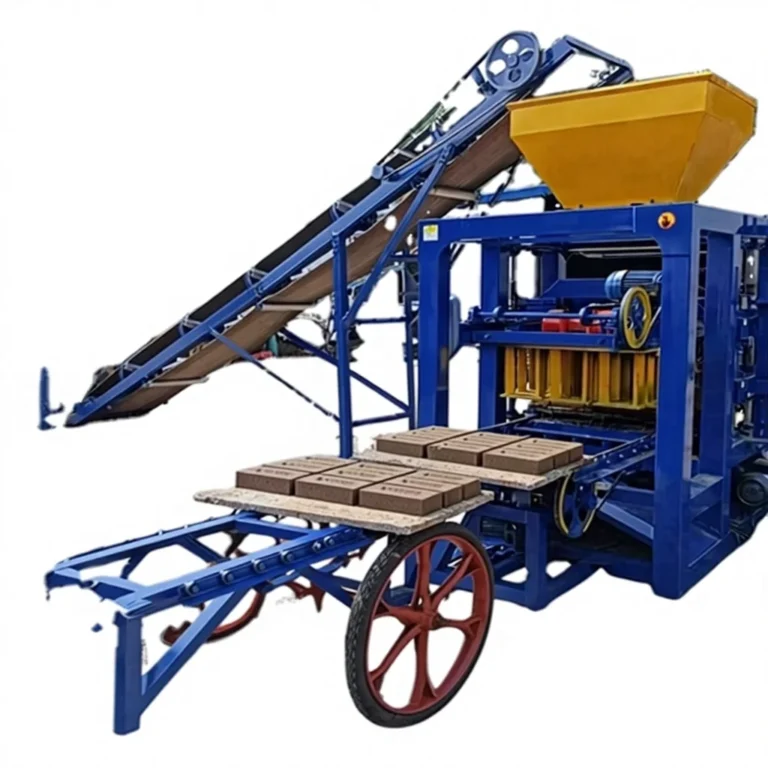
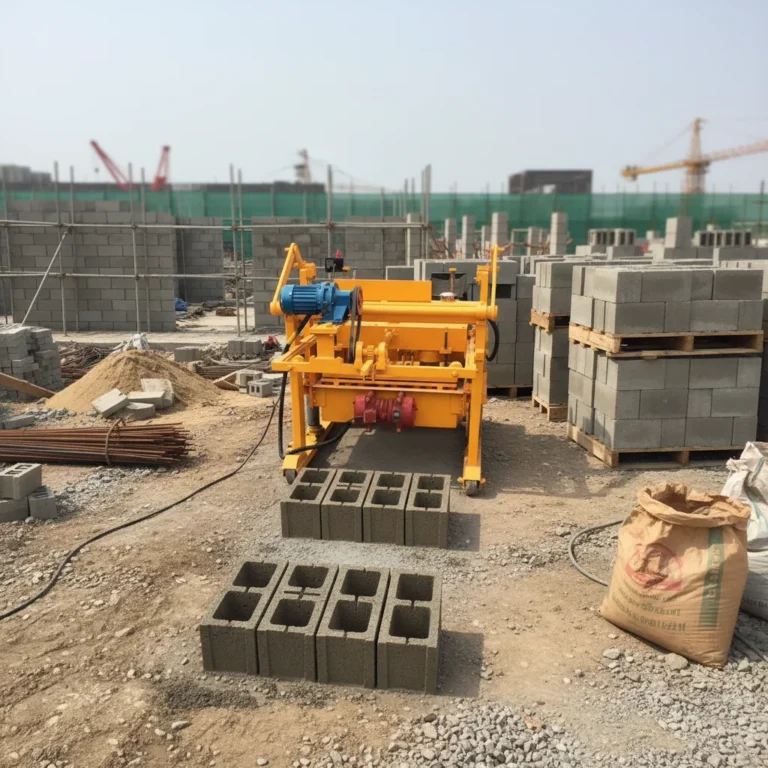
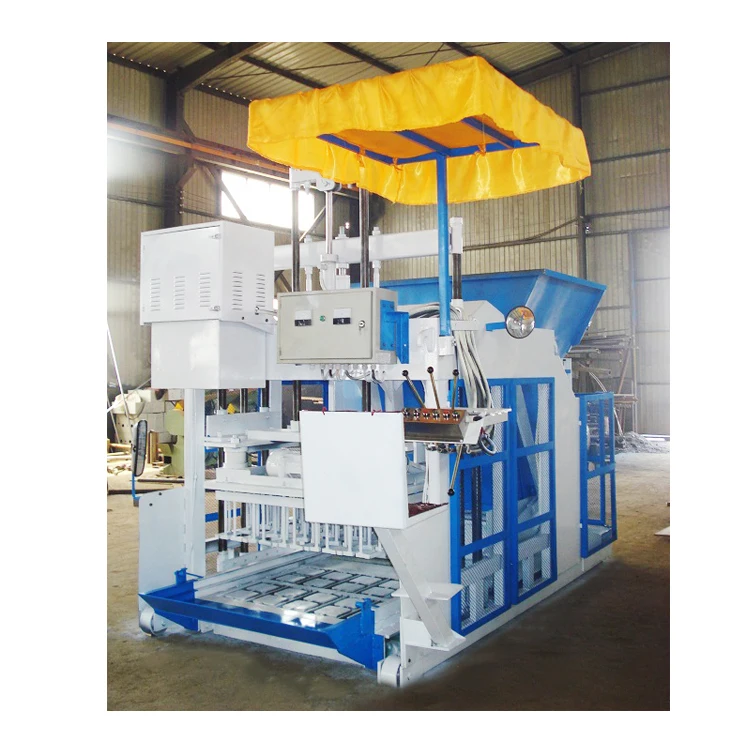
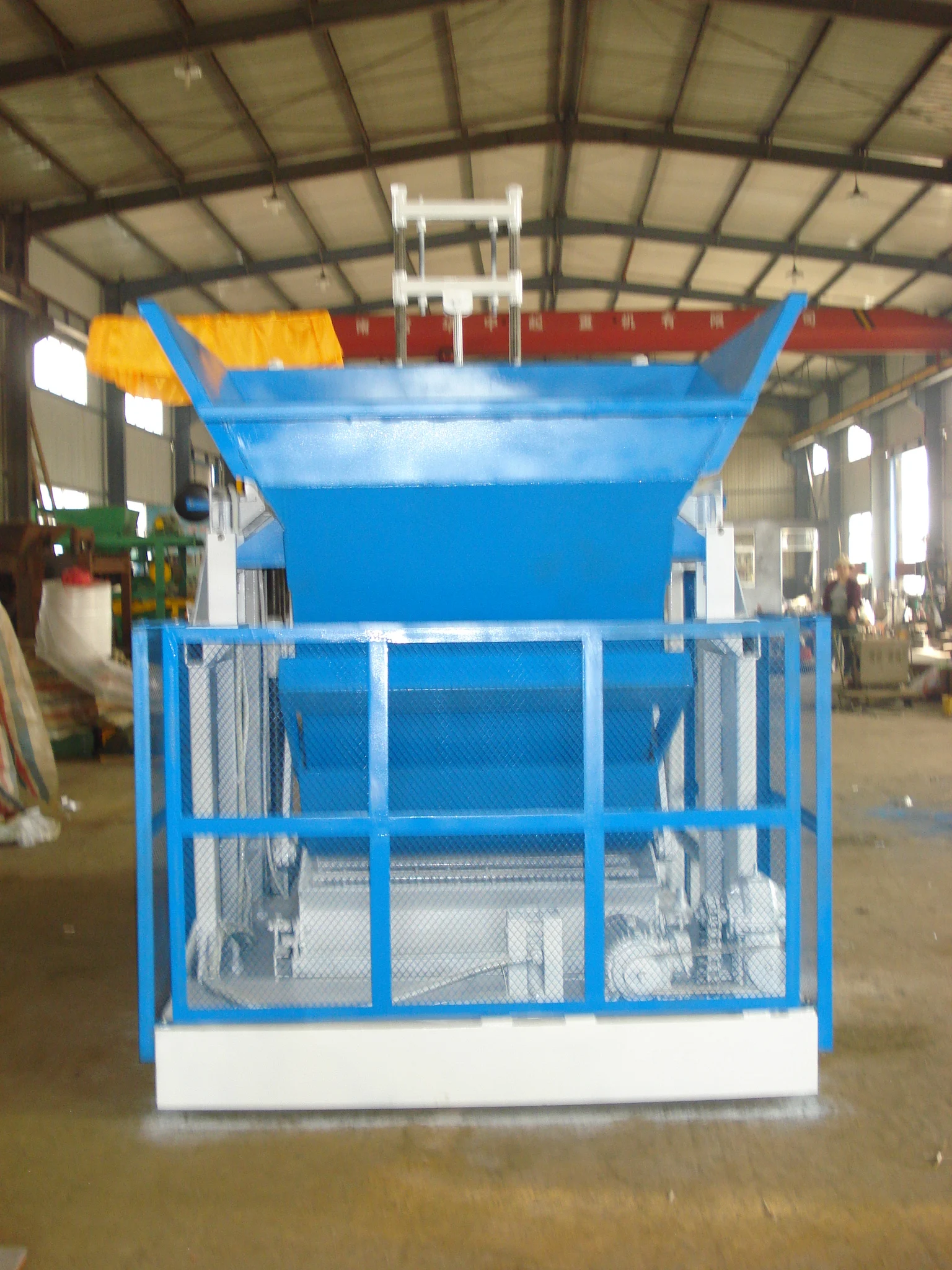
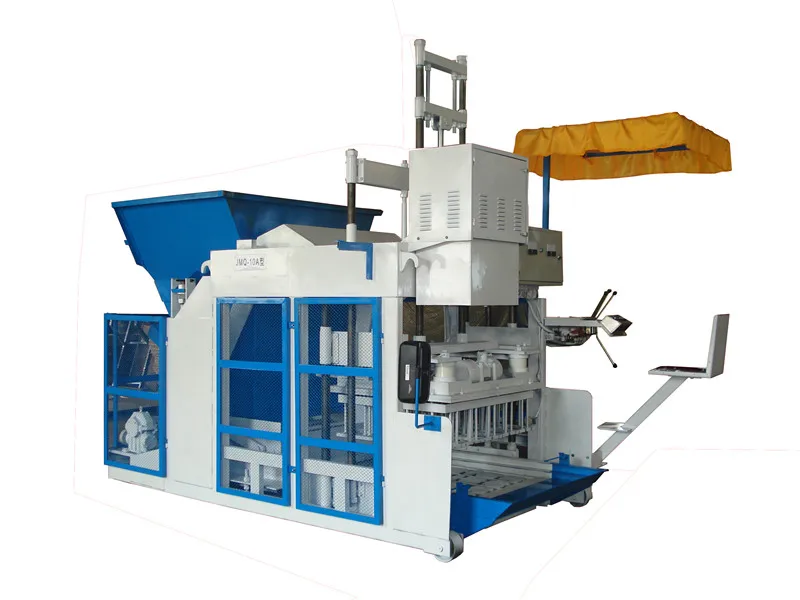
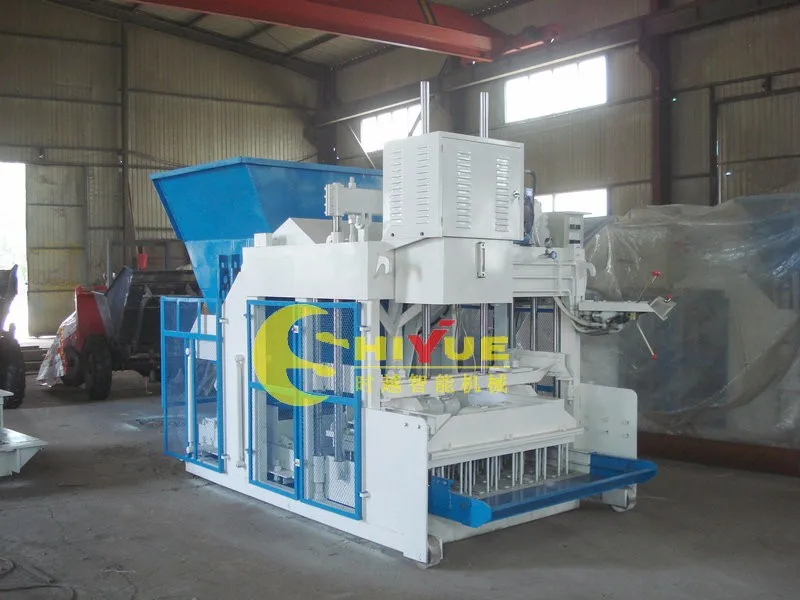
| Product Type | Mobile Hydraulic Block Making Machine |
| Machine Design | Mobile / egg-laying, pallet-less operation |
| Mould Formats | 400×200×200 / 400×150×200 / 400×120×200 / 400×100×200 mm hollow block |
| Cycle Time | 15–20 seconds across listed hollow block formats |
| Output Capacity | 1,800–2,400 pcs/h based on 400×200×200mm hollow block (10 pcs/mould) |
| Output Capacity | 2,880–3,840 pcs/h based on 400×120×200mm hollow block (16 pcs/mould) |
| 8-Hour Output | 14,400–19,200 pcs based on 400×200×200mm hollow block |
| Automation Level | Full-automatic (PLC brand and control scope to be confirmed at order) |
| Motor | Siemens motor (specific kW rating confirmed per destination voltage) |
| Mould Treatment | Heat-treated for extended service life |
| Voltage & Frequency | Configurable to destination market requirements |
| Hydraulic Pressure | Rating confirmed per final configuration |
| Vibration Force | Rating confirmed per final configuration |
Application Suitability
| Application | Material or Output |
|---|---|
| On-site hollow block production | Crushed stone, sand, cement, and local aggregate mixes |
| Housing project block supply | 400×200×200mm and 400×150×200mm hollow blocks laid directly on ground |
| Contractor self-production | Multiple hollow block formats from a single machine on the job site |
| First block plant setup | Pallet-less operation removing pallet procurement and handling costs |
What "In Stock" Actually Means for Your Deadline
A stocked QMY10-15 mobile block making machine in stock leaves our yard on a confirmed vessel, not a tentative production schedule.
When a project deadline is fixed and the foundation crew is already mobilised, a sixty-day build queue turns into a costly standstill. Buyers working against construction milestones need the mobile block making machine in stock to be physically ready for container loading, with the hydraulic station dismantled to verified dimensions and the moulds crated to prevent transit damage. Late confirmation of shipping configuration has left machines sitting at port while the vessel sails without them [NEED_CITE: container loading delays from unverified dismantling dimensions]. The dispatch lead time we quote accounts for actual container space, not just factory readiness.
Container Loading Without Surprises
The pallet-less egg-laying design of the QMY10-15 block machine fast delivery unit reduces shipped volume compared with stationary presses that require pallet stacks. Fewer components mean a simpler packing list and fewer points where a missing crate delays commissioning. Every QMY10-15 mobile block making machine in stock is photographed during dismantling so you see exactly which assemblies are separated and how they sit inside the container before the doors close.
Arrival Estimates Before You Commit
We calculate the estimated arrival date against your destination port using the vessel schedule available at the time of quotation. This is not a generic transit window — it accounts for the specific shipping line, transhipment points, and the port congestion patterns we track weekly. The QMY10-15 block machine fast delivery promise is only meaningful when you can plan your foundation work and raw material deliveries around a date, not a guess [NEED_CITE: typical ocean freight transit variability by route].
Reading the Output Figures Honestly
The QMY10-15 cycle time of 15–20 seconds produces different hourly volumes depending on which hollow block format the mould is set to. At 400×200×200mm with ten cavities, the press yields 1,800 to 2,400 pieces per hour; switching to the narrower 400×100×200mm mould with eighteen cavities raises that figure to 3,240–4,320 pieces per hour. These are not interchangeable claims — they are separate calculations tied to specific block dimensions. Mould change on a mobile egg-laying machine involves physical bolt work rather than a quick-lock cassette, so the time spent swapping formats must be factored into your daily production plan. The heat-treated mould surfaces resist abrasion from angular aggregate, but the rate of wear still depends on the silica content of your local sand.
The Cost of Skipping Voltage Confirmation
Arriving at a job site with a machine wired for a voltage your generator cannot supply means idle days and expensive rewinding work. The QMY10-15 Siemens motor must be matched to the local supply — whether that is 380V/50Hz, 440V/60Hz, or another configuration — before the unit leaves the factory. PLC display language is equally practical: an operator who cannot read the fault messages on the screen will call for support on issues they could resolve themselves [NEED_CITE: commissioning delays caused by incorrect voltage or language settings]. Confirming these details at the order stage costs nothing; correcting them on site costs days.
Why Buyers Source This Machine Here
Block machinery is our single focus, so the QMY10-15 is specified as a matched system — machine, mould, and ground-curing workflow — rather than assembled from unrelated suppliers. Dispatch timing is built around physical stock, not production promises, and the container loading plan is verified before the machine moves to port. Mould formats are selected to match the hollow block dimensions your local market actually purchases. Installation support covers first start-up and operator training so the machine produces saleable blocks within its first working shift, not its third.
Documentation & Verification
- Factory test record run on your specified hollow block format before dispatch
- Container loading photographs showing dismantling configuration and securing method
- Dispatch lead time and vessel schedule confirmed in writing at order placement
- Voltage, frequency, and PLC language confirmation sheet signed before production release
- Customs documentation package including certificate of origin for your duty rate
Installation, Commissioning & Support
- Ground-curing site must be level and cleared before the QMY10-15 arrives for first production run
- Power supply confirmed to match the Siemens motor voltage and frequency specified at order
- Hydraulic station reconnected and pressure verified by our technician during on-site commissioning
- Operator training covers mould change procedure, cycle timing adjustment, and daily maintenance checks
- Heat-treated mould wear assessment schedule provided so replacement orders are planned, not emergency
Preparing Your Inquiry
To move quickly from inquiry to dispatch confirmation on a QMY10-15 mobile block making machine in stock, share your destination port, the hollow block formats your market requires, and your local voltage and frequency supply. If you are working against a fixed construction milestone, tell us the date blocks need to be producing on site so we can match the vessel schedule accordingly.
Frequently Asked Questions
Q: Which QMY10-15 units are currently in stock and what is the dispatch lead time?
A: Stock availability rotates with shipment schedules, so we confirm physical readiness at the point of inquiry. For stocked QMY10-15 machines, dispatch lead time covers container booking, loading, and customs release. Non-stock variants requiring voltage or PLC language changes add a short reconfiguration period before the unit can be crated. We state the exact dispatch date in writing before you commit.
Q: How is the QMY10-15 dismantled for container loading and how many containers are needed?
A: The hydraulic station, mould assembly, and main frame are separated to verified dimensions so the complete set fits within standard container space. Pallet-less design eliminates the bulk that pallet-dependent machines require. We provide loading photographs and a packing list showing each component’s position before the container is sealed.
Q: Can you provide an estimated arrival date at my port before I place the order?
A: Yes. We calculate the estimate using the vessel schedule, transhipment route, and current port conditions for your specific destination. This arrival estimate is quoted alongside the dispatch lead time so you can plan raw material procurement and site preparation against a known timeline rather than a broad window.
Q: What happens if I need a non-standard voltage or PLC display language?
A: Non-standard voltage or language requirements mean the motor or control panel must be configured before dispatch. This adds a defined number of working days to the lead time, which we quote upfront. The configuration is documented and confirmed in writing so the machine arrives ready for your local power supply and operator language.
Q: What customs documentation is provided with the shipment?
A: The documentation package includes commercial invoice, packing list, bill of lading, and certificate of origin where applicable for your import duty rate. We prepare these documents in parallel with container loading so there is no paperwork delay once the vessel departs.