Description
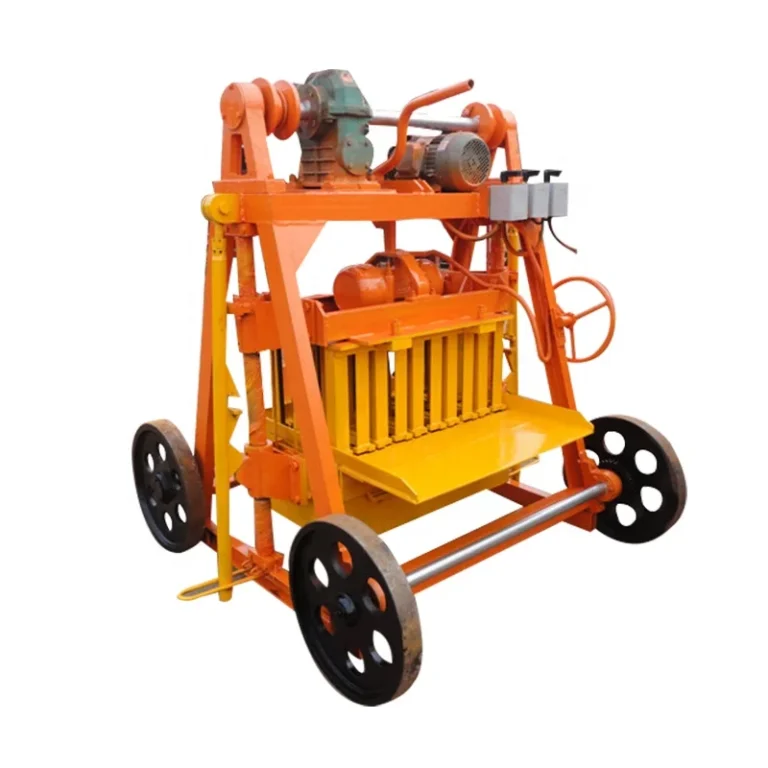
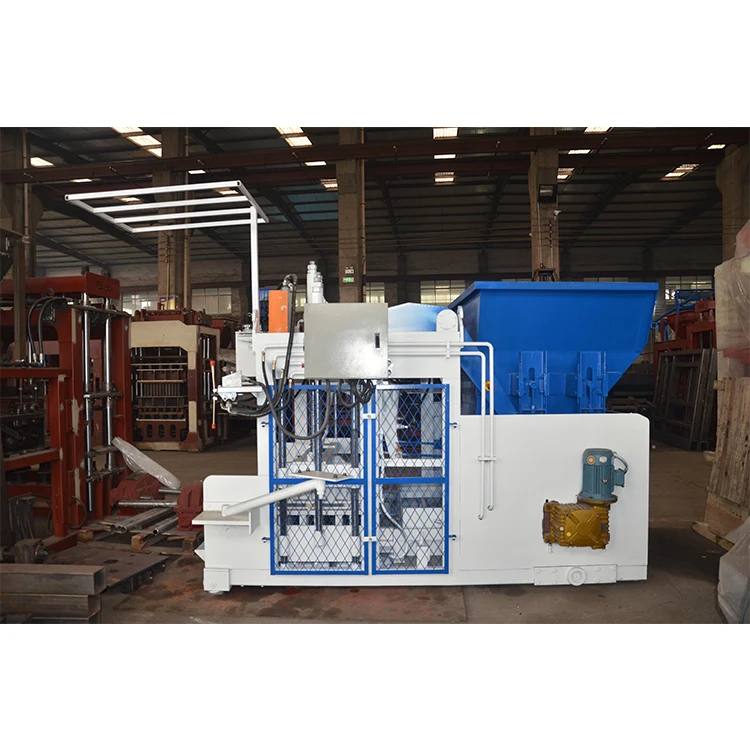
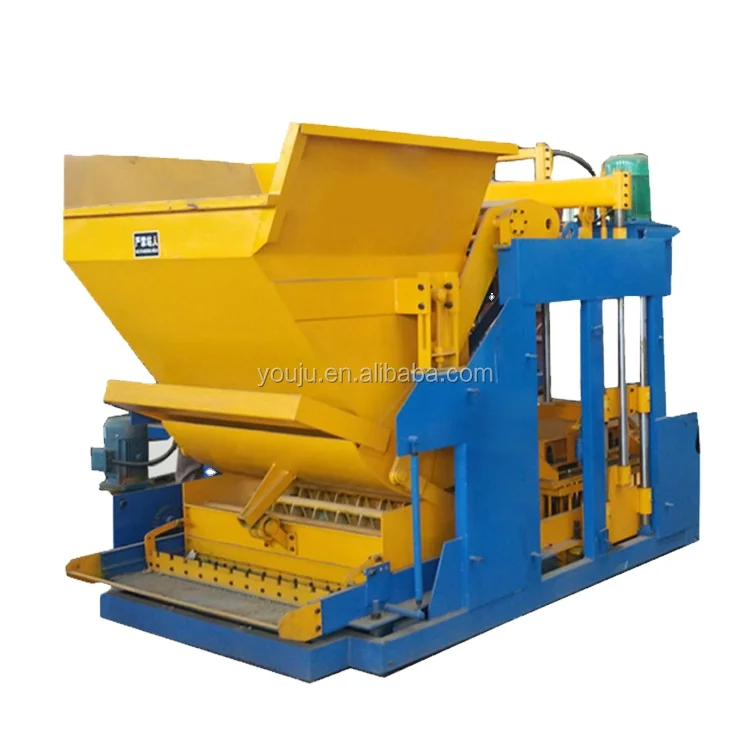
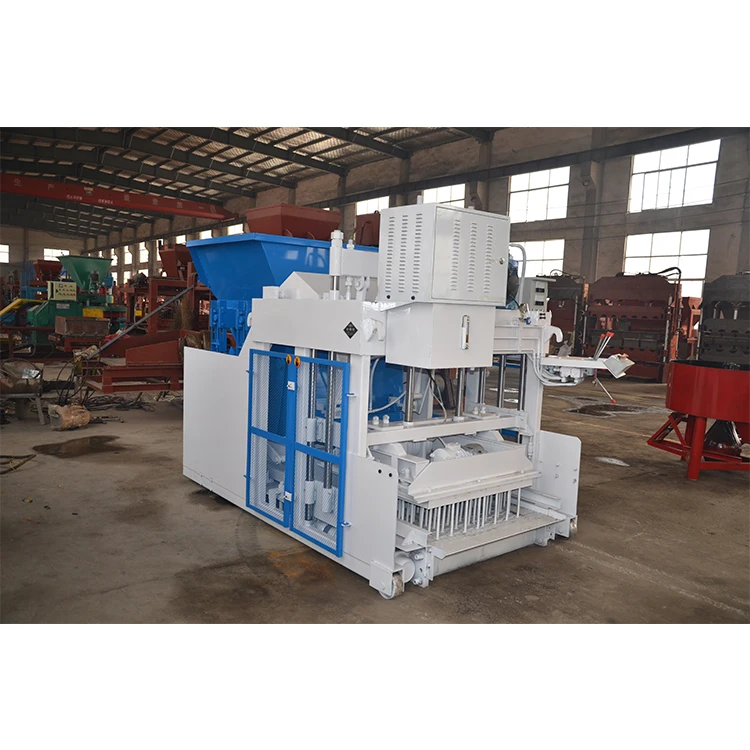
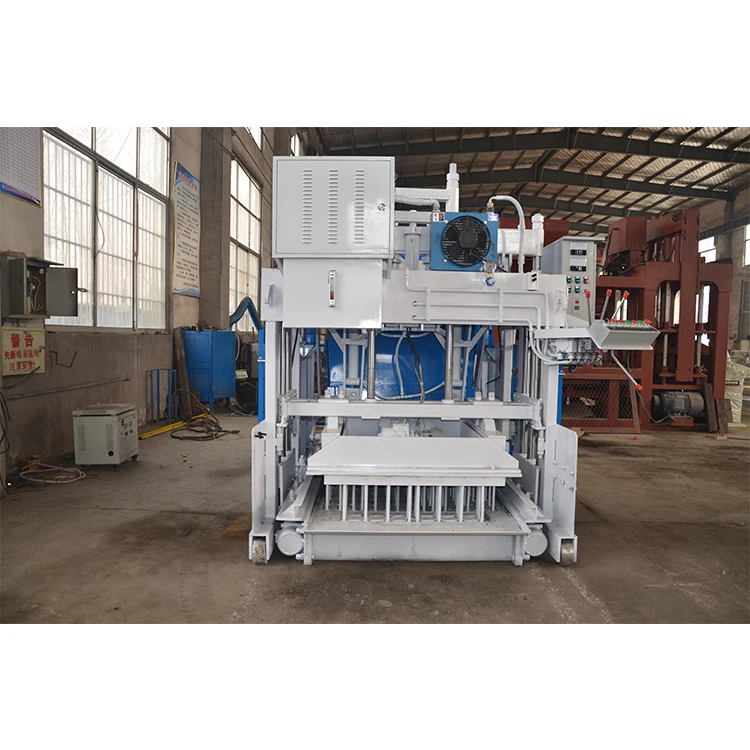
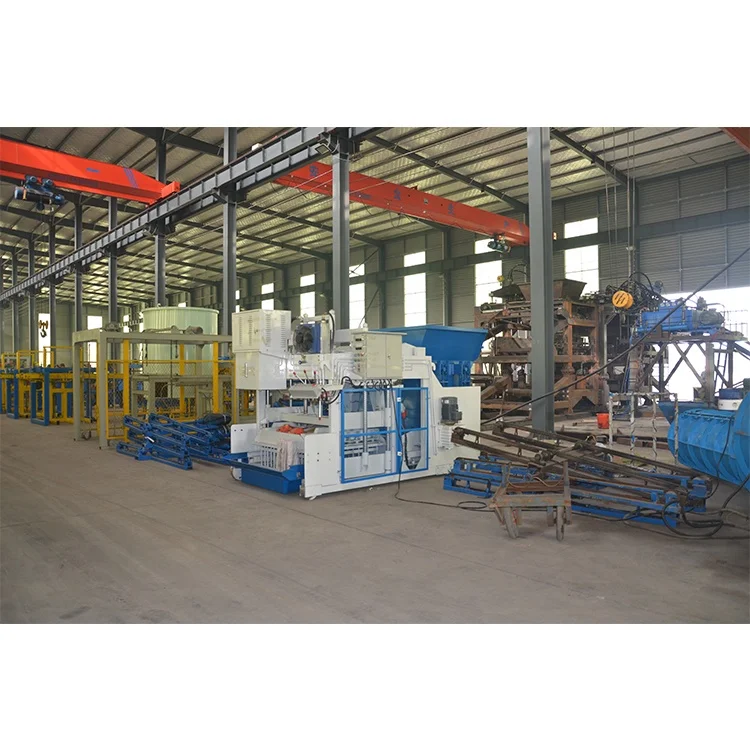
Single-Focus Block Machinery — the QMY12-15 mobile hollow block making machine is specified, stocked, and dispatched as one matched system, keeping project-deadline contractors moving without waiting for a fixed plant build-out.
Technical Specifications
| Parameter | Value |
|---|---|
| Model | QMY12-15 |
| Product Type | Mobile Hollow Block Making Machine |
| Overall Dimensions (L×W×H) | 3250 × 2100 × 2300 mm |
| Rated Power | 16 kW |
| Net Weight | 4500 – 4600 kg |
| Motor Brand | Siemens |
| Pressure Type | Hydraulic |
| Vibration System | Twice-vibration of molding core |
| Pallet Requirement | No pallet required (egg-laying type) |
| Workers Required | 2 – 3 |
| Output Capacity | 12,000 – 13,000 pcs/day (basis to be confirmed) |
| Mould Format Example | 400 × 200 × 200 mm, 12 pcs/mould, 10 – 15 s cycle |
| Standards | ISO 9001:2008, SGS, CE |
Application Suitability
| Application | Material or Output |
|---|---|
| On-site housing project block supply | Hollow blocks from local crushed stone, sand, and cement |
| Mobile contractor production between sites | Solid bricks using site-available aggregate |
| First-stage entrepreneur block yard | Cement-based masonry formats without fixed plant infrastructure |
| Infrastructure kerb and channel work | Egg-laying production directly on prepared ground |
What "Stock Availability" Actually Means for the QMY12-15 Mobile Block Machine
A machine listed as ready to ship must leave the factory within days, not weeks after the deposit clears.
Project timelines do not stretch for equipment delays. When a contractor commits to a foundation pour date, the block machine must arrive, clear customs, and begin producing before that deadline. The gap between a quoted lead time and actual dispatch is where most project schedules break down [NEED_CITE: typical causes of industrial equipment delivery delays]. Buyers working to fixed completion dates need confirmation that the QMY12-15 mobile block machine in stock status is real, that standard moulds ship in the same container, and that the arrival estimate accounts for actual transit routing rather than best-case assumptions.
Dispatch Lead Time and Container Loading
The compact footprint of this machine means it fits within a standard container without partial dismantling of the main frame. For the QMY12-15 mobile block machine, the hydraulic power pack and molding head remain mounted, reducing on-site reassembly to electrical connection and fluid top-up. Stocked units move from factory floor to container staging in a matter of days, and the loading plan is confirmed with photographs before the container doors close. Standard hollow block moulds load alongside the machine so production can start the day the container opens at the destination yard.
Arrival Estimate and Customs Documentation
Transit time depends on the destination port, shipping line schedule, and whether the route involves transshipment. An honest arrival estimate quotes the range based on current sailing schedules rather than the fastest possible voyage [NEED_CITE: ocean freight transit time variables by route]. Before dispatch, packing photographs, commercial invoice, packing list, and certificate of origin are prepared so the buyer’s customs broker can begin pre-clearance paperwork while the container is still at sea. Delays at port often trace back to incomplete documentation rather than shipping speed itself.
Twice-Vibration Core and Hydraulic Pressure
The QMY12-15 uses a twice-vibration molding core rather than single-point vibration. This design sends vibration waves through the mold cavity from two positions, compacting the concrete mix more evenly across the block cross-section. Combined with hydraulic pressure, the result is a denser block wall and more consistent compressive strength from the first block of the shift to the last. For egg-laying machines that deposit blocks directly on the ground, uniform compaction matters because there is no pallet to absorb uneven vibration. Siemens motors rated at 16 kW drive the full system, providing the torque reserve needed when the mix contains coarse local aggregate.
No-Pallet Egg-Laying Design on Construction Sites
Eliminating pallets removes an entire cost layer and logistical chain from the production process. On a construction site, there is no pallet storage area, no pallet return loop, and no forklift dedicated to pallet handling. The QMY12-15 lays blocks directly on a prepared concrete floor or compacted ground surface, then moves forward under its own power to the next position. Two to three workers manage material feeding and machine advancement. This simplicity is the reason contractors choose mobile egg-laying machines over stationary presses when the production location changes as the building progresses [NEED_CITE: mobile block machine advantages for project-based construction].
Reading the Capacity Table Honestly
The output figure of 12,000 to 13,000 pieces per day appears without a stated block format, mix design, or shift length assumption, so it cannot be used as a guaranteed production target. The mould data table lists 23,040 pieces per day for 400 × 200 × 200 mm hollow blocks at a 10 to 15 second cycle over eight hours, which reflects a specific format under ideal conditions. Real daily output depends on the block format the buyer’s market demands, the local aggregate grading, cement content, and how quickly fresh blocks can be moved to a curing area. Always ask for a capacity calculation tied to the exact block size and local material sample before confirming an order.
When the Wrong Configuration Costs More Than the Machine
A mobile block machine configured for a standard river sand mix will struggle when the buyer’s site only has access to crushed stone dust or weathered sand. The vibration frequency and hydraulic pressure settings that produce strong blocks with one aggregate may yield crumbling output with another. Voltage mismatch is another silent cost: a machine wired for 380V/50Hz arriving at a site with 440V/60Hz supply will burn out motors within the first week if no transformer or motor swap was arranged before dispatch [NEED_CITE: voltage and frequency standards by export market]. These problems do not show up in the purchase price but they appear on the project cost sheet as idle labor, wasted cement, and missed wall-laying schedules.
Why Source This Machine Here
Block machinery is the single focus of this operation, meaning the QMY12-15 is not one item in a catalog of unrelated equipment. The machine, mould, and handling approach are specified as a matched set. Configuration decisions are made against the buyer’s actual local aggregate and target block format, not a generic default. Standard moulds for the formats the buyer’s market sells ship in the same container. Buyers can start with a semi-automatic workflow and plan an automation upgrade path later without replacing the press. Installation guidance and operator training materials are included so the first production run happens within days of container opening, not weeks.
Documentation & Verification
- Factory test record using the buyer’s specified block format before dispatch
- Mould drawing and format list matching the shipped mould set
- Voltage and frequency confirmation sheet signed before wiring begins
- Packing photographs of machine and moulds inside the container
- CE declaration and ISO 9001:2008 compliance documents included
Installation, Commissioning & Support
- Level compacted ground or concrete slab required; no fixed foundation for the 4500 kg machine
- 16 kW total draw needs a dedicated circuit matching confirmed voltage and frequency
- Machine ships assembled; connect power, fill hydraulic fluid, and run test cycle
- First-day parameter tuning covers vibration timing and hydraulic pressure for local mix
- Operator training covers mould change procedure and daily greasing points
- Wear parts list identifies items to reorder before the first replacement is due
Before You Request a Quote
Share the block format your market sells, the local aggregate type available on your project site, and the voltage and frequency at your location. If you have a fixed project start date, state it so stock status and shipping schedule can be matched against your timeline. Confirm whether additional mould formats should load into the same container to avoid a second shipment later.
Frequently Asked Questions
Q: Is the QMY12-15 in stock and how fast can it dispatch?
A: Stock status is confirmed at inquiry. When the machine and requested standard moulds are available, dispatch to the container staging area typically takes days rather than weeks. The loading plan and packing photographs are shared before the container is sealed so the buyer can verify everything is on board.
Q: How is the machine packed for container shipment?
A: The compact dimensions allow the main frame, hydraulic pack, and molding head to ship assembled inside a standard container. No major dismantling is required, which means on-site reassembly is limited to electrical hookup and hydraulic fluid top-up before the first test run.
Q: What is the estimated arrival time at my destination port?
A: Arrival depends on the destination port, chosen shipping line, and whether the route involves transshipment. An honest estimate quotes the range based on current sailing schedules. Pre-clearance documentation is prepared before dispatch so customs processing starts while the container is at sea.
Q: Which moulds ship with the machine and can I add more?
A: Standard hollow block moulds matching the buyer’s requested format load in the same container. Additional formats for solid bricks or other masonry sizes can be added to the shipment if space allows, confirmed at the quotation stage before loading begins.