



Description
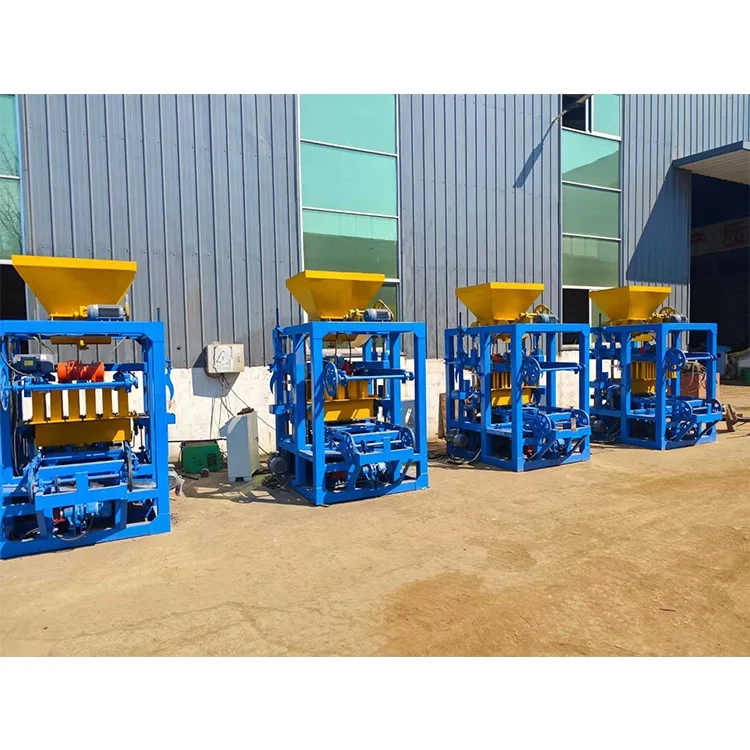
Stock-ready dispatch — QMY18-15 units are pre-built and configured to buyer voltage before container loading, not assembled after the order is placed.
Technical Specifications
| Parameter | Value |
|---|---|
| Model | QMY18-15 |
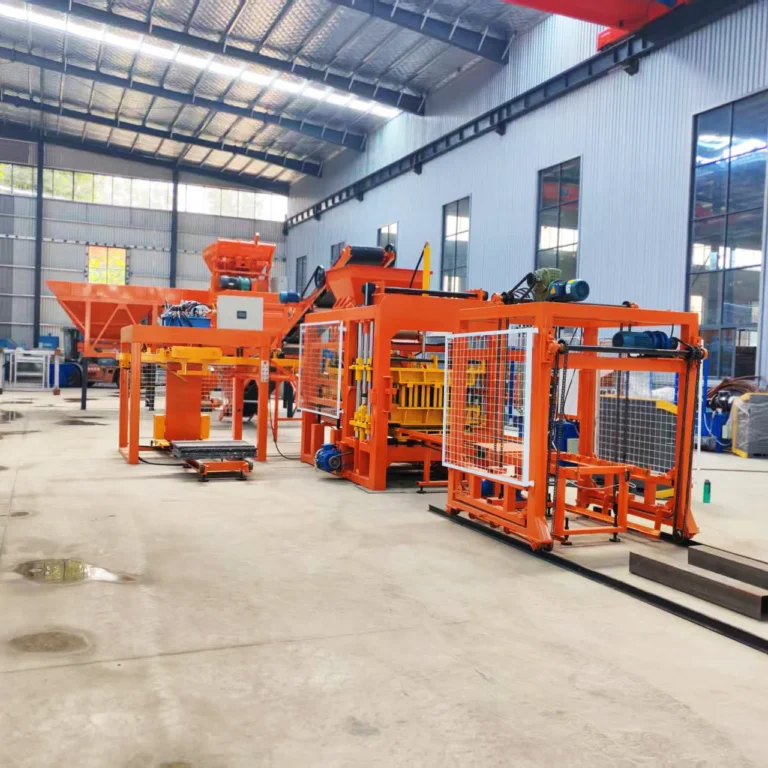
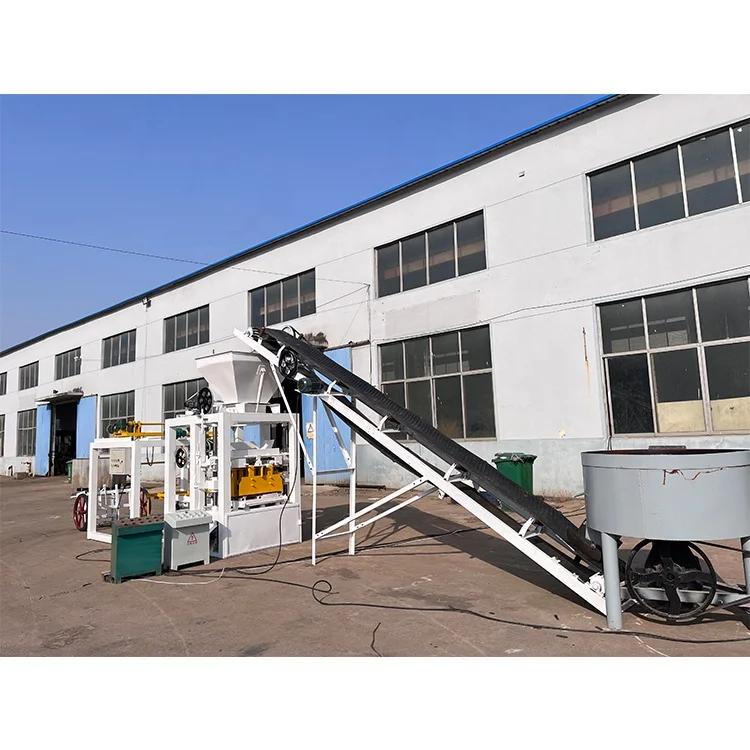
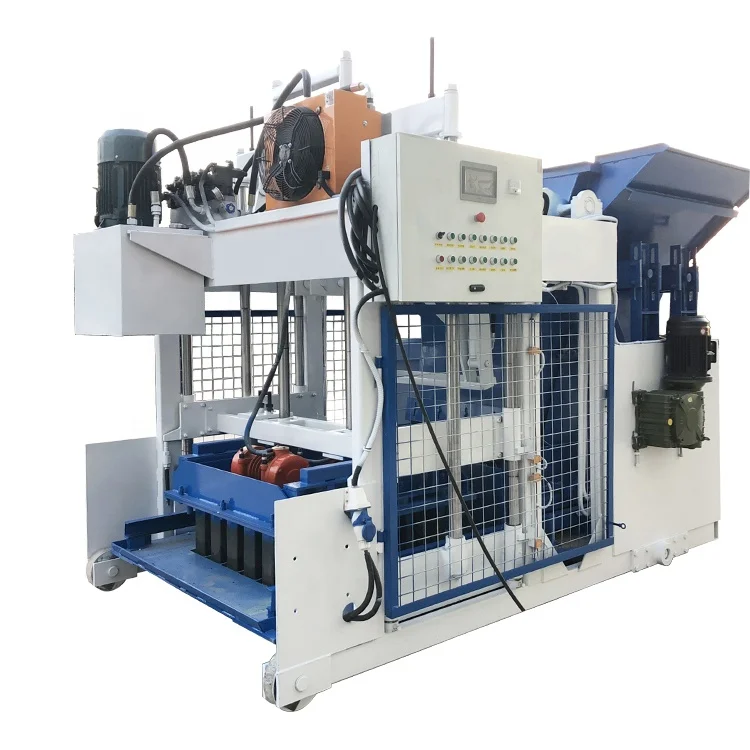
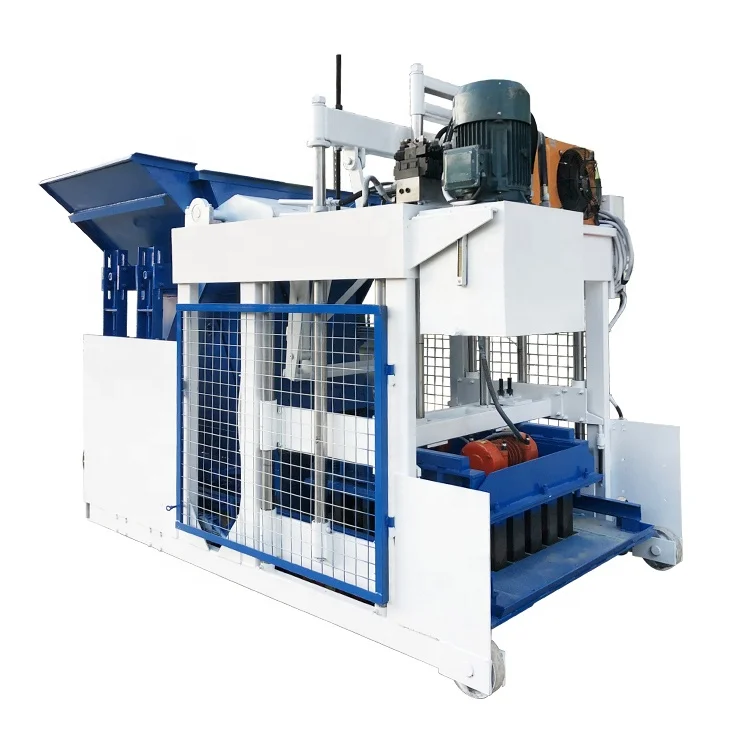
| Product Type | Automatic Mobile Egg Laying Block Making Machine |
| Rated Power | 24 kW |
| Voltage & Frequency | Customized to local industrial supply (confirm site voltage before order) |
| Control System | PLC |
| Working Method | Hydraulic pressure station |
| Output Capacity | Approx. 34,000 pcs per shift (basis: 400×200×200 mm hollow block; smaller formats yield higher counts) |
| Pallet Requirement | None (egg-laying type, blocks produced directly on ground) |
| Automation Level | Automatic with PLC control |
| Block Types | Customizable moulds for different formats per buyer requirement |
| Operating Environment | Mobile, on-site production without fixed plant |
Application Suitability
| Application | Material or Output |
|---|---|
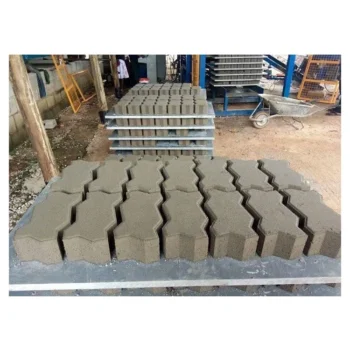
| Housing project on-site production | Hollow and solid blocks from crushed stone, sand, and cement |
| Small block yard with limited space | Pavers and kerbstones using local aggregate and cement |
| Mobile production for remote sites | Interlocking bricks from locally sourced soil-cement mixes |
| First block plant for entrepreneurs | Standard hollow blocks without pallet or curing rack investment |
What "34,000 Blocks per Shift" Actually Means on Your Site
The output figure is tied to one specific block size and does not transfer to every format you plan to produce.
A daily capacity number without a block format attached is the fastest way to miss a project deadline. The QMY18-15 mobile egg laying block machine in stock is rated around a 400×200×200 mm hollow block cycle, which is one of the largest standard formats [NEED_CITE: standard concrete block dimensions by regional market]. If your market sells 150 mm solid blocks or interlocking pavers, the cycle count per shift will differ, sometimes substantially. I have seen contractors plan a housing phase around a single headline capacity figure, only to find their actual format runs slower because the machine must complete more press cycles to deliver the same volume of concrete.
Container Loading and Dispatch Timing
Availability is the first question a buyer with a project deadline should ask. The QMY18-15 mobile egg laying block machine in stock is held as a complete unit, not a catalogue listing waiting for a production slot. Before dispatch, the machine is dismantled into its main assemblies — frame, hydraulic station, mould box, and PLC cabinet — to fit a standard container. Loading photographs are taken before the container doors are sealed, so you see exactly what arrives at your port.
Voltage and Language Confirmed Before the Crate Closes
A machine that cannot start on arrival wastes the entire shipping window. Voltage, frequency, and PLC display language are confirmed against your site supply and operator preference before the QMY18-15 is packed [NEED_CITE: industrial voltage standards across export destinations]. This step is recorded on the factory test sheet, not assumed from the destination country name. A three-phase 50 Hz machine shipped to a 60 Hz market without motor reconfiguration will run at the wrong speed from day one.
Reading the Spec Sheet Against Your Actual Site
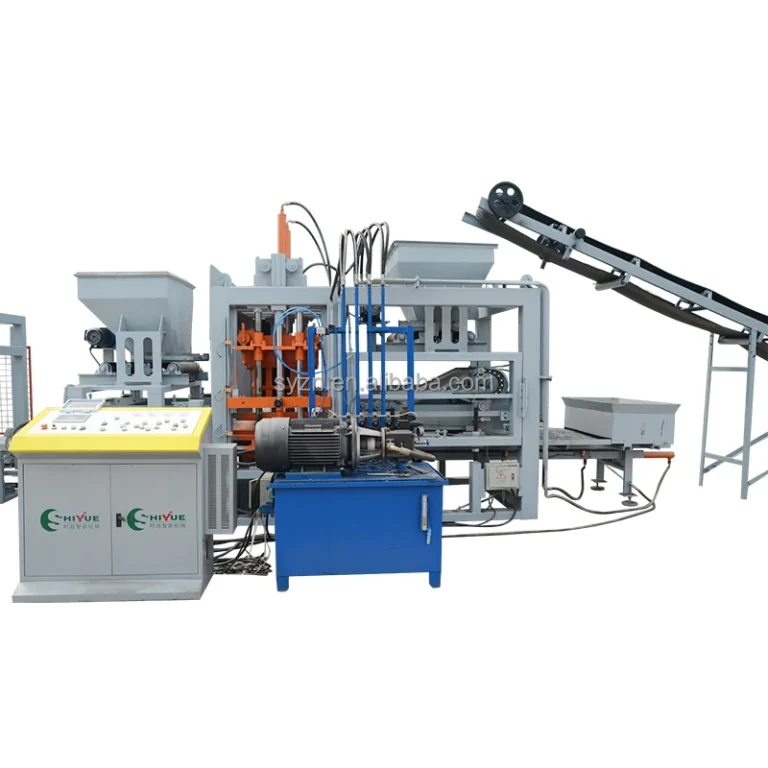
The 24 kW rated power covers the hydraulic pump, vibration motor, and PLC system under load, so your site supply must sustain this draw continuously across a shift. The hydraulic pressure station provides the pressing force, and its rating must match the mix density you intend to achieve — a dry, low-slump mix demands more pressure than a wetter mix to reach the same block strength [NEED_CITE: relationship between hydraulic pressure and block compressive strength]. The PLC controls the automatic cycle sequence, reducing the operator’s role to feeding raw material and guiding the machine between positions. Because this is an egg-laying design, there is no pallet cost and no curing rack infrastructure — blocks are laid directly on a prepared ground surface, which means your yard must be level, hard-standing, and large enough to hold a full shift’s output before the blocks are moved.
When the Wrong Configuration Reaches the Site
The cost of a mismatched machine does not show up in the purchase price — it appears weeks later as idle labour and missed deadlines. If the mould set does not match the block format your market buys, the machine sits between custom mould orders [NEED_CITE: typical lead times for custom block mould manufacturing]. If the voltage was never confirmed and the motors are wound for a different frequency, commissioning stops until replacement components arrive by sea. These are not warranty claims; they are configuration failures that a stock machine supplier should prevent before dispatch.
Why This Supplier for a Deadline-Driven Purchase
The QMY18-15 mobile egg laying block machine in stock is specified as a matched system — hydraulic station, PLC cabinet, and mould are built to work together, not assembled from separate vendor quotes. Voltage and control language are verified at the factory test bench, not left for on-site discovery. Mould options cover the formats your market actually sells, and custom drawings are accepted when standard moulds do not fit. Shipping documentation and container loading plans are prepared in parallel with the factory test, so the dispatch date quoted at order is the date the container moves.
Documentation & Verification
- Factory test record confirming output on your specified block format before dispatch
- Voltage, frequency, and PLC language confirmation sheet signed at packing
- Container loading photographs showing dismantling method and securing details
- Hydraulic and electrical schematic matching the as-built machine configuration
- Operation manual in the confirmed operator language with wear parts list included
Installation, Commissioning & Support
- Prepared ground surface must be level and cured concrete, matching the egg-laying footprint
- Dedicated 24 kW three-phase circuit with correct breaker rating for the hydraulic pump motor
- Machine arrives dismantled; main frame, hydraulic station, and PLC cabinet reassemble on site
- First-run commissioning includes pressure calibration against your local aggregate mix
- Operator training covers PLC cycle control, mould change procedure, and daily greasing points
- Random spare parts package includes hydraulic seals and vibration motor bearings for first replacement
What to Send with Your Inquiry
Provide your target block format with dimensions, the local aggregate type available for your mix, and your site’s confirmed three-phase voltage and frequency. Include the name of the destination port so the shipping lead time can be quoted alongside the machine dispatch date.
Frequently Asked Questions
Q: Which QMY18-15 units are currently in stock and what is the earliest dispatch date?
A: Stock status is confirmed at inquiry, not assumed from this listing. When you send your target block format and destination port, the response includes which units are built and ready, the container loading plan, and a dispatch date you can hold against your project schedule.
Q: How is the machine dismantled for container loading and what arrives on site?
A: The QMY18-15 is broken into main assemblies — frame, hydraulic station, mould box, and PLC cabinet — to fit the container type suited to the order. Loading photographs are shared before sealing, so you confirm what is on board before the vessel sails.
Q: What voltage, frequency, and PLC display language will be set before shipment?
A: These are confirmed against your site supply and operator preference before packing, then recorded on the factory test sheet. Motors, transformers, and PLC settings are matched to your local grid so the machine can power up on arrival without component swaps.
Q: How many blocks per shift can I expect for my specific block format?
A: The published figure is based on 400×200×200 mm hollow blocks. Your format will have a different cycle time and block volume. Send your target dimensions and the capacity calculation will be restated for that specific format, not left as a generic headline number.
Q: What is the estimated arrival date at my destination port once the container is booked?
A: Shipping lead time from the dispatch port to your destination is quoted at the order stage alongside the machine price. The estimate accounts for the carrier schedule, not just the factory gate date, so your project planner has a realistic arrival window.