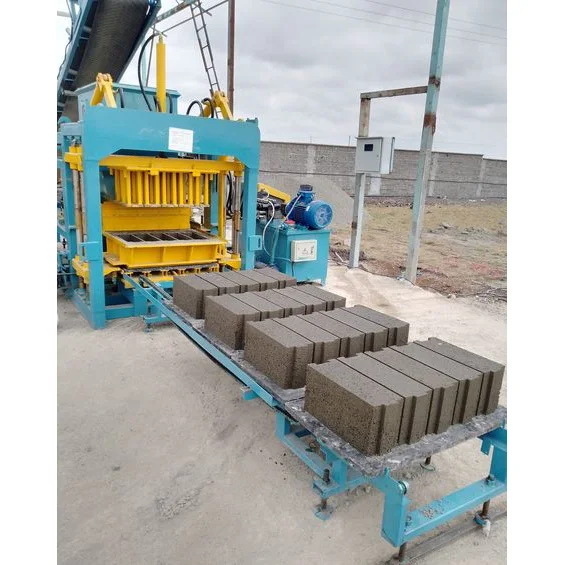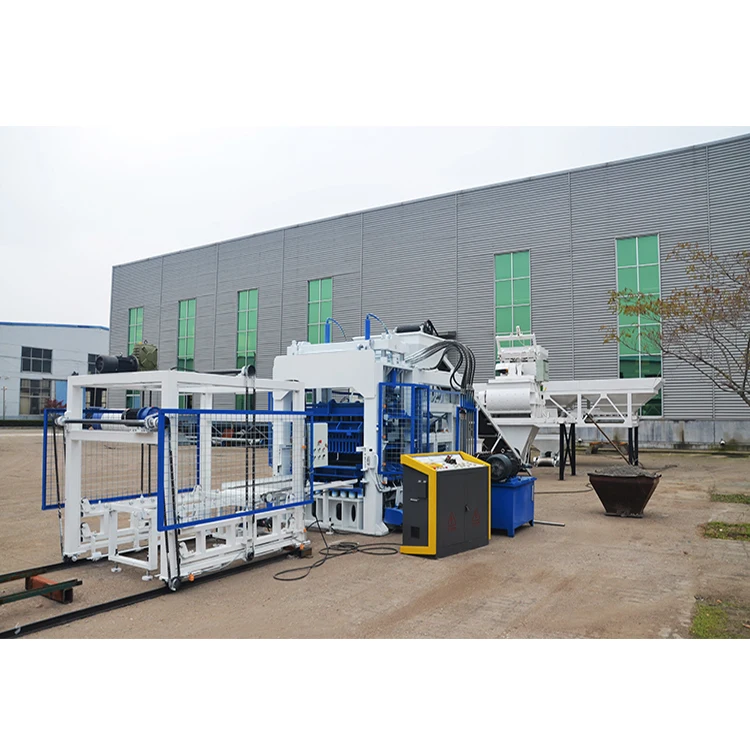

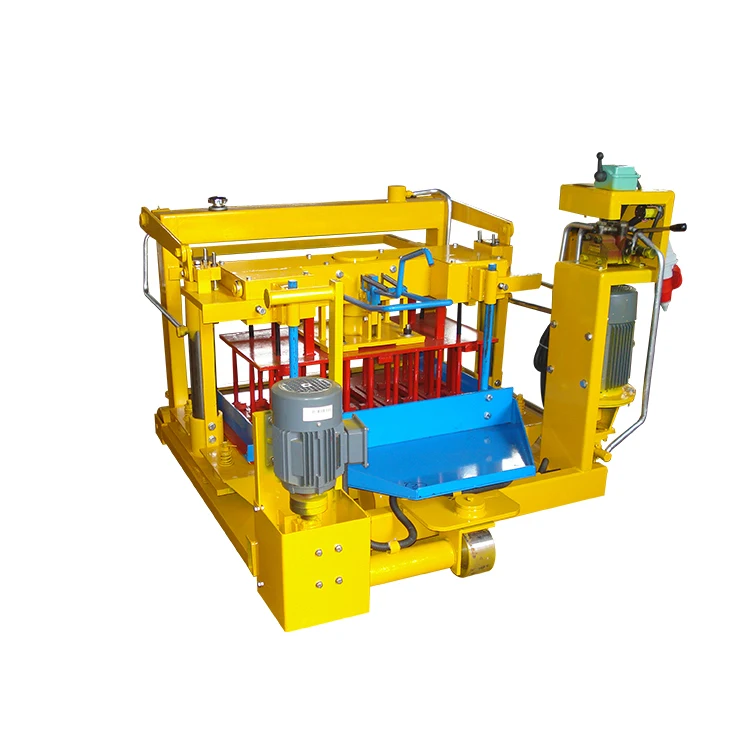


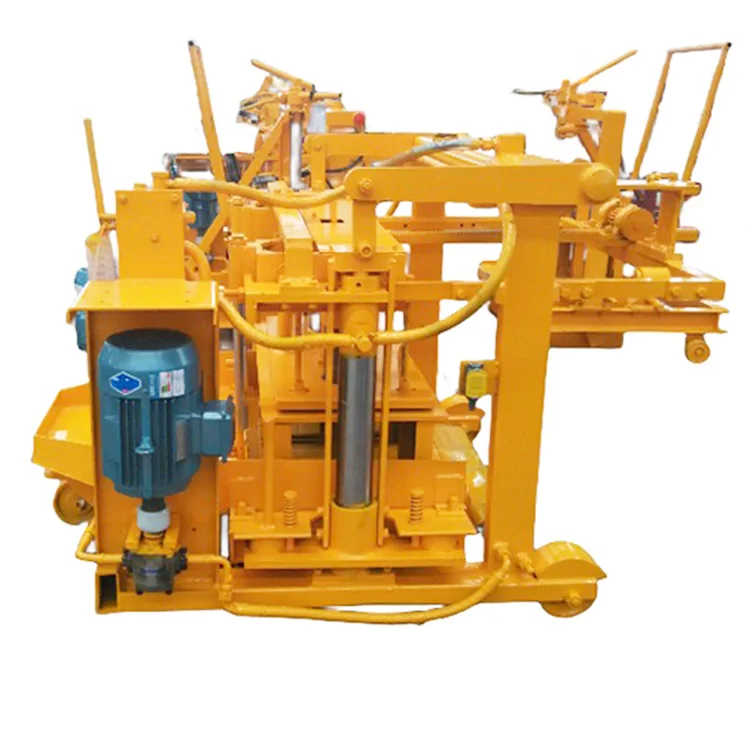
Description
Fast dispatch, verified — every QMY4-30 is voltage-checked and container-loading planned before release, so arrival timing holds even on tight project schedules.
Technical Specifications
| Parameter | Value |
|---|---|
| Model | QMY4-30 |
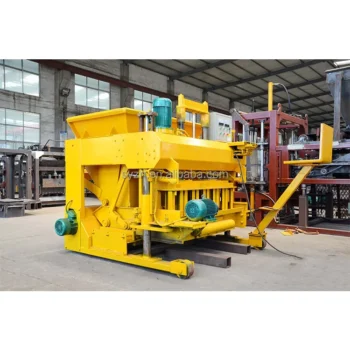
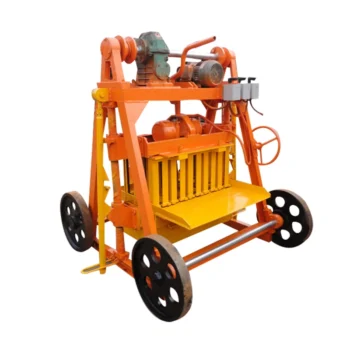
| Product Type | Mobile Hydraulic Block Making Machine |
| Rated Power | 5 kW |
| Voltage & Frequency | configurable — confirm local supply before dispatch |
| Control System | manual hydraulic operation (PLC availability to confirm) |
| Overall Dimensions (L×W×H) | 1200 × 1200 × 1100 mm |
| Net Weight | 950 kg |
| Cycle Time | 30 seconds |
| Output Capacity | 480 pcs/h based on 400×200×200 mm hollow block (4 pcs/mould); 600 pcs/h based on 400×150×200 mm (5 pcs/mould); 840 pcs/h based on 400×100×200 mm (7 pcs/mould) |
| Output per 8-Hour Shift | 3,840 pcs (400×200×200 mm) / 4,800 pcs (400×150×200 mm) / 6,720 pcs (400×100×200 mm) |
| Mould Format | hollow block and solid brick, standard sizes |
| Mould Change | changeable moulds for multiple formats (change time to confirm) |
| Raw Materials | cement, sand, crushed stones, slag |
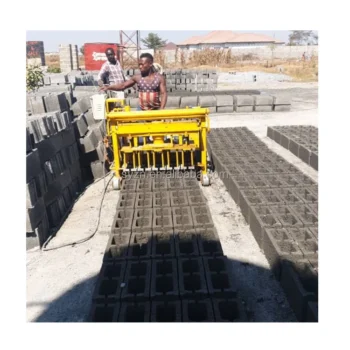
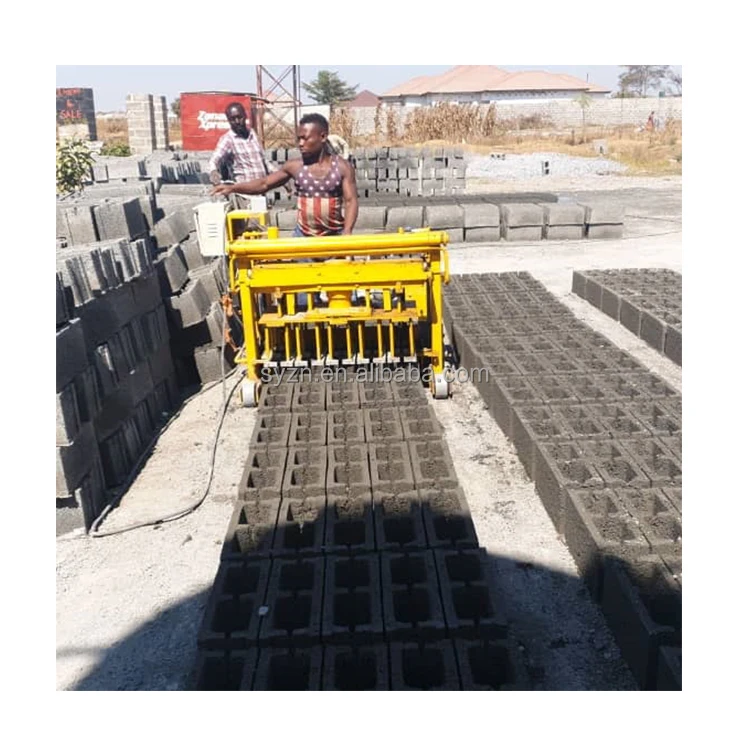
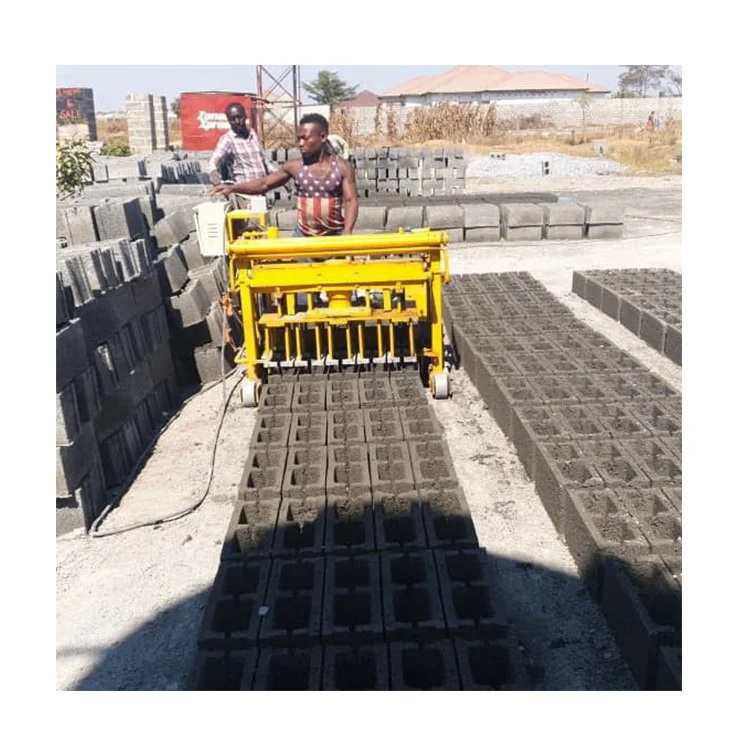
| Assembly State | mobile, egg-laying type — no fixed plant required |
| Automation Level | manual with hydraulic assist |
| Standards | CE or other certifications to confirm |
Application Suitability
| Application | Material or Output |
|---|---|
| On-site block production for building contractors | hollow blocks from cement, sand, and crushed stone directly at construction sites |
| Housing project block supply | solid bricks and hollow blocks produced locally to reduce transport cost and breakage |
| First-time block plant setup | small-scale hollow block and solid brick output with minimal fixed infrastructure |
| Remote or temporary project sites | egg-laying mobile production without curing racks or fixed pallet return systems |
What "In Stock" Actually Means When a Project Deadline Is Real
Stock status means nothing if the machine arrives with the wrong voltage or an incompatible plug.
I have watched a Mobile Block Making Machine in stock sit on a job site for three weeks because the local supply was 380V/60Hz and the unit shipped at a different configuration. The electricians stood around, the crew stood around, and the project schedule fell apart. A machine can be physically ready today and still delay your site if the electrical side is not locked down before it leaves the factory. [NEED_CITE: voltage and frequency standards by export market]
Dispatch Timing You Can Put on a Gantt Chart
When a buyer needs a Mobile Block Making Machine in stock for an active project, the real question is not whether the unit exists in the warehouse but whether it can be configured, tested, and loaded into a container within the window the site demands. The QMY4-30 is compact enough to dismantle and pack into roughly 3 CBM of plywood crating, which simplifies container planning and keeps the dispatch chain short. Every unit that leaves is checked against the buyer’s confirmed voltage, frequency, and plug type so the machine is electrically alive the moment it is unloaded.
How the Egg-Laying Design Removes Infrastructure Delays
Fixed block plants require curing racks, pallet return conveyors, and a prepared floor slab before the first block is made. The QMY4-30 skips all of that. It lays blocks directly on the ground and moves forward under its own power, which means a construction contractor or housing developer can start producing the day the machine is offloaded. [NEED_CITE: typical site preparation requirements for fixed versus mobile block plants] This matters when the project timeline has already compressed and there is no budget for a second round of civil works just to house the block line.
Reading the Specs Against Your Actual Block Format
The 30-second cycle time holds across the standard mould range, but the hourly output shifts depending on which block you are making. At 4 pcs per mould for the 400×200×200 mm hollow block, the machine produces 480 units per hour. Switch to the 400×100×200 mm format at 7 pcs per mould, and that rises to 840 units per hour. The hydraulic pressure and vibration force work together to compact the mix into a dense, consistent block — if either is mismatched to your local aggregate and cement ratio, block strength will vary from batch to batch. Buyers should confirm the hydraulic pressure rating and vibration force against their mix design before finalizing the order, because those two numbers determine whether the blocks pass the compressive strength test your project specifies.
When Fast Delivery Turns Into a Commissioning Standstill
A Mobile Block Making Machine in stock that ships without confirming the control language or the pallet size can still stall a site. If the operator cannot read the interface, training takes twice as long. If the pallet dimensions do not match the curing area the buyer already has, blocks pile up on the ground with nowhere to go. [NEED_CITE: common commissioning delays in exported construction machinery] These are not factory defects — they are specification gaps that could have been closed with a ten-minute conversation before the crate was nailed shut.
Why Buyers Working to Deadlines Source Here
Block machinery is the single focus of this operation, so the QMY4-30 ships as a matched system with its mould, pallet specification, and handling requirements aligned rather than assembled from separate vendors. Stock status and dispatch lead time are confirmed at the inquiry stage, not discovered after payment. Voltage, frequency, and control language are verified against the buyer’s market before the machine leaves, eliminating the three-week electrician delay that derails so many site starts. Container loading plans and packing photographs are provided so the buyer knows exactly how the machine arrives. [NEED_CITE: CE machinery directive requirements for industrial equipment] Documentation packages include customs support, which clears the arrival side of the shipment without last-minute scrambling.
Documentation & Verification
- Dispatch lead time and stock confirmation stated at inquiry stage
- Voltage and frequency test record matching buyer’s local supply
- Factory test record showing cycle time on buyer’s target block format
- Container loading plan with packing photographs before crate closure
- Customs documentation package for destination port clearance
- Operation and maintenance manual in confirmed language
Installation, Commissioning & Support
- Confirm 5 kW power supply and dedicated circuit matching local voltage before offloading
- Machine arrives dismantled in plywood crating — reassembly on flat ground at site
- First-run block test on local cement and aggregate to verify hydraulic pressure setting
- Mould change demonstration during commissioning so operators practice format swaps
- Wear parts list with reorder codes provided for hydraulic seals and mould liners
- Ground condition check required — egg-laying operation needs a level, firm surface
Getting Your Quote Right the First Time
To match the correct QMY4-30 configuration to your site, share the block format you need to produce, your local voltage and frequency, and the project start date you are working toward. If you have an existing curing area or material supply already lined up, include those details so pallet size and raw material compatibility can be confirmed before the machine ships.
Frequently Asked Questions
Q: Is the QMY4-30 in stock now, and what is the dispatch lead time?
A: Stock availability and the dispatch window are confirmed at the inquiry stage based on current warehouse status. Once voltage, frequency, and control language are verified, the machine is prepared and crated. Typical turnaround from confirmation to container loading is communicated upfront so you can align it with your project schedule.
Q: How is the machine packed, and how does container loading work?
A: The QMY4-30 is dismantled and packed in plywood crating at approximately 3 CBM, which keeps container loading straightforward. A loading plan and packing photographs are shared before dispatch so the buyer can see exactly how the unit is secured for ocean freight.
Q: What voltage and frequency options can be configured for my market?
A: The electrical system is configured to match the buyer’s local supply before shipment. Confirm your site voltage and frequency — such as 220V/60Hz, 380V/50Hz, or 415V/50Hz — during the inquiry so the motor and wiring are built to the correct standard and no on-site modification is needed.
Q: Can the machine arrive in time for my project start date?
A: Arrival timing depends on dispatch readiness, ocean transit duration, and destination port clearance. Share your project start date at the inquiry stage and the team will confirm whether the shipping window is realistic. Customs documentation is included to reduce delays on arrival.
Q: What customs and shipping documents are provided?
A: The documentation package includes the commercial invoice, packing list, bill of lading, and any certificates required by the destination country. Specific document requirements should be confirmed during the order stage so everything is ready when the container arrives at port.