Description
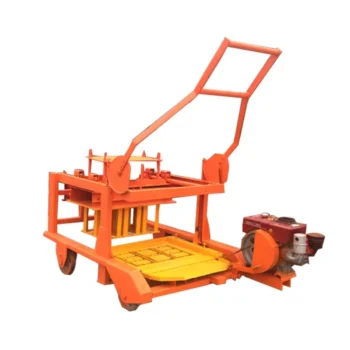
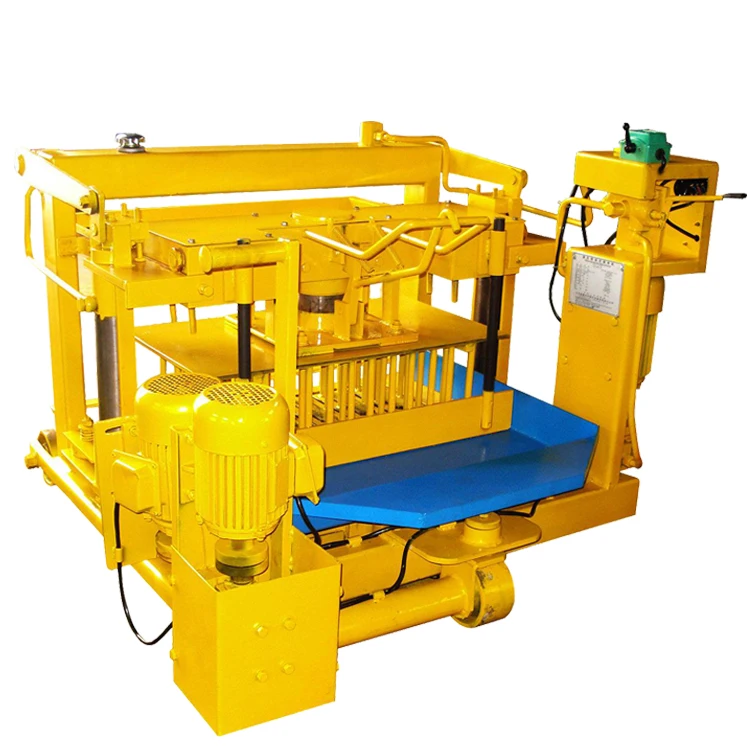
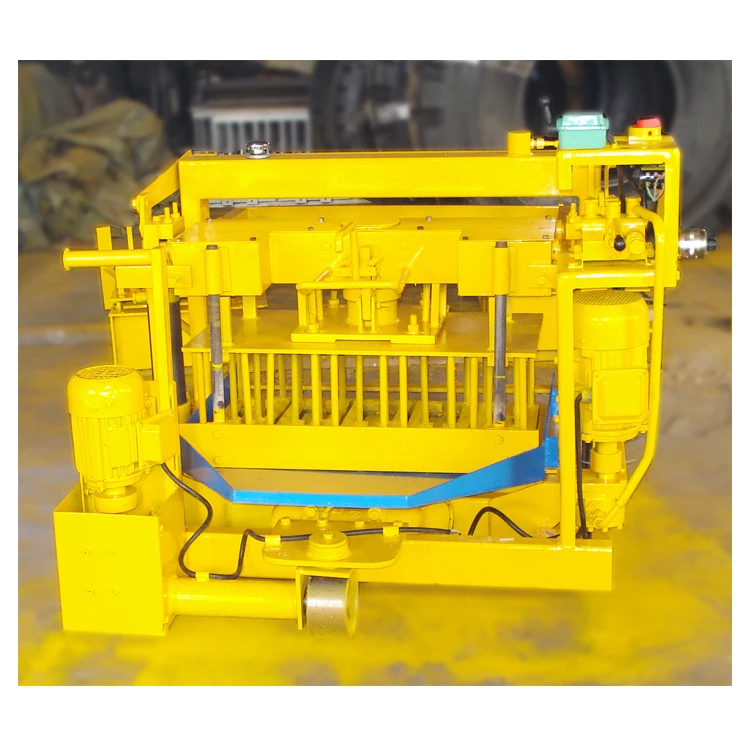
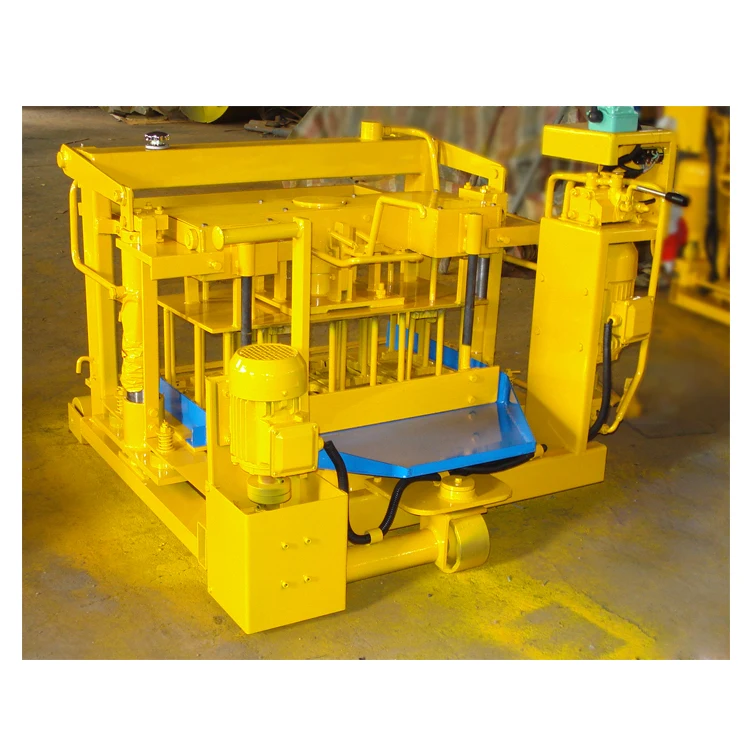
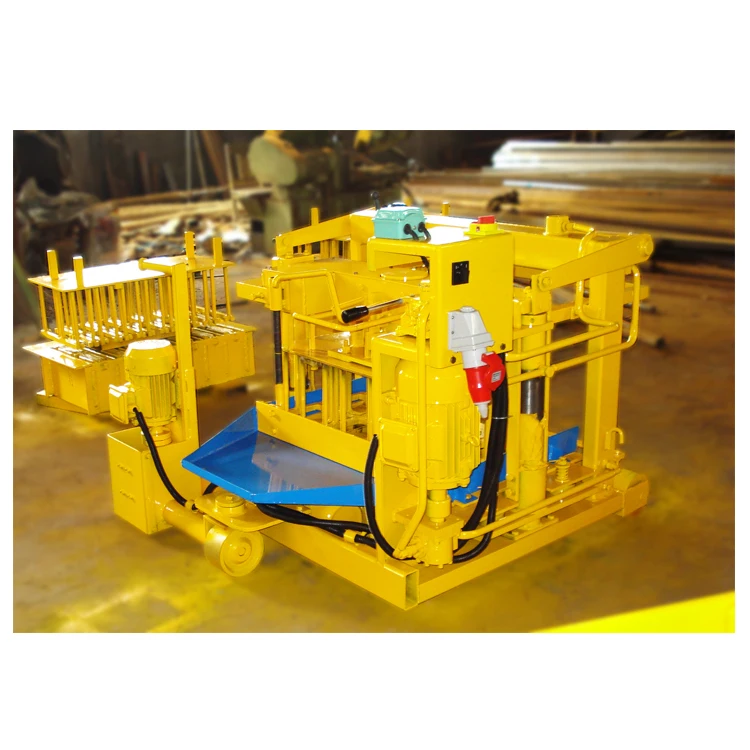
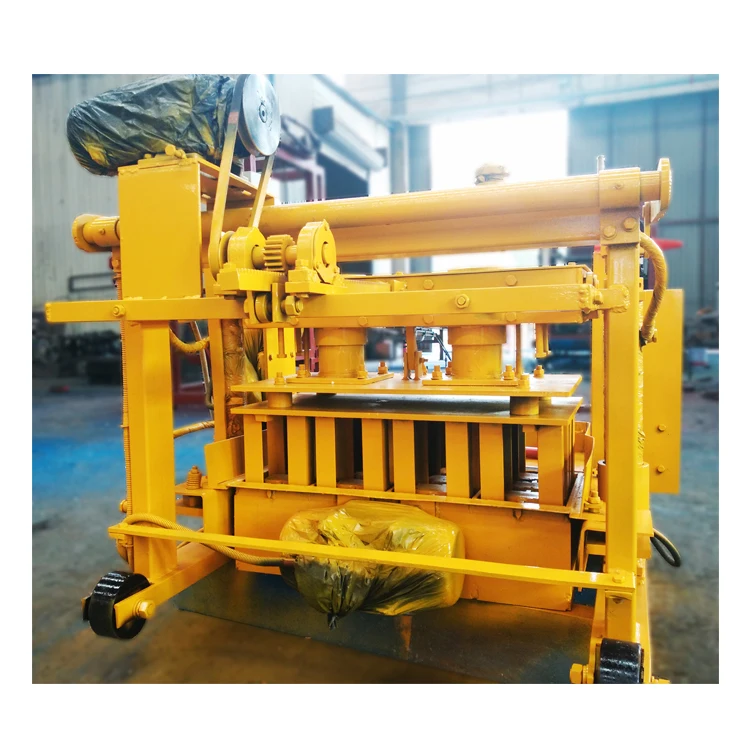
Quick Dispatch Readiness — this QMY4-30 mobile block machine is assembled, tested, and staged for container loading so you can have it on your job site within a typical multi-week lead time, not a quarter-long production wait.
Technical Specifications
| Parameter | Value |
|---|---|
| Model | QMY4-30 |
| Product Type | Mobile Cement Block Making Machine |
| Dimension of Host Machine | 1300 × 1500 × 1000 mm |
| Total Mass | 950–1000 kg |
| Rated Pressure | 6–8 MPa |
| Vibration Force | 28.6 kN |
| Vibration Frequency | 4500 r/min |
| Main Vibration Form | Moulding Vibration |
| Molding Cycle | 15–25 s (basis not stated in source — confirm block format and material) |
| Overall Power | 5.95 kW (rated or peak not specified) |
| Demolding Method | Hydraulic |
| Pallet Size | No pallet required (egg-laying type) |
| Mixer Model | JQ350 |
| Molding Area Consumption | 400 × 800 mm |
| General Water Consumption | 4 T/day (basis not stated in source — confirm mix and block format) |
| Applied Products | Hollow blocks, solid blocks, pavers, interlocking blocks |
| Raw Materials | Crushed stone, sand, cement, fly ash, gravel, slag, dust |
| Automatic | Yes |
| Warranty | 1 Year |
| Standards | ISO 9001, CE, SGS |
Application Suitability
| Application | Material or Output |
|---|---|
| On-site residential construction | Hollow and solid concrete blocks from local sand, crushed stone, and cement |
| Road and municipal paving | Paving blocks from gravel, cement, and fine aggregate mixes |
| Landscaping and garden projects | Interlocking blocks using fly ash, dust, and cement blends |
| Remote housing development | Egg-laying block production without fixed plant infrastructure |
| Contractor-owned supply yards | Mixed-format output for multiple simultaneous building projects |
What "15–25 Seconds per Cycle" Actually Means on Your Site
A cycle time figure is only useful when tied to the exact block format, wall thickness, and mix moisture you intend to run.
I have watched crews in Jordan unbox a mobile egg-laying machine that was quoted at a cycle time based on a thin interlocking paver, only to find that the 200 mm hollow block they actually needed took considerably longer to consolidate under the same vibration setting. The molding cycle on the QMY4-30 shifts across the 15–25 second range depending on block geometry, material density, and how your local sand behaves under vibration [NEED_CITE: relationship between aggregate grading and vibration consolidation time in egg-laying block machines]. When you need a Mobile Block Making Machine in stock for a deadline-driven project, the honest conversation starts with your target block drawing and a sample of your local aggregate — not a catalogue number.
How Stocked Availability Changes Your Project Timeline
Procurement for block machines typically involves a multi-week build cycle after order confirmation. The QMY4-30 Mobile Block Making Machine in stock means the unit has already been assembled, hydraulically tested, and run through a factory cycle before your purchase order arrives. For contractors working against a housing handover date or a road-paving milestone, this eliminates the gap between equipment commitment and first block on the ground. Container loading plans are prepared against the actual machine dimensions — 1300 × 1500 × 1000 mm host, plus the JQ350 mixer and mould set — so you know which container gauge to book before you wire a deposit.
Dispatch Logistics and What Arrives at Your Gate
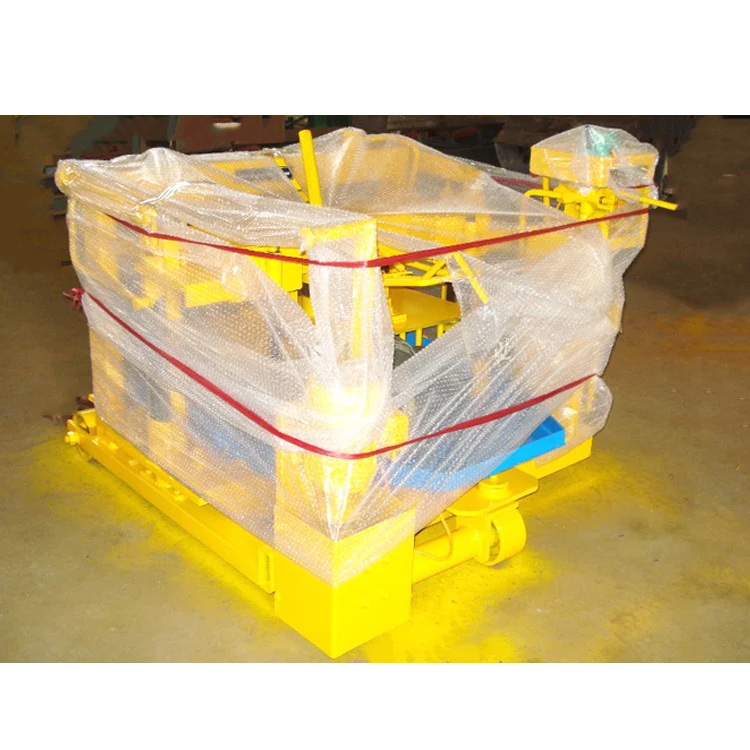
The entire system weighs between 950 and 1000 kg for the host machine alone. It is dismantled into its main frame, vibration assembly, hydraulic unit, and mould for loading, then reassembled on your slab. No pallets ship with this machine because the egg-laying design deposits blocks directly onto the ground surface — eliminating the recurring cost and handling labor of a pallet return loop. When the container doors open at your yard, you receive the host, the JQ350 pan mixer, the selected mould set, and the electrical panel, ready for a same-day hookup if your power supply is already in place [NEED_CITE: standard container loading procedures for mobile egg-laying block machines].
Pressure, Vibration, and the Block Density You Can Actually Sell
The 6–8 MPa rated hydraulic pressure and the 28.6 kN vibration force at 4500 r/min work as a paired system. Vibration collapses air voids in the fresh mix while hydraulic pressure compacts the material into the mould cavity from above. If your local sand carries a high clay fraction — common across many sites in the Middle East — the mix retains more water and resists consolidation, demanding longer vibration exposure or an adjusted amplitude setting to achieve the same block density. The QMY4-30’s moulding vibration form delivers force through the mould itself rather than through the frame, concentrating energy where the concrete sits. A 5.95 kW overall power draw keeps the machine within reach of a standard site generator, which matters when your production area has no grid connection yet.
The Hidden Cost of Skipping the Voltage Confirmation
One of the most common reasons a stocked machine sits idle on arrival is a voltage mismatch discovered after the electrician opens the panel. Destination markets run different supply standards — 220 V, 380 V, 440 V, at 50 or 60 Hz — and a motor wound for the wrong frequency will overheat within hours of continuous operation [NEED_CITE: voltage and frequency standards by export market]. Confirming your site’s supply specification before dispatch ensures the motor, the hydraulic pump drive, and the control panel are all wound and labeled for your grid. This single check, done during the order stage, prevents the multi-week delay of rewinding motors or sourcing a step-down transformer in a region where neither may be readily available.
Why Buyers Source This Machine Here
Block machinery is the sole focus of Shiyue Machinery’s production, which means the QMY4-30 is specified as a matched system — host machine, JQ350 mixer, mould set, and hydraulic package — rather than assembled from separate component vendors. The machine is configured against your actual mix design and local aggregate, not a default catalogue sheet, so the vibration force and hydraulic pressure are verified against the material you can actually source on your site. Mould design and supply cover the block formats your local market demands, with custom drawings accommodated when standard options do not match. Stocked machines carry confirmed dispatch lead times quoted upfront, so you can align your container booking and crew mobilization without guessing. Installation and commissioning support includes operator training at your site, and mould plus wear-parts supply continues after the first production run.
Documentation & Verification
- Machine specification sheet listing the confirmed mould set and block dimensions
- Factory test record run on your target block format before container loading
- Packing photographs showing dismantling state and crate reinforcement for ocean transit
- CE declaration and ISO 9001 certificate applicable to the shipped unit
- Voltage, frequency, and control language confirmation sheet signed before dispatch
- Hydraulic and electrical schematic matching the as-built panel configuration
Installation, Commissioning & Support
- Flat concrete slab of at least 500 m² required to accommodate the 400 × 800 mm molding area and material staging
- Power supply matching confirmed voltage and frequency, with a dedicated circuit rated above the 5.95 kW overall draw
- Machine arrives dismantled; host frame, vibration unit, hydraulic pack, and mould reassemble on-site with basic tools
- First-run commissioning includes mix adjustment and cycle timing against your local aggregate sample
- Operator training covers hydraulic demolding sequence, mould change procedure, and daily vibration mount inspection
- Wear parts list and mould maintenance schedule provided at handover for proactive replacement planning
Before You Request a Quote
To give you an accurate dispatch schedule and the right mould set, the conversation needs to cover your target block format with wall thickness, your daily volume requirement per format, and a description of your local aggregate including sand source and clay content. Share your site voltage, frequency, and preferred control panel language so the electrical package ships matched to your grid.
Frequently Asked Questions
Q: Is the QMY4-30 currently in stock and what is the dispatch lead time?
A: Stocked units of the QMY4-30 Mobile Block Making Machine in stock are assembled and factory-tested prior to order confirmation. Dispatch lead time is quoted upfront once your voltage and mould requirements are confirmed, and container loading plans are prepared against the actual dismantled dimensions so your shipping agent can book the correct container gauge immediately.
Q: What container is needed for shipment and how is the machine dismantled for loading?
A: The host machine at 1300 × 1500 × 1000 mm and the JQ350 mixer are dismantled into their major assemblies — frame, vibration unit, hydraulic pack, and mould — for container loading. The total mass of 950–1000 kg for the host alone fits within standard container floor-load limits, and packing photographs are provided before the container doors close.
Q: Which voltage and frequency options are available from stock?
A: Mobile Block Making Machine in stock units can be configured to match your destination market’s supply standard. Voltage, frequency, and control display language are confirmed during the order stage and verified against the as-built electrical panel before dispatch, preventing idle time caused by motor or transformer mismatches on arrival.
Q: What block formats can this machine produce and what is the realistic daily output?
A: The QMY4-30 covers hollow blocks, solid blocks, paving blocks, and interlocking blocks with a molding cycle of 15–25 seconds depending on format and material. Realistic daily output depends on the specific block dimensions, wall thickness, and your local mix design, which are calculated and stated per format in the capacity proposal before you commit to an order.
Q: Are standard moulds and wear parts shipped together with the machine?
A: The selected mould set for your target block format ships inside the same container as the host machine and JQ350 mixer. A wear parts list and recommended first-replacement schedule are included in the documentation package, and replacement moulds remain available through the same supply channel after your initial production run begins.