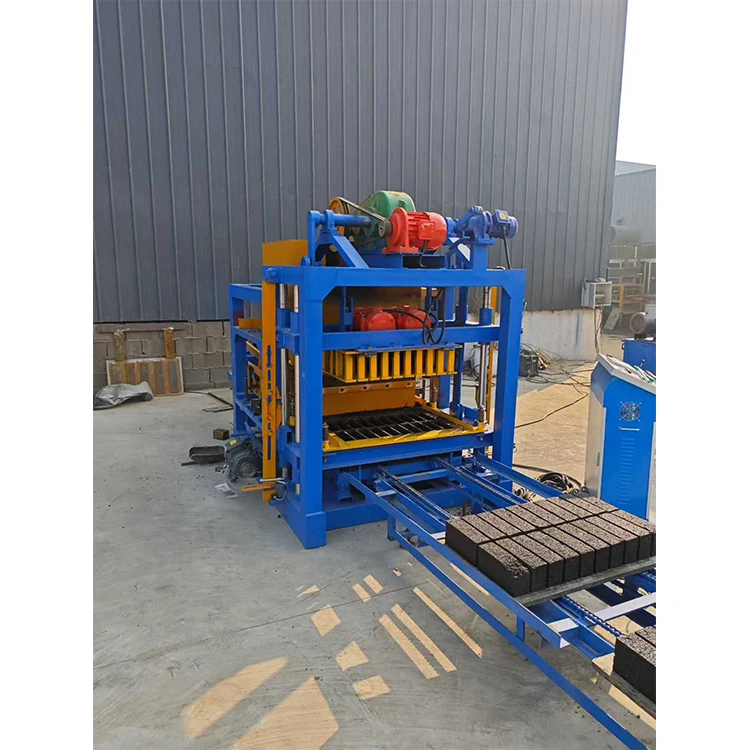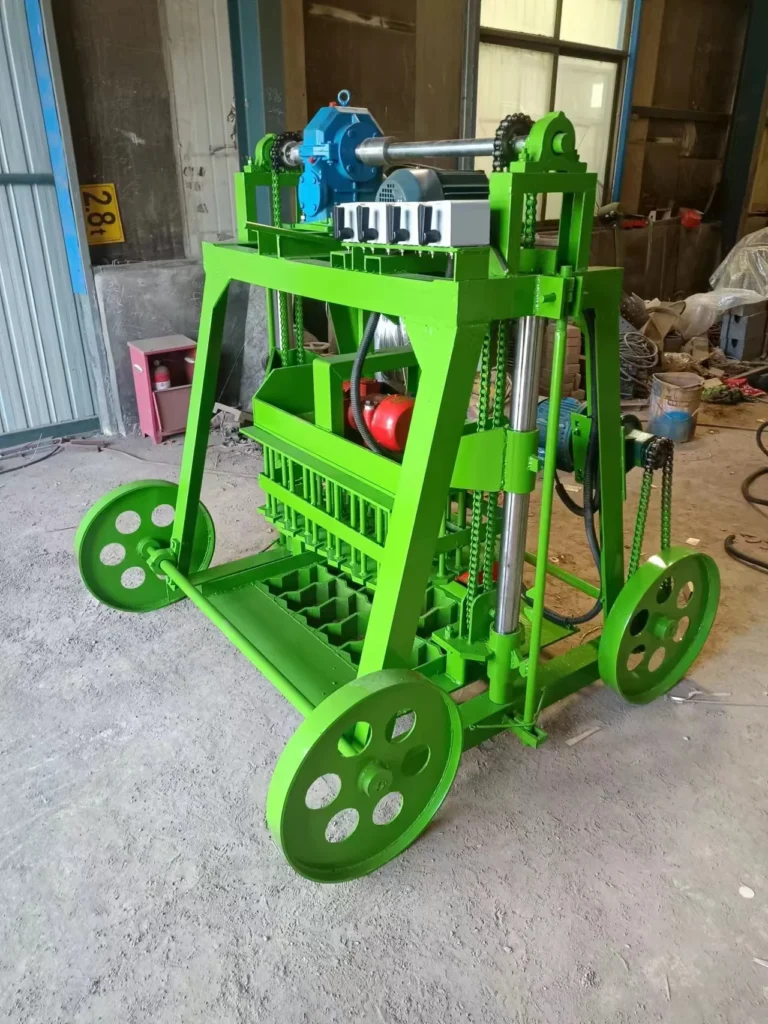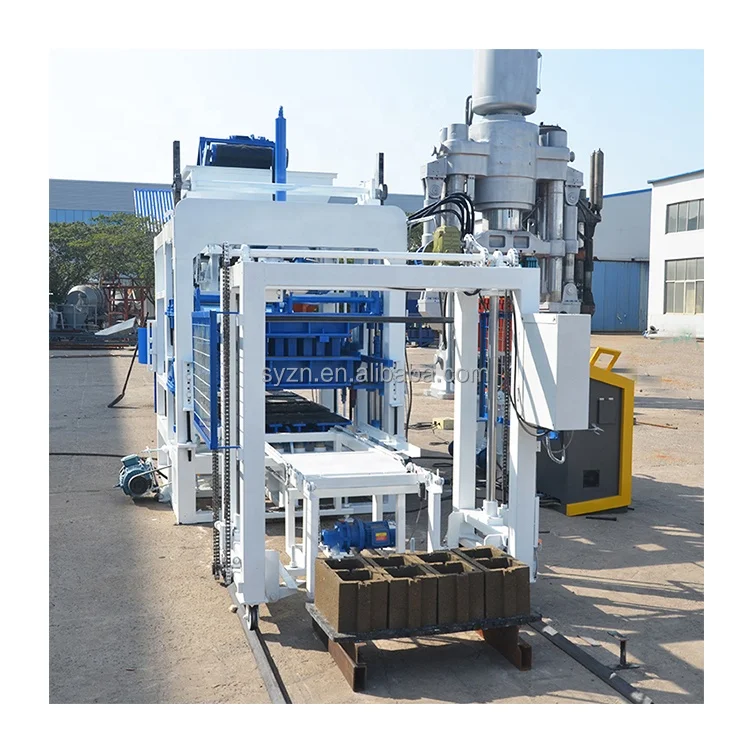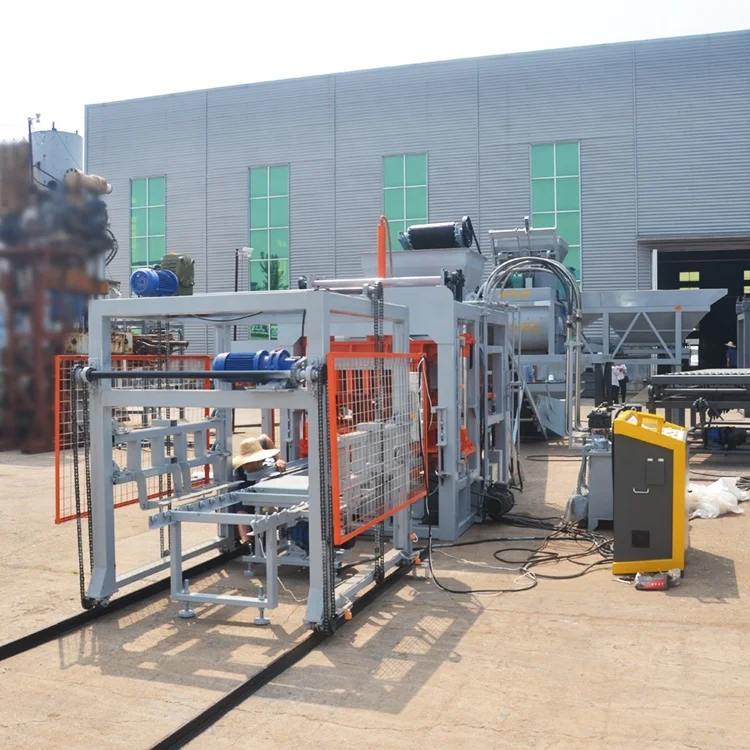
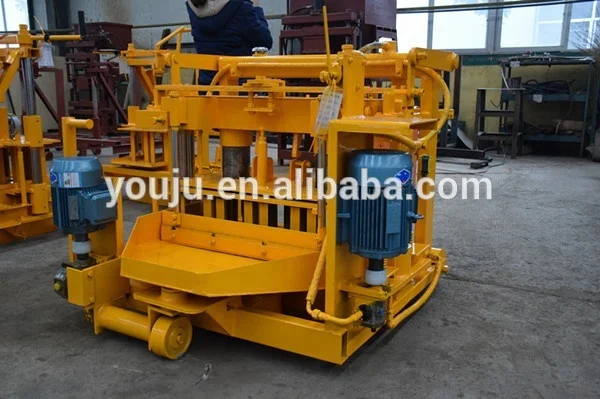
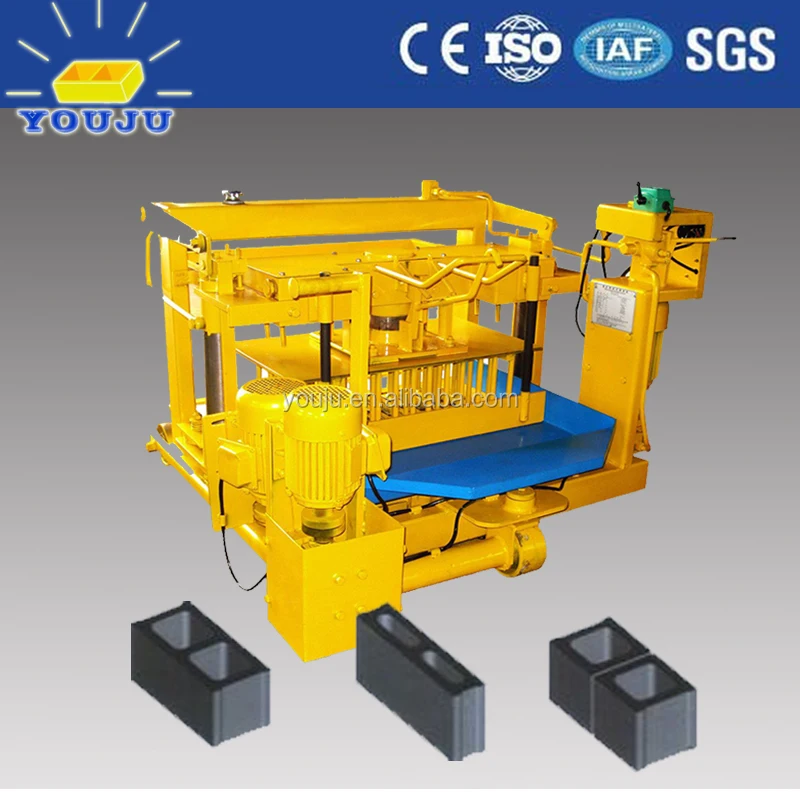
Description
Stock Dispatch Readiness — QMY4-30 mobile block machines are inventoried and configured to target market voltage before crating, cutting the gap between order confirmation and container loading to a verifiable window.
Technical Specifications
| Parameter | Value |
|---|---|
| Model | QMY4-30 |
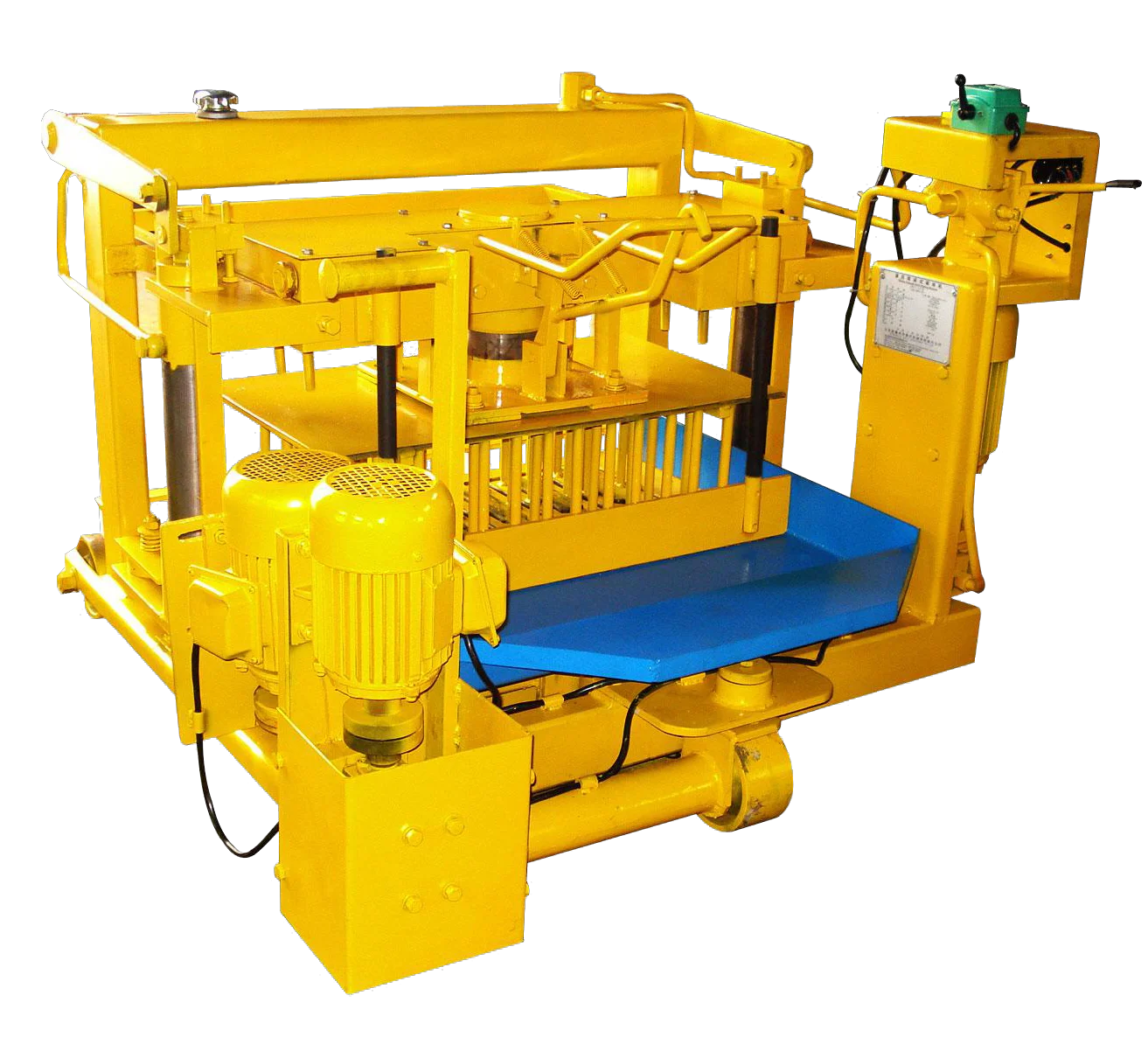
| Product Type | Mobile Concrete Block Making Machine |
| Rated Power | 5 kW |
| Overall Dimensions (L×W×H) | 1200 × 1200 × 1100 mm |
| Net Weight | 950 kg |
| Cycle Time | 30 seconds |
| Output Capacity | 480 pcs/h (basis: 400×200×200mm hollow block); 600 pcs/h (basis: 400×150×200mm hollow block); 840 pcs/h (basis: 400×100×200mm hollow block) |
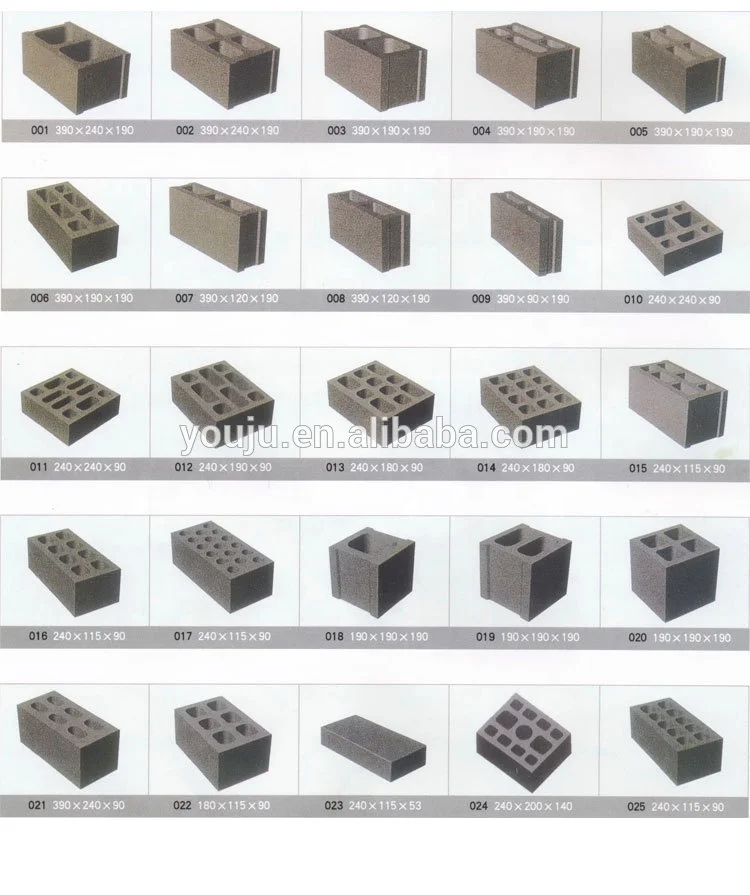
| Mould Format Compatibility | 400×200×200mm / 400×150×200mm / 400×100×200mm hollow block; solid brick moulds changeable |
| Pallet Requirement | Not applicable (egg-laying mobile type) |
| Raw Materials | Cement, sand, crushed stones, slag |
| Automation Level | Manual / low-investment operation |
| Stacking Method | Manual |
| Warranty | One year |
Application Suitability
| Application | Material or Output |
|---|---|
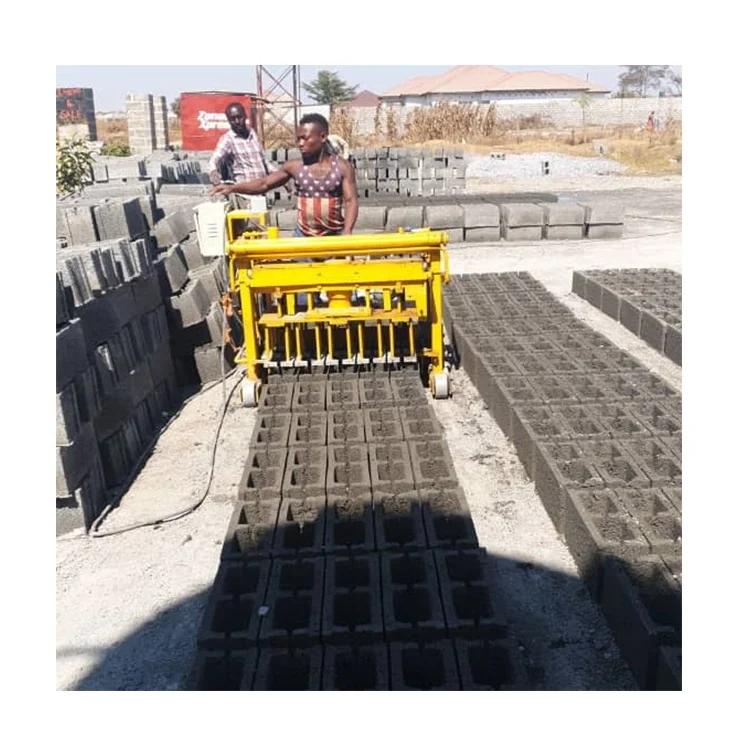
| On-site hollow block production for housing projects | Cement, sand, and crushed stone mixes formed directly on the construction slab |
| Small-scale block manufacturing for first-time entrepreneurs | Hollow blocks and solid bricks from locally sourced aggregate without fixed plant infrastructure |
| Remote development site block supply | Mobile egg-laying production using site-available sand and slag, eliminating transport from a distant yard |
Why the Voltage Question Must Be Settled Before the QMY4-30 Mobile Block Machine in Stock Ships
Confirming voltage, frequency, and control panel language before dispatch prevents the most common on-site commissioning failure.
I have stood on job sites where a mobile block maker sat idle for days because the local supply was 415V/50Hz and the motor was wound for 380V/60Hz. The QMY4-30 mobile block machine in stock is a simple 5 kW unit, but simple does not mean immune to mismatch [NEED_CITE: voltage and frequency standards by export market]. When the panel labels and cycle instructions are printed in a language the crew cannot read, operators guess at settings, and guesswork damages the vibration motor long before the first thousand blocks are laid.
Dispatch Lead Time and Container Loading
The QMY4-30 mobile block machine in stock is compact enough that two units can share a standard 20-foot container with room left for a set of spare moulds and wear parts. Because the machine ships as a single integrated frame rather than a dismantled assembly, uncrating and positioning on-site is a same-day task. Buyers working against a project mobilization date need the dispatch window stated in calendar days from order confirmation, not a vague production estimate.
Mould Formats Held in Inventory
Standard hollow block moulds for 400×200×200mm, 400×150×200mm, and 400×100×200mm formats are stocked alongside the machine. Solid brick moulds are also available and can be included in the same crate. Confirming which formats your local market actually trades before the container is sealed avoids the situation where the machine arrives but the only mould on site produces a block size nobody is buying [NEED_CITE: regional block format preferences in African and South Asian construction markets].
Reading the Cycle Time and Output Figures
The 30-second cycle time governs how many blocks one operator can produce per hour, but the output number shifts depending on which mould is bolted on. At 400×200×200mm hollow block format, one cycle yields a smaller count per shot than the 400×100×200mm format, where more cavities fit the same footprint. The rated power of 5 kW means the vibration and travel motors draw modest current, which matters when the site runs on a diesel generator with limited headroom. Net weight of 950 kg keeps the machine stable during vibration without requiring a poured foundation — it moves on its own wheels across a leveled slab.
The Cost of Skipping Pre-Shipment Confirmation
When voltage and panel language are left unresolved at the time of booking, the machine arrives and sits. An electrician must be called to add a transformer, which introduces another failure point and ongoing energy loss. Meanwhile the contractor pays a crew that cannot produce [NEED_CITE: on-site idle crew costs during equipment commissioning delays]. These are avoidable delays, and they fall entirely on the buyer when the specification was never locked in writing before the machine left the factory floor.
Why Source the QMY4-30 Here
Voltage, frequency, and control panel language are confirmed and documented before the QMY4-30 mobile block machine in stock is crated — this is a non-negotiable step in our dispatch process. Standard moulds are pulled from the same warehouse, so the machine and its tooling ship in one consignment rather than arriving weeks apart. Every unit undergoes a factory test run that is recorded and shared with the buyer before loading. Container loading plans are quoted with the machine dismantling dimensions stated up front, so the freight forwarder books the right box on the first attempt.
Documentation & Verification
- Factory test record run on your specified hollow block mould before dispatch
- Voltage, frequency, and control language confirmation sheet signed prior to crating
- Mould drawing and format list for every mould included in the shipment
- Operation and maintenance manual in the confirmed panel language
- Packing photographs showing crate condition and container load plan
Installation, Commissioning & Support
- Leveled concrete slab or compacted ground sufficient for 950 kg operating weight
- Dedicated 5 kW circuit at confirmed voltage and frequency within cable reach of the machine
- Machine ships assembled — position, connect power, and run first cycle same day
- Operator training covers mould change procedure and vibration motor maintenance
- First set of wear parts and spare moulds ship in the same container if ordered together
What to Include in Your Inquiry
To receive a firm dispatch date and loading plan, share the hollow block or solid brick formats your market trades, the voltage and frequency at your site, and the preferred language for the control panel and manual. If your site runs on generator power, state the generator capacity so we can confirm the 5 kW draw will not conflict with other equipment on the same circuit.
Frequently Asked Questions
Q: Which mobile block machine models are currently in stock and what is the typical dispatch window?
A: The QMY4-30 is held in stock as a standard model. Dispatch timing is quoted in calendar days from order confirmation once voltage, frequency, and language are locked. Container booking follows immediately after the factory test record is shared and approved by the buyer.
Q: How is the machine loaded into a container and how quickly can it produce after arrival?
A: The QMY4-30 ships as a single integrated frame. It is rolled into the container and secured. On arrival, the buyer uncages the unit, positions it on a leveled surface, connects the confirmed power supply, and the first production cycle can run the same day.
Q: The output figures list different capacities — what determines which number applies to my project?
A: Each capacity figure is tied to a specific block format. The 480 pcs/h figure applies to 400×200×200mm hollow blocks, 600 pcs/h to 400×150×200mm, and 840 pcs/h to 400×100×200mm. Confirm which format your site will run most frequently and plan daily output around that figure.
Q: Can voltage, frequency, and panel language be confirmed before the machine ships?
A: Yes — this confirmation is a mandatory step before crating. The buyer provides the local supply specification and preferred language. The factory test is then run at that exact voltage, and the panel labels and manual are produced in the confirmed language.
Q: When should I order spare moulds and wear parts, and can they ship with the machine?
A: Ordering the first set of wear parts and any additional mould formats at the time of the machine order ensures everything loads into the same container. This avoids a second shipment and the delay of waiting for parts that arrive weeks after the machine is already on site.