
Description
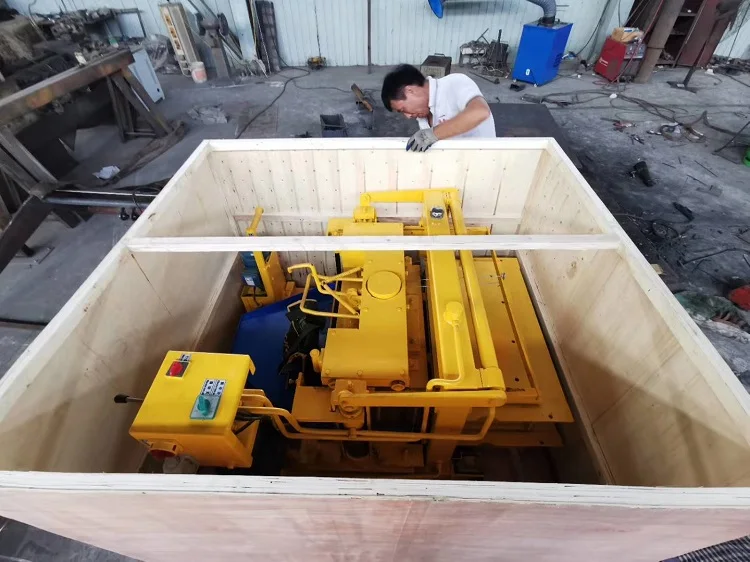
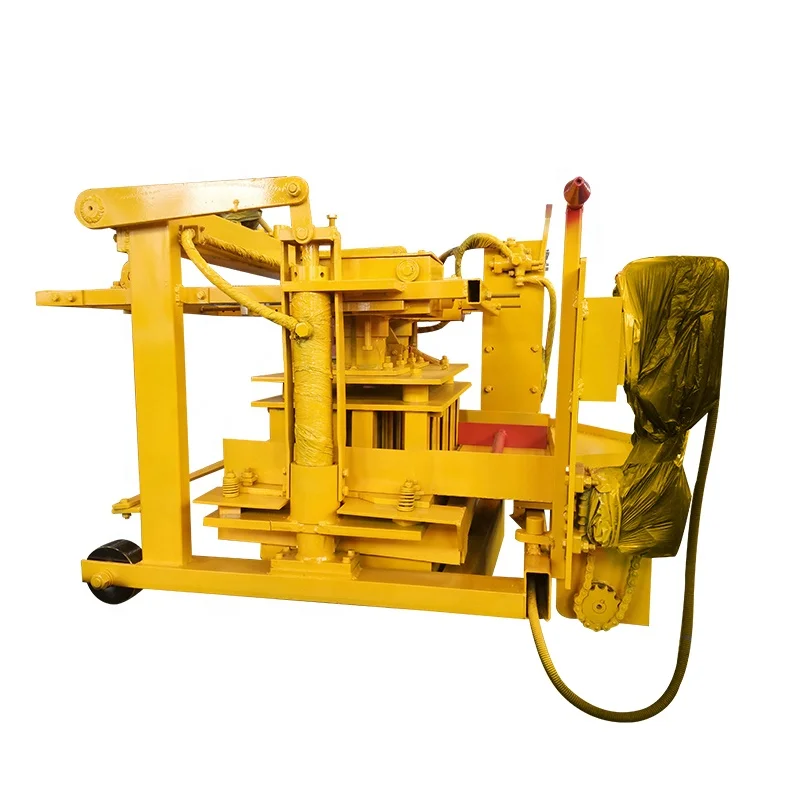
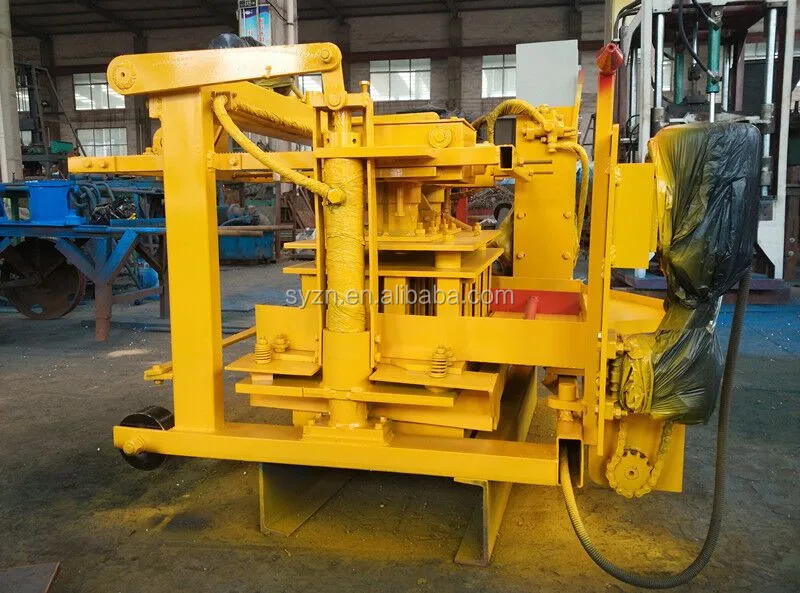
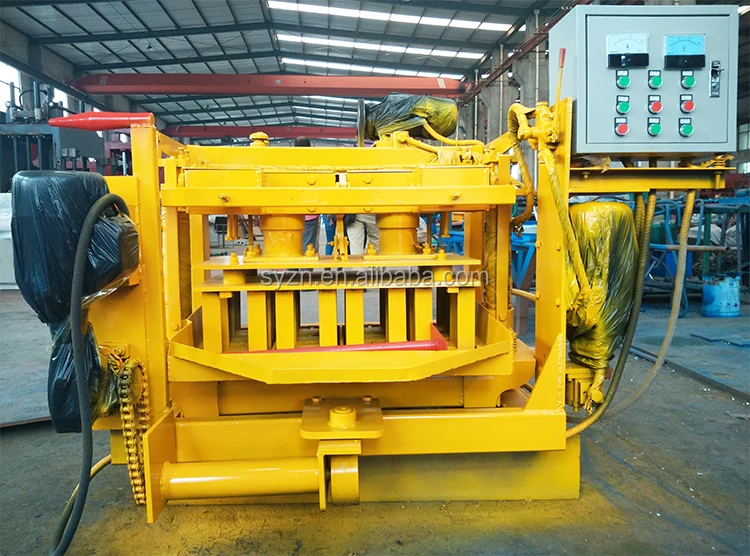
Ready for Dispatch — every QMY4-30 Moving Cement Hollow Brick Making Machine leaves our factory only after voltage, load, and mobility checks match the buyer’s confirmed site conditions.
Technical Specifications
| Parameter | Value |
|---|---|
| Product Type | Mobile Block Machine |
| Model | QMY4-30 |
| Molding Cycle | 30 seconds |
| Total Power | 5.95 kW |
| Vibration Method | Mould vibration |
| Demold Method | Hydraulic |
| Output Capacity | 480 pcs/hour based on 400×200×200mm hollow block, 4 pcs/mould |
| Output Capacity | 600 pcs/hour based on 400×150×200mm block, 5 pcs/mould |
| Output Capacity | 840 pcs/hour based on 400×100×200mm block, 7 pcs/mould |
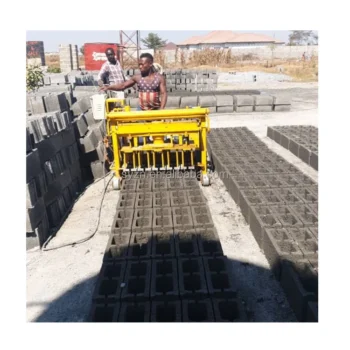
| Pallet Requirement | No pallets required (egg-laying design) |
| Operating Environment | Mountainous, hilly, industrial mining, desert, and coastal areas |
| Mobility | Mobile hydraulic brick machine |
| Standards | ISO 9001:2000, CE |
Application Suitability
| Application | Material or Output |
|---|---|
| On-site hollow block production | Crushed stone, sand, cement, and fly ash mixes |
| Remote construction project supply | Solid blocks laid directly on prepared ground |
| Small-scale block manufacturing | Interlocking pavers and kerbstones with custom moulds |
| Housing development sites | Load-bearing blocks produced adjacent to the building footprint |
Why the Voltage Question Must Precede Dispatch
Confirming local voltage and frequency before container loading prevents arrival-day electrical failure.
A mobile block machine ordered on short notice often arrives at a site where the generator or grid supply has not been cross-checked against the motor and control panel rating. When a 380V unit meets a 415V or 220V supply, the hydraulic pump motor overheats within the first shift, and the control relays fail. I have seen contractors lose entire project weeks waiting for replacement contactors to clear customs. Securing the mobile block machine in stock fast delivery means nothing if the machine cannot be energized on day one. [NEED_CITE: voltage and frequency standards by export market]
Dispatch Readiness and Container Loading
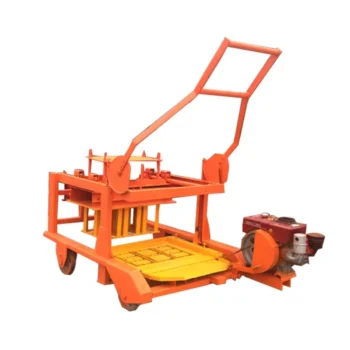
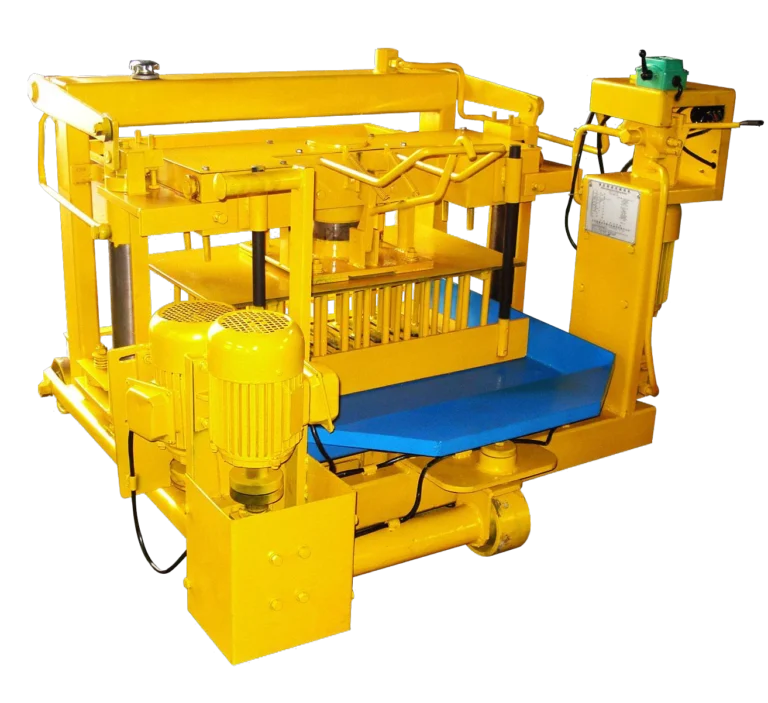
The QMY4-30 Moving Cement Hollow Brick Making Machine is compact enough to fit standard dismantling patterns for container loading. The hydraulic cylinder, mould box, and vibration motor are secured separately to prevent transit damage. When a buyer confirms the mobile block machine in stock fast delivery requirement, the loading plan is drafted alongside the packing photographs so the receiving team knows exactly how to reassemble on site.
Arrival Timing and Site Preparation
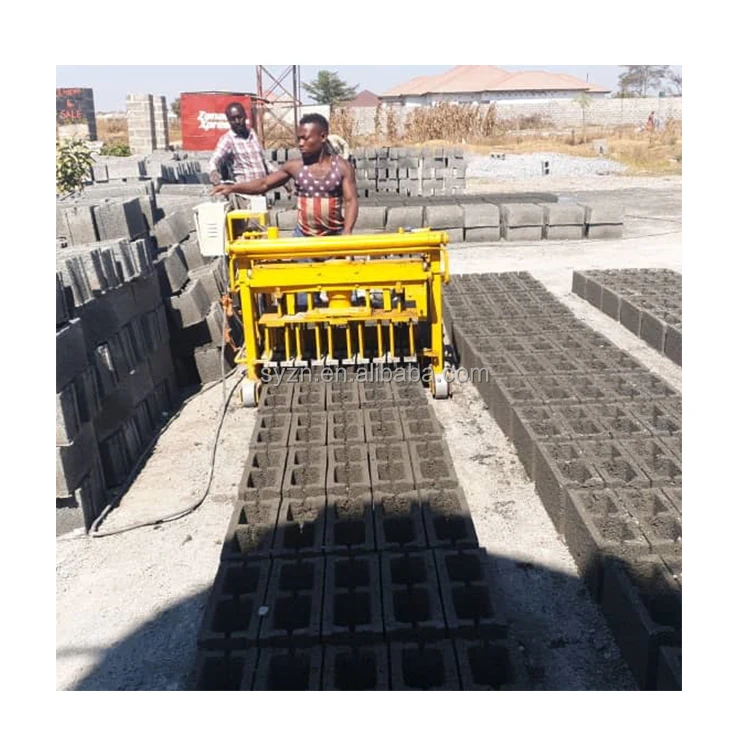
Contractors working against project deadlines need the arrival estimate quoted upfront. Once the machine clears the factory floor, transit time depends on the destination port and inland haulage. The egg-laying design means no pallet inventory has to be sourced locally before production starts. The machine moves directly onto a leveled concrete strip and begins laying blocks. [NEED_CITE: typical ocean freight transit windows for machinery containers]
Reading the Capacity Figures Correctly
The 30-second molding cycle produces 480 pieces per hour only when the mould is set for 400×200×200mm hollow blocks at four cavities per press. Switching to a 400×100×200mm solid block mould increases cavities to seven, raising the hourly count to 840 pieces per hour based on that specific format. The 5.95 kW total power rating drives both the mould vibration and the hydraulic demold system simultaneously. Mould vibration ensures consistent density across the block cross-section, while the hydraulic demold prevents corner damage during extraction. These parameters together define what the machine can realistically produce during a continuous shift on a given mix design.
The Cost of Skipping Pre-Shipment Voltage Confirmation
When voltage and frequency are assumed rather than confirmed, the machine arrives and the main motor either refuses to start or draws excessive current until the thermal overload trips repeatedly. The contractor then sources a local step-up or step-down transformer, which adds procurement time and introduces voltage drop under the hydraulic pump’s starting load. The project schedule slips, and the crew stands idle. This pattern repeats across export markets where industrial supply standards differ from the manufacturer’s default. [NEED_CITE: industrial motor failure causes related to voltage mismatch]
Why Sourcing Here Reduces Dispatch Friction
Block machinery is the single production focus, so the QMY4-30 is built, tested, and loaded as a complete unit rather than assembled from separate component suppliers. The configuration is set against the buyer’s confirmed local aggregate and target block format before the machine enters the dispatch queue. Mould options for the formats the buyer’s market actually sells are stocked alongside the base machine. Voltage, frequency, and control language are locked in during the order stage so no rework delays loading. Installation guidance covers the first start-up and operator training for the egg-laying technique.
Documentation & Verification
- Factory test record on the buyer’s confirmed block format before dispatch
- Voltage and frequency confirmation sheet signed prior to container loading
- Machine specification sheet with mould drawing and format list
- Packing photographs showing dismantling and securing for transit
- Operation and maintenance manual with wear parts list
Installation, Commissioning & Support
- Level a concrete strip to support the 5.95 kW machine without ground settlement during vibration cycles
- Confirm dedicated power circuit matching the confirmed voltage rating before connecting the control panel
- Reassemble hydraulic cylinder and mould box using the provided dismantling diagram
- Run the first 30-second molding cycle with the local mix to verify block density and demold timing
- Train operators on egg-laying technique and machine movement across the production strip
- Stock mould wear plates and hydraulic seals for the first replacement interval
What to Share Before Requesting a Dispatch Quote
Provide the exact block formats your market demands and the daily volume required per format. Confirm the local voltage, frequency, and available power supply type at the project site. Specify the raw materials and aggregate gradation you plan to use so the mould and vibration settings can be matched before the machine enters the loading queue.
Frequently Asked Questions
Q: What is the dispatch lead time and loading process for this mobile block machine in stock fast delivery?
A: Stocked QMY4-30 units are dismantled and secured for container loading once voltage and control language are confirmed. The loading plan and packing photographs are shared before the container is sealed. Transit time depends on destination port, and an arrival estimate is provided at the quotation stage.
Q: Which block formats can the QMY4-30 produce and what is the realistic output per format?
A: The machine handles hollow blocks, solid blocks, and pavers by changing moulds. Output is 480 pieces per hour based on 400×200×200mm hollow blocks and 840 pieces per hour based on 400×100×200mm solid blocks. Cycle time remains 30 seconds across formats.
Q: Does the QMY4-30 require pallets or a separate curing setup?
A: No pallets are required. The egg-laying design deposits blocks directly on a leveled concrete strip or prepared ground. This eliminates pallet investment and simplifies logistics, which is particularly valuable on remote or difficult terrain job sites.
Q: What voltage options are available for immediate shipment?
A: The motor and control panel are configured to the buyer’s confirmed voltage and frequency before dispatch. Common industrial standards are supported. Confirmation is required at order stage to ensure the machine can be energized on arrival without additional transformers.