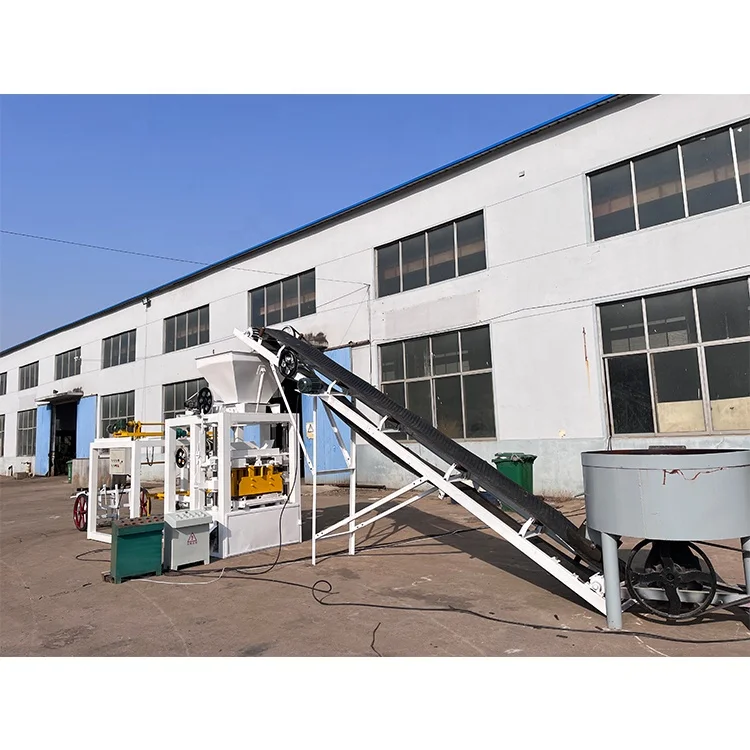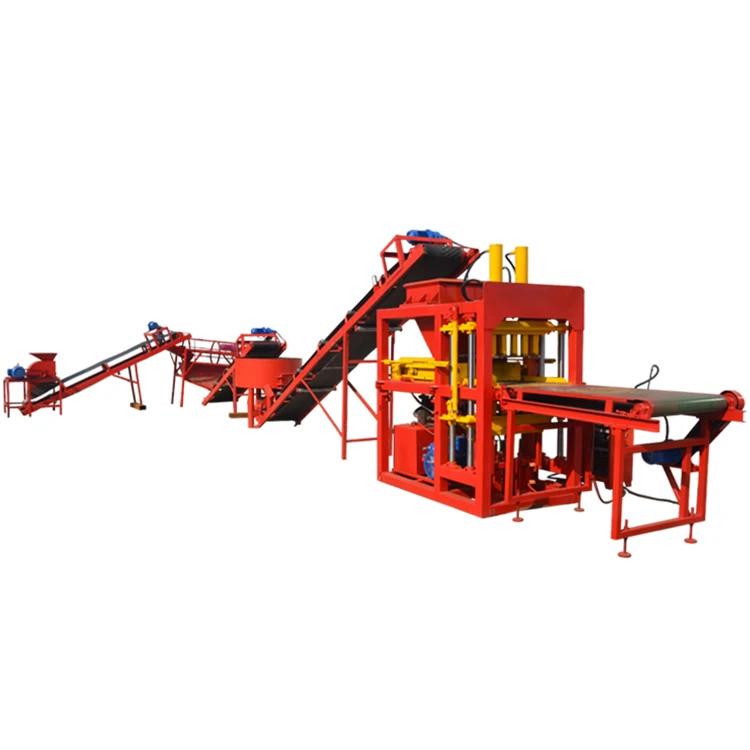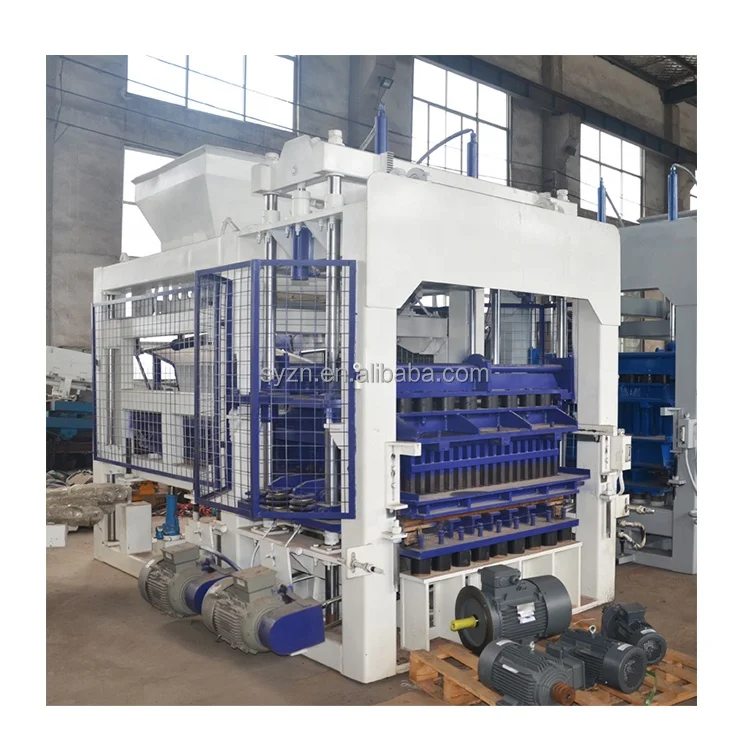


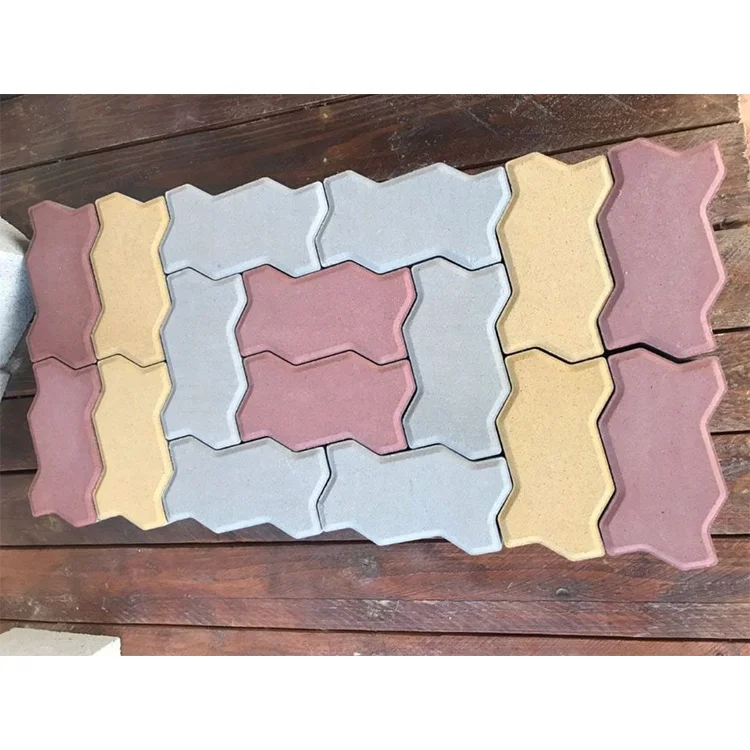
Description
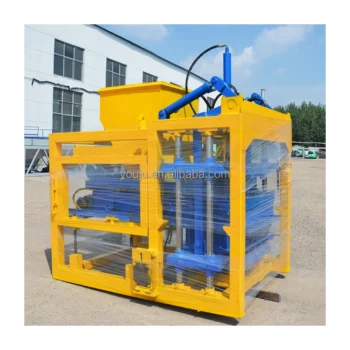
Stock Readiness Verified — The QT12-15 automatic block machine is assembled and tested at our facility, with dispatch scheduling locked to your project timeline rather than a factory backlog.
Technical Specifications
| Parameter | Value |
|---|---|
| Model | QT12-15 |
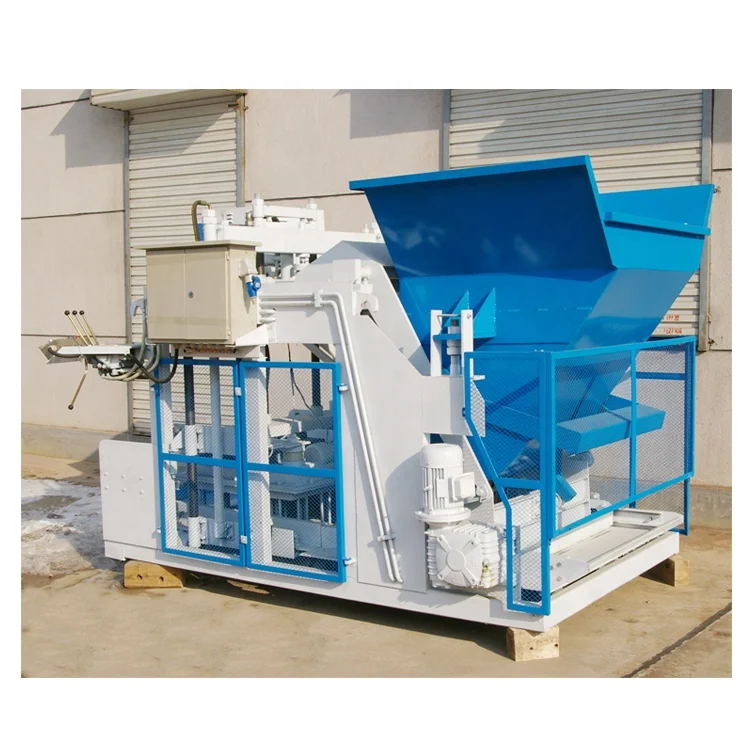
| Product Type | Fully Automatic Hydraulic Block Making Machine |
| Overall Dimensions (L×W×H) | 9350×2520×2950 mm |
| Net Weight | 12 T |
| Rated Power | 45.7 kW |
| Voltage & Frequency | 380V (frequency to be confirmed per destination) |
| Control System | PLC with German Siemens components |
| Hydraulic Pressure | 21 MPa |
| Pallet Size | 1350×850×40 mm |
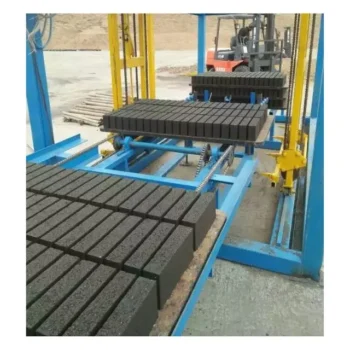
| Output Capacity | 2,800 pcs/hour based on 400×200×200mm hollow block (12 pcs/mould) |
| Solid Brick Output | 14,000 pcs/hour based on 240×115×53mm format (62 pcs/mould) |
| Automation Level | Full automatic |
| Warranty | 1 year |
Application Suitability
| Application | Material or Output |
|---|---|
| High-capacity hollow block plant | Crushed stone, sand, cement, fly ash mixes |
| Solid brick manufacturing | River sand, quarry dust, gravel aggregates |
| Building material factory expansion | Continuous automated output on standard pallets |
| Replacement unit for existing line | Drop-in for plants running 1350×850mm pallet format |
Why Dispatch Timing Decides Whether Your Project Starts on Schedule
A confirmed shipping date matters more than a catalogue capacity figure when your crew is already booked.
I have watched contractors pay idle-labour costs because a block machine was still "in production" three weeks after the promised sailing. With a QT12-15 automatic block machine in stock, the conversation shifts from estimated lead times to a concrete loading plan — which container type, whether the press frame needs dismantling, and exactly when the bill of lading will be issued. [NEED_CITE: typical vessel booking windows and container demurrage costs at destination ports]
Container Loading and Dismantling Realities
The 9350×2520×2950 mm frame and 12-tonne weight of the QT12-15 automatic block machine dictate a flat-rack or open-top container, and the hydraulic press section is typically unbolted from the main frame to clear door-height limits on standard dry vans. Knowing this before you book freight avoids the costly surprise of a rejected loading plan at the depot.
Voltage and Frequency Before the Proforma
We wire the PLC panel and motor starters to 380V as standard, but frequency must match the grid at your site — running a 50 Hz motor on 60 Hz supply shifts the vibration cycle and can crack green blocks out of the mould. Confirming voltage, phase, and Hz before production locks the commissioning path. [NEED_CITE: voltage and frequency standards by export market]
What the Pressure and Vibration Numbers Mean on the Shop Floor
Hydraulic pressure at 21 MPa and the matched vibration force together determine how densely the mix is compacted before the mould lifts. A higher pressure without enough vibration leaves voids in tall hollow blocks; too much vibration on a low-cement mix breaks the web structure. The 1350×850×40 mm pallet size sets the curing rack spacing you will need, so measure your existing racks before the machine ships.
The Cost of Skipping the Pallet Compatibility Check
Buyers who confirm pallet dimensions after arrival often discover their forklift tines are too short for the 1350 mm length, or the curing yard aisles were laid out for a smaller format. Retrofitting a handling system post-installation adds weeks of downtime. [NEED_CITE: forklift tine length standards and pallet handling mismatches in block plants]
Why Buyers Source This Machine Here
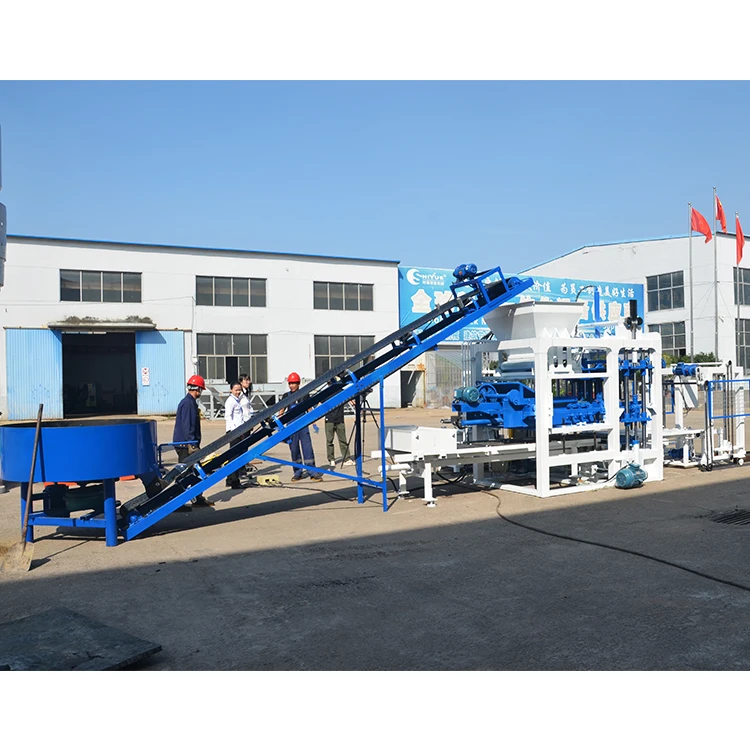
- Machine, mould, pallet and handling are specified as one system, so the QT12-15 press is never waiting on a mismatched feeder.
- Stock units are factory-assembled and test-run on a standard mix, giving you a baseline to compare against your local aggregate.
- Mould inventory covers the hollow and solid formats listed above, and custom drawings are accepted before the ship sails.
- Voltage, frequency and PLC display language are confirmed in writing before the panel is wired, eliminating rework at destination.
- CE and ISO 9001:2008 documentation ships with the crate, smoothing customs clearance on arrival.
Documentation & Verification
- Factory test record showing cycle times on the block format you ordered.
- Hydraulic and electrical schematics matching the as-built panel.
- Voltage, frequency and PLC language confirmation sheet.
- CE declaration and ISO 9001:2008 certificate copies for customs.
- Packing photographs taken before container doors close.
Installation, Commissioning & Support
- Foundation plan sized for the 9350×2520 mm footprint and 12 T static load.
- Dedicated 45.7 kW circuit with the confirmed voltage and frequency.
- Press frame re-bolted and levelled; hydraulic lines pressure-tested to 21 MPa.
- PLC parameters tuned to your mix on the first production run.
- Operator training covering mould change, pallet feed and daily greasing points.
- Wear parts list with part numbers for first reorder.
What We Need to Finalise Your Dispatch
Tell us the exact hollow or solid format you will run, the local aggregate type and moisture range, and the voltage and frequency at your site. Share your curing yard dimensions and forklift capacity so we match the pallet and handling spec. Once these points are confirmed, the loading plan and sailing date follow.
Frequently Asked Questions
Q: Is the QT12-15 automatic block machine currently in stock or built to order?
A: This QT12-15 is assembled and held at our facility as a stock unit in standard configuration. If you need a non-standard voltage or a custom mould, those items are prepared before dispatch, adding a short preparation window rather than a full production cycle.
Q: How is a 12-tonne machine loaded into a container?
A: The press frame is separated from the main body to meet container door-height limits, then secured on a flat-rack or open-top unit. Reassembly on site involves re-bolting the frame, reconnecting hydraulic lines and re-testing pressure — typically handled within a working day.
Q: Can the 380V system be adapted to my country’s grid?
A: Voltage and frequency are confirmed before the electrical panel is wired. We supply transformer recommendations if your site runs on a different standard, and the PLC components are selected to match the final supply specification.
Q: Will CE and ISO paperwork clear customs without delays?
A: The CE declaration and ISO 9001:2008 certificate ship inside the document envelope with the packing list, commercial invoice and bill of lading. We also supply the hydraulic schematic and test record that some port authorities request during inspection.