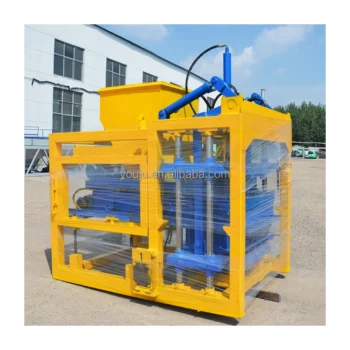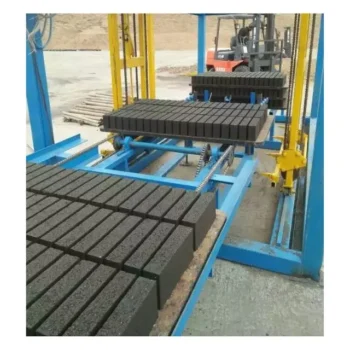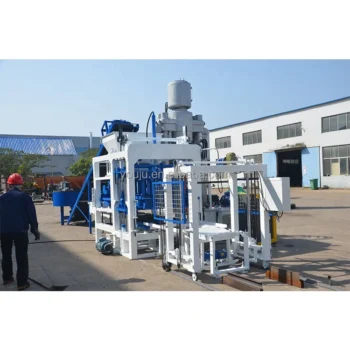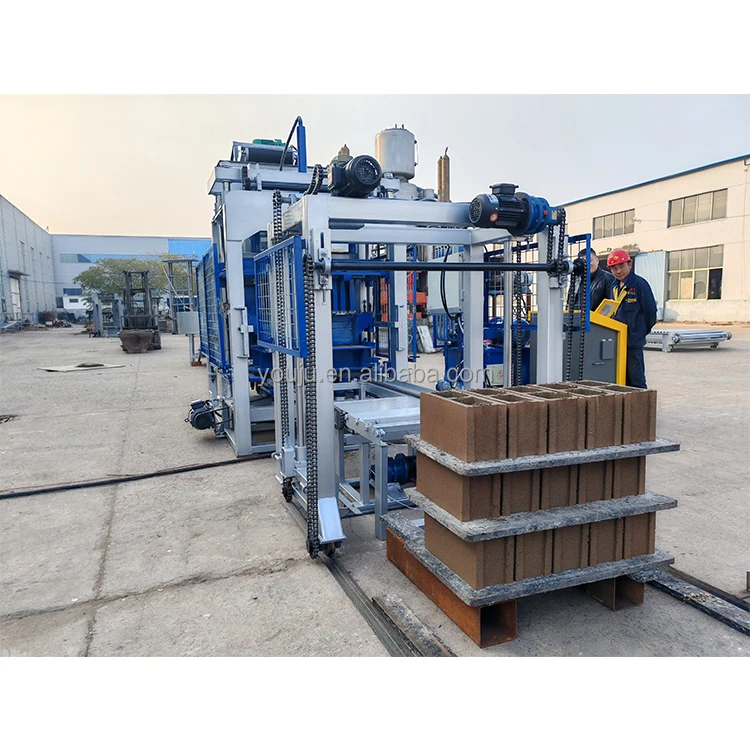
Description
Stocked Press, Confirmed Dispatch — We verify door clearances, container dimensions and voltage before the QT12-15 leaves the factory floor, so arrival timing matches your project schedule.
Technical Specifications
| Parameter | Value |
|---|---|
| Model | QT12-15 |
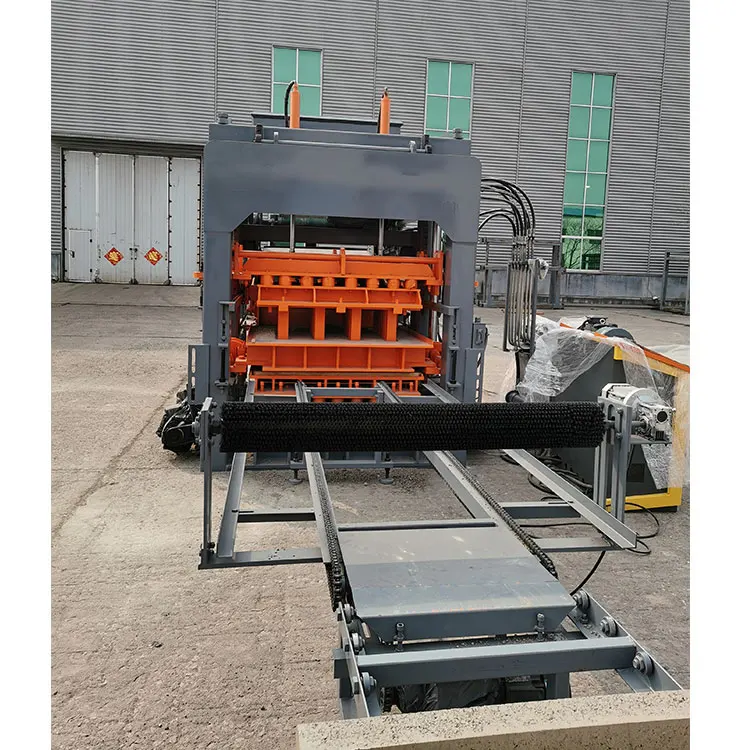
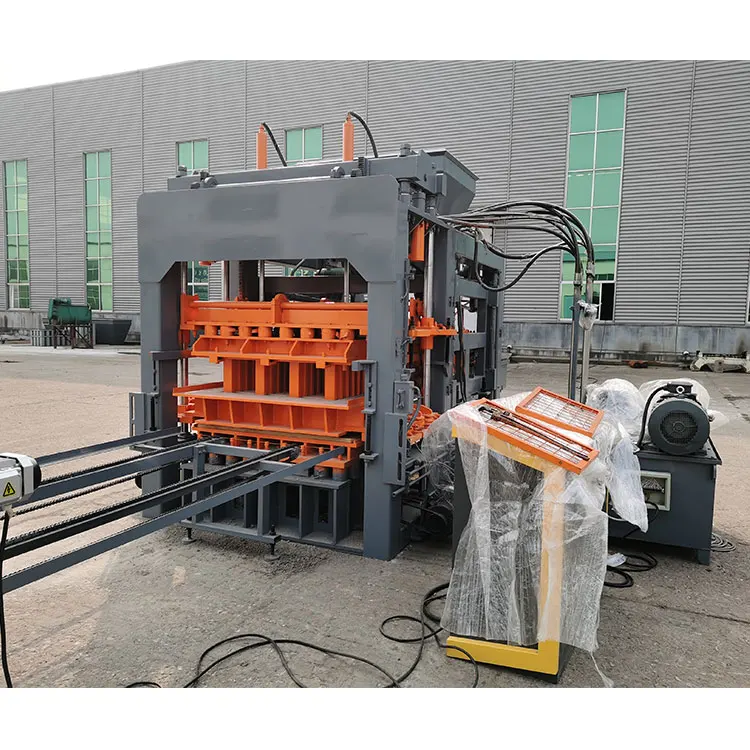
| Product Type | Hydraulic Concrete Block Making Machine |
| Overall Dimensions (L×W×H) | 9350 × 2520 × 2950 mm |
| Total Weight | 12000 kg |
| Total Installed Power | 50.7 kW |
| Rated Hydraulic Pressure | 21 MPa |
| Exciting Force | 120 kN |
| Main Vibration Form | Platform Vibration |
| Vibration Frequency | 2800–4500 r/min |
| Vibration Acceleration | 15–20 g |
| Pallet Size | 1350 × 850 mm |
| Molding Cycle | 15–25 s |
| Block Height Range | 50–200 mm |
| Storage Hopper Volume | 0.4 m³ |
| Feeding Device Volume | 0.31 m³ |
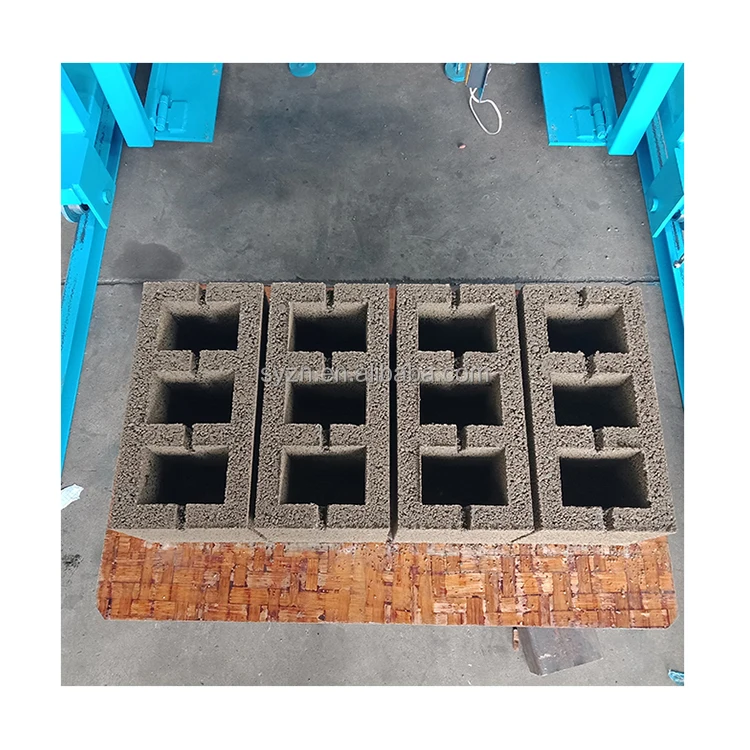
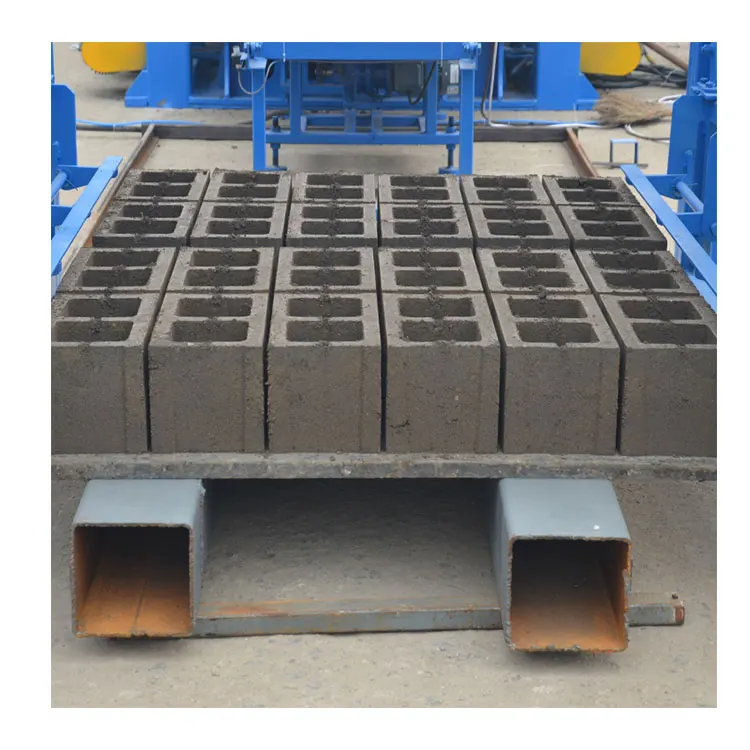
| Output Capacity (Hollow Block) | 13,700–17,200 pcs per 8h shift (based on 390×190×190 mm, 20–25 s cycle) |
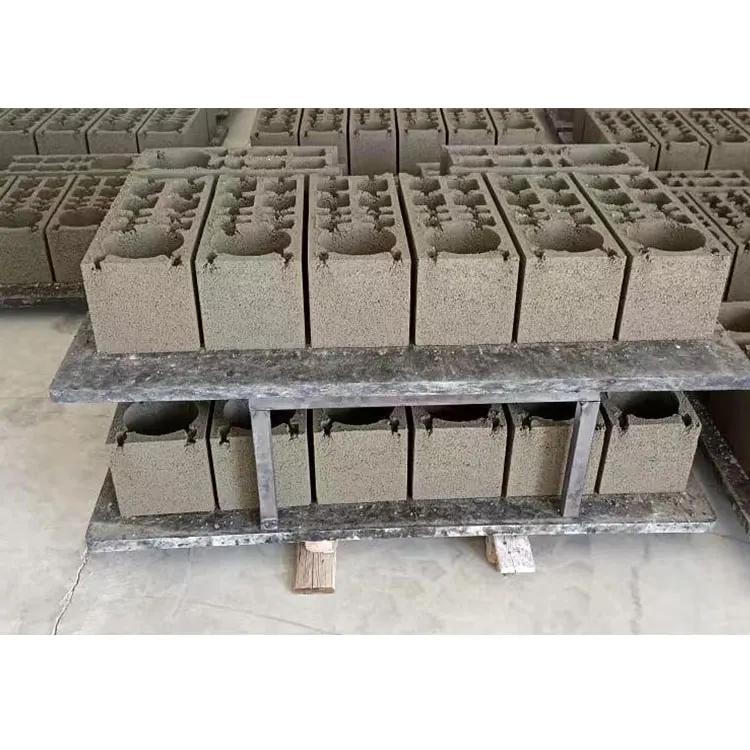
| Output Capacity (Porous Block) | 40,300–50,400 pcs per 8h shift (based on 240×115×90 mm, 20–25 s cycle) |
| Output Capacity (Standard Solid) | 105,000–119,000 pcs per 8h shift (based on 240×115×53 mm, 15–17 s cycle) |
| Frame Structure | Gantry frame, super steel, shock resistant |
| Mould Type | Cartridge welding, manganese steel, carburized and quenched |
| Control System | PLC controlled |
| Voltage & Frequency | Configurable (confirm before dispatch) |
| Key Features | Net wave swing feeding, mechanical-hydraulic-PLC synthesis, automatic operation |
Application Suitability
| Application | Material or Output |
|---|---|
| High-volume hollow block production | Cement, fly ash, crushed stone, sand mixes for structural walling |
| Porous and perforated brick manufacturing | Lightweight aggregate blends for thermal insulation blocks |
| Standard solid brick runs | Dense concrete mixes for load-bearing masonry |
| Paving and interlocking block production | High-strength concrete for exterior hardstanding surfaces |
| On-site contractor block making | Project-specific mixes for immediate construction use |
Dispatch Dates You Can Actually Build a Schedule Around
Every QT12-15 block machine in stock leaves with a written dispatch date and container loading plan — not an estimate.
Project contractors working against a fixed construction deadline cannot afford vague shipping windows. When a supplier quotes a QT12-15 block machine in stock without confirming which configurations are physically on the floor versus built-to-order, the machine arrives late and crews stand idle. We confirm stock status, lead time and estimated port arrival before any payment is collected [NEED_CITE: typical delays from unconfirmed dispatch schedules in industrial machinery imports].
What Stock Actually Means for Your Timeline
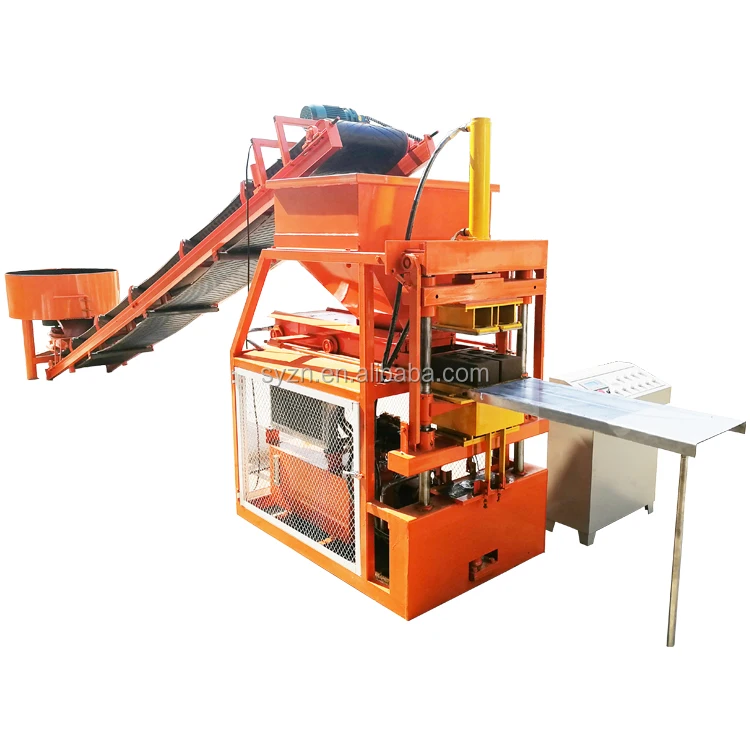
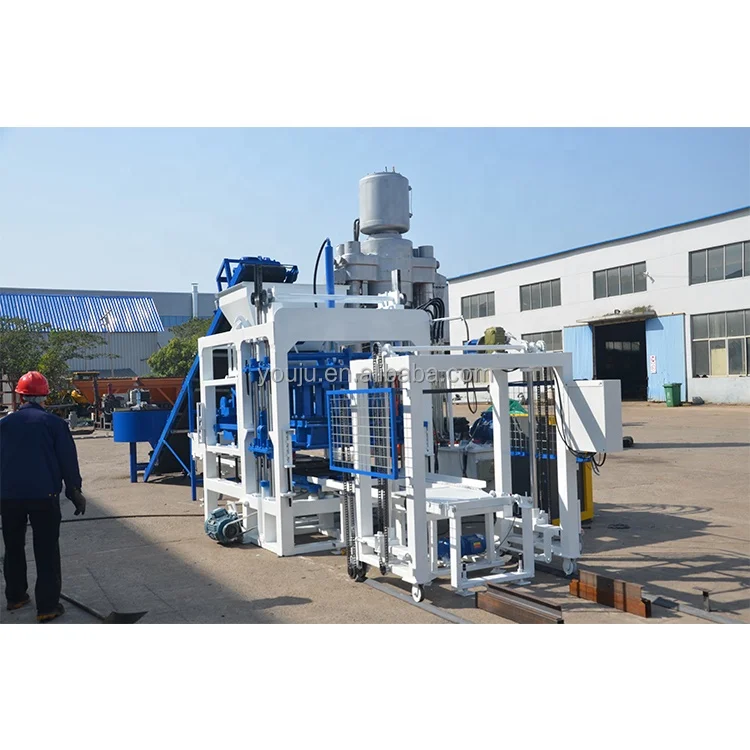
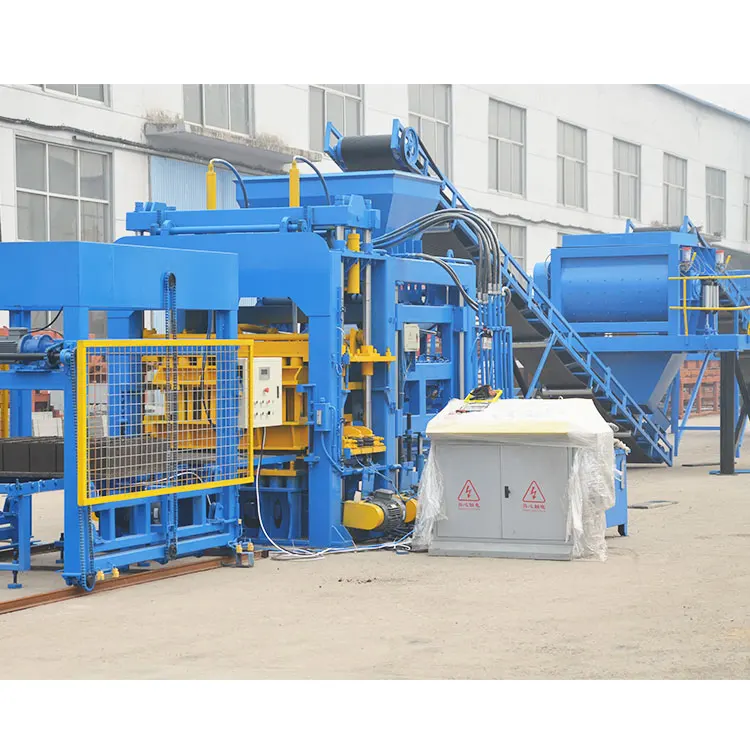
When we say a QT12-15 block machine in stock is ready for dispatch, we mean the press frame, hydraulic station and PLC cabinet are assembled, factory-tested and sitting in our Linyi warehouse. Standard moulds for hollow blocks and solid bricks are typically on the shelf alongside the machine. The fast delivery hydraulic block making machine you see in the quotation is the machine that gets loaded — not a substitute configuration swapped at the last minute.
Container Loading Before You Wire the Deposit
The QT12-15 measures 9350 × 2520 × 2950 mm and weighs 12,000 kg. It does not roll into a container whole. The gantry frame requires partial dismantling, and the hydraulic station travels separately from the vibration platform. We provide a packing plan showing which components fill which container, with photographs of every crate before the doors close. This is how a QT12-15 block machine in stock becomes a QT12-15 on your factory floor without surprise freight surcharges [NEED_CITE: container loading standards for heavy industrial presses].
Spec Sheets That Match What Ships
A fast delivery hydraulic block making machine only delivers on its promise when the specifications on paper match the hardware in the crate. The 21 MPa hydraulic pressure, the 120 kN exciting force, the 1350 × 850 mm pallet size — these are confirmed against the actual unit before it is crated. Voltage and frequency are locked to your site’s supply standard, and the PLC display language is set before dispatch so operators can read the screen on day one.
What the Numbers Mean on the Production Floor
The QT12-15 pairs 21 MPa rated hydraulic pressure with a platform vibration frequency reaching 4500 r/min and 15–20 g acceleration. Hydraulic pressure compacts the mix from above while vibration settles it from below; when both are matched to your local aggregate gradation and cement ratio, block compressive strength exceeds 15 MPa consistently. The 1350 × 850 mm pallet size dictates how many blocks are pressed per cycle and must align with your curing rack dimensions and forklift capacity. Mould changes on the cartridge-type welding system take a single shift segment rather than a full day, keeping format flexibility practical. Total installed power of 50.7 kW requires a dedicated circuit — confirm your transformer capacity before the machine arrives.
When a Fast Ship Date Hides a Wrong Configuration
Ordering a fast delivery hydraulic block making machine without confirming pallet compatibility means the cured blocks have nowhere to go. A pallet size that does not match the curing racks already in your yard forces a choice between replacing every rack or handling blocks by hand. Voltage confirmed too late means the PLC sits dark for weeks while a transformer is sourced locally. These are not delays in shipping — they are delays in specification that a stock machine cannot fix after it leaves the factory [NEED_CITE: common commissioning failures from unconfirmed electrical specifications].
Why Buyers Source This Press Through Us
Block machinery is our single focus, so the QT12-15 arrives as a matched system — press, mould, pallet and handling equipment specified together. We configure the machine against your actual mix design and local aggregate, not a catalogue default. Standard moulds for the formats your market sells are stocked; custom moulds are designed to your drawings with lead times stated upfront. Automation level is selectable, so you can start with semi-automatic pallet handling and add stacking later. Factory test records, packing photographs and full customs documentation support are provided before the container is sealed.
Documentation & Verification
- Line layout and capacity calculation stating which block format each output figure assumes
- Machine specification sheet with confirmed voltage, frequency and PLC language
- Mould drawing and format list for every mould included in the shipment
- Pallet specification matched to your curing rack spacing and forklift capacity
- Factory test record with hydraulic pressure and vibration readings documented
- Packing photographs of every component before container doors close
Installation, Commissioning & Support
- Foundation plan accounting for the 9350 × 2520 mm footprint and 12,000 kg static load
- Dedicated 50.7 kW circuit with confirmed voltage and frequency before energizing
- Reassembly of dismantled gantry frame and hydraulic station by trained technicians
- PLC parameter setup for local mix design and target block format on first run
- Operator training covering mould change procedure and cycle time adjustment
- Wear parts list with hydraulic seals and manganese steel mould liner reorder schedule
What We Need Before We Quote a Ship Date
Send us your target block formats, daily volume requirement and the raw materials available at your site. Confirm your workshop ceiling height and door width — the QT12-15 stands 2950 mm tall and must clear your entrance. Tell us your supply voltage, frequency and preferred PLC display language so the control system is set before dispatch.
Frequently Asked Questions
Q: Which QT12-15 configurations and standard moulds are in stock right now, and what is the dispatch lead time?
A: Stock status varies by configuration and mould set. We confirm in writing which units are on the floor and ready for crating versus those requiring assembly. Dispatch lead time for a stocked QT12-15 with standard hollow block or solid brick moulds is quoted at inquiry stage, along with a packing plan and estimated port arrival date.
Q: How is the QT12-15 dismantled and loaded into containers?
A: The gantry frame is partially broken down and the hydraulic station travels separately from the vibration platform. We provide a container loading plan showing component placement, total shipping volume and crating photographs before dispatch. The 9350 × 2520 × 2950 mm overall dimensions require specific dismantling to fit standard container configurations.
Q: What is the estimated arrival time at my destination port?
A: Sea freight transit time depends on the destination port and current shipping schedules. We quote an estimated arrival date alongside the dispatch date so you can plan foundation work and utility connections accordingly. Full customs documentation support is included in the shipment package.
Q: Can voltage and PLC language be adjusted before the machine ships?
A: Yes. Voltage, frequency and PLC display language are confirmed during the order process and set at the factory before the QT12-15 undergoes its final test run. This avoids commissioning delays caused by electrical mismatch or unreadable control screens after arrival.
Q: Does ordering a custom mould affect dispatch timing?
A: Custom moulds are designed and manufactured to buyer drawings and carry their own lead time, which may extend beyond the press dispatch date. We quote the mould timeline separately so you know whether the press ships first with standard moulds or waits for the complete set.