Description
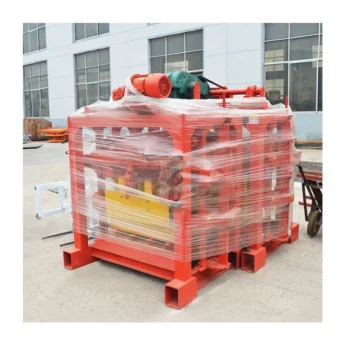
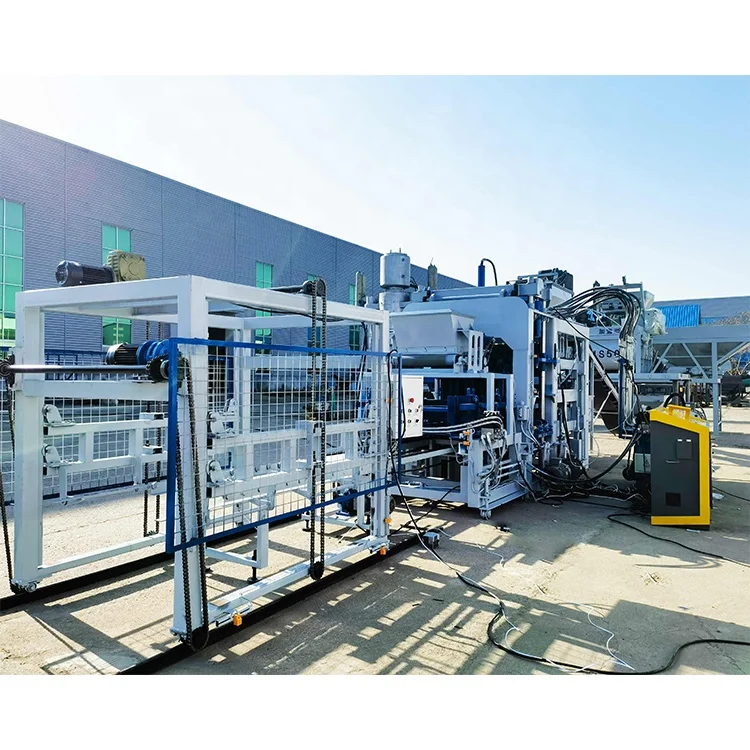
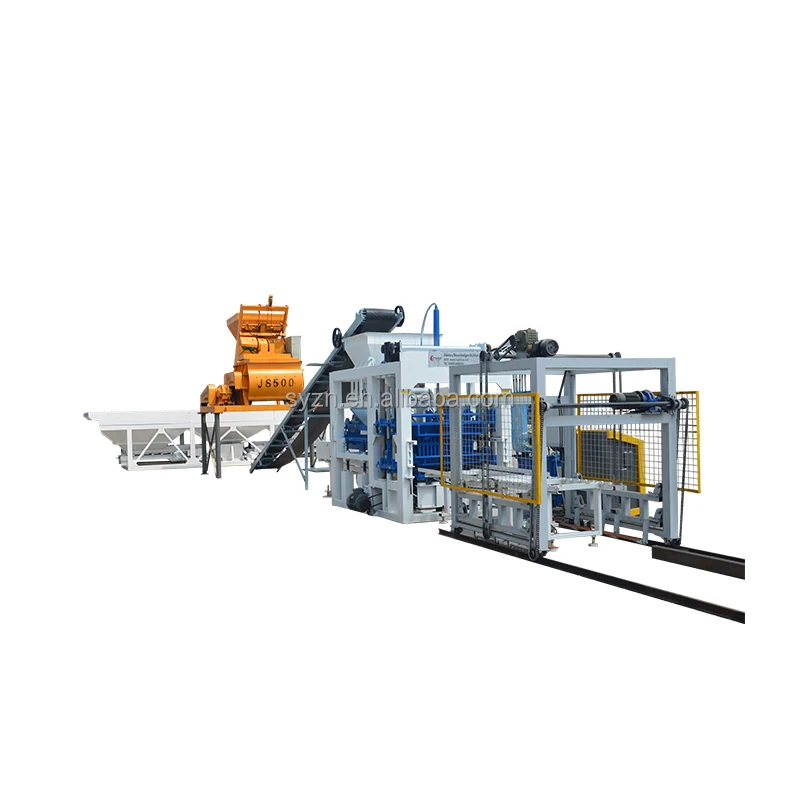
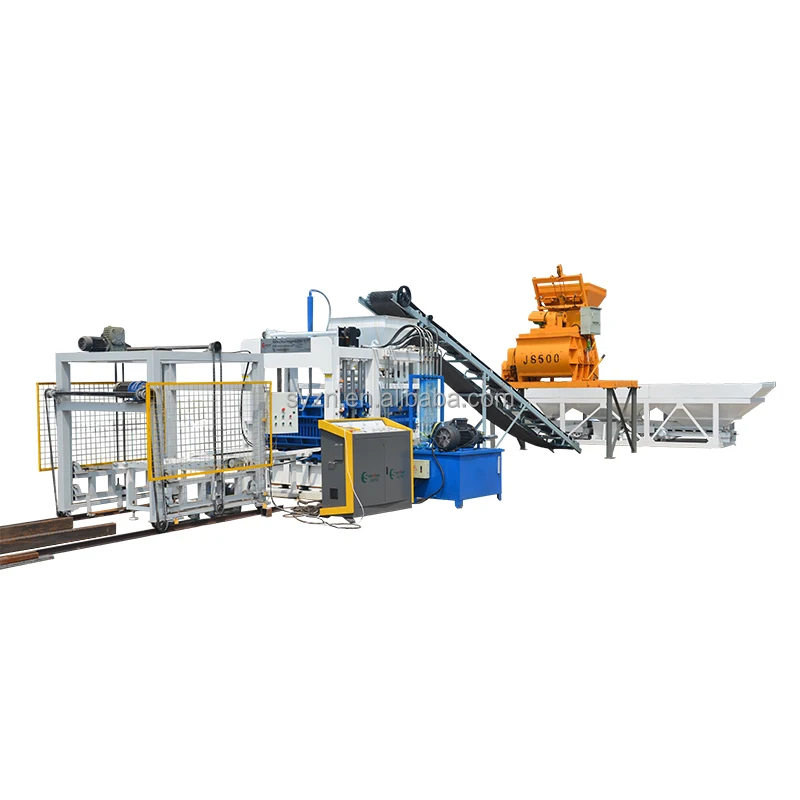
Ready for Dispatch — QT4-15 fully automatic block machine held in stock with voltage, pallet size, and container loading confirmed before the crate leaves the factory.
Technical Specifications
| Parameter | Value |
|---|---|
| Model | QT4-15 |
| Product Type | Automatic Concrete Block Making Machine |
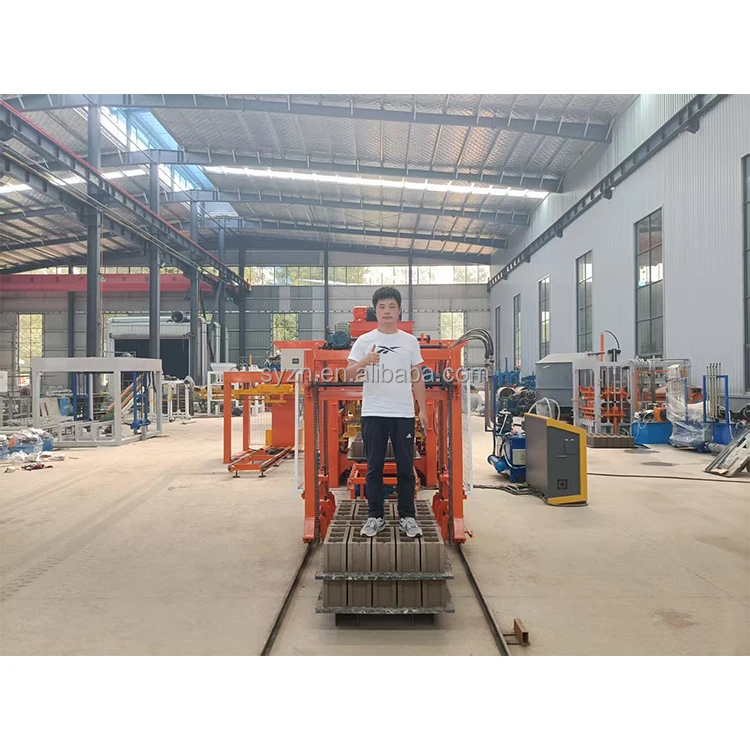
| Overall Dimensions (L×W×H) | 4100×1600×2600 mm |
| Total Mass | 4 T |
| Rated Pressure | 16–21 MPa |
| Main Vibration Form | Platform Vibration |
| Vibration Frequency | 4200 r/min |
| Vibration Force | 55 kN |
| Pallet Size | 880×550 mm |
| Molding Cycle | 25–30 s (basis not stated in source — confirm block format / material / thickness) |
| Overall Power | 18.45 kW |
| Demolding Method | Hydraulic |
| Factory Area Required | 300 m² |
| Automation Level | Fully automatic |
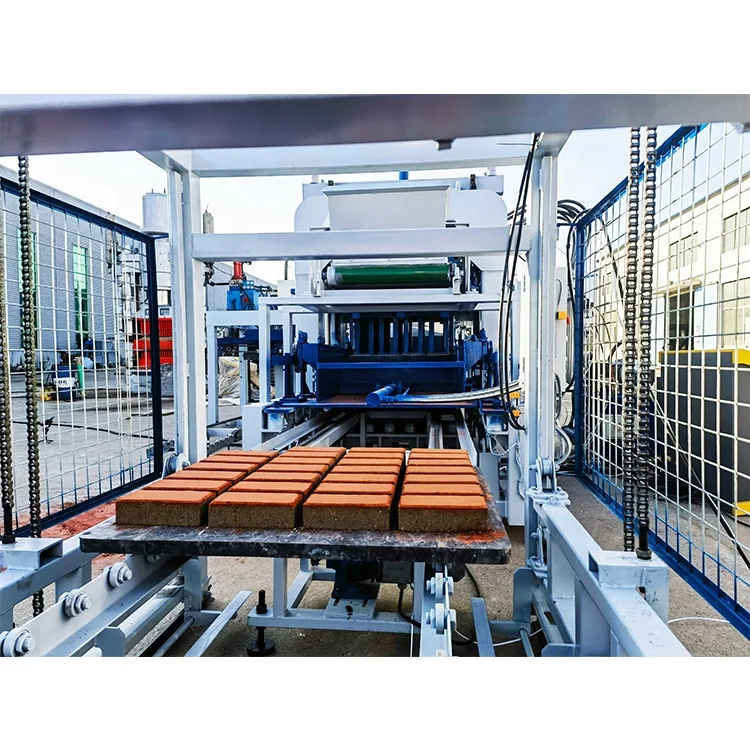
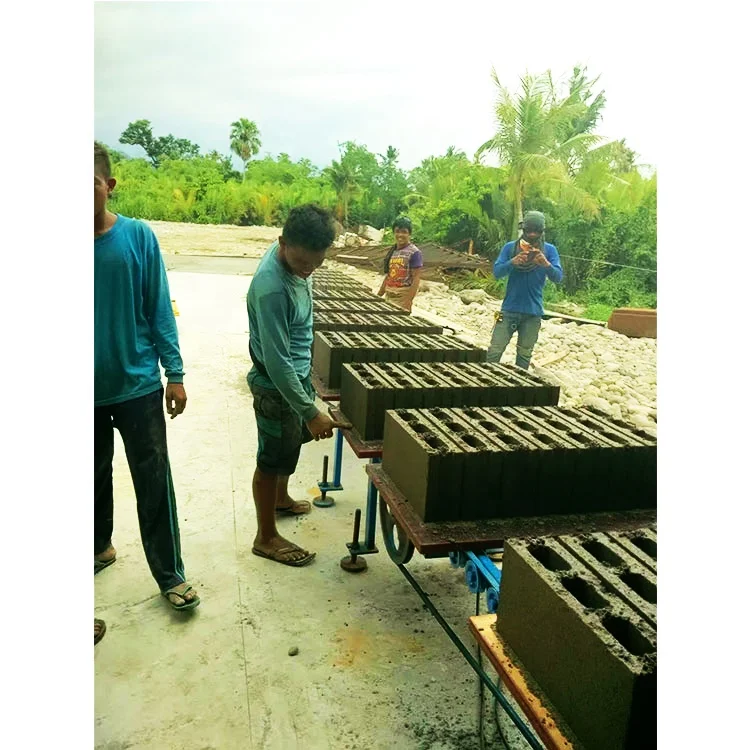
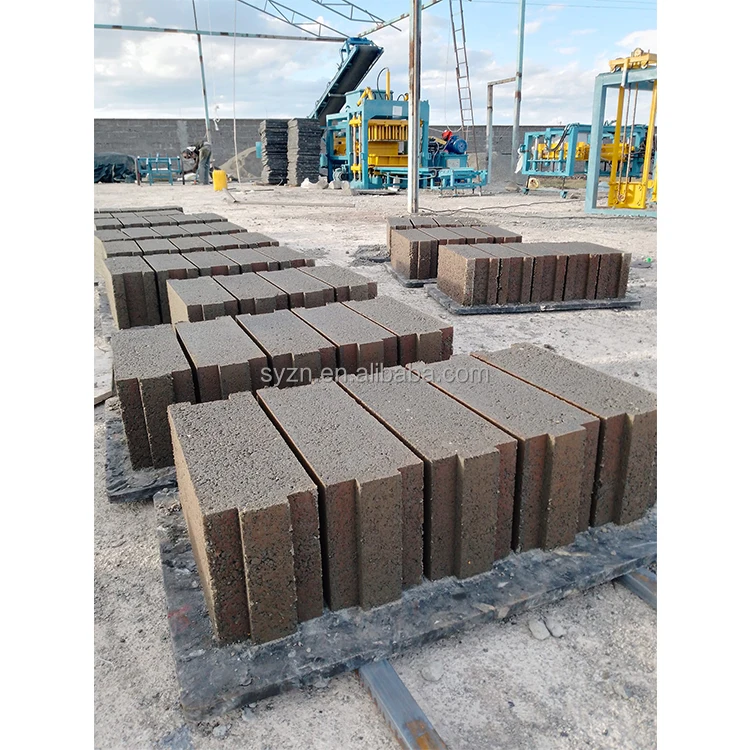
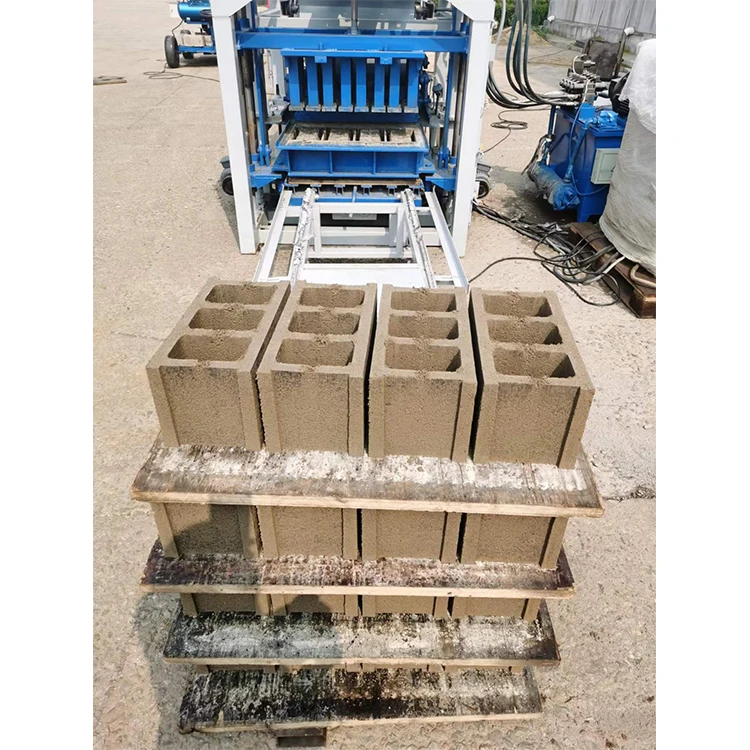
| Applied Products | Concrete blocks, hollow blocks, solid blocks, pavers, interlocking blocks, curbstone, colored pavers |
| Raw Materials | Crushed stone, sand, cement, dust, fly ash, gravel, slag |
| Loading | 1×40HQ container (basic equipment) |
| Warranty | 1 year (excluding spare parts) |
Application Suitability
| Application | Material or Output |
|---|---|
| Hollow block production for building contractors | Crushed stone, sand, cement, fly ash |
| Solid block manufacturing for housing projects | Gravel, sand, cement, slag |
| Paver and interlocking brick runs for municipal works | Crushed stone, cement, colored pigment |
| Curbstone production for road infrastructure | Coarse aggregate, sand, cement |
| On-site block making for development projects | Locally sourced aggregate and cement |
Why the Voltage Question Must Come Before the Container Booking
Every QT4-15 block machine in stock is verified against the buyer’s site voltage and frequency before dispatch, eliminating a three-week transformer wait on arrival.
I once watched a QT4-15 Automatic Concrete Block Making Machine sit idle on a West African job site because the factory wired it for 380V while the local grid ran 415V/50Hz. The contractor lost an entire curing cycle waiting for a step-down transformer that had to be shipped in from the capital. Voltage mismatch remains one of the most common commissioning delays in block machine exports, and it is entirely preventable if the conversation happens at the inquiry stage rather than the bill of lading stage [NEED_CITE: voltage and frequency standards by export market]. When a buyer orders a QT4-15 block machine in stock, the electrical confirmation must lock in phase, voltage, frequency, and PLC display language before the machine is crated.
Dispatch Readiness Starts with the Pallet Spec
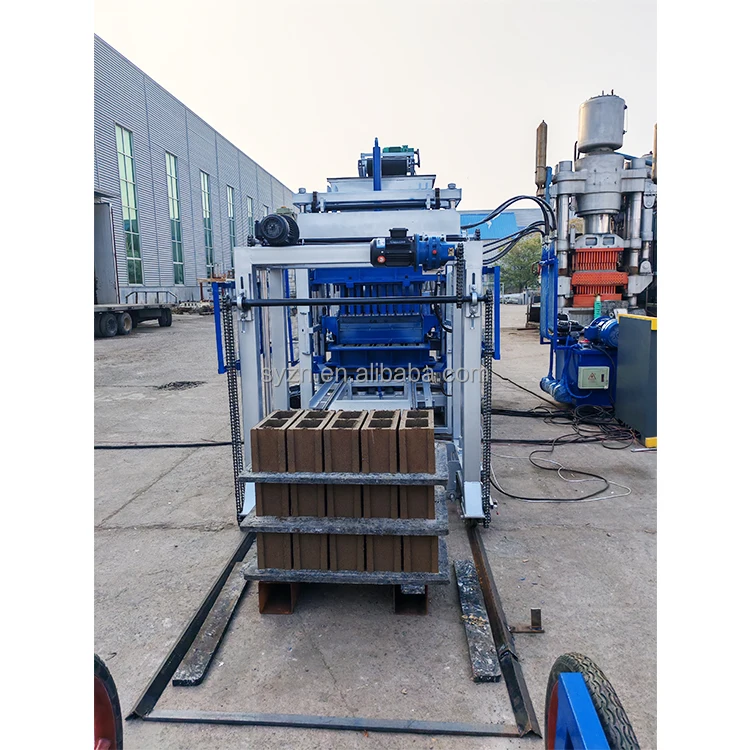
The 880×550 mm pallet format on the QT4-15 determines how many blocks cure per rack, which forklift can move them, and whether the buyer’s existing curing area fits the cycle output. A buyer who already operates a block yard needs the pallet footprint matched to their rack spacing before the machine ships. We confirm pallet material — timber, bamboo, or composite — against the local humidity and curing method so that pallets do not warp and jam the feeder within the first month. This is the kind of detail that decides whether a QT4-15 block machine in stock installs in a day or takes a week of site modification.
Container Loading and Machine Dismantling
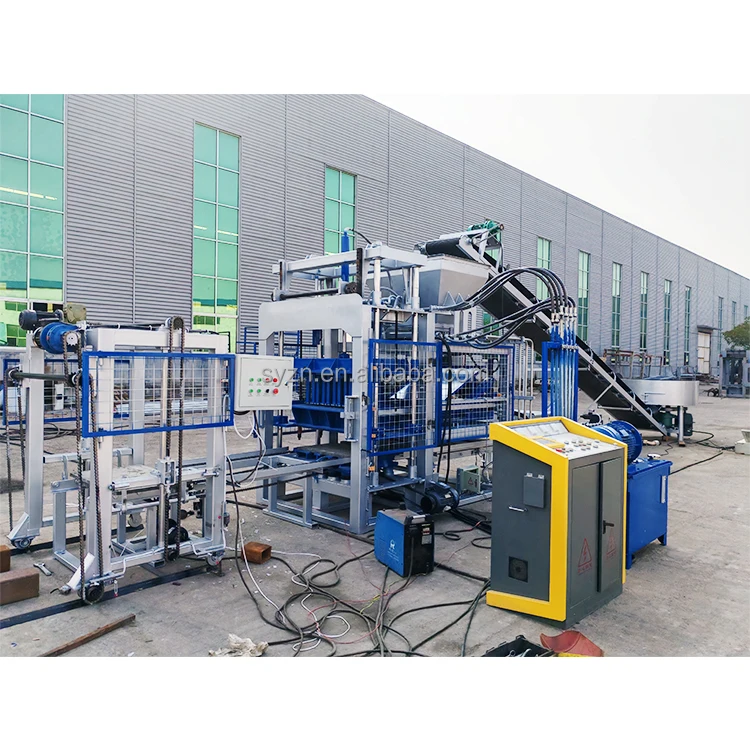
A QT4-15 ships in a single 40HQ container for the basic equipment set, but the way the press, hydraulic station, and control cabinet are broken down affects how fast the machine stands up on the other side. Bolt points are marked, hydraulic hoses are capped and labeled, and the control cabinet travels in a moisture-sealed crate. The loading plan is shared with the buyer before the container is sealed so that the receiving team knows which crate to open first and which forklift capacity they need at the port [NEED_CITE: container loading standards for heavy industrial machinery]. Fast delivery only matters if the machine can be reassembled without guesswork.
Reading the Specs That Actually Shape Output
The platform vibration system runs at 4200 r/min with 55 kN of vibration force, which compacts the concrete mix into the mould cavity before the hydraulic head applies 16–21 MPa of pressure from above. The two forces work together: vibration settles the aggregate, and hydraulic pressure squeezes out air voids to produce a dense, consistent block. If either force is undersized for the buyer’s mix — say a high-fly-ash blend that flows differently than a pure crushed-stone mix — the block will demold weak or crack during curing. The 25–30 s molding cycle is a reference range; actual cycle time depends on block height, mix stiffness, and target strength, so buyers should request a cycle calculation based on their specific format [NEED_CITE: concrete block compressive strength testing standards].
The Cost of Skipping the Configuration Check
A machine configured for a mix the buyer cannot source locally forces a material change that adds cost to every production run. Pallet size chosen without regard to the curing yard means blocks pile up on the factory floor because the racks do not accept them. Voltage and PLC language left unconfirmed turn a fast delivery into a slow commissioning. These are not hypothetical failures — they show up repeatedly in post-shipment support calls where the machine itself is fine but the surrounding decisions were rushed [NEED_CITE: common causes of block machine commissioning delays].
Why Buyers Source This Model Here
Block machinery is the single focus of the production line, so the QT4-15 press, moulds, pallets, and handling equipment are specified as one matched system rather than assembled from separate suppliers. Stock status and realistic dispatch lead time are quoted by model and mould format at the inquiry stage, not buried in fine print. The machine is configured against the buyer’s actual mix design and local aggregate, not a catalogue default. Moulds for the formats the buyer’s market actually sells are either stocked or scheduled with a clear production window. Every shipment includes packing photographs, customs documentation support, and a factory test record run on the buyer’s target block format.
Documentation & Verification
- Factory test record run on your specified block format before dispatch
- Voltage, frequency, and PLC display language confirmation sheet signed at order
- Container loading plan with dismantling sequence and crate list
- Packing photographs of press, hydraulic station, and control cabinet before sealing
- CE declaration documentation where applicable to destination market
- Operation and maintenance manual with hydraulic and electrical schematics
Installation, Commissioning & Support
- 300 m² factory area required; confirm floor leveling and drainage before machine arrival
- 18.45 kW total power draw; dedicated circuit with correct phase and voltage verified on site
- Machine dismantled into labeled sub-assemblies for 40HQ loading; reassembly sequence documented
- Hydraulic system pressurized and vibration frequency calibrated during first commissioning run
- Operator training covers mould change procedure, pallet feeding, and daily maintenance checkpoints
- Wear parts list and mould inventory provided so first replacement order can be placed proactively
What to Share with Your Inquiry
Send the block formats your market sells, the daily output you need per format, and the raw materials available within hauling distance of your site. Include your site voltage, frequency, and preferred PLC display language so the electrical package is built correctly from the start. If you already have curing racks and forklifts, share the pallet dimensions they accept so the 880×550 mm spec is confirmed or adjusted before production.
Frequently Asked Questions
Q: Is the QT4-15 currently in stock, and what is the realistic dispatch lead time?
A: Stocked QT4-15 units are available for rapid dispatch with standard mould formats. Lead time is quoted at inquiry and depends on the mould configuration and electrical package you select. We confirm the exact dispatch date before you commit, and the container loading plan is shared once the machine passes its factory test.
Q: Which mould formats are stocked, and which require custom production time?
A: Standard hollow block, solid block, and paver moulds matching the 880×550 mm pallet are typically held in stock. Custom formats such as interlocking profiles or special kerbstones require a mould production window that is quoted separately. We confirm which items ship with the machine and which follow on a separate schedule.
Q: How is the machine dismantled and loaded into a 40HQ container?
A: The QT4-15 is broken into the press frame, hydraulic station, control cabinet, and pallet feeder for container loading. Each sub-assembly is labeled and bolt points are marked for reassembly. Hydraulic hoses are capped, and the control cabinet is sealed against moisture. A full crate list accompanies the shipping documents.
Q: Will voltage, frequency, and control language match my site before the machine ships?
A: Yes. Voltage, frequency, phase, and PLC display language are confirmed in writing at the order stage and verified during the factory test. The QT4-15 block machine in stock is rewired or reconfigured as needed before crating so that no transformer or language patch is required on arrival.
Q: What is the arrival estimate once the machine leaves the factory?
A: Transit time depends on the destination port and shipping line schedule. We provide an estimated arrival window at the quotation stage based on the booked vessel. Inland transport from the port to your site is the buyer’s responsibility, and we share the container dimensions and gross weight so you can arrange the correct truck and forklift.