Description
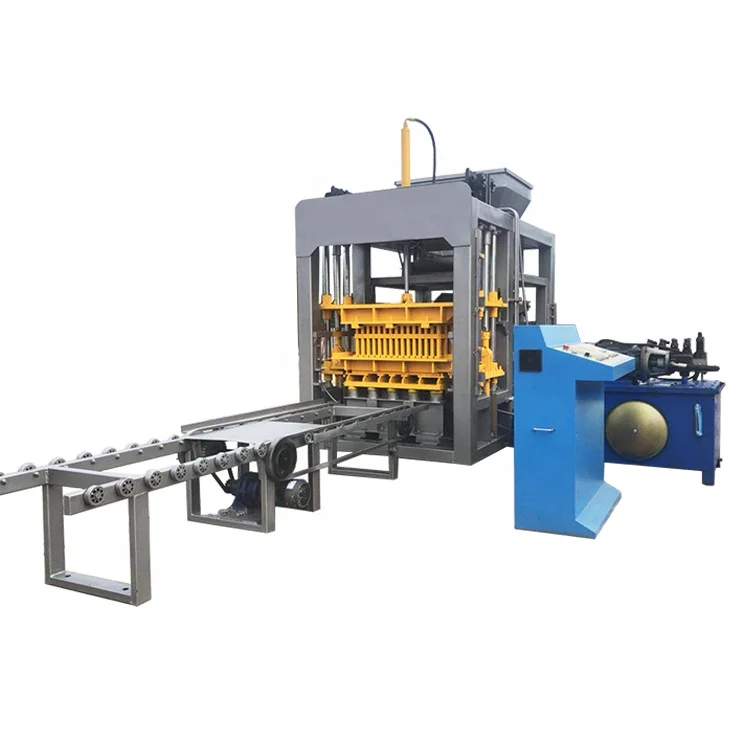
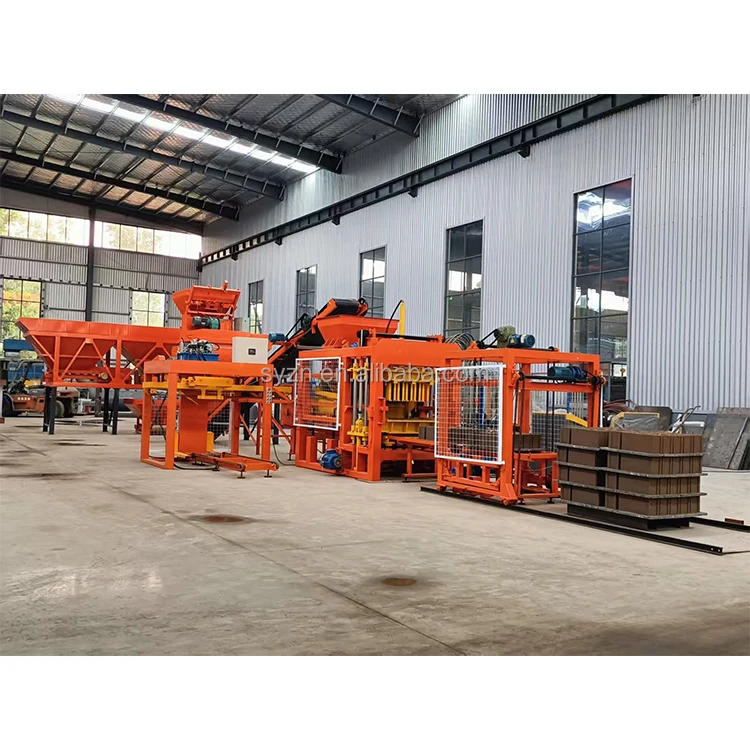
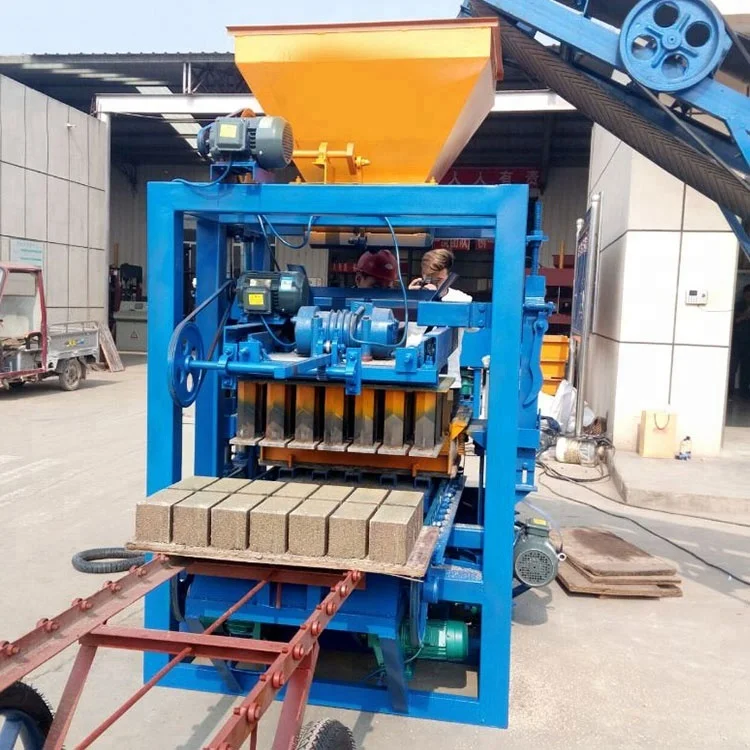
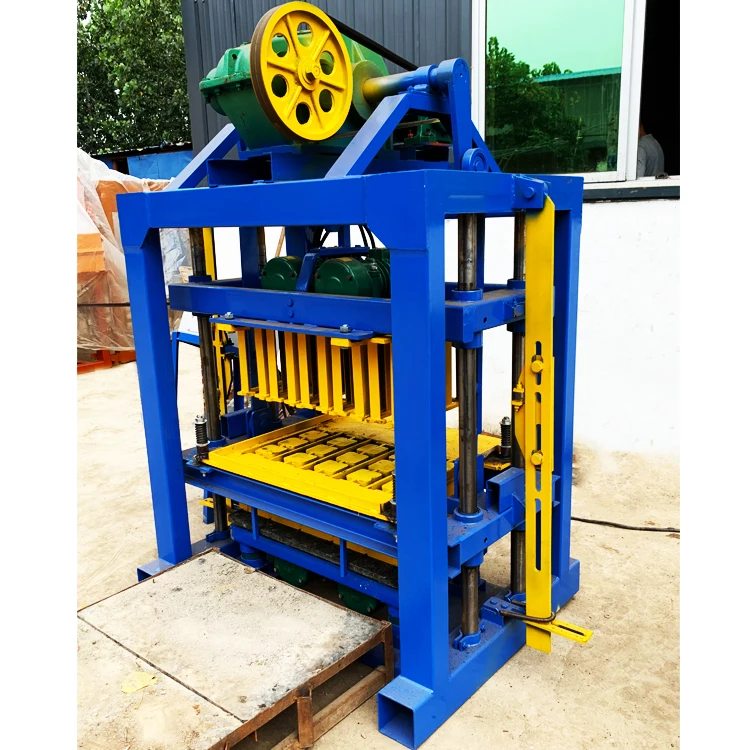
Stock-to-shipment readiness — QT4-15 block making machinery in stock configured with standard moulds, voltage and PLC language confirmed before container loading so commissioning is not delayed after arrival.
Technical Specifications
| Parameter | Value |
|---|---|
| Model | QT4-15 |
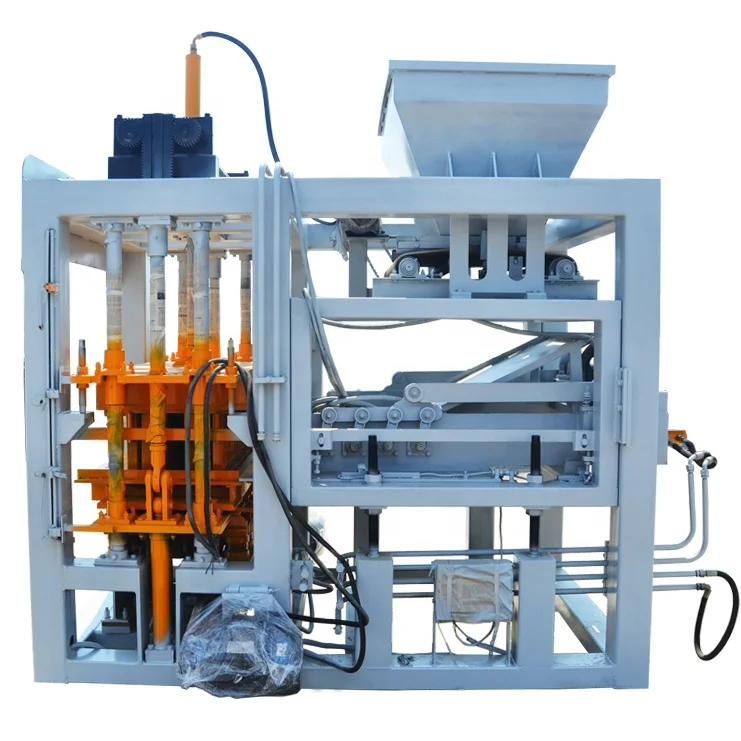
| Product Type | Hydraulic Automatic Concrete Block Making Machine |
| Control System | PLC computer control, fully automatic |
| Vibration Mode | Multiaxis synchronizer vibration, vertically downward |
| Hydraulic System | High thermal efficiency, low heat productivity |
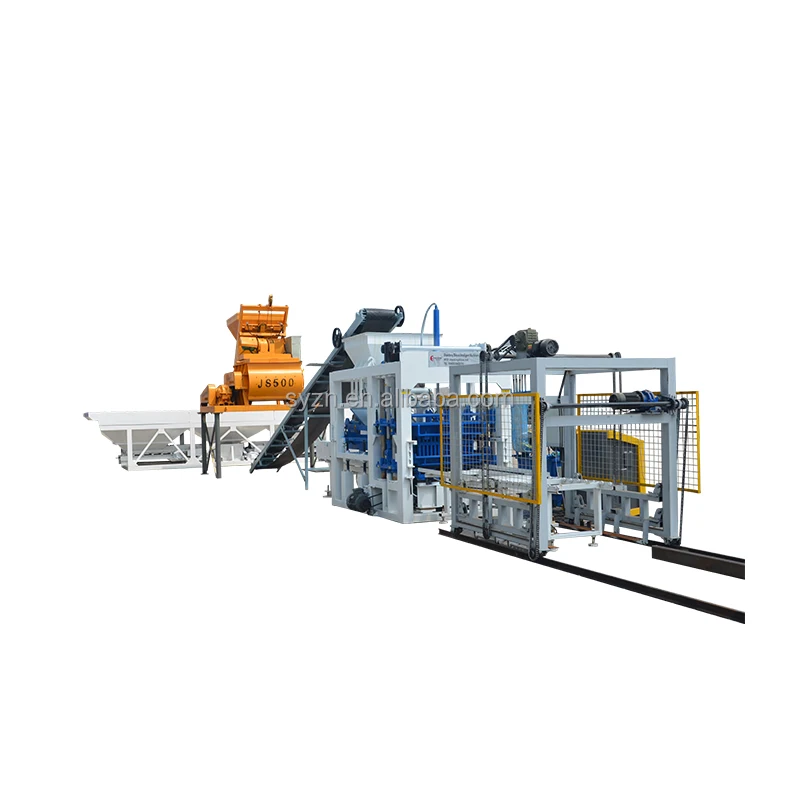
| Mixer System | Multiaxis forced mixer |
| Guide Bearing | Long-period over length guide bearing for upper mould and mould box alignment |
| Rack Construction | High strength steel with special welding technique, vibration shock resistant |
| Cycle Time | 15-20s |
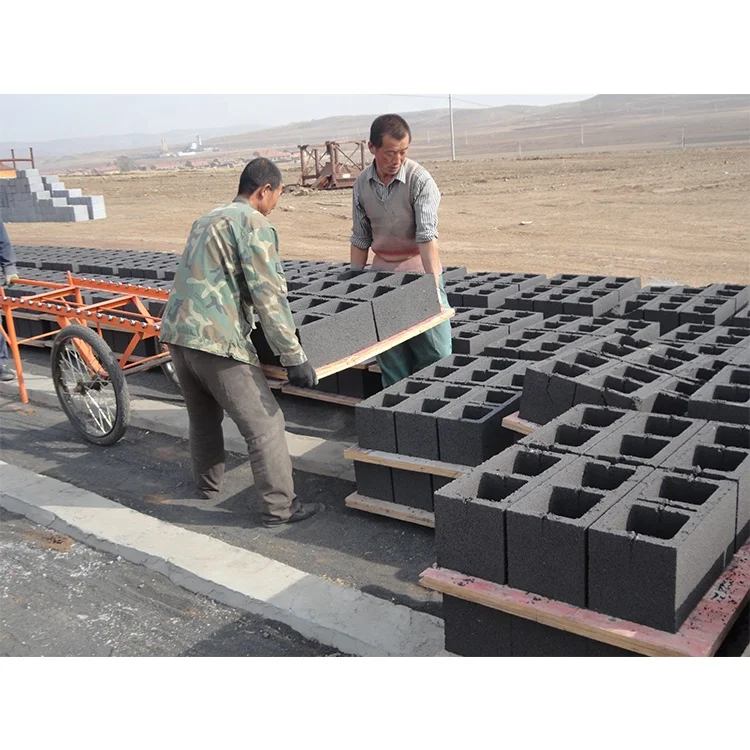
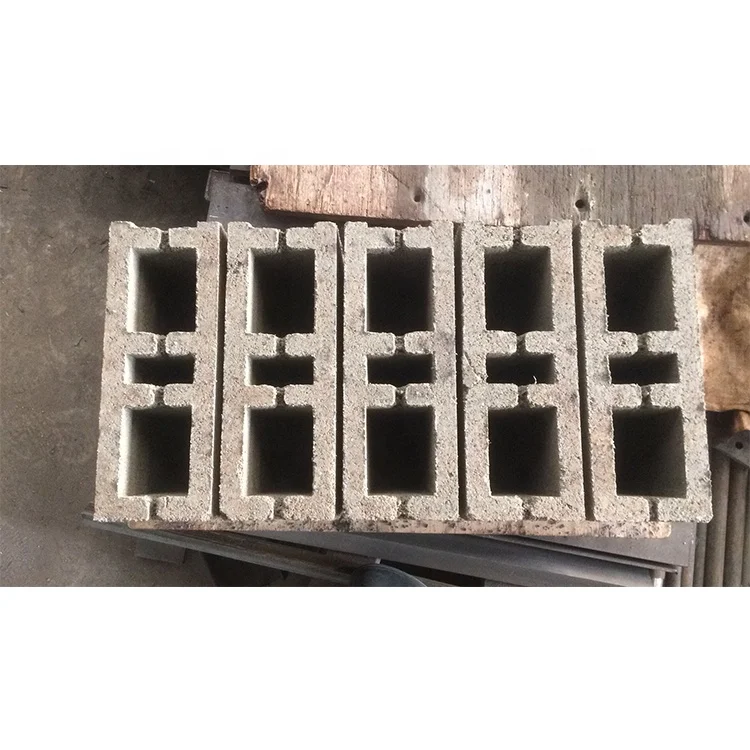
| Output Capacity (400×200×200mm hollow block, 4 pcs/mould) | 900-1200 pcs/h, 7200-9600 pcs/8hr |
| Output Capacity (400×150×200mm block, 5 pcs/mould) | 1080-1440 pcs/h, 8640-11520 pcs/8hr |
| Output Capacity (400×100×200mm block, 8 pcs/mould) | 1440-1920 pcs/h, 11520-15360 pcs/8hr |
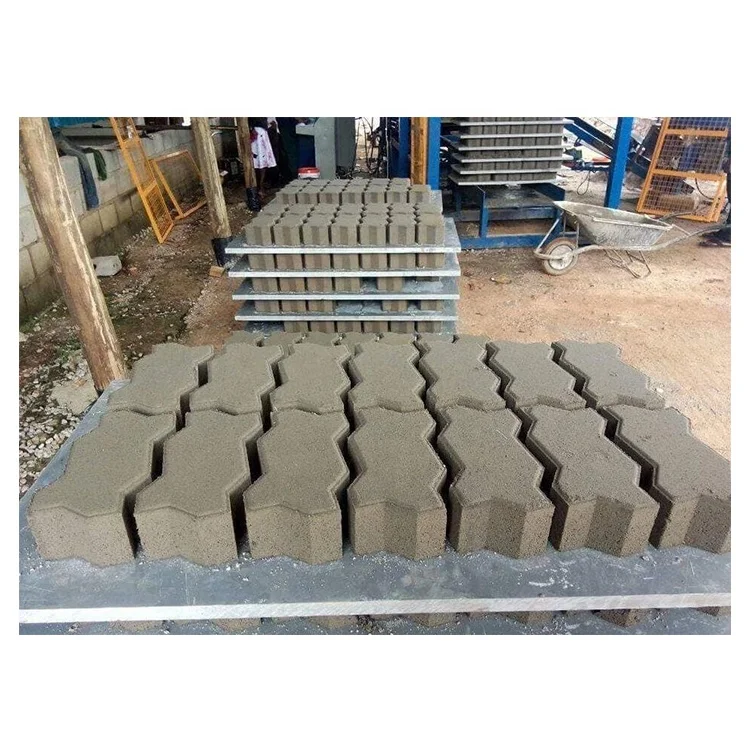
| Output Capacity (200×100×60mm paving block, 16 pcs/mould) | 2880-3840 pcs/h, 23040-30720 pcs/8hr |
| Output Capacity (240×115×53mm standard brick, 28 pcs/mould) | 5930-6720 pcs/h, 47400-53700 pcs/8hr |
| Automation Level | Fully automatic |
| Warranty | 1 year for whole machine (excluding spare parts) |
| Assembly State | Factory assembled, requires on-site installation and commissioning |
Application Suitability
| Application | Material or Output |
|---|---|
| Hollow block production | Crushed stone, sand, cement, fly ash aggregates |
| Multicellular brick production | Lightweight aggregate and cement mixes |
| Paving block production | High-density concrete with fine aggregate finish |
| Standard solid brick production | Dense concrete mix for load-bearing formats |
| On-site construction block production | Local aggregate adapted to regional availability |
What "9600 Blocks per Shift" Actually Requires Before the QT4-15 Block Making Machinery in Stock Arrives
Output figures assume a specific block format and a mix design that your local aggregate can actually deliver.
Every catalogue shows the best-case cycle, but the daily count on a job site depends on whether the machine was configured for the material you can source nearby. I once watched a QT4-15 block making machinery in stock sit idle for two weeks in a coastal yard because the PLC language was set to a default the operators could not read, and the voltage tap was wrong for the local grid [NEED_CITE: voltage and frequency standards by export market]. The machine itself was fine. The paperwork was not. That delay cost the contractor more than the shipping.
Dispatch Timeline and What Must Be Locked Before the Crate Closes
When a project deadline is fixed, the QT4-15 block making machinery in stock shortens the gap between order and production. Standard models with common mould formats can be dispatched within a typical multi-week lead time rather than waiting for a built-to-order production slot. The critical step before the container is booked is confirming the electrical specification, the PLC display language, and the pallet size that matches the curing area and forklift already on site.
Container Loading and Arrival Estimate Quoted Upfront
The machine is dismantled for shipment to fit standard container dimensions, and packing photographs are taken before the doors are sealed. An arrival estimate is confirmed based on the destination port at the inquiry stage, so the contractor can schedule foundation work and raw material delivery around a known date rather than a guessed one [NEED_CITE: typical ocean freight transit times by region]. This removes the most common cause of idle crews waiting on a machine that is "almost there."
How Vibration Force and Hydraulic Pressure Shape Block Density
The multiaxis synchronizer vibration delivers force vertically downward, which compacts the concrete mix evenly across the mould cavity. Combined with the hydraulic system’s pressure rating, this determines whether a hollow block leaves the press with consistent wall density or shows weak corners that crack during curing. The long-period over length guide bearing keeps the upper mould and mould box aligned through thousands of cycles, preventing uneven wear that would shift block dimensions over time. The multiaxis forced mixer handles variations in aggregate nature, which matters when local sand or crushed stone differs from the material the machine was originally tested on.
When a Stock Machine Turns Into a Site Delay
A machine that arrives with the wrong pallet size forces the buyer to either modify the curing racks or handle pallets manually, cancelling the automation they paid for. If the voltage and frequency were not confirmed before dispatch, a transformer or rewiring job adds weeks to commissioning [NEED_CITE: CE machinery directive requirements for industrial equipment]. Mould formats that do not match what the local market buys leave the operator running a single product while competitors offer the full range. These are not machine faults. They are specification gaps that a pre-dispatch checklist prevents.
Why Sourcing This QT4-15 Block Making Machinery in Stock Here Reduces Arrival Risk
Block machinery is the single focus, so the press, mould, pallet and handling equipment are specified as one matched system rather than assembled from separate suppliers. Configuration is set against the buyer’s actual mix design and local aggregate, not a catalogue default. Mould design covers the formats the buyer’s market actually sells, including custom drawings if the standard range does not include a needed format. Automation level is selectable, so a buyer can start with the standard stock configuration and add handling stations later. Installation support includes operator training so the first production run happens with someone who knows the control sequence on site.
Documentation & Verification
- Line layout and capacity calculation stating the block format assumed for the QT4-15
- Machine specification sheet with confirmed voltage, frequency and PLC language
- Mould drawing and format list matching the dispatched mould set
- Factory test record run on the buyer’s target block format before dispatch
- Packing photographs taken before container doors are sealed
- Operation and maintenance manual in the confirmed display language
Installation, Commissioning & Support
- Foundation must support the QT4-15 rack weight and vibration load without resonance transfer
- Dedicated electrical circuit matching confirmed voltage and frequency before the PLC is powered on
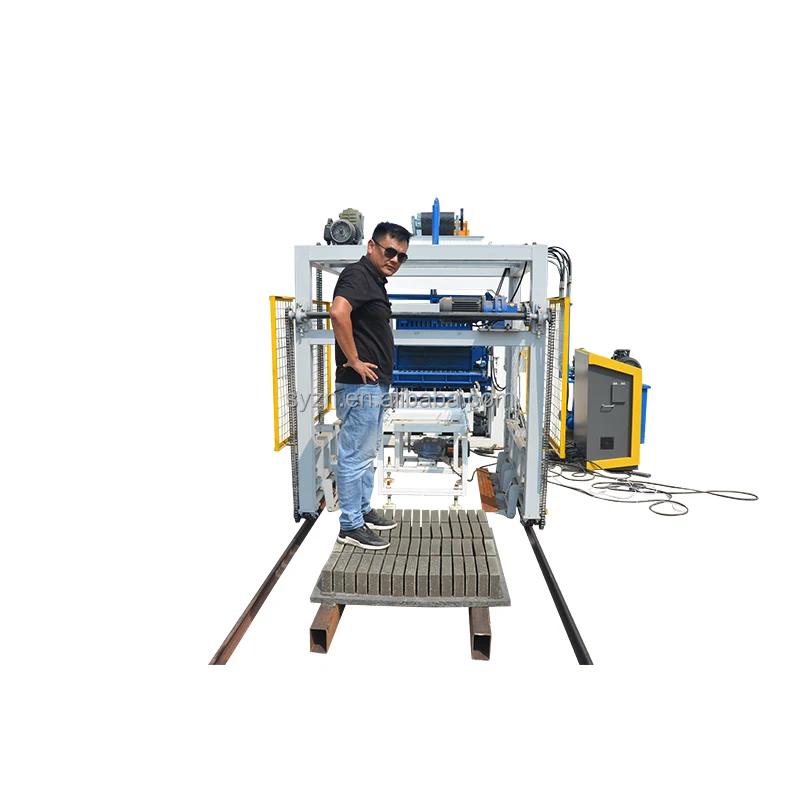
- Factory-assembled machine requires on-site reassembly, alignment and hydraulic line connection
- First production run verifies cycle time, block density and mould change sequence with operators present
- Wear parts and mould list provided so the first replacement order is placed before stock runs out
- Daily maintenance schedule covers hydraulic fluid checks, guide bearing lubrication and vibration plate inspection
What We Need to Quote Your Shipment Date
To confirm which QT4-15 stock unit fits your project, provide the target block format and daily output requirement, the local aggregate type and moisture condition, and the site voltage and frequency. If you already have pallets and curing racks on site, send the pallet dimensions so the machine configuration matches what is already on the ground.
Frequently Asked Questions
Q: Which QT4-15 models and standard moulds are currently in stock?
A: Stock availability covers the standard QT4-15 configuration with common hollow block, solid block and paving block mould formats. Specific stock levels change with dispatch schedules, so confirm the mould formats you need at inquiry and we will match them against available units or quote a build slot if your format is outside the standard range.
Q: What is the dispatch lead time and how is the machine packed for container shipment?
A: The QT4-15 block making machinery in stock is dismantled for container loading to fit standard shipping dimensions. Lead time depends on current stock position and destination port scheduling. Packing photographs are provided before the container is sealed, and the loading plan is confirmed at the quotation stage so you know what arrives and in what condition.
Q: Can voltage, frequency and PLC display language be confirmed before dispatch?
A: Yes. These three items are confirmed before the machine leaves the factory. The PLC display language is set to the operator’s working language, and the electrical system is configured for the destination grid. This step is part of the pre-dispatch checklist and prevents commissioning delays that occur when assumptions are made after arrival.
Q: What is the estimated arrival time at my destination port?
A: Arrival estimate is quoted at the inquiry stage based on your destination port and current shipping schedules. This gives you a date range to plan foundation work, raw material delivery and crew scheduling around, rather than working from an unconfirmed transit guess.
Q: Are moulds and hydraulic wear parts shipped with the machine or ordered separately?
A: The standard mould set matching your confirmed block format ships with the machine. A wear parts list is included so you can order hydraulic seals and mould wear items before the first replacement is due, avoiding production stops while waiting for parts to arrive from overseas.