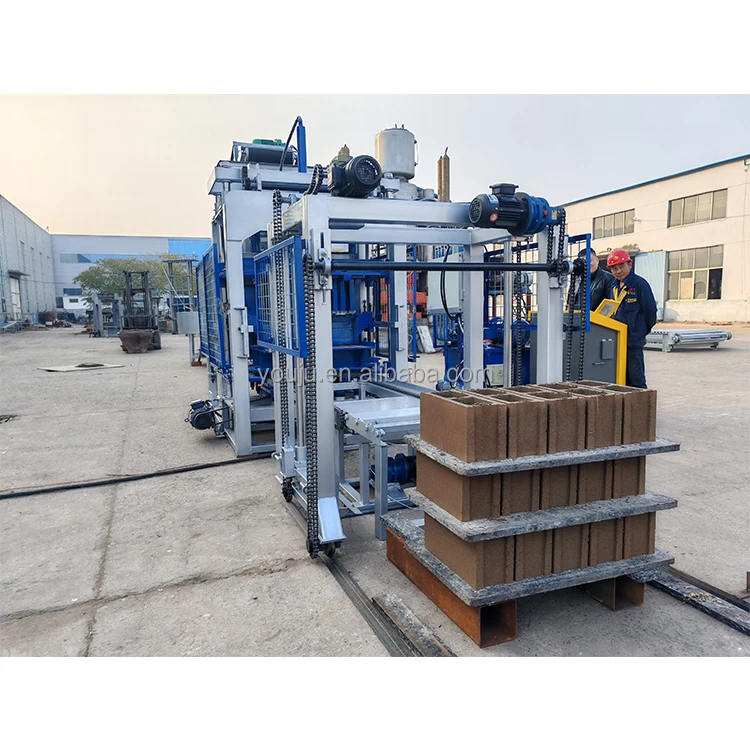
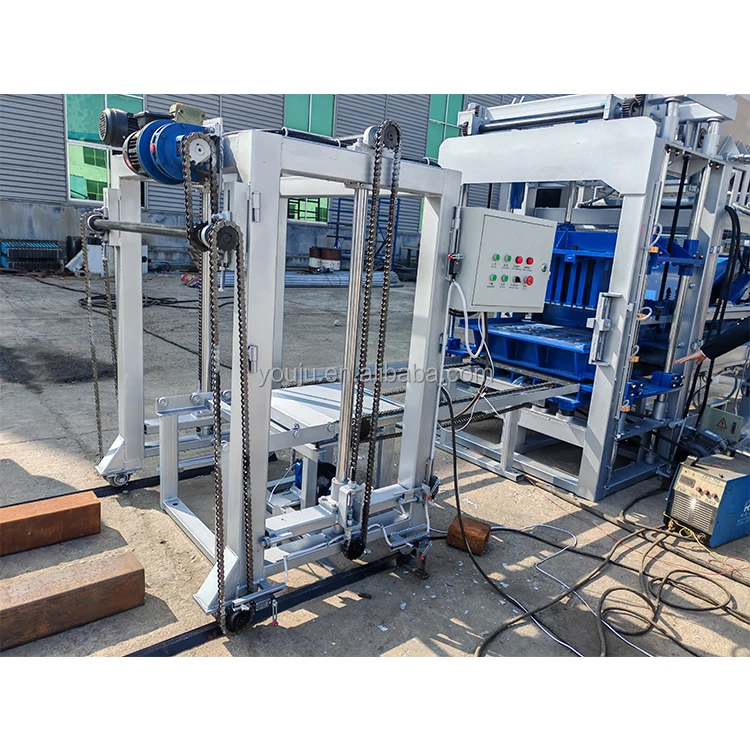
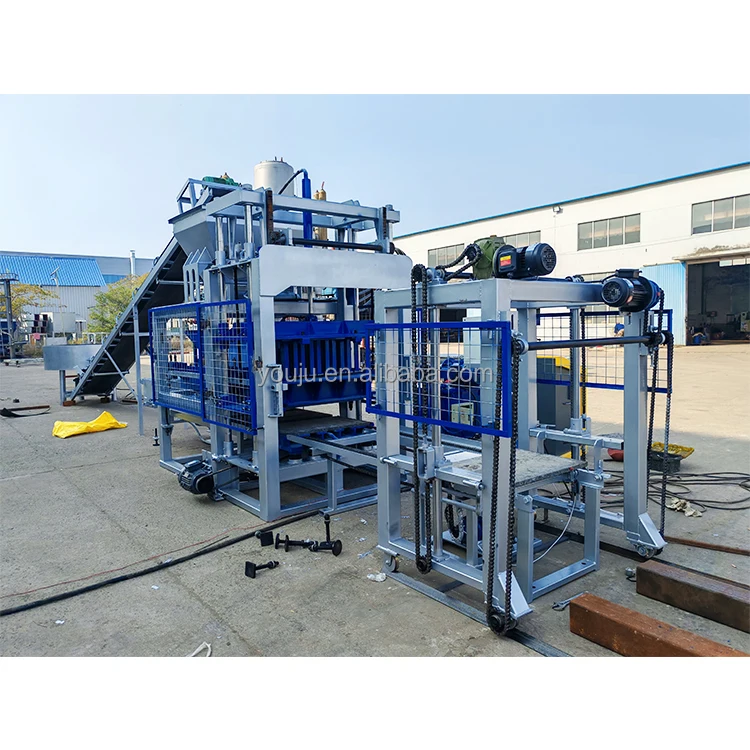
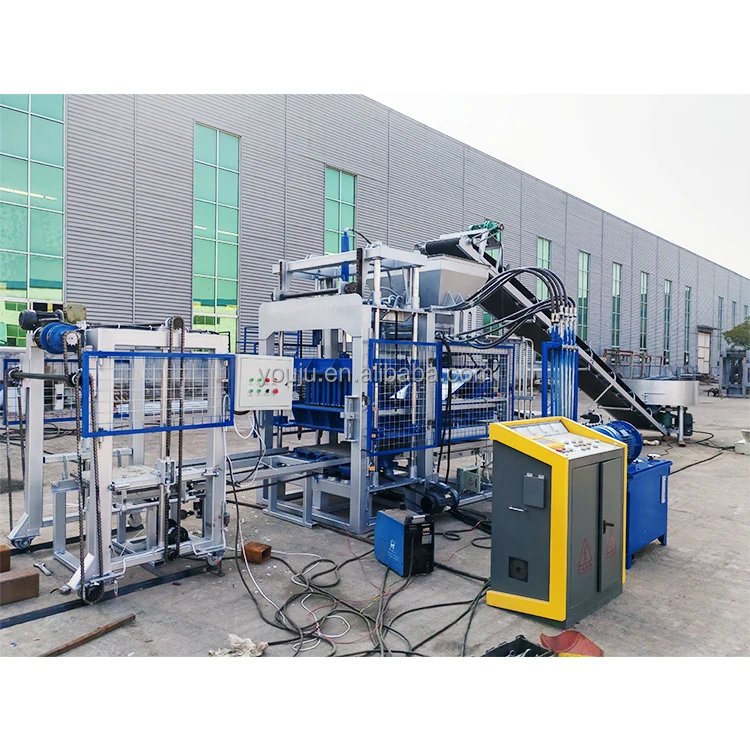
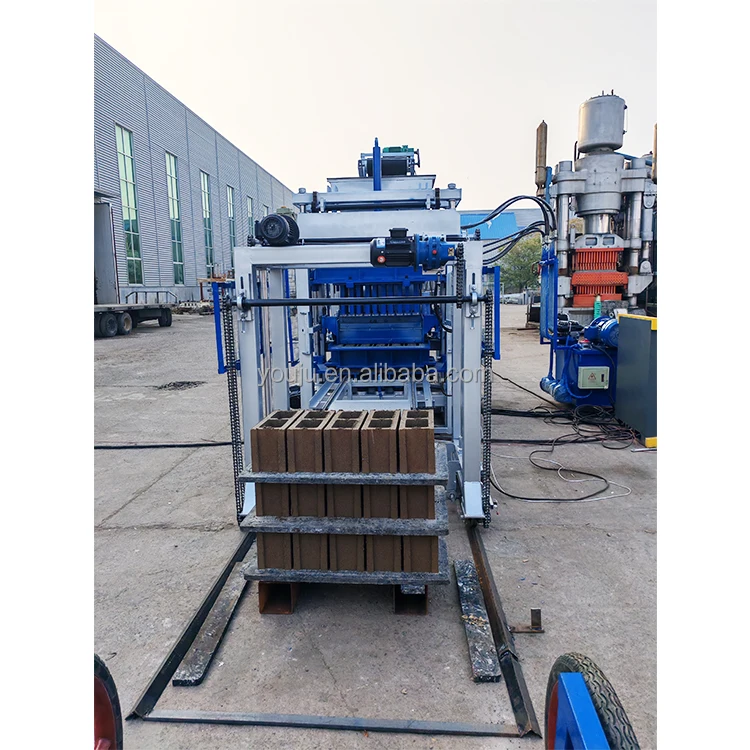
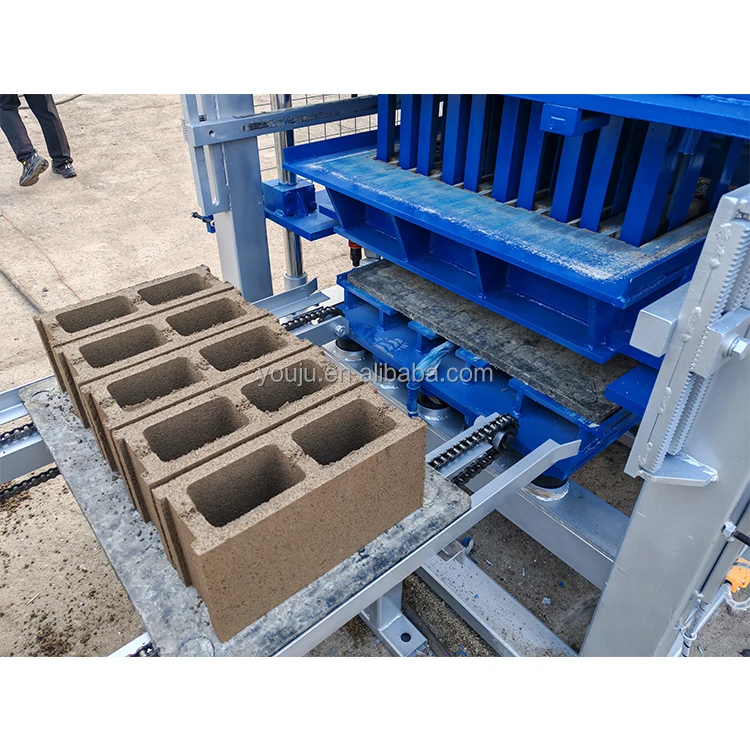
Description
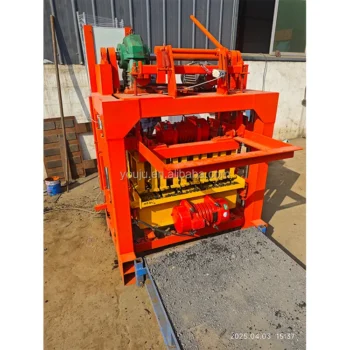
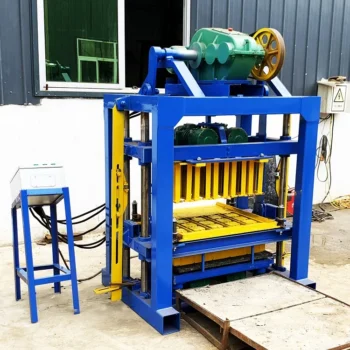
Stock readiness meets electrical verification — every QT4-15 block machine is cross-checked against destination voltage and frequency before crating, avoiding the three-week site standstill I once saw when a 380V motor met a 415V grid.
Technical Specifications
| Parameter | Value |
|---|---|
| Model | QT4-15 |
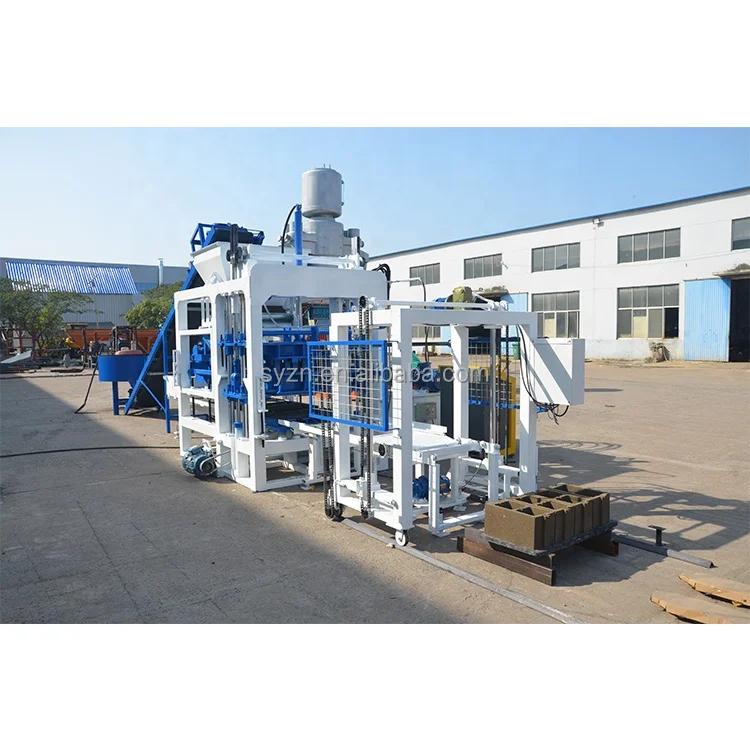
| Product Type | Hydraulic Block Making Machine |
| Molding Cycle | 15-30s |
| Pallet Size | 900x500mm |
| Vibration Type | Platform vibration |
| Vibration Frequency | 50-70Hz |
| Product Height Range | 50-220mm |
| Overall Power | 24.5kW |
| Demolding Method | Hydraulic |
| Control System | PLC |
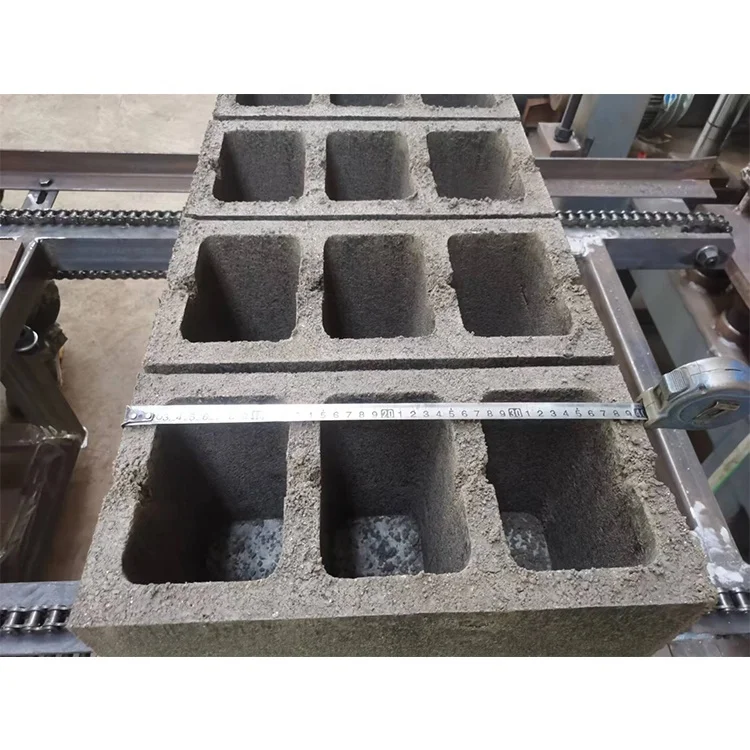
| Output (400x200x200mm hollow block) | 900-1200 pcs/h (4 pcs/mould, 15-20s cycle) |
| Output (400x150x200mm hollow block) | 1080-1440 pcs/h (5 pcs/mould, 15-20s cycle) |
| Output (400x100x200mm hollow block) | 1440-1920 pcs/h (8 pcs/mould, 15-20s cycle) |
| Output (200x100x60mm paver) | 2880-3840 pcs/h (16 pcs/mould, 15-20s cycle) |
| Output (240x115x53mm solid brick) | 5930-6720 pcs/h (28 pcs/mould, 15-20s cycle) |
| Block Compressive Strength | >15 MPa |
| Raw Material Compatibility | Fly ash, slag, gangue, sand, crushed stone, cement, water |
| Mould Change Capability | Interchangeable moulds for hollow block, paver, solid brick |
| Automation Level | Automatic (PLC controlled, hydraulic powered) |
Application Suitability
| Application | Material or Output |
|---|---|
| Hollow block production for building walls | Fly ash, sand, crushed stone blended with cement |
| Paver brick production for walkways and yards | Sand, crushed stone, pigment blends |
| Solid brick production for masonry work | Slag, gangue, sand with cement binder |
| Small to medium block plant operations | Multiple format changes within a single shift |
| Industrial residue utilization in block making | Fly ash, slag, and gangue as primary aggregate |
Why Voltage Confirmation Must Happen Before You Book the Container
A QT4-15 block machine in stock ships fast — but only if the motor winding matches the grid at your site.
I once watched a site crew of thirty-plus workers stand idle for weeks because a machine arrived with 380V motors into a 415V supply. The transformer sourcing, customs delays, and idle labour costs dwarfed the machine price. Since then, I require electrical drawings to be matched line-by-line against the local grid parameters before any QT4-15 block machine in stock leaves the factory floor [NEED_CITE: voltage and frequency standards by export market]. The dispatch speed advantage of stocked equipment is lost entirely if commissioning stalls over a preventable electrical mismatch.
Container Loading and Dispatch Timing for the QT4-15
When a construction deadline is fixed, the gap between order confirmation and machine arrival determines whether your crew starts on schedule or burns through penalty clauses. The QT4-15 block machine in stock is typically dismantled into mainframe, hydraulic station, PLC cabinet, and mould assembly for container loading. This partial teardown keeps the machine within standard container dimensions and reduces the risk of transit damage to the hydraulic lines. Knowing the exact loading configuration upfront lets your port-side team plan forklift capacity and staging area before the vessel docks.
What Stocked Inventory Actually Means for Your Timeline
Stocked inventory does not mean every configuration variant sits ready to roll. The QT4-15 block machine in stock usually covers standard pallet sizes and common mould formats such as 400x200x200mm hollow blocks and 200x100x60mm pavers. If your project requires a custom mould profile or a non-standard pallet dimension, that component enters a short production run that adds days — not weeks — to the dispatch window. We confirm exactly which items in your quotation are shelf-ready and which require fabrication, so your project planner sees an honest timeline rather than an optimistic guess [NEED_CITE: typical dispatch windows for stocked versus configured machinery].
Reading the Specification Sheet Against Your Site Reality
The 24.5kW overall power draw means you need a dedicated supply circuit with adequate breaker capacity; sharing a feeder with welding equipment causes voltage dips that trip the PLC mid-cycle. Platform vibration at 50-70Hz works across a range of aggregate gradations, but the hydraulic pressure must be matched to your specific mix design — a sand-rich blend compacts differently from a fly-ash-heavy one, and the pressure setting from the factory may not suit your local material. The 900x500mm pallet size determines your curing rack layout and forklift fork width, so confirm those dimensions against your existing yard infrastructure before finalizing the order. The hydraulic demolding system produces clean block release at the 15-30s cycle range, but achieving the stated compressive strength above 15 MPa depends on cement ratio and curing discipline on your site, not just the machine settings.
The Cost of Skipping Pre-Shipment Electrical Verification
When buyers rush a stocked machine to meet a deadline, the temptation is to skip the voltage and control language confirmation steps. The result is a PLC display showing fault codes in a language the operator cannot read, or a motor that overheats within the first week because the frequency was wrong for the winding specification. These are not warranty claims — they are site-level problems that consume weeks of electrician time and delay every downstream trade that was counting on those blocks [NEED_CITE: common commissioning failures in exported industrial machinery]. The irony is that the verification itself takes days, while the consequences of skipping it take weeks to resolve.
Why Buyers Source This Machine Through Our Stock Channel
Block machinery is our single focus, so the QT4-15 arrives as a matched system — machine, mould, pallet, and handling equipment specified together rather than assembled from separate purchase orders. Dispatch lead time is quoted against actual stock positions, not against a catalogue that shows everything as available. Container loading plans include dismantling sequences so your reassembly crew knows which hydraulic line connects where. Factory test records are generated on your specified block format before crating, not on a generic test block. Electrical parameters are confirmed against your local grid documentation before the machine enters the packing area, preventing the voltage mismatches that strand equipment on site.
Documentation & Verification
- Factory test record run on your specified hollow block or paver format before dispatch
- Electrical schematic cross-referenced against your confirmed voltage and frequency
- Pallet specification sheet matched to your curing yard and forklift dimensions
- Container loading plan showing dismantling sequence and reassembly reference points
- Operation manual with PLC fault code list in your confirmed display language
- Packing photographs documenting machine condition at point of crating
Installation, Commissioning & Support
- Foundation slab must bear the QT4-15 vibration load and accommodate 900x500mm pallet flow path
- Dedicated 24.5kW circuit with correct breaker rating prevents PLC trips during molding cycles
- Hydraulic station reconnects to mainframe via pre-marked lines to reduce reassembly errors
- PLC parameters calibrated to your local aggregate and cement ratio during first-run commissioning
- Mould change procedure trained on-site so format switches fit within a single shift window
- Wear parts list with hydraulic seal and vibration spring replacement intervals documented
What to Include in Your Inquiry
To give you an accurate dispatch date against current stock, share your target block format, daily output requirement, and the voltage and frequency at your site. If you already have pallets or curing racks in your yard, send the dimensions so we confirm compatibility with the 900x500mm pallet system. Tell us the raw materials you plan to use — fly ash, sand, crushed stone, or a blend — so the factory test matches your actual mix before the machine is crated.
Frequently Asked Questions
Q: Which QT4-15 configurations are currently available for immediate dispatch?
A: Stocked units typically include the standard 900x500mm pallet configuration with moulds for 400x200x200mm hollow blocks and 200x100x60mm pavers. Custom mould profiles or non-standard pallet dimensions require a short fabrication run. We confirm exact stock positions at inquiry so your project schedule reflects real availability, not catalogue assumptions.
Q: How long from order confirmation to container loading?
A: Stocked configurations can move to container loading once electrical parameters are confirmed and factory testing on your block format is complete. Custom mould or pallet additions add fabrication time. We quote the dispatch date based on actual stock status and any configuration gaps identified during the technical review.
Q: How is the machine dismantled for container shipment and what is involved at reassembly?
A: The mainframe, hydraulic station, PLC cabinet, and mould assembly are separated for container loading. Pre-marked hydraulic lines and labeled cable connections reduce reassembly time at your site. The loading plan documents the sequence so your crew knows the reassembly order and which components require alignment verification first.
Q: What standard moulds are stocked for the QT4-15?
A: Common stock moulds cover hollow blocks in 400x200x200mm, 400x150x200mm, and 400x100x200mm formats, along with 200x100x60mm pavers and 240x115x53mm solid bricks. If your market demands a format outside this range, we quote the mould fabrication lead time alongside the machine dispatch date so you see the full picture.
Q: How is on-site commissioning arranged after the machine arrives?
A: Commissioning support covers reassembly supervision, hydraulic pressure calibration to your mix design, and PLC parameter setting for your target block format. Operator training includes mould change procedure and daily maintenance checkpoints. The schedule is coordinated around your confirmed vessel arrival date so the technical visit aligns with machine availability on site.