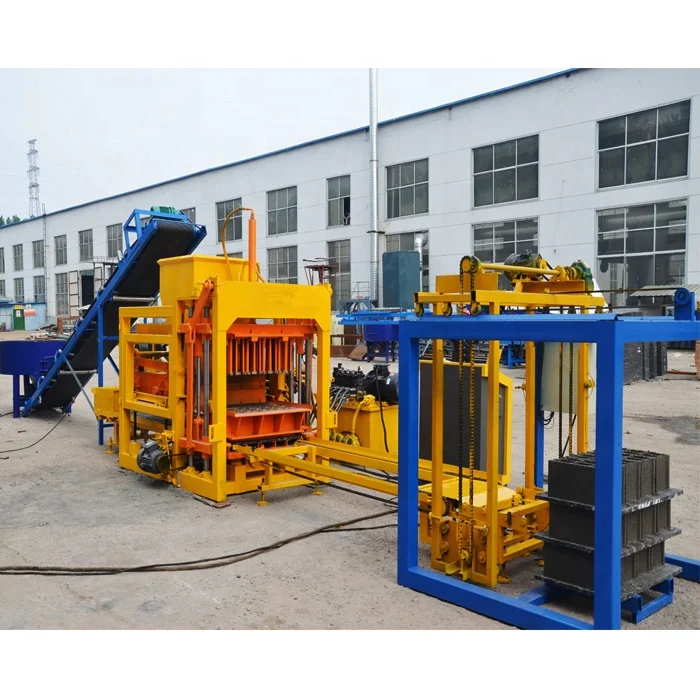
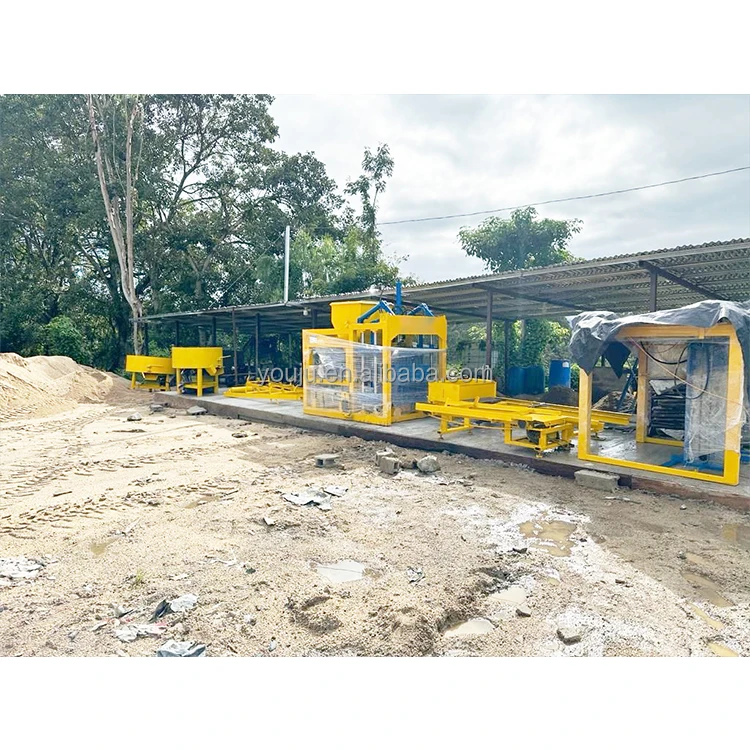
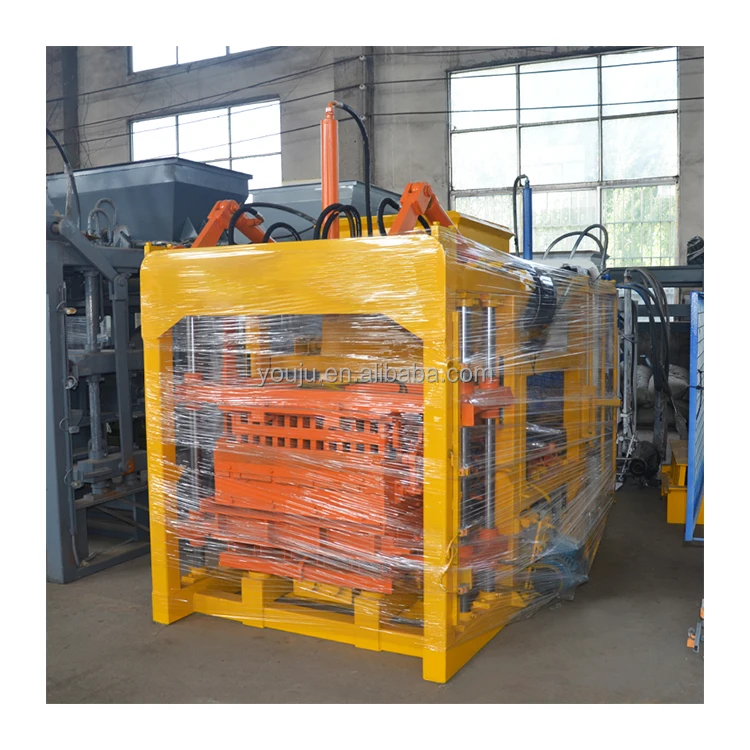
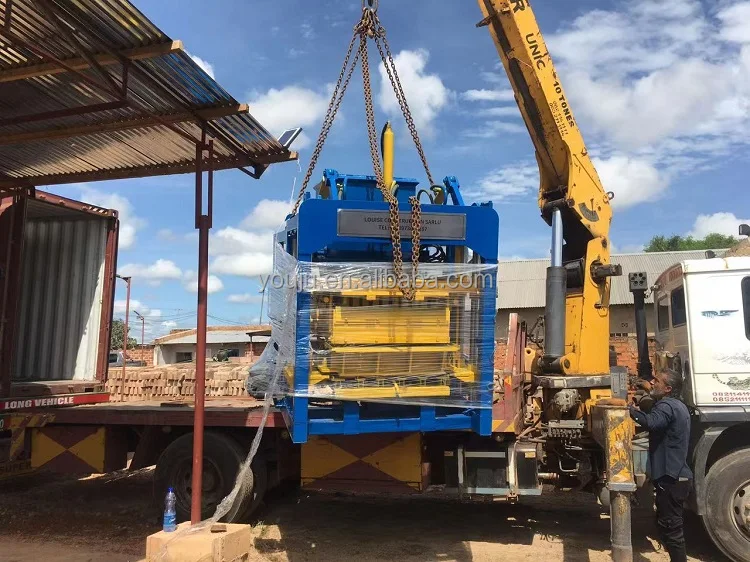
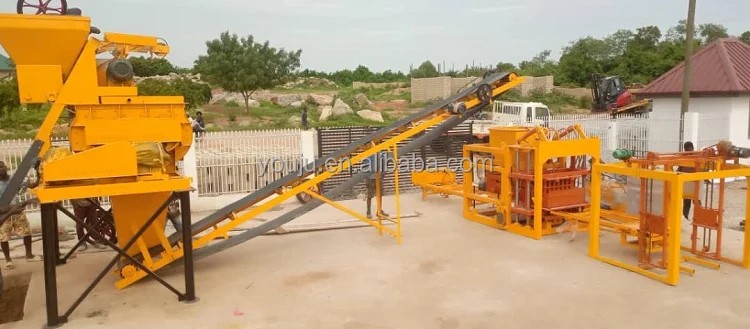
Description
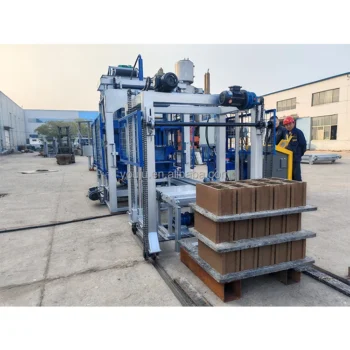
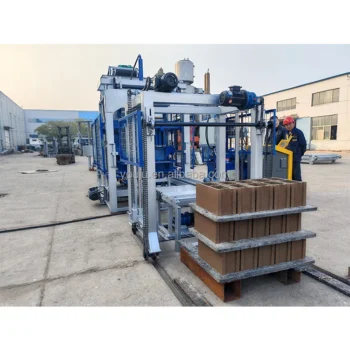
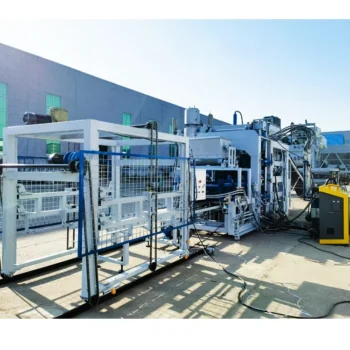
Stocked readiness — the QT4-15 is held in our yard with standard moulds, meaning we can confirm dispatch dates against your project deadline rather than a factory production slot.
Technical Specifications
| Parameter | Value |
|---|---|
| Model | QT4-15 |
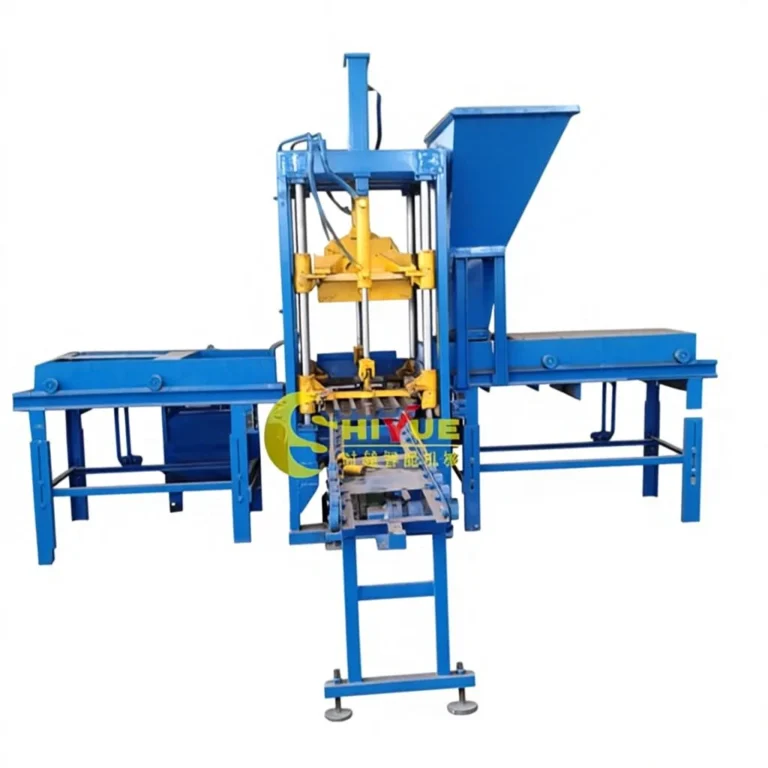
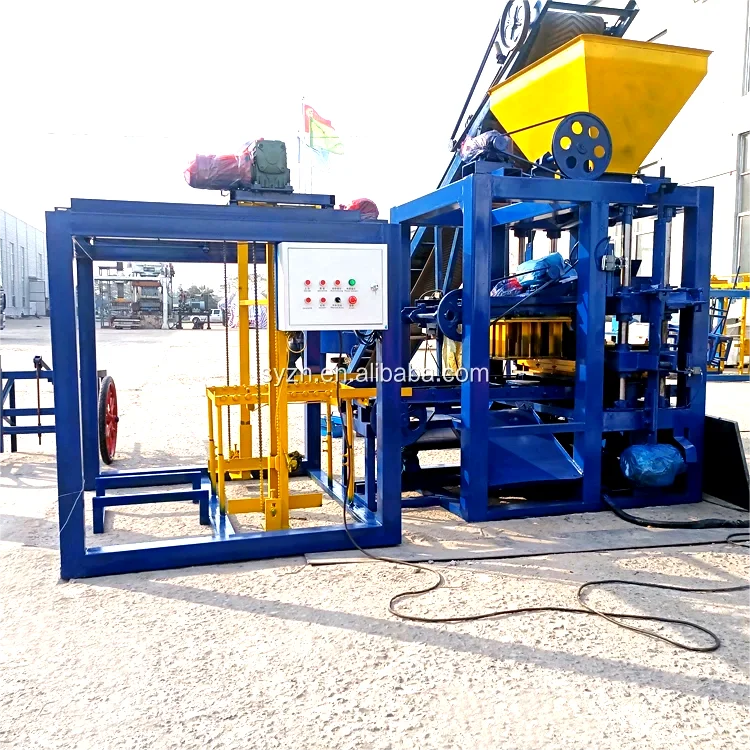
| Product Type | Hydraulic Concrete Block Making Machine |
| Rated Power | 27.5 kW |
| Voltage | 380V (frequency to be confirmed for destination market) |
| Control System | PLC with computer-controlled directional vibration |
| Overall Dimensions | 7100 × 1600 × 2610 mm |
| Net Weight | 5 T |
| Pallet Size | 1020 × 570 mm |
| Vibration Force | 40 kN |
| Moulding Cycle | 15 s (basis not stated in source — confirm block format / material / thickness) |
| Mixer Model | JS500 |
| Water Consumption | 4 T/day (basis not stated in source — confirm production hours and block format) |
| Workers Required | 3–4 |
| Workshop Area | 150 m² |
| Motor Brand | Siemens |
| Feeding System | Hopper with swing-type cutting device for uniform material distribution |
| Vibration Method | Table and mould vibrating together; low-frequency feeding, high-frequency vibrating |
Application Suitability
| Application | Material or Output |
|---|---|
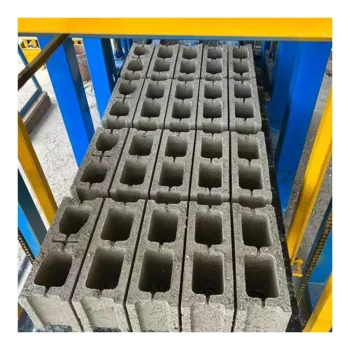
| Hollow block production | Crushed stone, cement, and sand aggregates for structural masonry walls |
| Solid block production | Dense concrete mixes for load-bearing and foundation applications |
| Paving block production | High-strength concrete with fine aggregate for walkways and driveways |
| Interlocking brick production | Cement-bound aggregate for dry-stack retaining walls and landscaping |
Why the Arrival Date Matters More Than the Cycle Time
Confirming stock status and container loading timing keeps your site plant running before foundation work finishes.
When a contractor is working to a fixed handover date, a stationary block machine in stock that arrives three weeks late is worse than a slower machine that arrives on time. Quoted cycle times assume ideal conditions and specific block formats that may not match your daily production requirement. The real constraint is whether the QT4-15 can be loaded into a container, shipped, cleared, and installed before your project timeline demands the first block laid [NEED_CITE: construction project scheduling dependencies for on-site block production].
Container Loading and Dispatch Lead Time
The QT4-15 measures 7100 × 1600 × 2610 mm at 5 tonnes, which fits a 40-foot container only when specific components are dismantled and secured. I have seen machines of this class arrive with hydraulic lines torn from their fittings because the packing team skipped the dismantling drawing. We prepare a loading plan that shows bolt orientation, component wrapping, and bracing positions so the machine reaches your site in the same condition it left our yard. When you request a stationary block machine in stock, the first question should be what the container loading plan looks like and when the vessel departs.
Voltage and Frequency Confirmation Before Loading
The QT4-15 lists 380V with a Siemens motor, but the frequency must match your destination grid — 50 Hz and 60 Hz produce different motor speeds that affect vibration force and cycle consistency. A PLC display language set to the wrong script delays commissioning by days while the operator tries to navigate error codes. We confirm voltage, frequency, and control language before the machine leaves the factory, not after it arrives at your port [NEED_CITE: voltage and frequency standards by export market].
Pallet Size and Your Existing Curing Area
The 1020 × 570 mm pallet ships with the QT4-15, but this dimension must align with your curing racks and forklift tine spacing. A mismatch means blocks are stacked by hand or curing racks are rebuilt at your cost. We ask about your existing curing layout before confirming the pallet specification, so the stationary block machine in stock integrates into your workflow rather than forcing a redesign.
What the Vibration and Pressure Numbers Mean for Block Density
The 40 kN vibration force works in combination with hydraulic pressure to compact the concrete mix into the mould. Low-frequency feeding distributes material evenly before high-frequency vibration consolidates it, which is why the swing-type hopper cutting device matters — uneven feed creates weak zones in the finished block. A moulding cycle of 15 s is listed, but that figure assumes a specific block format and material thickness; your actual cycle will vary with the block you produce. The Siemens motor delivers consistent torque across the vibration table, and the PLC manages directional vibration with frequency and brake control to maintain block density across a production shift.
The Hidden Cost of Skipping the Dispatch Conversation
Buyers who confirm price and model without discussing stock status, container loading, and arrival estimates often discover the machine is built to order rather than held in inventory. That discovery comes weeks after the purchase order, when the project deadline has already shifted. A machine that arrives after the masonry crew is idle costs more in labour than any price difference between suppliers [NEED_CITE: construction delay cost structures for material and equipment shortages].
Why Buyers Source the QT4-15 Here
Block machinery is our single focus, so the QT4-15 is specified as a matched system — host machine, mould, pallet, and mixer — rather than assembled from separate suppliers. Stock status is confirmed before quotation, not assumed from a catalogue. Container loading plans account for dismantling sequence and bolt orientation so the machine arrives ready for assembly. Voltage, frequency, and PLC display language are confirmed against your site supply before dispatch. Standard moulds ship with the machine, and replacement wear parts are listed with the initial quotation so the first maintenance interval does not halt production.
Documentation & Verification
- Factory test record on your block format before the QT4-15 leaves our yard
- Container loading plan showing dismantling sequence and bracing positions
- Voltage and frequency confirmation sheet matched to your destination grid
- Hydraulic and electrical schematic for on-site troubleshooting
- Pallet specification sheet confirming dimensions against your curing layout
- Wear parts and mould list with part numbers for reorder
Installation, Commissioning & Support
- 150 m² workshop area required with level concrete floor for the 7100 × 1600 mm footprint
- 27.5 kW rated power demands a dedicated circuit sized for the Siemens motor starting current
- Machine arrives partially dismantled; loading plan guides reassembly sequence
- PLC language and vibration frequency set during commissioning to match your block format
- Operator training covers mould change, hopper adjustment, and directional vibration controls
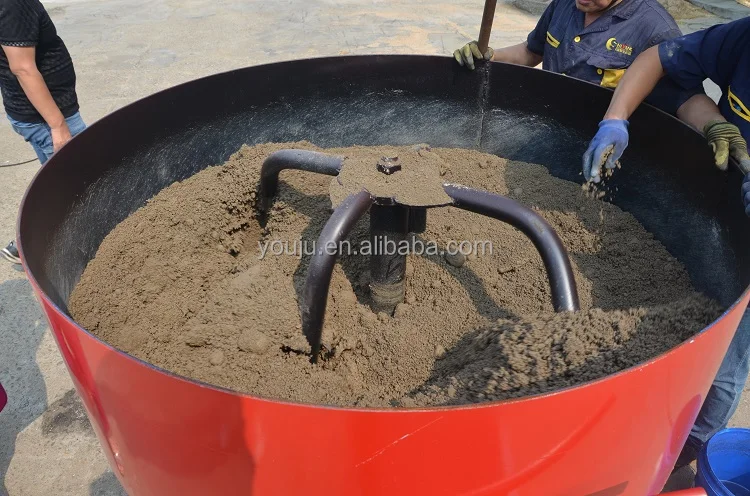
- JS500 mixer paired with the QT4-15; water and aggregate feed rates calibrated on site
- Wear parts list identifies hydraulic seals and vibration table components for first reorder
What We Need to Confirm Your Dispatch Date
Tell us the block format you produce daily, your site voltage and frequency, and the project deadline driving this purchase. We will confirm which standard moulds ship with the QT4-15, provide the container loading plan, and quote an arrival estimate tied to a vessel departure — not a factory production slot.
Frequently Asked Questions
Q: Which QT4-15 machines and standard moulds are available for immediate dispatch?
A: We confirm current stock of the QT4-15 host machine and which standard moulds — hollow, solid, or paving — are ready to ship with it. Stock status is verified at inquiry, not assumed, and we tell you exactly what is in the yard before you commit.
Q: What is the lead time from order to container loading, and how is arrival estimated?
A: Lead time depends on whether the QT4-15 is in stock or requires final assembly. We quote the dispatch date and estimated arrival based on vessel schedules, not factory production slots, so your project timeline stays intact.
Q: Is the 380V supply 50 Hz or 60 Hz, and can it match my destination market?
A: The QT4-15 motor and PLC must match your site frequency. We confirm 50 Hz or 60 Hz before loading and adjust motor specifications and vibration frequency settings so block density remains consistent on your grid.
Q: How is the QT4-15 dismantled and packed to avoid transit damage?
A: We prepare a container loading plan showing which components are removed, bolt orientation, and bracing positions. This prevents hydraulic line damage and misalignment that occur when machines are loaded without a dismantling drawing.
Q: Can the 1020 × 570 mm pallet be swapped before dispatch?
A: If your existing curing racks or forklift require a different pallet size, we confirm compatibility before the QT4-15 ships. Swapping pallets at our yard avoids the cost and delay of rebuilding your curing area on arrival.