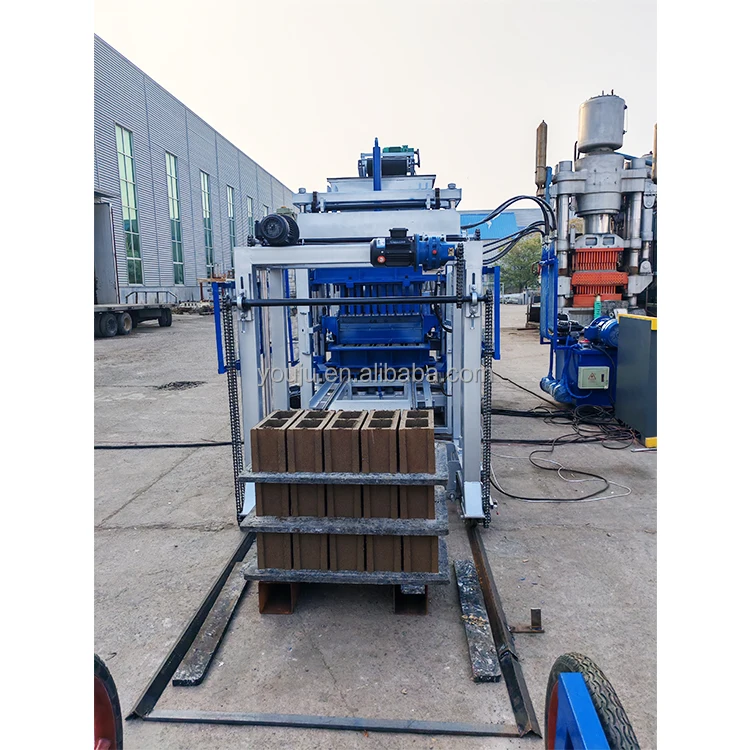
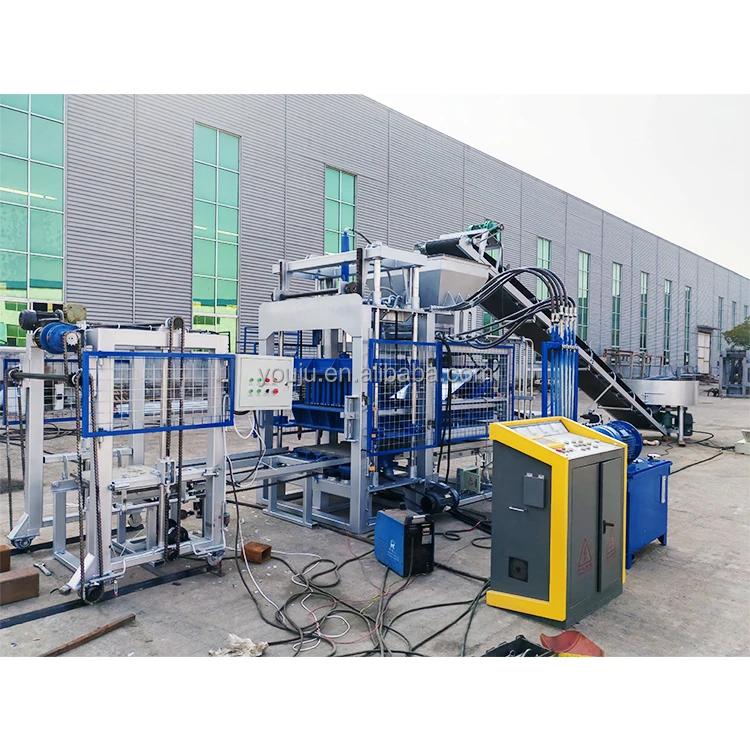


Description
Matched System Delivery — every stocked QT4-15 leaves our yard with its moulds, pallets, and hydraulic settings verified against your block format before loading, not assembled from separate suppliers after arrival.
Technical Specifications
| Parameter | Value |
|---|---|
| Model | QT4-15 |
| Product Type | Hydraulic Block Making Machine |
| Molding Cycle | 15-30s |
| Pallet Size | 900x500mm |
| Vibration Type | Platform vibration |
| Vibration Frequency | 50-70HZ |
| Product Height Range | 50-220mm |
| Overall Power | 24.5kw |
| Demolding Method | Hydraulic |
| Control System | PLC |
| Automation Level | Automatic |
| Block Compressive Strength | More than 15 MPa |
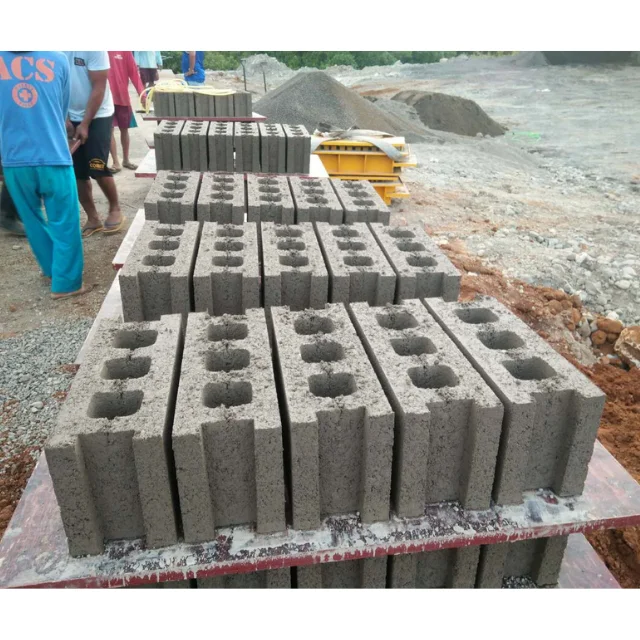
| Output Capacity (Hollow Block 400x200x200mm) | 900-1200 pcs/hour, 7200-9600 pcs/8hr |
| Output Capacity (Hollow Block 400x150x200mm) | 1080-1440 pcs/hour, 8640-11520 pcs/8hr |
| Output Capacity (Hollow Block 400x100x200mm) | 1440-1920 pcs/hour, 11520-15360 pcs/8hr |
| Output Capacity (Paver 200x100x60mm) | 2880-3840 pcs/hour, 23040-30720 pcs/8hr |
| Output Capacity (Solid Brick 240x115x53mm) | 5930-6720 pcs/hour, 47400-53700 pcs/8hr |
| Mould Change Capability | Interchangeable moulds for hollow block, paver brick, solid brick |
| Raw Material Compatibility | Flyash, slag, gangue, sand, crushed stone, cement, water |
Application Suitability
| Application | Material or Output |
|---|---|
| Mid-to-small scale block plants | Hollow blocks, pavers, solid bricks from flyash, slag, or gangue |
| On-site contractor production | Standard aggregates and cement for project-specific masonry units |
| Building material distributors | High-volume solid brick and paver runs for regional supply |
| First-time plant entrepreneurs | Versatile format switching using locally sourced sand and crushed stone |
What the "Cycle Time" Label Leaves Out When Ordering a QT4-15 Hydraulic Block Making Machine in Stock
A 15-second cycle only holds if your mix design matches the vibration force and hydraulic pressure settings calibrated at the factory.
I once watched a QT4-15 hydraulic block making machine in stock sit idle on a site because the local desert sand collapsed immediately after demolding. The rated cycle assumed a specific aggregate gradation and moisture content that the buyer’s pit could not supply, so every block slumped before reaching the curing rack [NEED_CITE: relationship between vibration frequency and aggregate particle size distribution in concrete block production]. When you need equipment fast, the dispatch speed means nothing if the machine arrives configured for a material you cannot source.
Stock Status and Dispatch Timeline for the QT4-15
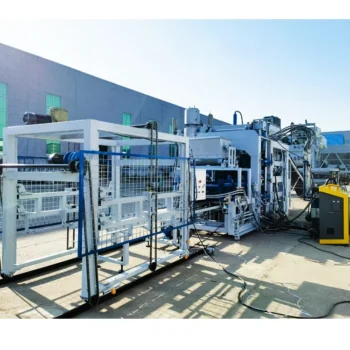
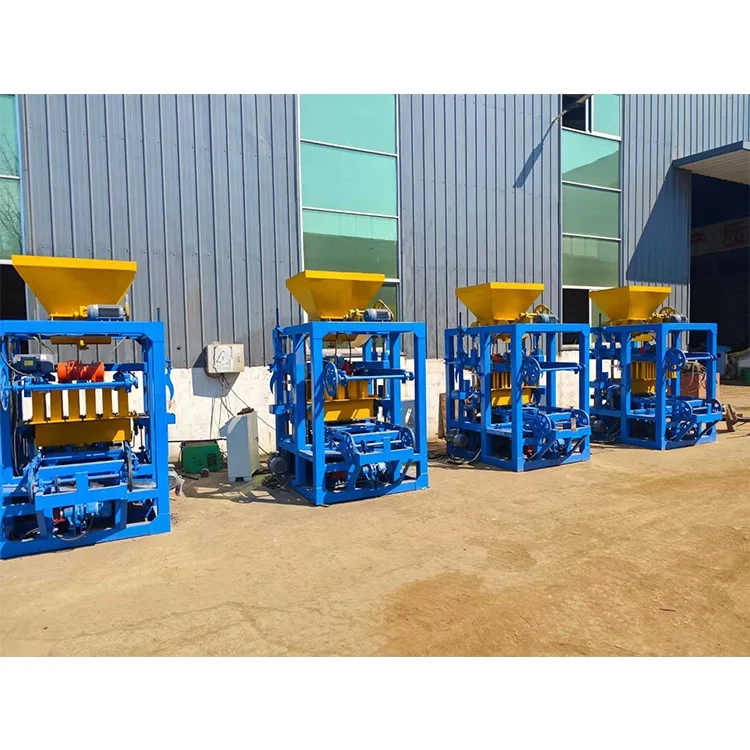
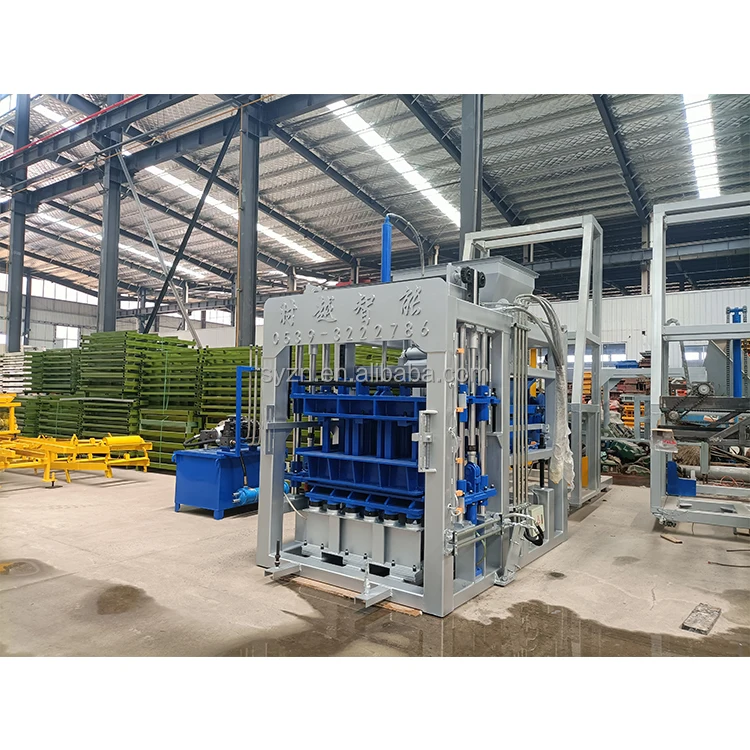
The QT4-15 hydraulic block making machine in stock status refers to units that have completed assembly, passed factory vibration and pressure tests, and are sitting in the yard ready for container loading. Buyers working against a project deadline can confirm which pallet sizes and mould sets are physically present before committing, rather than waiting through a production queue.
Container Loading and Dismantling for Shipment
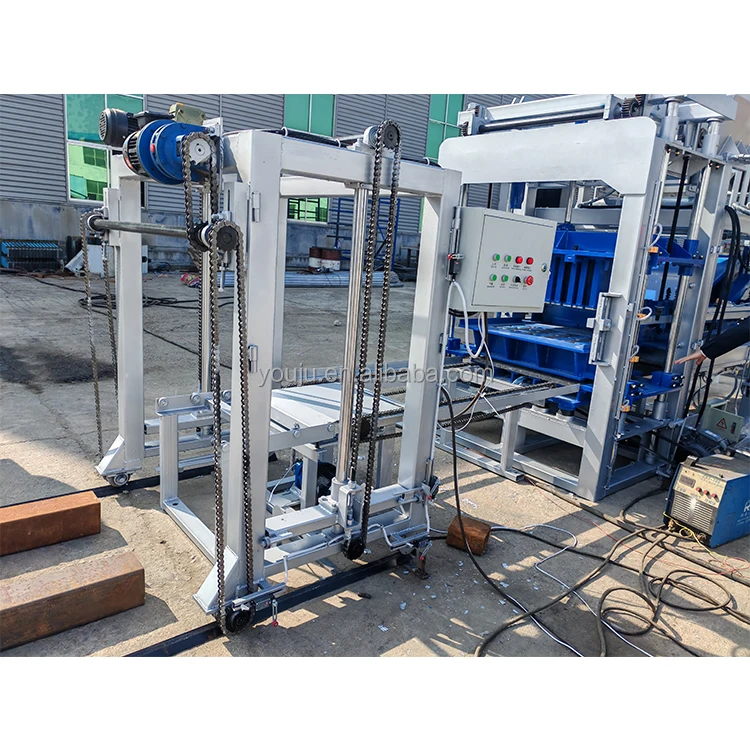
A stocked QT4-15 is dismantled into mainframe, hydraulic station, and control cabinet sections that fit standard container dimensions. The moulds, pallets, and fastener kits are packed separately and photographed before the doors close, so you know exactly which items are in which crate when the vessel docks [NEED_CITE: standard container loading practices for heavy industrial machinery].
Platform Vibration and Hydraulic Demolding in Practice
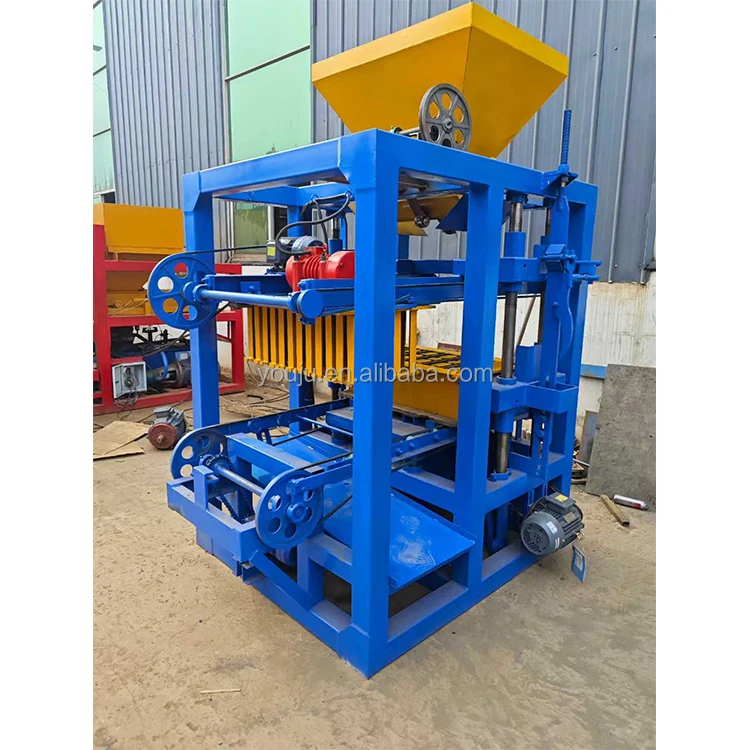
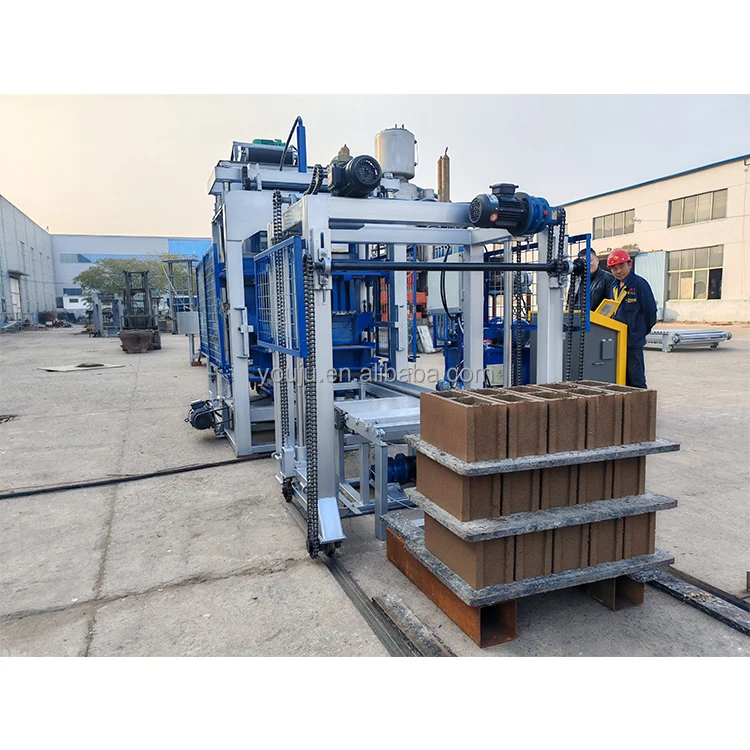
The 50-70HZ platform vibration works with the hydraulic demolding to compact the mix evenly across the 900x500mm pallet area. Higher frequency ranges suit finer aggregates like flyash blends, while the lower end handles coarser crushed stone. The hydraulic pressure must release the mould box cleanly; if the pressure is too low for a stiff mix, the block corners fracture during extraction. Product height range from 50-220mm covers most standard masonry and paving formats without requiring a different machine class. The 24.5kw overall power draw means most small-to-mid plants can run this unit on a standard industrial supply without a dedicated transformer upgrade.
The Cost of Skipping the Voltage Confirmation Step
A QT4-15 arriving with a 380V/50HZ motor in a country running 440V/60HZ will either refuse to start or burn out within the first shift. We have seen buyers lose weeks sourcing local rewinding services because the voltage question was never asked before the bill of lading was issued [NEED_CITE: voltage and frequency standards by export market]. The PLC display language is a similar oversight; operators staring at error codes in a language they cannot read will call the machine faulty when it is actually requesting a pallet sensor reset.
Why Buyers Source This Model Here
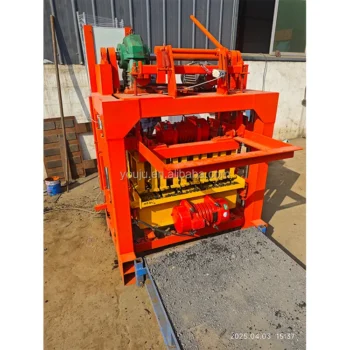
Stock verification happens before quotation, so you see photographs of the actual unit and its matched mould inventory rather than a generic catalogue image. The pallet size and material are confirmed against your existing curing racks and forklift dimensions, preventing the situation where blocks cure on pallets your equipment cannot lift. Moulds are included for the formats your market actually buys, not a default set that leaves you ordering custom tooling separately. Factory test records document the cycle time and block strength achieved with a specific mix, giving you a baseline to replicate on site. Dispatch lead time is quoted in days, not weeks, because the machine is already built.
Documentation & Verification
- Factory test record showing cycle times on your specified block format before dispatch
- Pallet specification sheet matched to your curing area dimensions and forklift capacity
- Voltage and PLC display language confirmation document signed before container loading
- Mould drawing and format list for every interchangeable tooling set included
- Packing photographs identifying each crate and its contents before the container doors close
Installation, Commissioning & Support
- Foundation plan sized to the 900x500mm pallet footprint and mainframe weight distribution
- Power connection verified against the 24.5kw total draw and local three-phase supply
- Mainframe, hydraulic station, and PLC cabinet reassembled and aligned on site
- First production run supervised with mix adjustments to match local aggregate behavior
- Operator training covers mould change procedure and PLC fault code identification
- Wear parts list identifies hydraulic seals and vibration motor brushes for first reorder
What We Need to Confirm Before Loading Your Unit
Send the block format you intend to produce most frequently, the local aggregate type and source, and the voltage and frequency at your site. If you already have curing racks and forklifts in place, share the pallet dimensions they accept so we match the 900x500mm specification or flag any mismatch before the machine ships.
Frequently Asked Questions
Q: Which QT4-15 configurations are currently in stock and what moulds are included?
A: Stocked units ship with interchangeable moulds for hollow block, paver, and solid brick formats as standard. We confirm which specific mould sets are physically in the yard at the time of your inquiry and provide photographs of each tooling piece before you commit to the order.
Q: How long from order confirmation to container loading?
A: Once voltage, frequency, PLC language, and pallet material are confirmed, a stocked QT4-15 is dismantled, packed, and photographed within a matter of days. The actual vessel departure then depends on the sailing schedule from the loading port to your destination.
Q: Can the voltage and PLC display language be confirmed before shipment?
A: Yes. We require your site voltage, frequency, and preferred PLC display language before the machine leaves the yard. A confirmation document is signed by both parties so the motor winding and control interface match your local electrical standard and operator requirements.
Q: Are pallets included with the machine and how many ship per unit?
A: Pallets are part of the matched system, but the quantity and material depend on your curing area capacity and budget. We confirm the pallet specification and count with you before loading so the machine is never left waiting for empty boards during production.
Q: What support is available after the machine arrives at the port?
A: We provide installation guidance covering foundation preparation, reassembly of the mainframe and hydraulic station, and first-run commissioning. A wear parts list identifies items like hydraulic seals and vibration components so you can plan your first reorder before the original parts reach end of life.