

Description
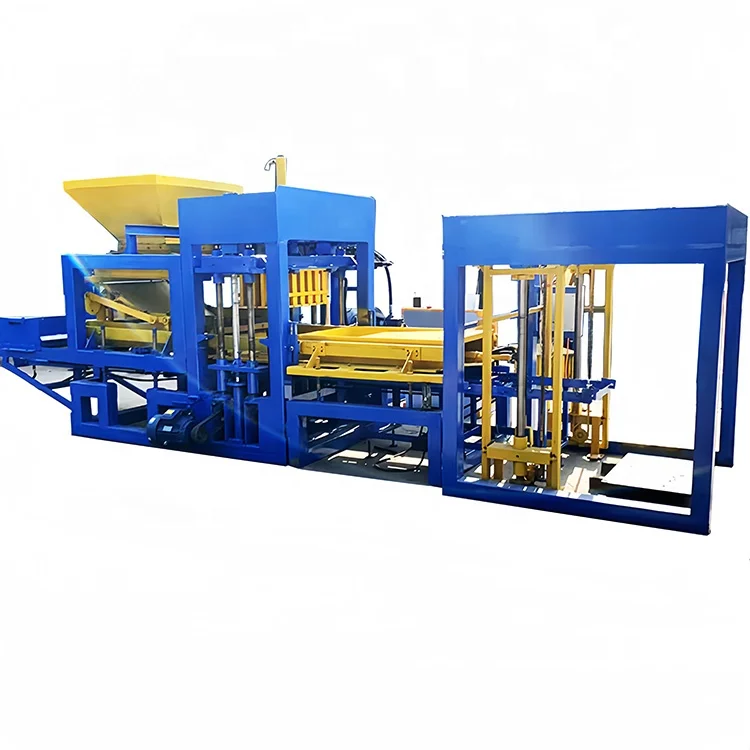
Configuration verified before dispatch — voltage, frequency, PLC language and dismantling plan confirmed against your site conditions so the QT4-18 starts producing the day it is unloaded, not weeks later.
Technical Specifications
| Parameter | Value |
|---|---|
| Model | QT4-18 |
| Product Type | Hydraulic Concrete Block Making Machine |
| Overall Dimensions (L×W×H) | 3900×1600×2300 mm |
| Molding Cycle | 15-25s (basis not stated in source — confirm block format / material / thickness) |
| Vibration Force | 40-50 kN |
| Rated Power | 24 kW |
| Mixer Model | JQ350 |
| Pallet Size | 850×550×25 mm |
| Net Weight | 3 T |
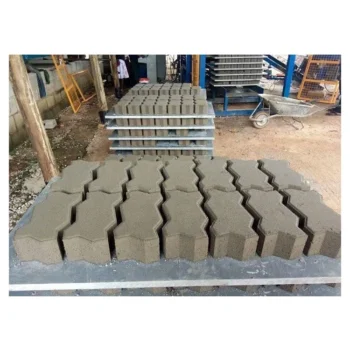
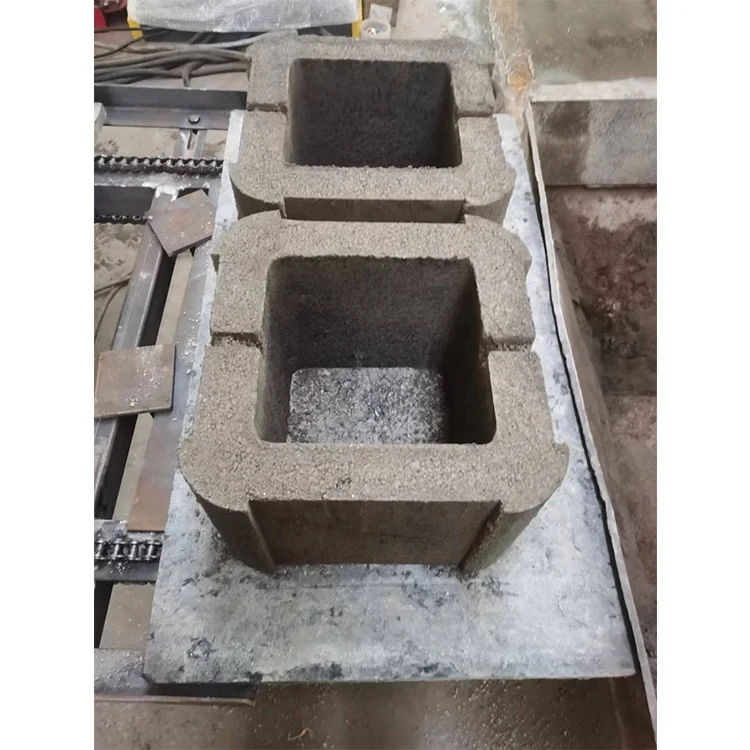
| Applied Products | Paver, solid block, hollow block, curbstone |
| Raw Materials | Crushed stones, sand, cement, dust, fly ash |
| Control System | PLC control system |
| Hydraulic Station | Included |
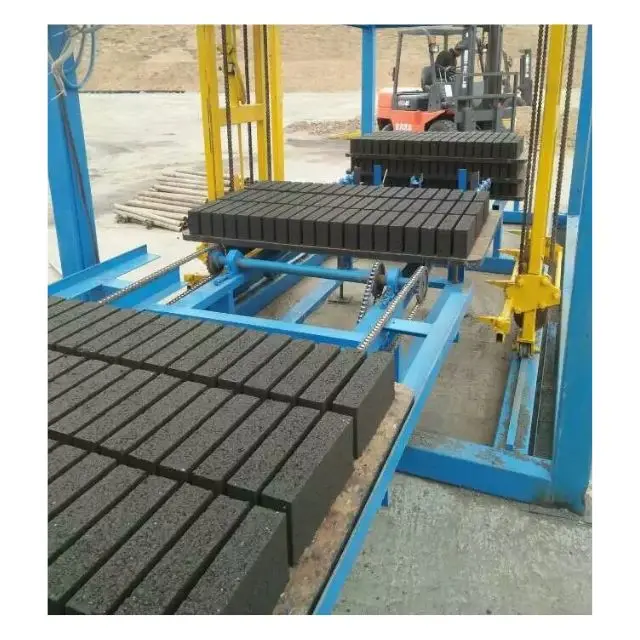
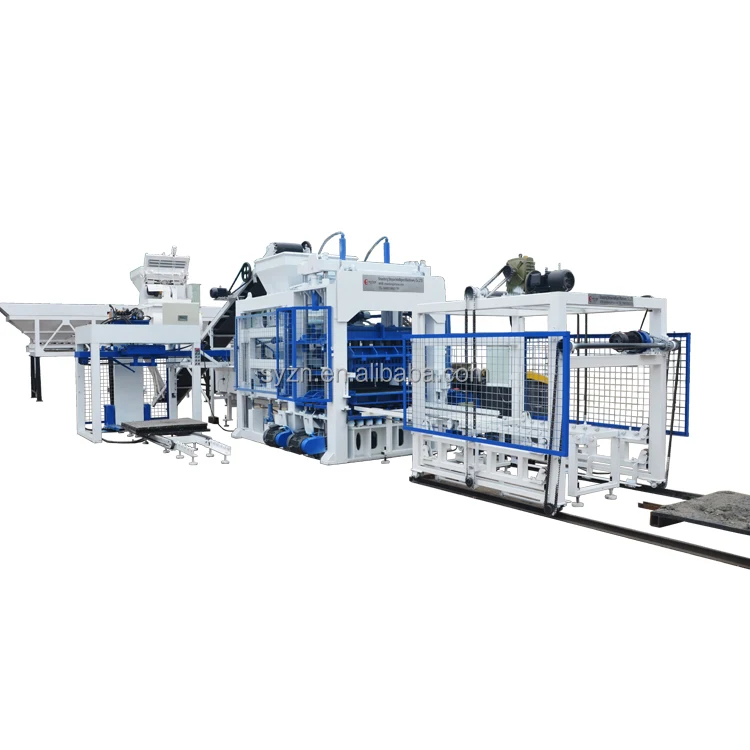
| Included Equipment | Block making machine, hydraulic station, PLC control system, pallet feeder, brick conveyor, block sweeper |
| Free Accessories | Manual hydraulic trolley, spare parts and tools |
| Output Capacity (Hollow 400×200×200mm) | 1200-1680 pcs/hr (9600-13440 pcs/8hr) |
| Output Capacity (Hollow 400×150×200mm) | 1800-2400 pcs/hr (14400-19200 pcs/8hr) |
| Output Capacity (Solid 240×115×53mm) | 3240 pcs/hr (16200-19440 pcs/8hr) |
| Automation Level | Semi-automatic with pallet feeder and conveyor |
| Mould Change System | Manual |
| Stacking Method | Manual |
Application Suitability
| Application | Material or Output |
|---|---|
| Hollow block production for residential walls | Crushed stone, sand, cement, fly ash — 400×200×200mm and 400×150×200mm formats |
| Solid brick manufacturing for load-bearing structures | Sand, cement, dust — 240×115×53mm format |
| Paver and curbstone production for site infrastructure | Crushed stone and cement mixes in mould-selected profiles |
| On-site block making for construction contractors | Local aggregate blended with cement, produced as the project demands |
| Small to medium block plant startup | Complete set with mixer, pallet feeder and conveyor in one shipment |
Why the Dispatch Date Matters More Than the Cycle Time
Project deadlines do not wait for factory lead times, and a QT4-18 block machine in stock is only useful if every supporting component ships in the same container.
Buyers who focus solely on the press often discover after arrival that the pallet feeder, conveyor or hydraulic station was quoted separately or held up at a different factory. The production line sits incomplete while the project clock runs. I have seen crews standing around a brand-new press in a half-finished yard because the pallets were still on a different vessel. When the QT4-18 block machine in stock ships as one matched set — press, hydraulic station, PLC panel, pallet feeder, brick conveyor, block sweeper and manual hydraulic trolley — the unloading crew can begin assembly immediately.
Container loading plans should be reviewed before dispatch to confirm dismantling points and pallet count, so nothing is left behind at the port of origin [NEED_CITE: container loading verification practices for heavy machinery exports].
Stocked Machine Means One Container, One Arrival
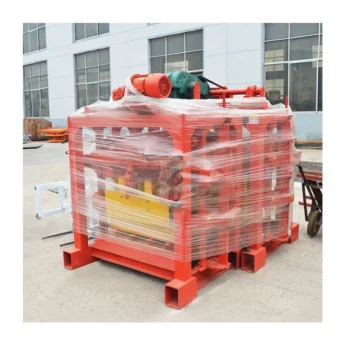
The QT4-18 block machine in stock loads into a single 20GP container in nude packing, with approximately 500 pallets sharing the same space. This eliminates the scenario where the press arrives weeks before its pallet supply, forcing the buyer to source interim pallets locally at premium cost. Dispatch lead time covers order confirmation through factory test and port delivery, and the arrival estimate is quoted against the destination port before the buyer commits.
What "Ready for Dispatch" Actually Includes
Availability is not just the press sitting on a factory floor. A genuinely stocked QT4-18 block machine in stock carries matched inventory across the hydraulic station, PLC control panel, pallet feeder, brick conveyor and block sweeper. Mould inventory for common formats — hollow 400×200×200mm, hollow 400×150×200mm, solid 240×115×53mm — should be confirmed at inquiry so the first production run happens in the format the buyer’s market actually demands. Made-to-order moulds for pavers, curbstones or interlocking profiles follow a separate lead time [NEED_CITE: standard versus custom mould lead times in block machinery].
Reading the Capacity Figures Honestly
The vibration force of 40-50 kN and the hydraulic pressure together determine how densely the mix is compacted into the mould cavity. A molding cycle stated at 15-25 seconds covers a range, and where a specific format falls within that range depends on block height, mix gradation and target strength. The output figures — such as 1200-1680 pieces per hour based on a 400×200×200mm hollow block — reflect one format under one set of conditions. Switching to a thinner solid brick changes the cycle and the hourly count entirely. The JQ350 mixer must keep pace with the press; if mixing becomes the bottleneck, the press waits and actual daily output drops below the stated range. Pallet size at 850×550×25mm governs how many blocks fit per cycle and must align with the curing racks and forklifts already on site.
The Cost of Skipping the Pre-Shipment Checklist
Voltage and frequency confirmed too late means the PLC panel and hydraulic motor arrive incompatible with the local grid, requiring a transformer or rewinding before the first block is pressed. I once spent an entire first day on a desert site with three workers staring at a control screen set to a language none of them could read — the machine was physically ready but operationally useless. PLC display language, voltage, frequency and plug configuration are each a single-line confirmation that costs nothing before dispatch and days of delay if overlooked. Packing photographs and the container loading plan let the buyer verify that dismantling points match their site crane capacity and that the pallet count is correct [NEED_CITE: electrical standards alignment for exported concrete machinery].
Why Buyers Source This Machine Here
The QT4-18 is specified as one matched system — press, mould, pallet and handling equipment — rather than assembled from separate suppliers who point blame at each other when cycle times do not align. Stocked models and standard moulds ship on a short lead time with arrival estimates quoted upfront, suited to buyers working against a project deadline. The 20GP loading plan with approximately 500 pallets included means the curing area can be populated from day one. Factory test records are completed before dispatch against the buyer’s confirmed block format. Documentation and customs support reduce import clearance friction at the destination port.
Documentation & Verification
- Factory test record run on your confirmed block format before dispatch
- Machine specification sheet with pallet size, power and hydraulic ratings
- Container loading photographs showing dismantling and pallet count
- Voltage, frequency and PLC language written confirmation before shipment
- Customs documentation package supporting destination clearance
Installation, Commissioning & Support
- Foundation pad sized to 3900×1600mm footprint with level tolerance for the 3T machine weight
- 24 kW rated power requires a dedicated circuit at the confirmed voltage and frequency
- Machine dismantled for 20GP loading and reassembled on-site with included tools
- PLC control system parameters set to confirmed language and block format during commissioning
- Operator training covers mould change procedure, daily greasing and hydraulic inspection
- Spare parts and tools included as free accessories for the first maintenance interval
What to Prepare Before Inquiring
Share the block formats your market sells and the daily output you need to hit your project timeline. Confirm your local voltage, frequency and the language your operators read on a control screen. Provide the dimensions of your curing area and the forklift you plan to use so pallet compatibility is settled before the machine ships.
Frequently Asked Questions
Q: What is the current dispatch lead time for the QT4-18 and which moulds are in stock?
A: Stocked QT4-18 units with standard hollow and solid block moulds ship on a short lead time from order confirmation through factory test and port delivery. Moulds for common formats are typically available from stock, while custom profiles for pavers or interlocking bricks follow a made-to-order schedule confirmed at inquiry.
Q: How is the machine dismantled and loaded into a 20GP container?
A: The QT4-18 is dismantled at defined points to fit within a 20GP container in nude packing. Approximately 500 pallets of 850×550×25mm load in the same container. Packing photographs and a loading plan are provided before dispatch so the buyer can verify component count and plan site crane requirements.
Q: Which voltage and frequency configurations can be confirmed before shipment?
A: Voltage, frequency, plug type and PLC display language are confirmed in writing before production or dispatch. This prevents commissioning delays caused by grid incompatibility or unreadable control screens at the destination site.
Q: What block formats and moulds are available from stock versus made to order?
A: Standard hollow block and solid brick moulds for the most traded formats are typically stocked. Paver, curbstone, interlocking and custom-profile moulds are made to order based on buyer drawings, with lead time quoted separately at the inquiry stage.
Q: What arrival estimate can be quoted based on destination port?
A: An estimated arrival date is provided once the destination port is confirmed, accounting for production completion, port transit and typical shipping routes. This estimate is quoted upfront so buyers can align their site preparation and crew scheduling to a known timeline.