
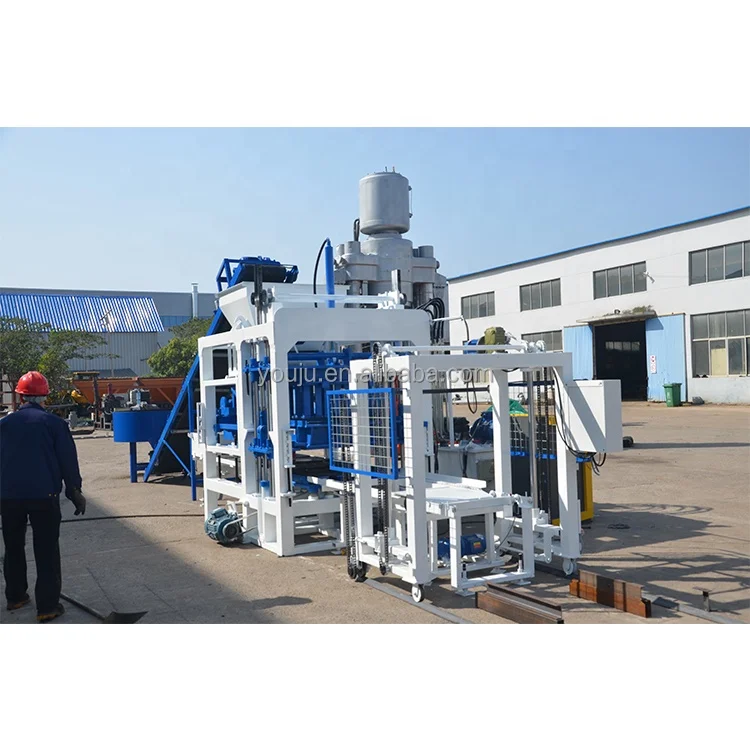
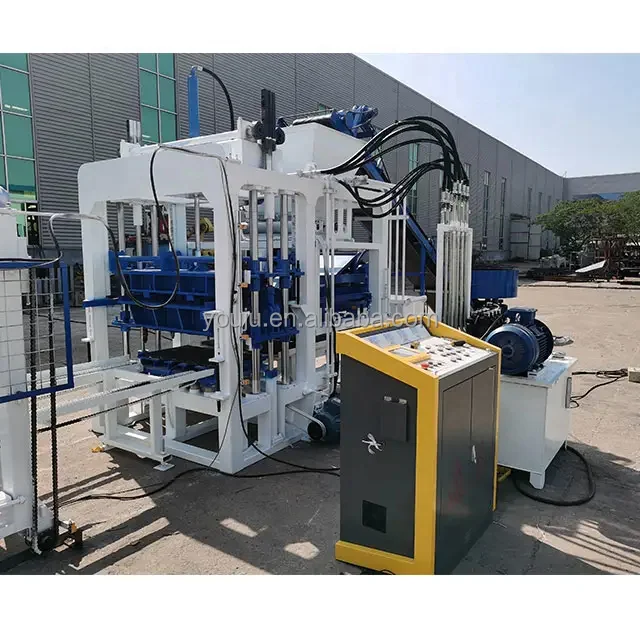
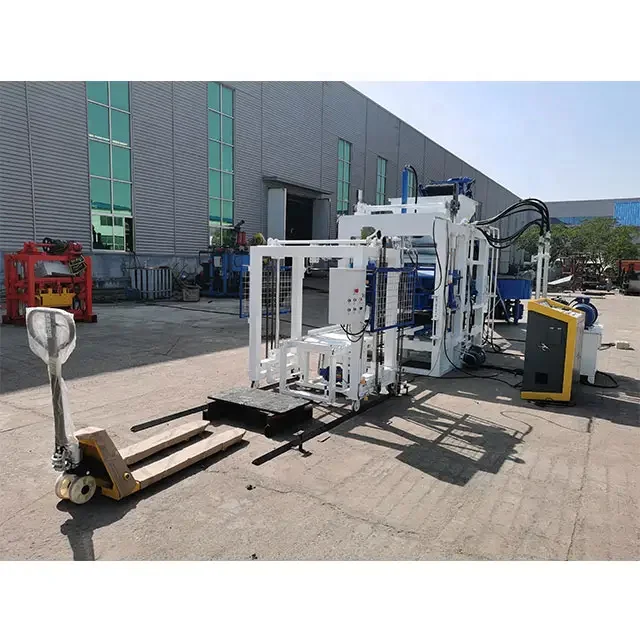
Description
Stocked configuration — QT4-18 concrete block machine fast delivery starts with pallet size, voltage and mould format locked down before it leaves the factory, so commissioning is not delayed by a mismatch on site.
Technical Specifications
| Parameter | Value |
|---|---|
| Model | QT4-18 |
| Product Type | Automatic Concrete Block Making Machine |
| Overall Dimension | 2500 × 1750 × 2200 mm |
| Rated Pressure | 16 MPa |
| Vibration Form | Platform Vibration |
| Pallet Size | 950 × 550 mm |
| Molding Cycle | 18–25 s |
| Overall Power | 27.5 kW |
| Control System | PLC with frequency converter, human-machine interface |
| Electrical Components | Schneider |
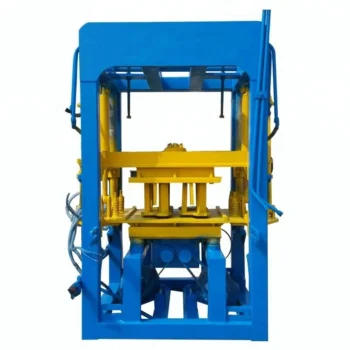
| Mold Lifting Mechanism | Double-sided synchronous gears |
| Pallet Feeder Power | Hydro-cylinder |
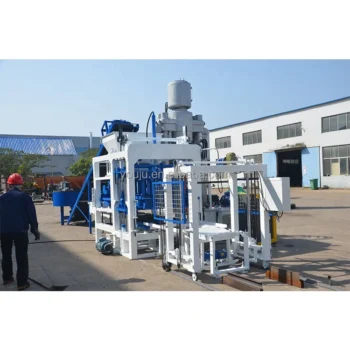
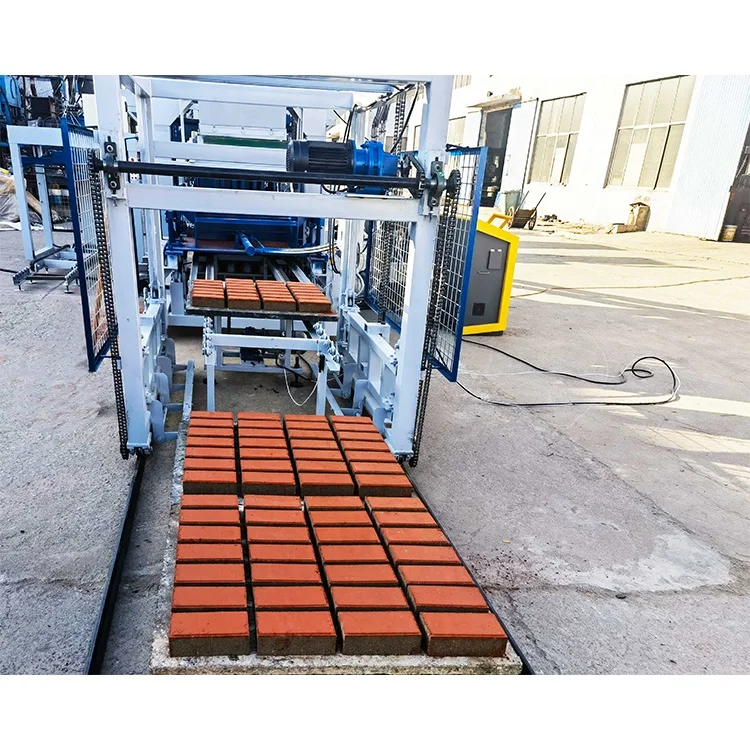
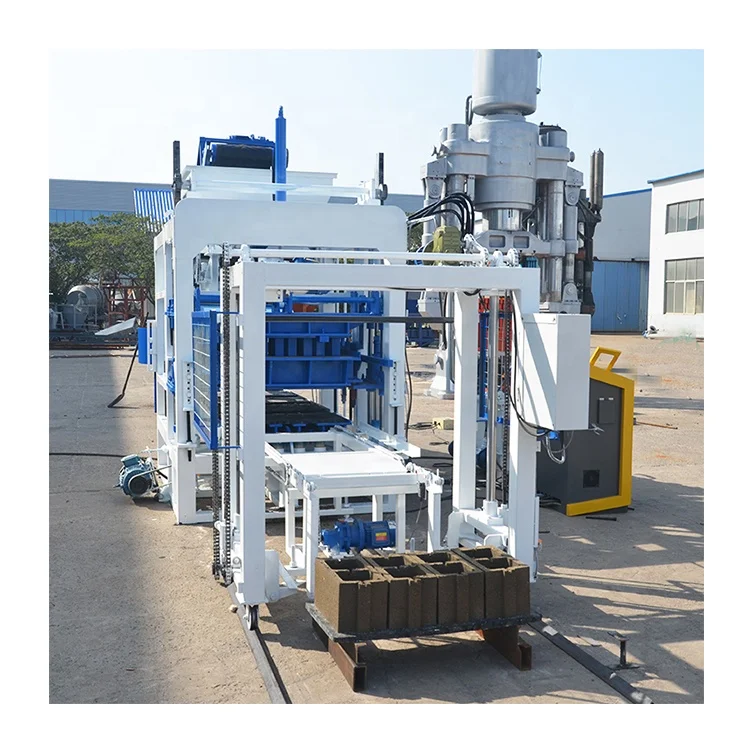
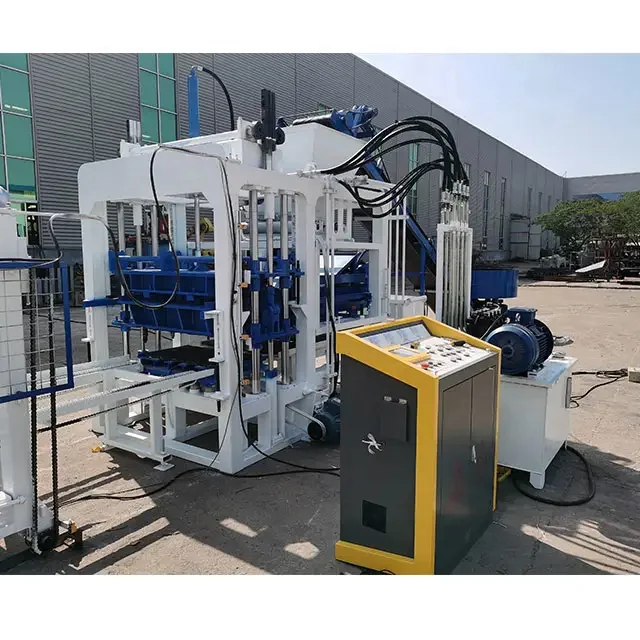
| Assembly State | Complete line: mixer, pallet conveyor, molding machine, block conveyor, hydraulic station, electronic console |
| Support Equipment Compatibility | JQ500 pan mixer, 8 m / 6 m belt conveyor, stacker, block clamper, cement silo, batching plant, trolley |
| Voltage & Frequency | Configurable — confirm local grid before production (basis to be confirmed) |
| Output Capacity | Dependent on block format, material and thickness (basis to be confirmed) |
Application Suitability
| Application | Material or Output |
|---|---|
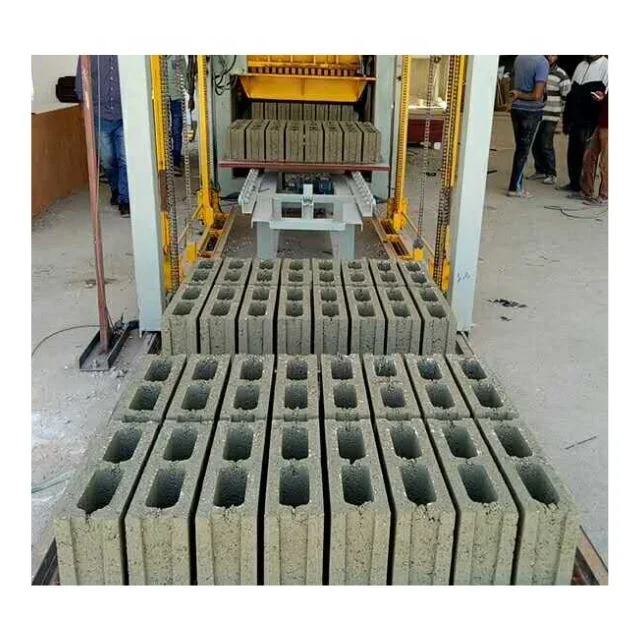
| Hollow block production for load-bearing walls | Crushed stone, sand, cement, water |
| Solid block production for partition and foundation work | Gravel aggregate, cement binder |
| On-site block manufacturing for housing developments | Locally sourced aggregate and cement |
| Small to medium block plant operation | Multiple formats with mould change |
Why "Cycles per Hour" Means Nothing Without the Block Format
The QT4-18 concrete block machine fast delivery promise only matters if the output figure is tied to a real block format, not a laboratory cycle. Buyers receive quotations stating eighteen to twenty-five seconds per cycle, but that number shifts depending on whether the mould is forming a hollow block, a solid block or a paving format, and on how dense the local aggregate mix runs. I have watched plants sit idle because the capacity calculation on the invoice never matched the block the market actually ordered.
A molding cycle quoted without the assumed block format and mix design leads to daily output expectations that fall short on the first production run [NEED_CITE: block format and cycle time relationship in concrete block manufacturing]. The QT4-18 concrete block machine fast delivery includes a written capacity calculation stating the exact format and material used during the factory test, so buyers compare real numbers before the machine ships.
Dispatch Timing That Accounts for Container Loading
Stock availability is only the first part of a fast delivery commitment. The QT4-18 must be dismantled to fit standard container dimensions, and the way the hydraulic station, electronic console and pallet conveyor are broken down determines how quickly the machine can be reassembled on arrival. Every unit leaves with packing photographs and a component map so the receiving crew knows which crate holds the PLC cabinet and which holds the vibration platform.
Arrival Estimates Quoted Before the Order Is Placed
Buyers working to project deadlines need the shipping window before they sign, not after. For the QT4-18 concrete block machine fast delivery, dispatch lead time and estimated arrival at the destination port are documented in the quotation. This lets contractors align foundation work, raw material procurement and operator availability to the actual delivery date rather than a hopeful guess [NEED_CITE: typical ocean freight transit times by export region].
What the 950 × 550 mm Pallet Means for Your Curing Yard
The pallet size is not an isolated specification — it dictates how many blocks fit per pallet, how pallets stack in the curing area, and whether the forklift already on site can handle the loaded weight. A 950 × 550 mm pallet matches common curing rack dimensions in small to medium block plants, reducing the need to invest in new handling infrastructure. Platform vibration at a rated pressure of 16 MPa ensures consistent block density across the full pallet surface, which matters when hollow blocks must meet load-bearing strength requirements.
The double-sided synchronous gear mold lifting mechanism keeps the mould level during extraction, reducing edge damage on freshly formed blocks. Combined with the hydro-cylinder pallet feeder, the system maintains a steady production rhythm without the operator manually positioning each pallet. Schneider electrical components and a PLC with frequency converter give the control system the responsiveness needed to adjust vibration duration when switching between a lightweight hollow block and a denser solid format.
The Cost of Skipping Voltage Confirmation Before Shipment
I shipped a semi-automatic line to Colombia once without locking down the local 60 Hz grid frequency. The main motor burned on first startup, and the customer crew sat idle for weeks waiting for a replacement variable frequency drive. That lesson is built into every QT4-18 order now: voltage, frequency and PLC display language are confirmed in writing before production starts, because reconfiguring a 27.5 kW system after arrival costs far more than a five-minute conversation before shipping [NEED_CITE: voltage and frequency standards by export market].
Why This Machine Ships as a Complete Line
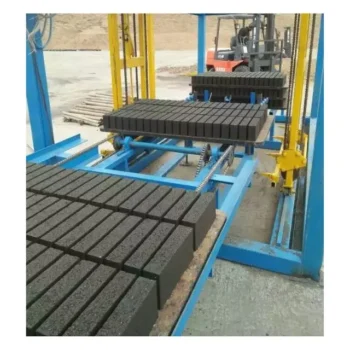
The QT4-18 is quoted with its JQ500 pan mixer, belt conveyor, pallet conveyor, block conveyor, hydraulic station and electronic console as one package. This means cycle times between stations are matched at the factory — the mixer output feeds the hopper at the rate the molding machine consumes material, and the block conveyor speed aligns with the 18–25 second molding cycle. Buying the press alone from one supplier and the mixer from another leaves the buyer responsible for balancing the line, which usually means one station is always waiting.
Configuration is set against the buyer’s actual mix design and target block format rather than a catalogue default. Mould design covers the formats the local market sells, and standard moulds from stock can ship alongside the machine. Installation and commissioning support includes operator training on mould change procedures, PLC parameter adjustment and daily maintenance routines specific to the 27.5 kW power system and hydraulic circuit.
Documentation & Verification
- Factory test record showing cycle time on your specified block format before dispatch
- Voltage and control language confirmation sheet signed before production starts
- Line layout drawing with capacity calculation stating the assumed block format
- Hydraulic and electrical schematic matching the shipped component configuration
- Packing photographs documenting crate contents and container loading arrangement
Installation, Commissioning & Support
- Foundation plan provided for the 2500 × 1750 × 2200 mm machine footprint and vibration isolation
- Dedicated power circuit specified for the 27.5 kW total load with voltage and frequency verified
- Component map and dismantling guide included for reassembly after container transport
- PLC parameters preset to your confirmed block format and molding cycle before shipping
- Operator training covers mould change using the double-sided synchronous gear mechanism
- Wear parts list for hydraulic seals, vibration springs and pallet feeder components
What to Include With Your Inquiry
Send the block format you plan to produce, the daily output target and your local aggregate type so the machine configuration matches your actual material. Confirm your site voltage, frequency and preferred PLC display language to avoid commissioning delays. If you have existing curing racks or forklifts, share the dimensions so the 950 × 550 mm pallet specification is verified against your handling equipment.
Frequently Asked Questions
Q: What is the dispatch lead time for QT4-18 from stock?
A: Stocked units can be prepared for container loading once voltage, frequency, control language and mould format are confirmed in writing. The dispatch timeline is quoted in the proposal and accounts for dismantling, packing and customs documentation, so the buyer knows the shipping window before placing the order.
Q: How is the machine packed for container loading?
A: The QT4-18 is dismantled into components that fit standard shipping containers. The hydraulic station, electronic console and conveyor sections are crated separately with a component map. Packing photographs are shared before the container is sealed so the receiving team can plan unloading and reassembly.
Q: Can arrival timing be quoted upfront for my port?
A: Yes. Estimated arrival at the destination port is included in the quotation based on the confirmed dispatch date and standard transit routes. This allows buyers to schedule foundation work, raw material delivery and operator availability around a realistic timeline.
Q: What supporting equipment ships with the stock package?
A: The complete line includes a JQ500 pan mixer, belt conveyor, pallet conveyor, block conveyor, hydraulic station and electronic console. Stackers, block clampers and cement silos are available as additional items and can be included in the same shipment to avoid separate logistics.
Q: Are standard moulds available immediately or do they need separate lead time?
A: Common hollow block and solid block moulds matching the 950 × 550 mm pallet are available from stock and can ship with the machine. Custom mould formats designed to buyer drawings require a separate production window, which is quoted alongside the machine order.