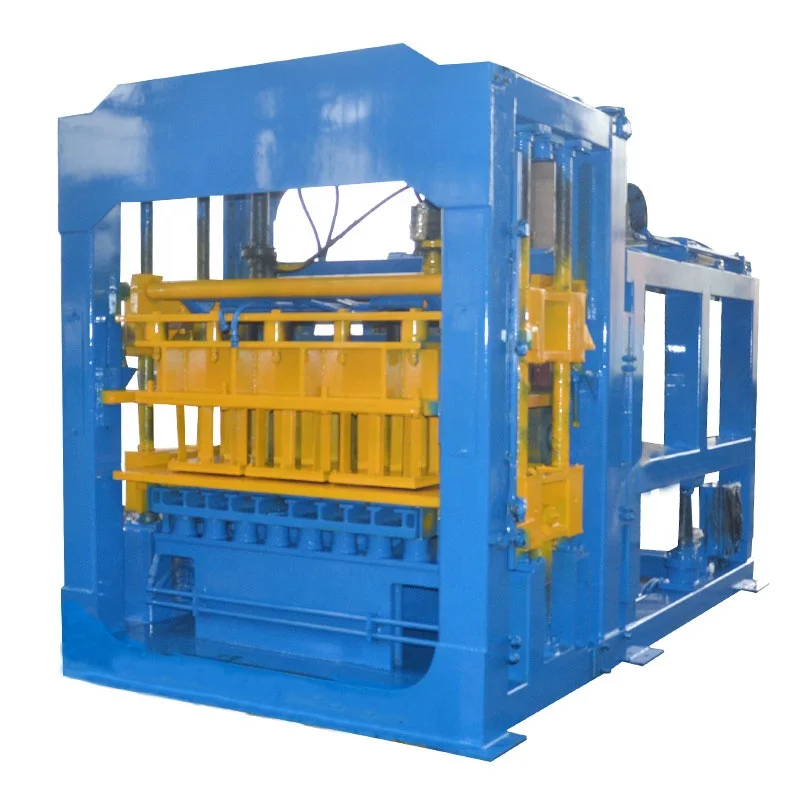
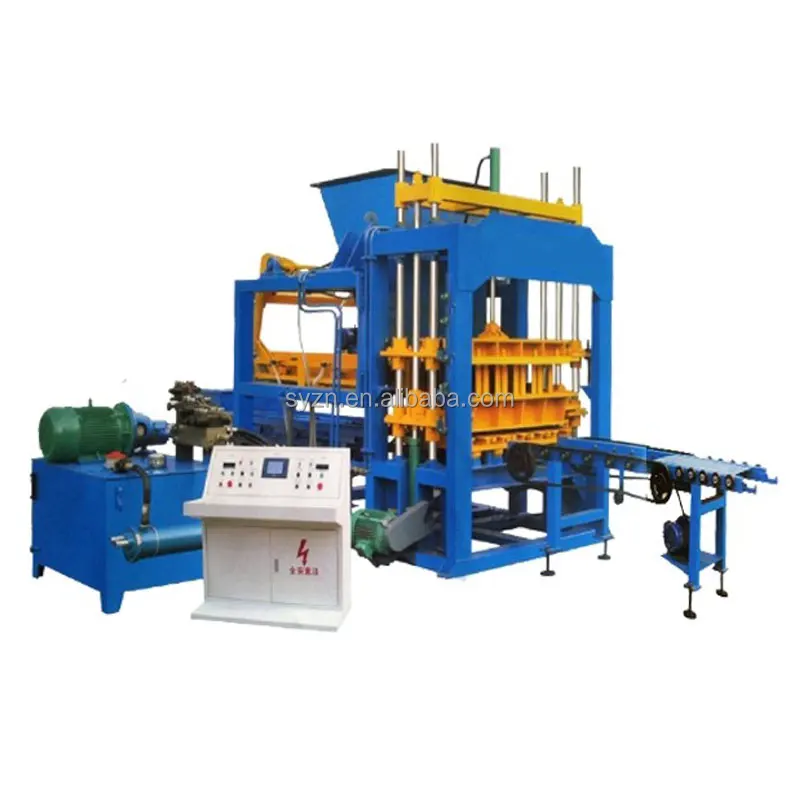
Description
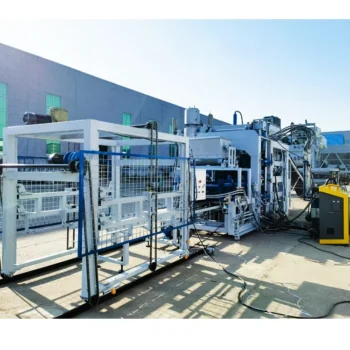
Stocked and ready to dispatch — the QT5-15 stationary block machine ships with format-specific output calculations and container loading plans confirmed before you pay, cutting the gap between order and first production run.
Technical Specifications
| Parameter | Value |
|---|---|
| Model | QT5-15 |
| Product Type | Stationary Hydraulic Block Making Machine |
| Moulding Cycle | 15-20s for hollow blocks, 20-25s for pavers |
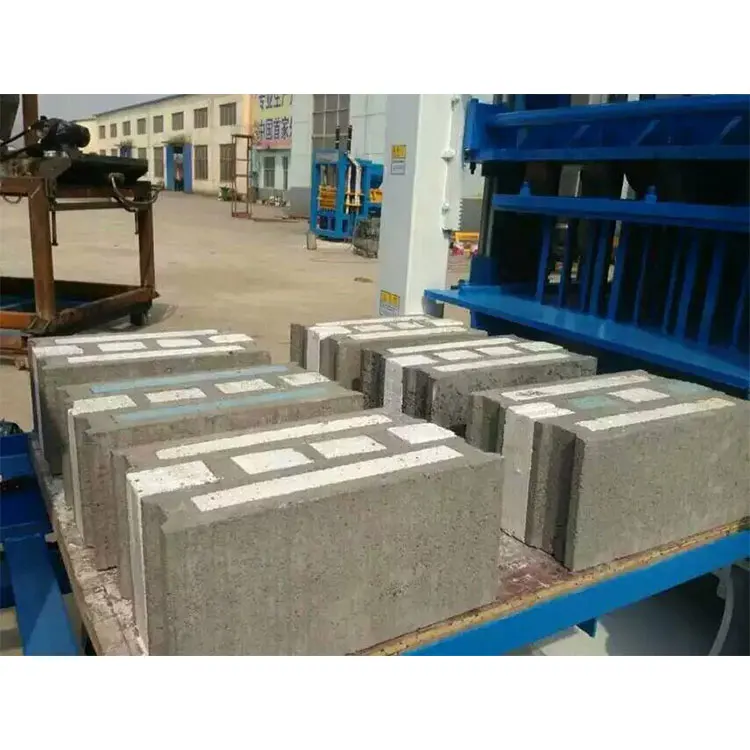
| Output (400x200x200mm Hollow Block) | 900-1200 pcs/h | 7200-9600 pcs/8hr (5 pcs/mould) |
| Output (400x150x200mm Hollow Block) | 1080-1440 pcs/h | 8640-11520 pcs/8hr (6 pcs/mould) |
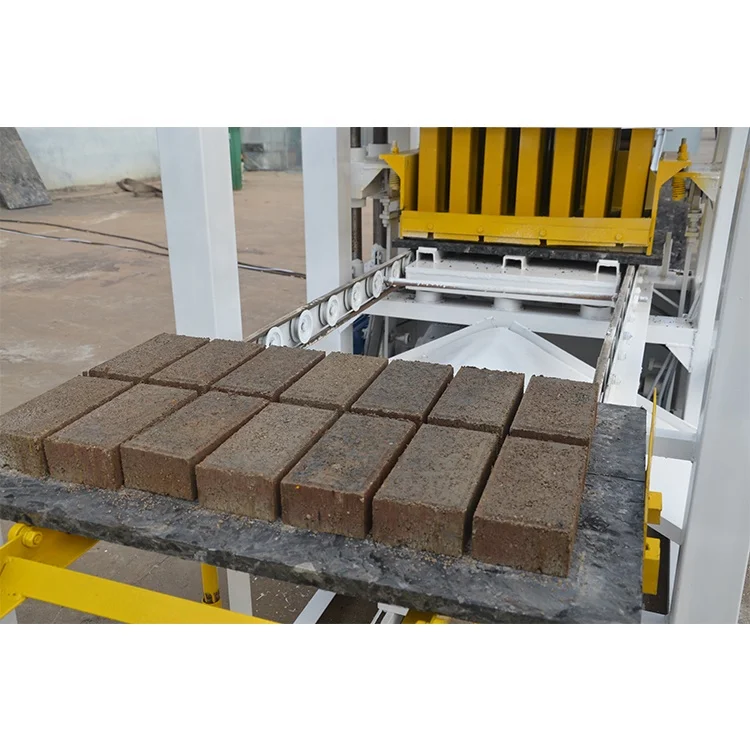
| Output (240x115x53mm Solid Brick) | 5760-7680 pcs/h | 46080-61440 pcs/8hr (32 pcs/mould) |
| Output (200x100x60mm Rectangular Paver) | 3600-4500 pcs/h | 28800-36000 pcs/8hr (25 pcs/mould) |
| Output (225×112.5x60mm Zigzag Paver) | 2304-2880 pcs/h | 18432-23040 pcs/8hr (16 pcs/mould) |
| Control System | PLC with fault diagnosis |
| Vibration System | Synchronization vibration with variable frequency |
| Remote Diagnostics | Long-distance controlling system supported |
| Hydraulic Pressure (MPa) | (basis not stated in source) |
| Vibration Force (kN) | (basis not stated in source) |
| Pallet Size | (basis not stated in source) |
| Voltage & Frequency | Configurable to target market |
| Standards | CE (confirm applicability for target market) |
Application Suitability
| Application | Material or Output |
|---|---|
| Hollow Block Production | Wall construction using crushed stone, sand, and cement |
| Solid Brick Manufacturing | Masonry work from standard aggregate blends |
| Rectangular Paver Production | Roads, walkways, and yards using high-density concrete |
| Zigzag Paver Production | Interlocking pavement layouts for heavy-duty surfaces |
Why "Fast Delivery" Still Leaves You Waiting at the Transformer
Voltage confirmation must happen before production starts, not after the QT5-15 block making machine in stock arrives. I spent three weeks on a dock in Southeast Asia watching a machine sit idle because the local grid ran on a frequency we hadn’t verified. Stocked units mean nothing if the control panel won’t accept the local supply. Dispatch lead time only matters when the electrical configuration matches the site, turning a fast delivery stationary block machine into an immediate producer rather than a crate of expensive iron [NEED_CITE: voltage and frequency standards by export market].
Container Loading and Dispatch Realities
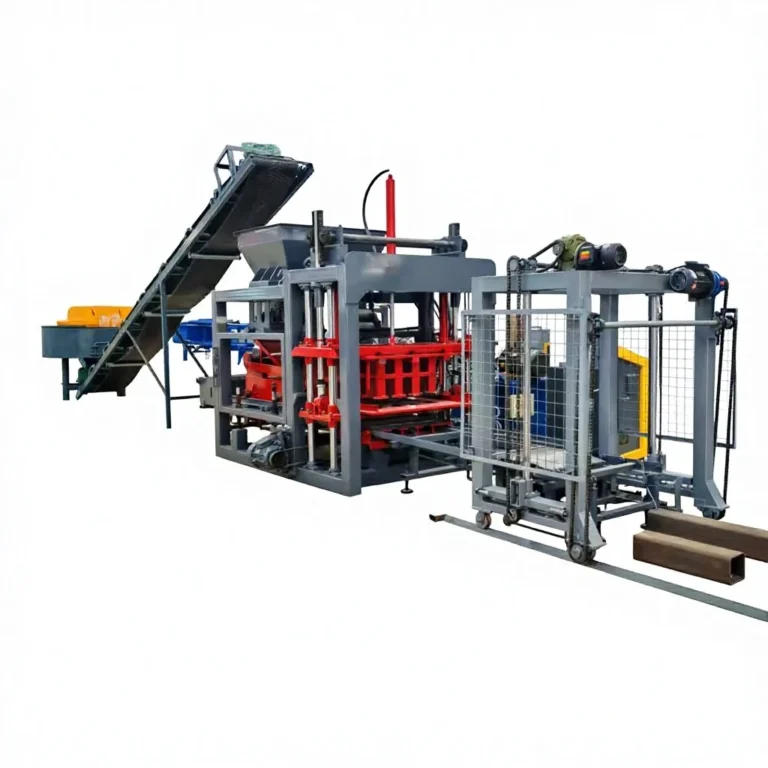
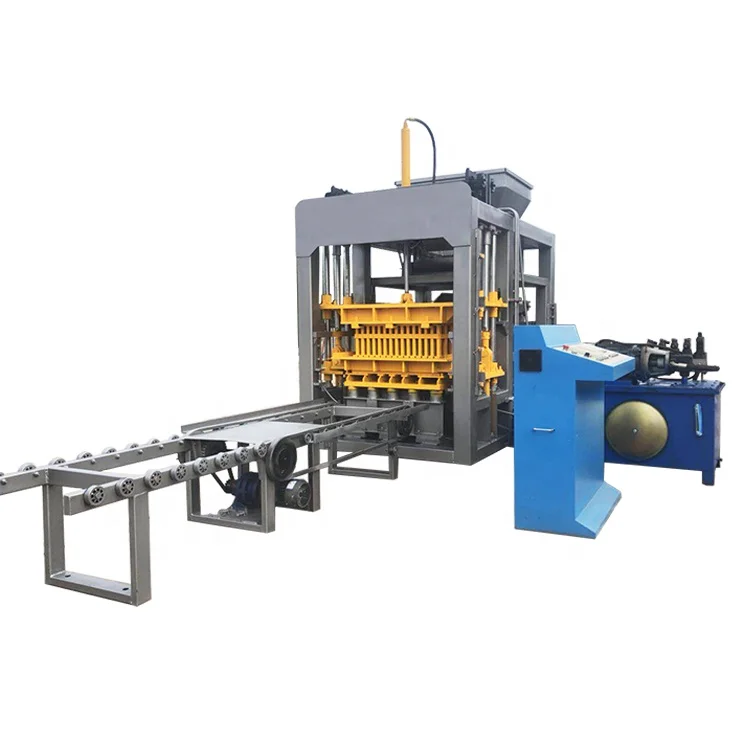
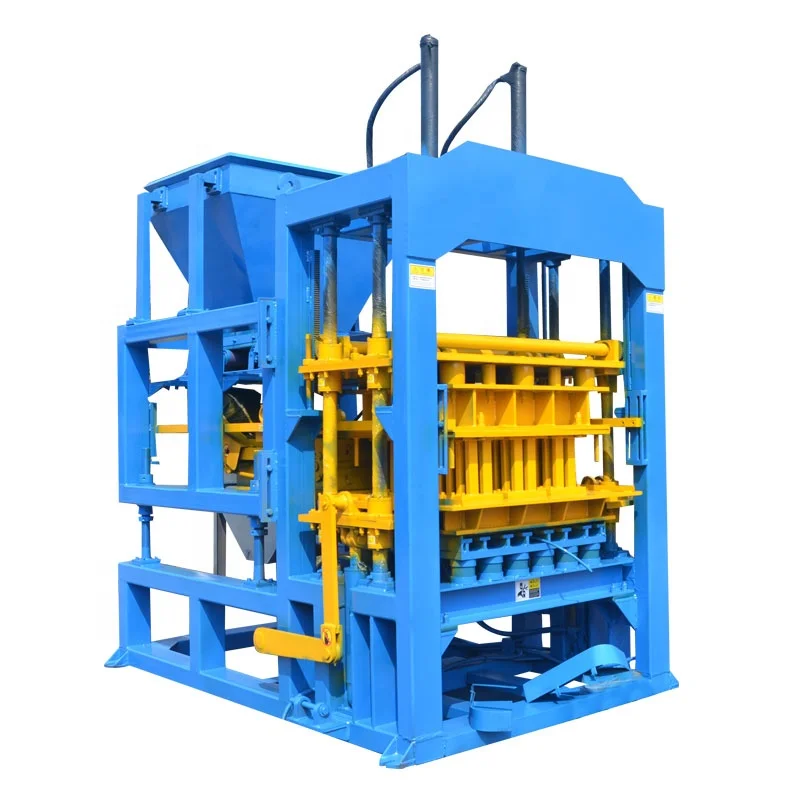
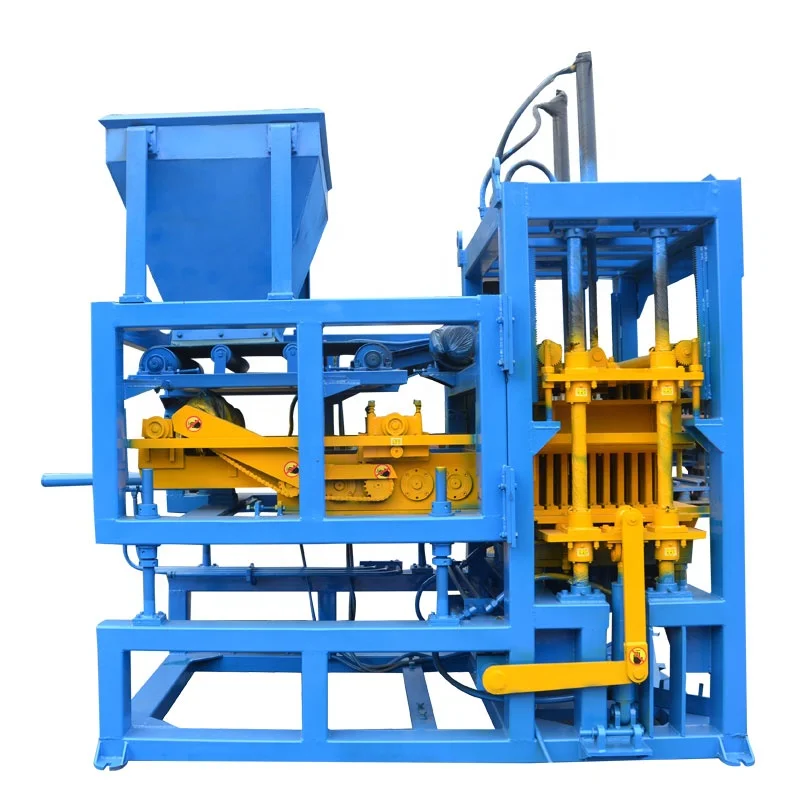
A fast delivery stationary block machine must be broken down specifically for container dimensions, not just thrown onto a flat rack. The QT5-15 block making machine in stock is configured for standard container loading, meaning the hydraulic station, hopper, and stacking mechanisms are unbolted and braced against transit vibration. Buyers often forget that "in stock" refers to the press itself; moulds, pallets, and the mixing station may still carry their own lead times unless specified as a bundled package.
Arrival Estimates Versus Project Deadlines
Construction phases wait for no one. When contractors plan to produce hollow blocks on-site for housing developments, the arrival estimate must align with the foundation curing schedule. We quote the dispatch lead time and the estimated transit window upfront so the site manager knows whether to schedule the crane for next Tuesday or next month. Delays at customs or missed sailings are outside the factory gate, but the paperwork and container loading plan are where we maintain control [NEED_CITE: typical transit and customs clearance delays].
Reading the Specs Beyond the Peak Numbers
Hydraulic pressure and vibration force must work together; high vibration without sufficient hydraulic clamping produces blocks with weak edges that crumble during demoulding. The variable-frequency synchronization vibration on the QT5-15 handles different aggregate densities by running low frequency during feeding and high frequency during compaction. Pallet size is another hidden trap; if the machine is configured for a pallet that doesn’t fit the forklift tines or the curing racks already in the yard, the entire line bottlenecks at the stacking station.
The Cost of Ignoring the Pallet Circuit
Pallet handling, stacking, and curing are often treated as separate purchases, leaving a plant owner to manually drag boards from the press to the yard. If the QT5-15 block making machine in stock is ordered without a matching automatic stacker or pallet return system, the cycle time becomes irrelevant because the operator cannot keep up with the press. The machine spends half its shift waiting for an empty board, and the labour cost of manual handling wipes out the efficiency gains of the hydraulic press [NEED_CITE: manual pallet handling vs automatic return line].
Why Sourcing Here Makes Sense for Stock Orders
We keep the QT5-15 block making machine in stock because we focus on block machinery as a single line of business, meaning the machine, moulds, and pallets are specified as one system. Our dispatch lead time is honest because the capacity calculation sheet names the exact block format and mould cavity count behind every output figure. The electrical configuration is confirmed in writing against the buyer’s local grid before the machine is crated, preventing the dead-on-arrival scenarios that kill project timelines.
Documentation & Verification
- Capacity calculation sheet naming block format and mould cavity count
- Factory test record showing actual cycle times for target format
- Voltage, frequency, and PLC language confirmation document
- Hydraulic and electrical schematic matching the shipped configuration
- Packing photographs showing container loading and bracing
Installation, Commissioning & Support
- Foundation must support the hydraulic station vibration and dynamic load
- Dedicated circuit required matching confirmed voltage and frequency
- Hydraulic hoses and sensor cables reconnected after transit unbolt
- PLC fault diagnosis system calibrated to local language display
- Variable frequency vibration tuned to specific aggregate density
- Operator training covers mould change sequence and safety locks
What We Need to Finalize Your Dispatch
To get this machine moving, we need your target block format, the daily output required for that specific format, and a confirmed electrical specification for your site. Tell us the curing area dimensions and the forklift model you already own so the pallet specification matches your existing handling equipment. Once the voltage and control language are signed off, we can confirm the container loading plan and the exact dispatch date.
Frequently Asked Questions
Q: How is the QT5-15 output capacity calculated?
A: Every output figure is tied to a specific block format and mould cavity count. For example, the hollow block capacity assumes a 400x200x200mm block with 5 cavities per mould and a 15-20s cycle. We provide a capacity calculation sheet so you know the realistic daily output for your product.
Q: What is the dispatch lead time for stocked units?
A: Stocked QT5-15 units are ready for container loading once the electrical and pallet configurations are confirmed. The dispatch lead time includes the time required for factory testing and dismantling for shipment, which is quoted before the order is finalized.
Q: Can the machine arrive in time for my project deadline?
A: Arrival depends on the dispatch lead time, shipping route, and customs clearance. We provide an arrival estimate based on the confirmed sailing schedule, but the machine must be electrically compatible with your site to start production immediately upon arrival.
Q: What voltage configurations are available off the shelf?
A: Standard configurations are available, but specific voltages and frequencies may require a short modification period even on stocked units. We must confirm your local grid specification in writing to ensure the PLC and motors are compatible before dispatch.