Description
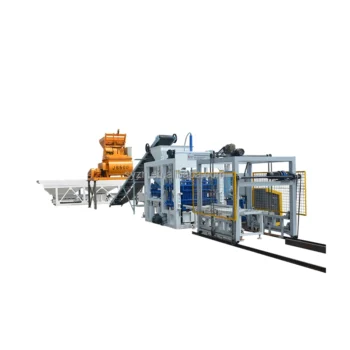
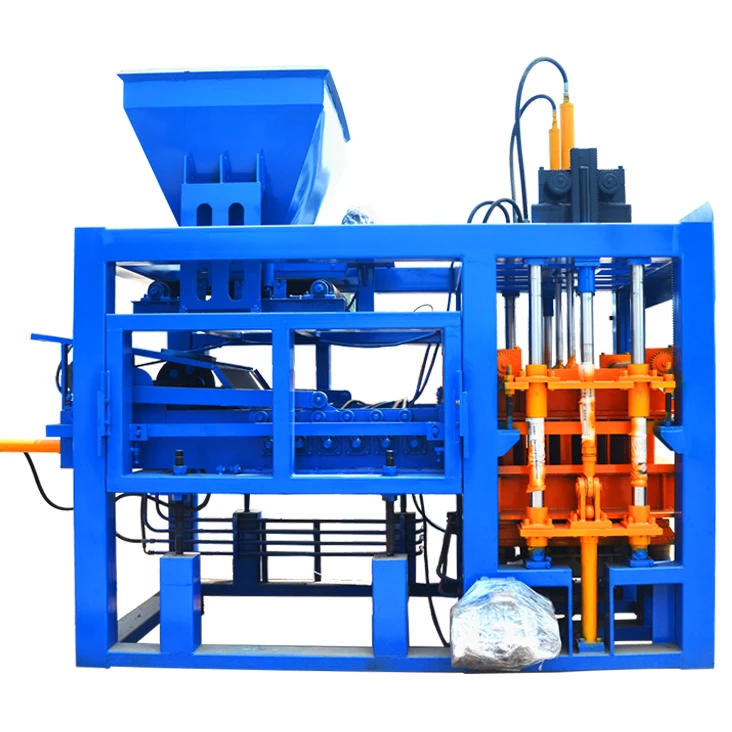
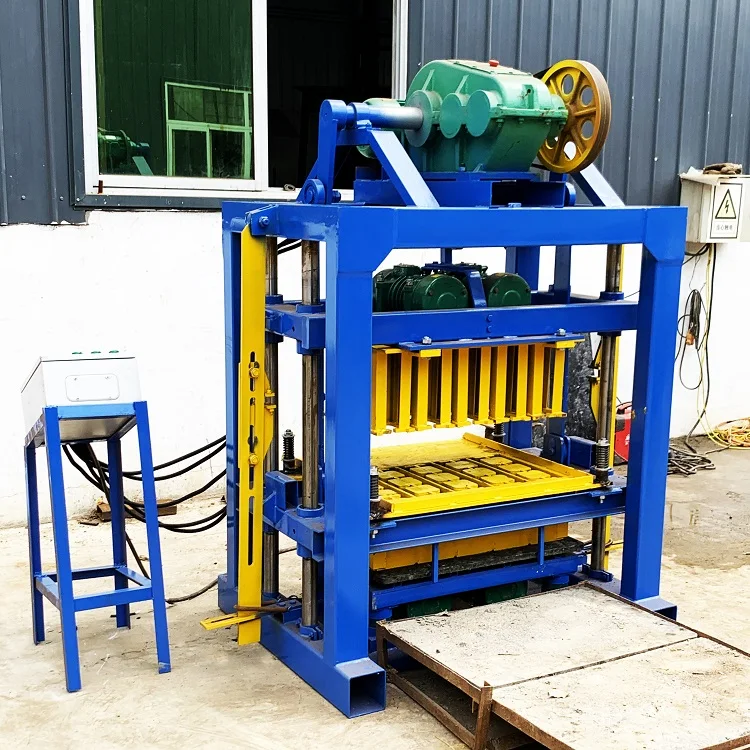
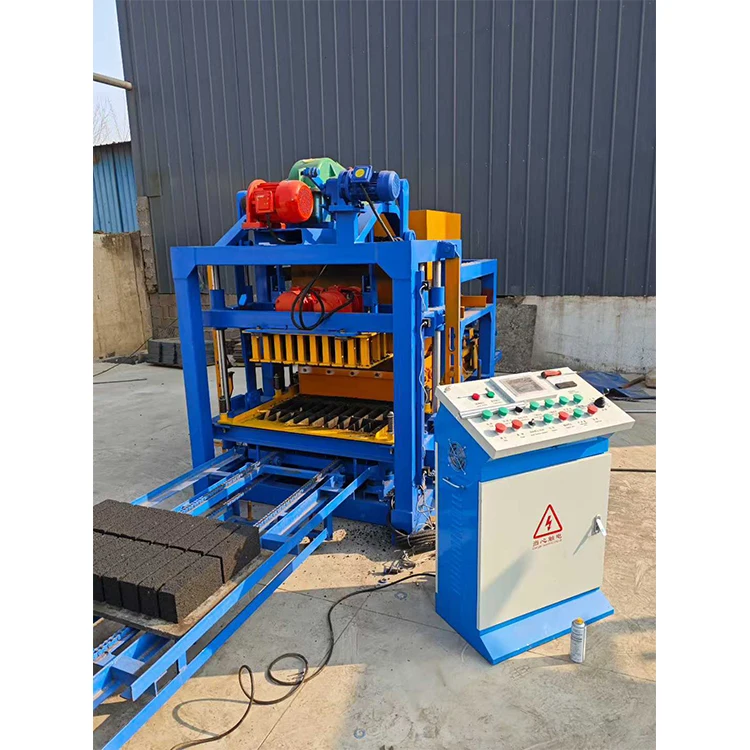
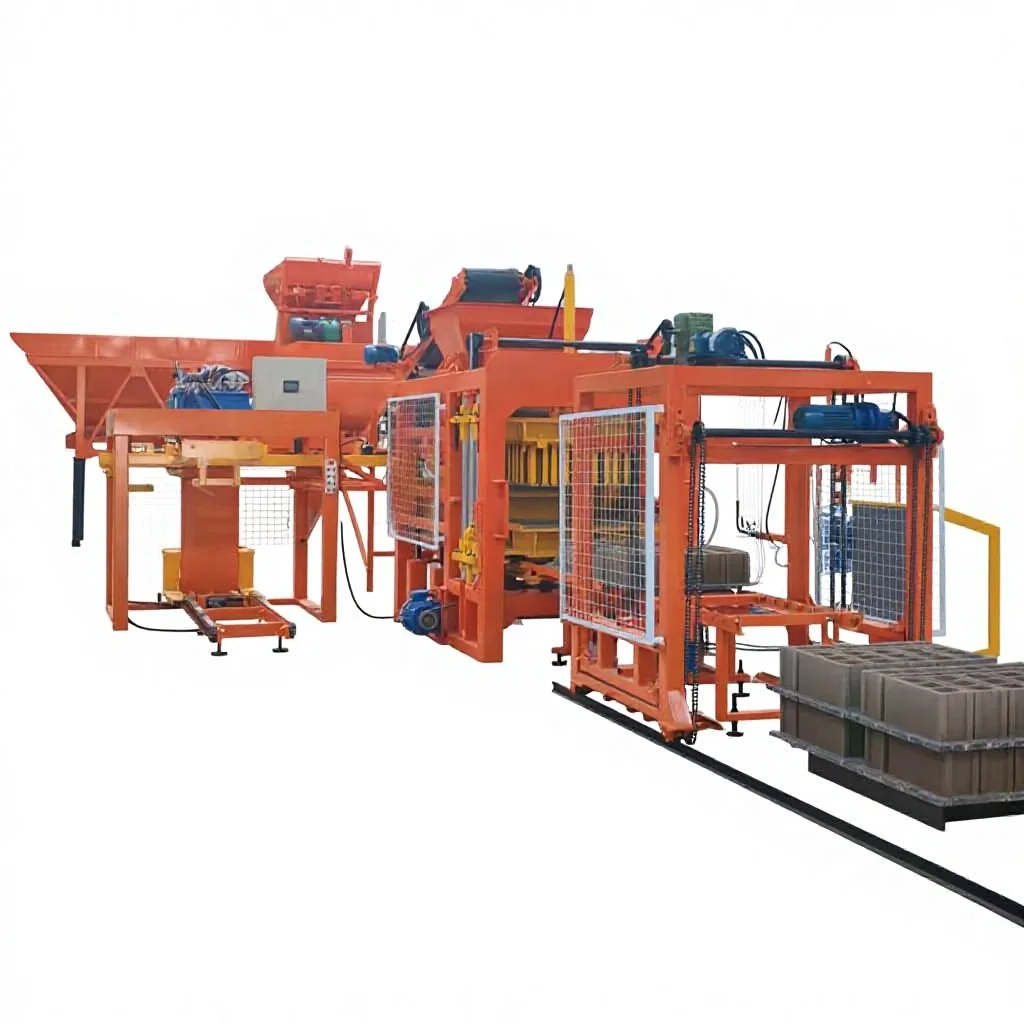
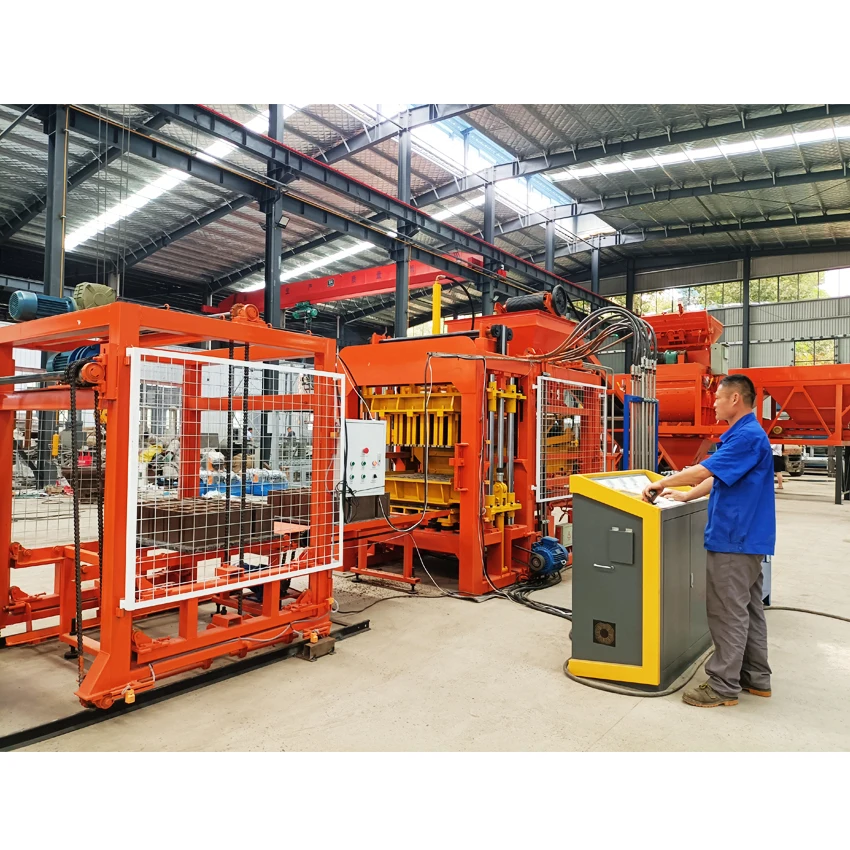
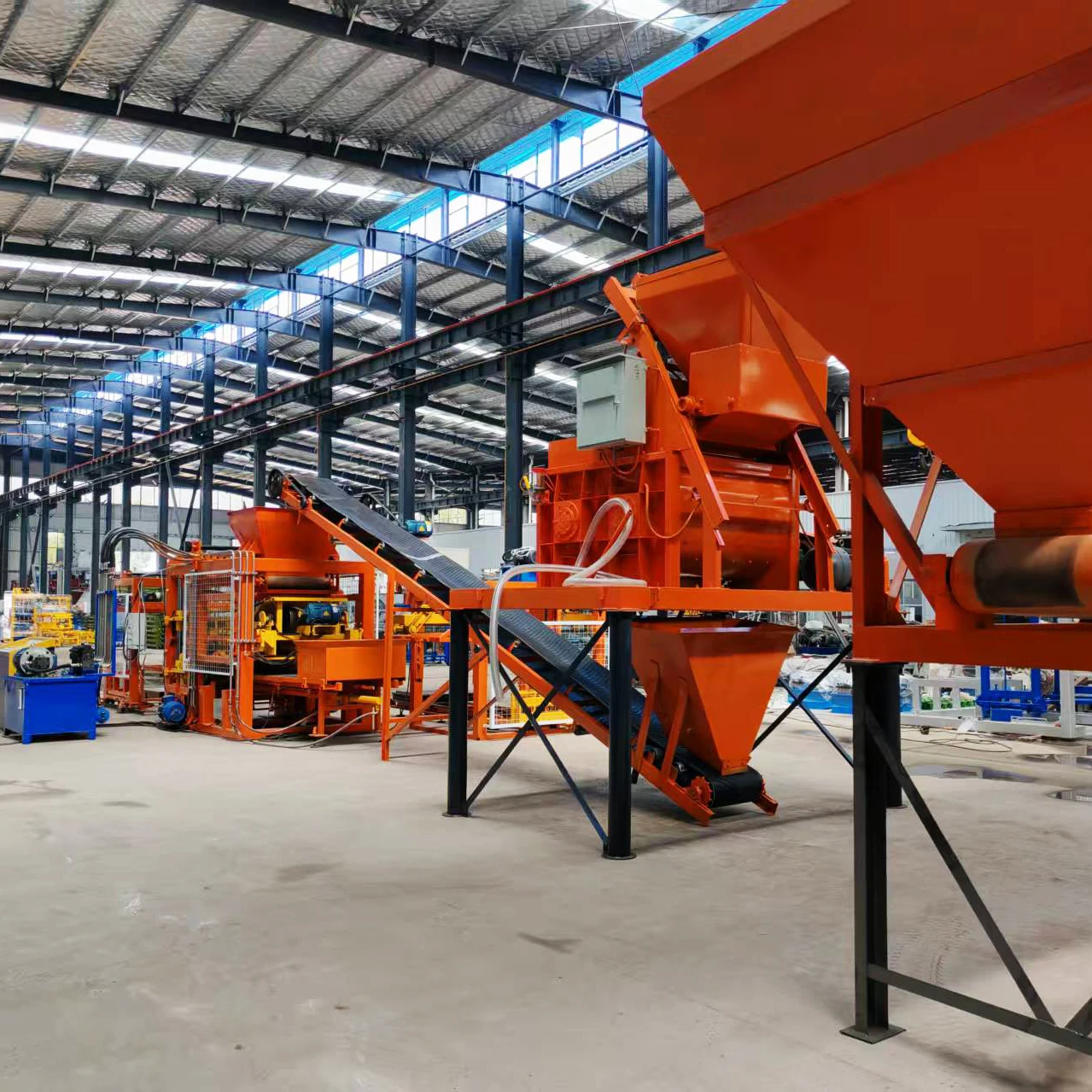
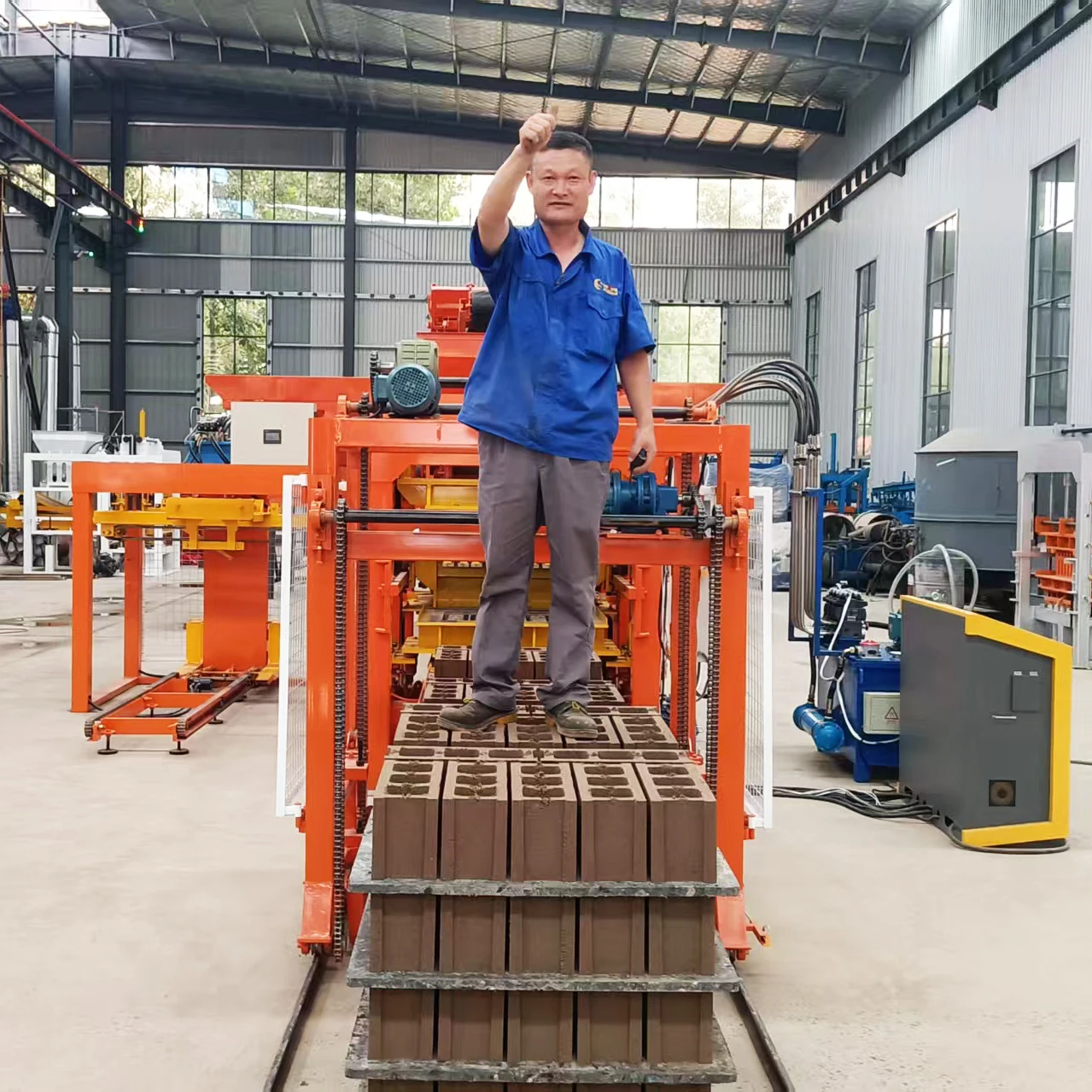
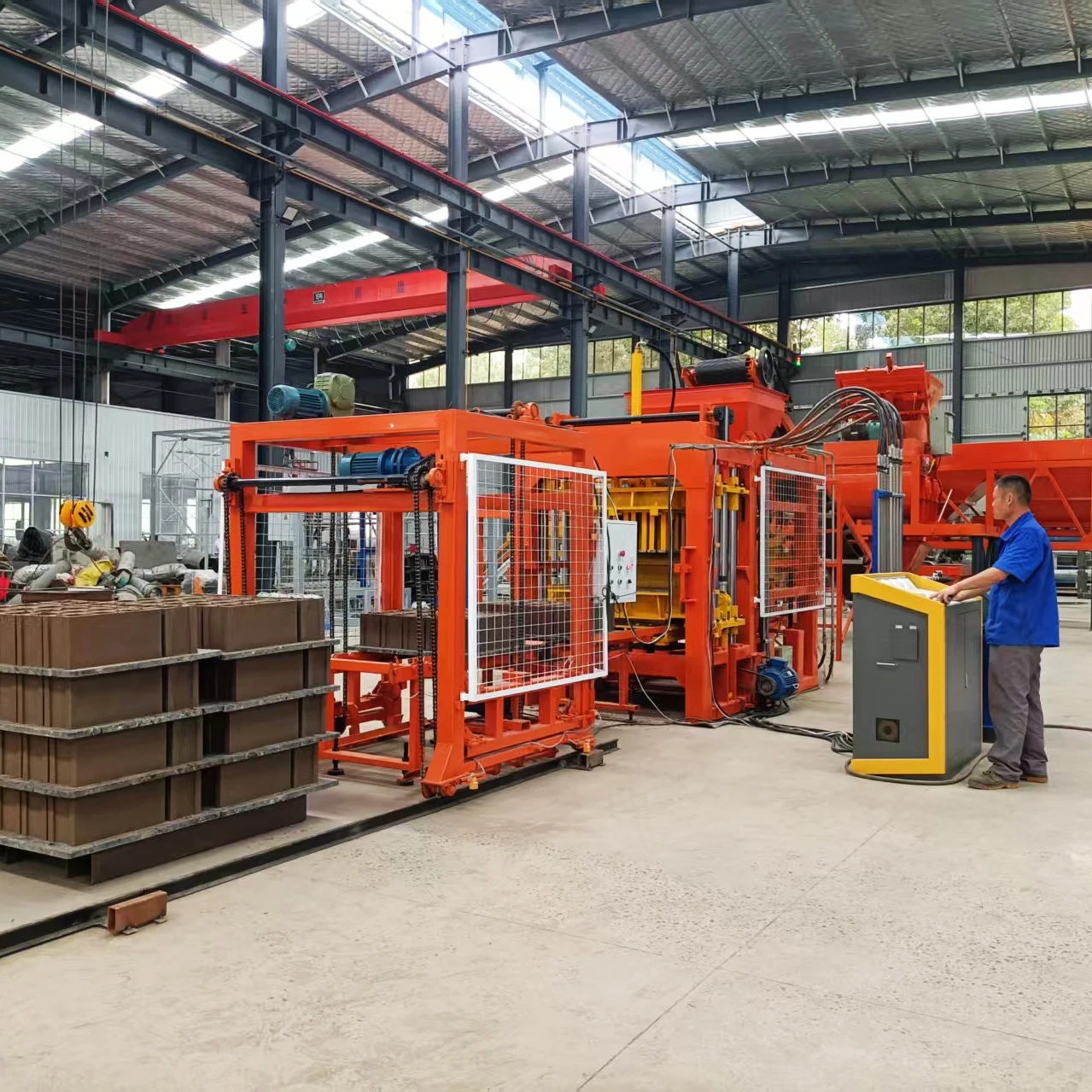
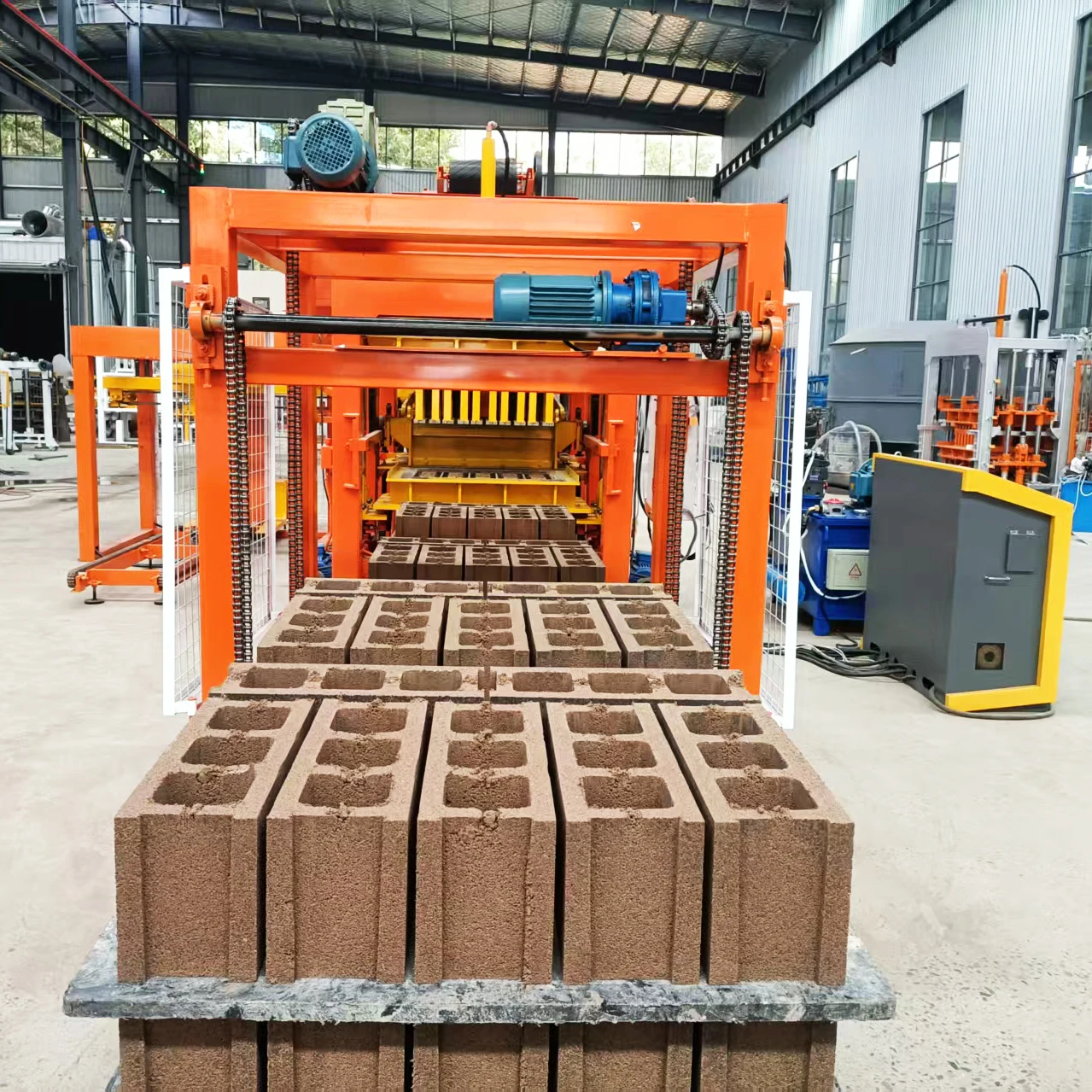
Stocked Hydraulic Block Press — QT6-15 units held in inventory with dispatch timelines confirmed before payment, so project-deadline buyers get arrival estimates upfront rather than after the wire transfer clears.
Technical Specifications
| Parameter | Value |
|---|---|
| Model | QT6-15 |
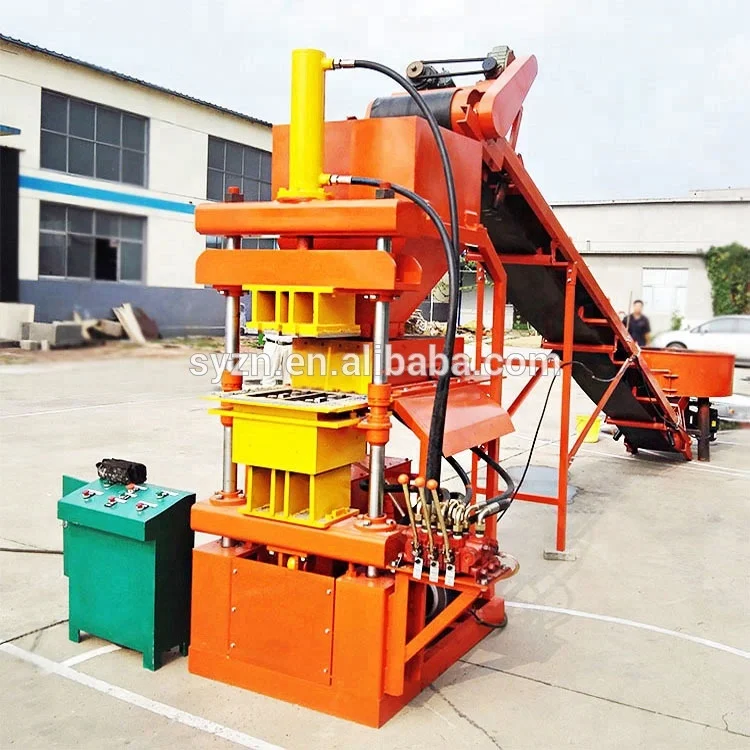
| Product Type | Hydraulic Concrete Block Making Machine |
| Overall Dimensions (L×W×H) | 8200×1700×2950 mm |
| Total Mass | 7 T |
| Overall Power | 37 kW |
| Vibration Form | Platform Vibration |
| Vibration Frequency | 0-60 Hz |
| Vibration Force | 45 kN |
| Moulding Mode | Automatic load, vibration moulding |
| Demolding Method | Hydraulic |
| Molding Cycle | 15-20 s (basis not stated in source — confirm block format / material / thickness) |
| Pallet Size | 880×850 mm |
| Control System | PLC with touch screen HMI |
| Hydraulic System | Independent integrated hydraulic station |
| Factory Area Required | 1200 m² |
| Raw Material Adaptability | Waste ash, slag, various aggregates with reduced cement dosage capability |
| Automation Level | High — PLC controlled, automatic loading, built-in fault diagnosis |
| Compressive Strength of Blocks | >15 MPa (as stated by supplier) |
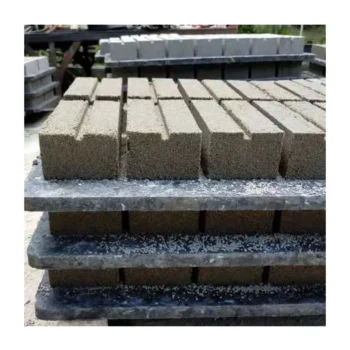
| Output — Hollow Block 400×200×200 mm | 8640-11520 pcs/8hr (based on 6 pcs/mould, 15-20s cycle) |
| Output — Hollow Block 400×150×200 mm | 11520-15360 pcs/8hr (based on 8 pcs/mould, 15-20s cycle) |
| Output — Solid Brick 240×115×53 mm | 46080-61440 pcs/8hr (based on 32 pcs/mould, 15-20s cycle) |
| Output — Rectangular Paver 200×100×60 mm | 17280-23040 pcs/8hr (based on 21 pcs/mould, 20-25s cycle) |
| Output — Zigzag Paver 225×112.5×60 mm | 17280-23040 pcs/8hr (based on 15 pcs/mould, 20-25s cycle) |
| Voltage & Frequency | To be confirmed per destination market |
| PLC Display Language | To be confirmed per buyer requirement |
| Warranty | 1 year for whole machine (excluding spare parts) |
Application Suitability
| Application | Material or Output |
|---|---|
| Hollow block production for housing projects | Crushed stone, cement, and waste ash blends |
| Solid brick manufacturing for masonry walls | Sand, fly ash, and cement mixes |
| Rectangular paving brick production | Aggregate-cement blends for walkways and yards |
| Zigzag interlocking paver manufacturing | High-density aggregate mixes for driveways and roads |
| On-site block production for construction contractors | Locally sourced aggregates with reduced cement ratios |
Why the Voltage Question Must Come Before the Container Booking
Every QT6-15 block machine in stock still leaves the factory with the voltage and frequency set to your confirmed destination standard — not a default.
I have watched container ships depart on schedule only for the machine to sit idle on a job site for weeks because the local grid runs 415V/50Hz and the motor was wound for 380V/60Hz. The QT6-15 draws 37 kW total, which means swapping a transformer or rewinding motors on arrival is neither cheap nor fast. Electrical mismatch remains one of the most common causes of commissioning delay across exported concrete equipment [NEED_CITE: voltage and frequency standards by export market]. Confirming these parameters before production — and documenting them on the nameplate — costs nothing when done early and costs weeks when done late.
Dispatch Timeline You Can Plan Around
When a buyer needs a QT6-15 block machine in stock for a project with a hard deadline, the first question is always how fast it can leave the factory floor. Standard configurations ship from inventory, meaning the lead time covers only the pre-shipment checklist: electrical parameter verification, hydraulic line pressure test, and container loading plan confirmation. Units that require a custom PLC language or a non-standard voltage winding move into a production queue with a stated completion date before the order is confirmed.
Container Loading and Dismantling for Shipment
The QT6-15 measures 8200×1700×2950 mm and weighs 7 tonnes, which means it ships dismantled to fit standard container dimensions. The hydraulic station, PLC panel, and mould assemblies are packed separately and secured against transit vibration. Buyers receive packing photographs showing exactly how each component is positioned inside the container, so the on-site reassembly crew knows what to expect before the doors open [NEED_CITE: container loading standards for heavy industrial machinery].
What the Specification Sheet Actually Tells You About Daily Output
The vibration force of 45 kN combined with platform vibration means the QT6-15 compacts concrete from below the pallet, which is effective for the 880×850 mm pallet area. The independent integrated hydraulic station sits apart from the main frame, isolating valves and seals from the constant vibration that degrades hydraulic components on machines where the pump is bolted directly to the press. This separation matters on a block plant running multiple shifts — hydraulic downtime on the press stops the entire line. The PLC touch screen with fault diagnosis shortens troubleshooting during commissioning because operators can trace faults to specific sensors or solenoids rather than swapping components at random. Moulding cycle times range from 15 to 25 seconds depending on format and material, which is why every output figure in the table above is tied to a specific block size and piece count per mould [NEED_CITE: relationship between vibration force and block compressive strength in hydraulic presses].
The Cost of Skipping Pallet and Curing Area Checks Before Ordering
A pallet size of 880×850 mm only works if the buyer’s existing curing racks and forklifts are built around that dimension. I have seen plants take delivery of a new press only to discover their curing racks were built for a 900×700 mm pallet from the previous machine — meaning every pallet must be manually transferred to different racks before curing can begin. The pallet material specification also matters; bamboo, PVC, and steel pallets each behave differently under vibration and moisture exposure during curing. When the pallet and curing layout are not verified against the buyer’s actual site conditions before the order is placed, the machine arrives ready to produce but the downstream handling cannot keep pace.
Why Buyers Working to Deadlines Source Here
Block machinery is the sole product focus, so the QT6-15 arrives as a matched system — press, moulds, pallets, and handling equipment specified together rather than assembled from separate suppliers. Stocked models and standard moulds are available for immediate dispatch, which matters when a contractor’s project timeline does not allow for extended production queues. Every quotation includes a stated lead time from order to container departure, and arrival estimates for the destination port are provided before payment so the buyer can coordinate site preparation. Factory test records and packing photographs are supplied before shipment, giving the buyer visual confirmation of machine condition and loading plan. The documentation package covers customs paperwork and hydraulic-electrical schematics, reducing clearance delays at the destination port.
Documentation & Verification
- Factory test record run on your target block format before dispatch
- Hydraulic and electrical schematic matching your confirmed voltage and frequency
- Packing photographs showing component placement inside the container
- Customs documentation package prepared for your destination country requirements
- CE declaration included where applicable to your import market
Installation, Commissioning & Support
- 1200 m² factory area required; foundation must support 7-tonne static load plus vibration
- 37 kW total power draw requires a dedicated circuit matching confirmed voltage and frequency
- Dismantled for shipment; on-site reassembly follows the included hydraulic-electrical schematic
- PLC touch screen fault diagnosis system used during commissioning for sensor-level troubleshooting
- Operator training covers mould change procedure and PLC parameter adjustment for different formats
- Wear parts list and mould inventory documented for first replacement planning
Before You Send an Inquiry
To get a meaningful dispatch date, share the block format you plan to produce, the daily output you need to hit, and the voltage and frequency standard at your job site. If you already have curing racks or forklifts in place, send the pallet dimensions they accept so the 880×850 mm pallet compatibility can be verified before the order is placed.
Frequently Asked Questions
Q: Which QT6-15 models and standard moulds are currently in stock and ready to ship?
A: Standard QT6-15 configurations with common hollow block and solid brick moulds are held in stock for buyers who need fast dispatch. Custom mould formats or non-standard voltage requirements move into a production queue with a confirmed completion date provided before the order is finalized. Contact the sales team with your target format for current availability.
Q: What is the dispatch lead time from order confirmation to container loading?
A: Stocked QT6-15 units with standard electrical configurations can be prepared for container loading within a short window that covers the pre-shipment test, packing, and documentation. Units requiring custom voltage winding or a non-default PLC language follow a stated production timeline confirmed at the quotation stage.
Q: How is the machine dismantled for container shipment and what container type is required?
A: The QT6-15 is dismantled into the main frame, hydraulic station, PLC panel, and mould assemblies for container loading. Component dimensions and total weight determine whether a standard or high-cube container is used. Packing photographs are provided before departure so the receiving team knows the loading layout.
Q: Can I get an arrival estimate for my destination port before placing the order?
A: Yes. Once the container loading date is confirmed, an estimated transit time to your destination port is provided so you can plan site preparation, crane hire, and the commissioning crew schedule around a known arrival window.
Q: What documentation ships with the machine?
A: The QT6-15 ships with a factory test record, hydraulic and electrical schematics, packing photographs, operation and maintenance manual, wear parts list, and customs documentation support. CE declaration is included where applicable to the buyer’s import market requirements.