Description
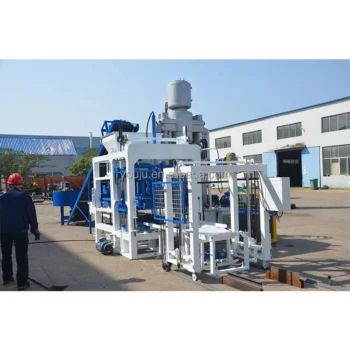
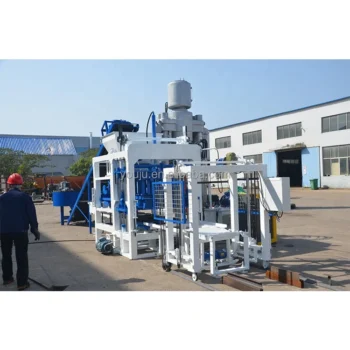
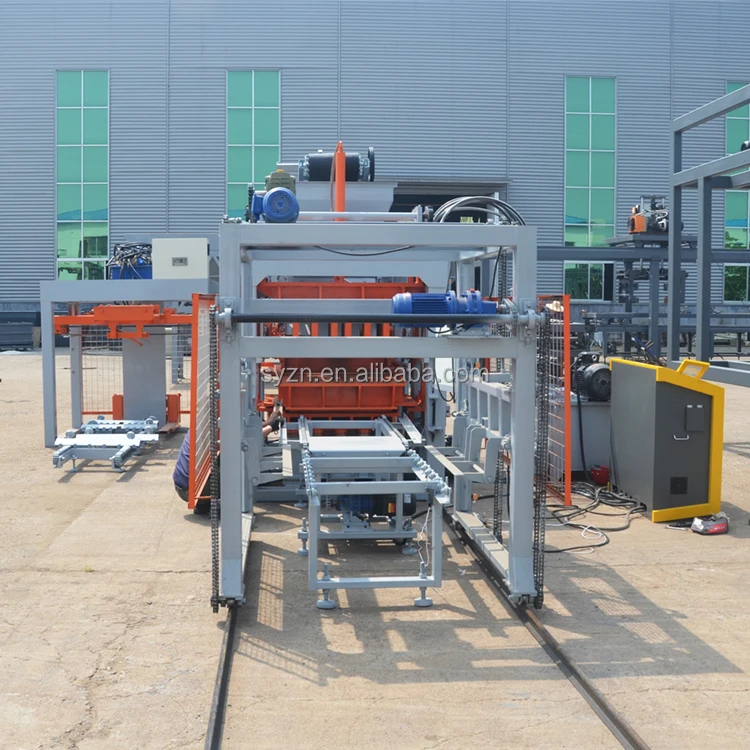
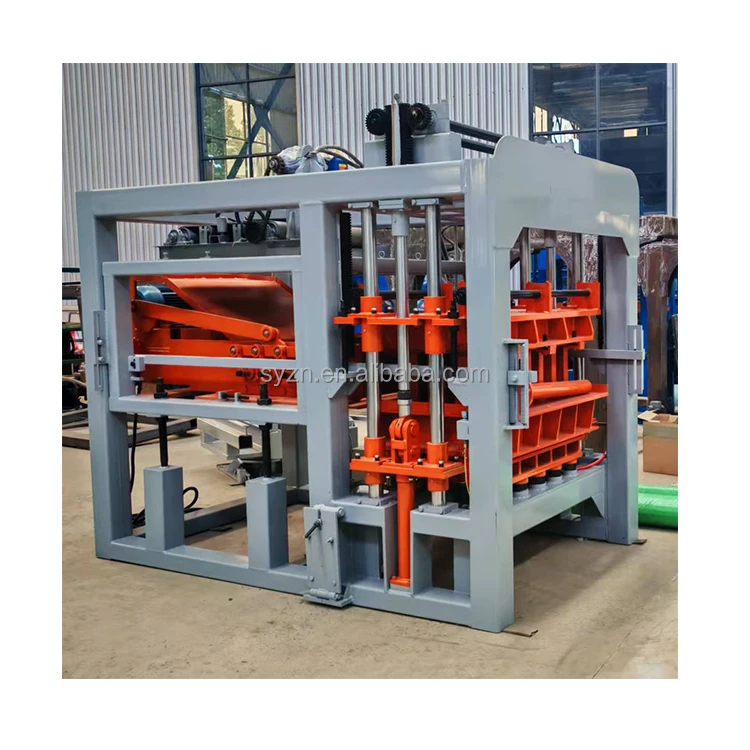
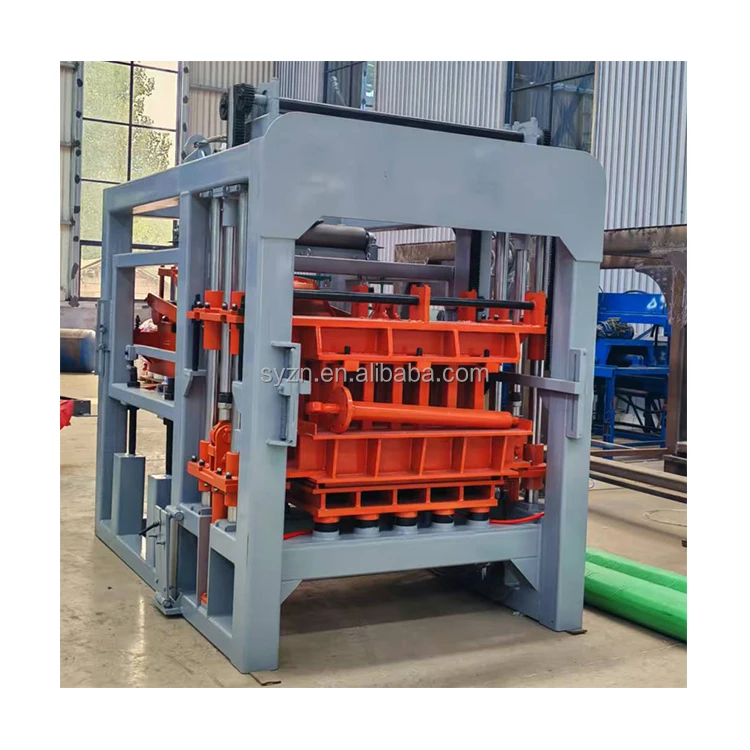
Stocked and ready to ship — The QT6-15 automatic block machine is kept in inventory as a complete production line, not just a bare press, so container loading can be scheduled in days rather than weeks.
Technical Specifications
| Parameter | Value |
|---|---|
| Model | QT6-15 |
| Product Type | Automatic Concrete Block Making Machine |
| Automation Level | Fully automatic, unattended operation |
| Control System | PLC controller |
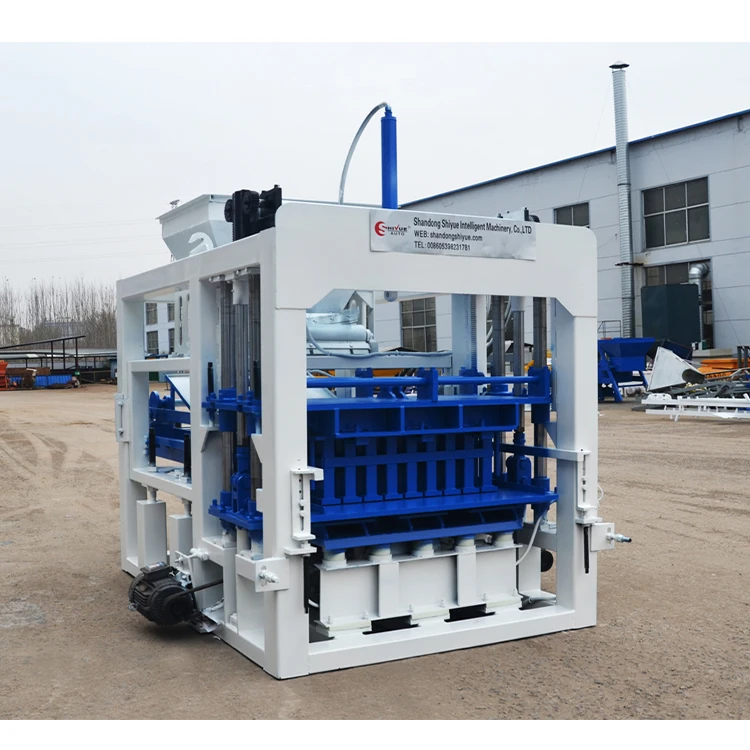
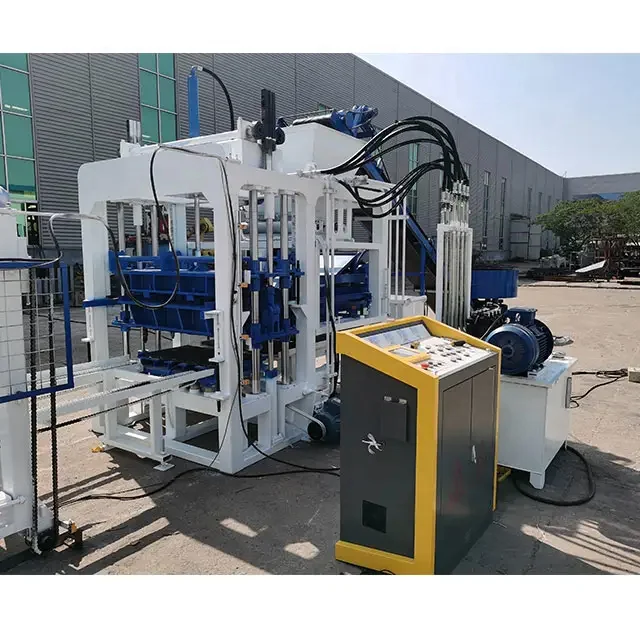
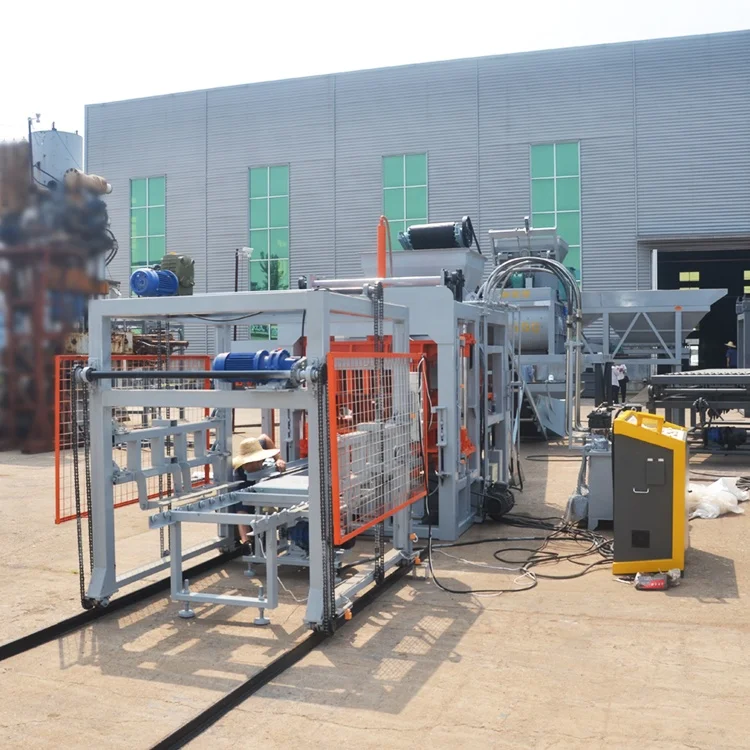
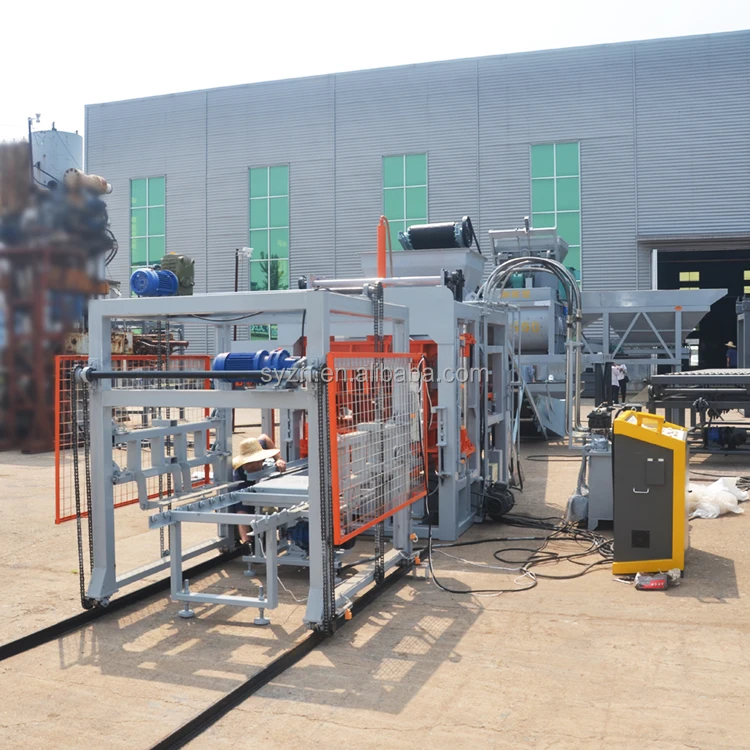
| Line Composition | Batching machine, mixer, cement silo, conveyor, block forming machine, stacker |
| Output Capacity | High output (basis to be confirmed per block format) |
| Operation Mode | Man-machine combination with unattended production cycles |
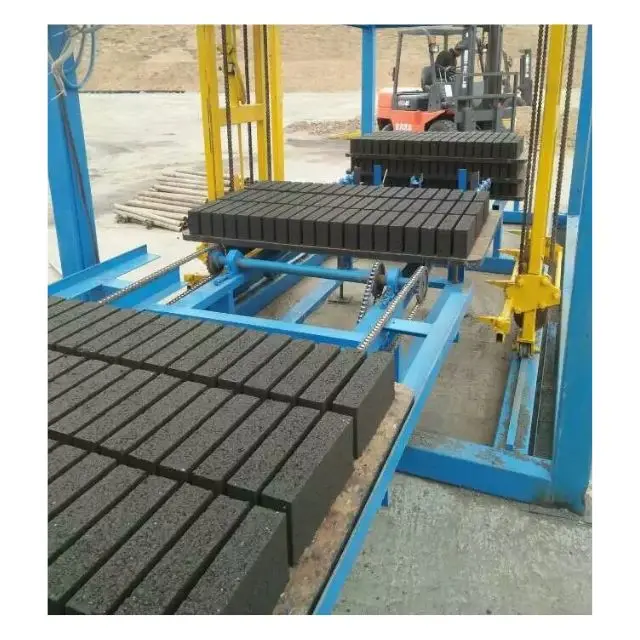
| Material Handling | Forklift truck transport for blocks and empty plates |
| Maintenance Requirement | Simple pallet handling maintenance |
| Investment Profile | Lower capital entry for fully automatic line configuration |
Application Suitability
| Application | Material or Output |
|---|---|
| Paving block production | Crushed stone, cement, and fine aggregate mixes for interlocking and standard paving formats |
| Hollow block manufacturing | Cement, sand, and aggregate blends for structural and partition hollow blocks |
| On-site construction block making | Local aggregate and cement for contractors producing directly at the project location |
| Plant capacity expansion | Existing concrete product manufacturers adding hollow or paving block formats to their range |
Why "High Output" Means Nothing Without the Block Format
A cycle rate only translates to real daily volume when the block dimensions, mix design, and curing schedule are factored in together.
When I was handling procurement for a project in the Middle East, a supplier quoted an impressive hourly cycle figure for a fully automatic line. What they did not mention was that the number assumed a small solid block. Once we switched the mould to the hollow block the project actually needed, the effective daily drop was significant. The QT6-15 automatic block machine in stock must always be evaluated against the specific format you intend to run [NEED_CITE: block format impact on cycle time and daily output calculations]. Without that context, a capacity number is just a marketing line, not a planning tool.
Dispatch Timing That Matches Your Project Schedule
The primary reason buyers search for a QT6-15 automatic block machine in stock is that their timeline does not allow for a standard production lead. When a housing development is already breaking ground or a contractor has committed to a block supply schedule, waiting two months for a built-to-order press is not an option. Stocked units have completed factory assembly and testing, meaning the gap between order confirmation and container loading is measured in days. This removes the largest variable from your project critical path.
How the Complete Line Ships Together
A stocked QT6-15 is not just the forming press sitting in a warehouse. The batching machine, mixer, cement silo, conveyor, and stacker are matched and held as a set. This matters because a press that arrives two weeks before its stacker or batching system is just an expensive floor ornament. The container loading plan is confirmed at the order stage, with the dismantling sequence designed so that the heaviest and most complex assemblies arrive in a logical installation order [NEED_CITE: container loading and machine dismantling for heavy industrial equipment shipment].
Reading the Specs That Actually Matter on Site
The PLC controller enables unattended production cycles, but what that means in practice depends on how the batching accuracy and mould change sequences are programmed for your specific block format. The man-machine combination mode allows operators to intervene during mould changes or material transitions without shutting down the entire line. Forklift-compatible pallet handling is specified because the machine assumes you will move cured blocks and return empty plates using standard site equipment — not a dedicated conveyor loop. The simple maintenance requirement on pallet handling reduces the chance that a minor mechanical issue stops the whole press from cycling.
What Happens When the Voltage Is an Afterthought
I once saw a fully automatic line sit idle for over ten days at a Gulf project site because the PLC display language and the control voltage were never confirmed before shipment. The electrician on site could not navigate the menus, and the frequency mismatch meant the vibration cycle was running at the wrong interval. The QT6-15 automatic block machine in stock avoids part of this problem because electrical specifications are locked before dispatch, but the destination voltage and frequency still need to be stated at order [NEED_CITE: voltage and frequency standards by export market]. Assuming the factory default will match your site supply is a gamble that costs days of commissioning time.
Why a Stocked Purchase Still Needs Configuration Lock
Ordering from inventory does not mean skipping the technical conversation. The mix design your local aggregate supports, the mould format your market actually buys, and the pallet size that fits your existing curing racks all need to be confirmed even when the machine is built. A stocked QT6-15 can ship fast, but if it arrives with moulds for a block format your distributors do not stock, the speed advantage disappears. The configuration check takes a fraction of the production lead time and prevents a much longer delay on site.
Documentation You Receive Before the Container Sails
- Factory test record run on the specific block format included in your order
- Machine specification sheet confirming PLC language and electrical rating
- Container loading plan with dismantling sequence and weight distribution
- Mould drawing and format list matching the stocked mould set
- Packing photographs taken after loading, shared before vessel departure
Installation, Commissioning & Support
- Foundation layout provided for the complete line footprint including silo and stacker clearance
- Electrical connection schedule listing dedicated circuit requirements for the PLC and vibration motors
- Dismantling state documented so on-site reassembly follows a defined sequence
- Commissioning includes first-run parameter tuning on your confirmed mix and block format
- Operator training covers PLC navigation, mould change procedure, and pallet maintenance intervals
- Wear parts list specific to the stocked configuration with reorder part numbers
What to Include in Your Inquiry
Send the block format you intend to produce, your target daily output, and the destination port. Include your site voltage and frequency so the electrical configuration can be verified against the stocked unit before it leaves. If you have existing pallets or curing racks, share the dimensions so compatibility can be confirmed at the quotation stage.
Frequently Asked Questions
Q: Which QT6-15 configurations are currently in stock?
A: Stocked units include the complete line with batching machine, mixer, cement silo, conveyor, forming press, and stacker. Standard mould sets for common hollow and paving block formats are typically available. Specific mould inventory and automation level are confirmed at inquiry based on current warehouse status and your required block format.
Q: What is the dispatch lead time from order to container loading?
A: Dispatch from stock is measured in days rather than production weeks. Once the configuration is verified against your voltage, frequency, and block format requirements, the container loading plan is prepared and scheduled. Exact timing depends on current stock status and port booking availability at the time of order confirmation.
Q: How is the machine dismantled and packed for shipment?
A: The line is broken down into major assemblies — press, stacker, batching unit, mixer, and silo — in a sequence that supports logical on-site reassembly. Each component is secured for ocean transit with weight distribution planned for the container. Packing photographs are shared with the buyer before the container is sealed and dispatched.
Q: What arrival timeline can I expect at my destination port?
A: The arrival estimate is quoted at the order stage based on current shipping schedules to your specific port. This includes the dispatch window from our warehouse plus the estimated ocean transit time. The estimate is provided before payment is finalized so you can plan site preparation and installation crew scheduling accordingly.
Q: Are standard moulds and pallets included in stocked units?
A: Stocked QT6-15 units are offered with the mould set that was used during factory testing. Standard moulds for hollow and paving blocks are typically included. Pallet specifications are confirmed during the inquiry to ensure they match your curing area dimensions and the forklift equipment already available at your site.