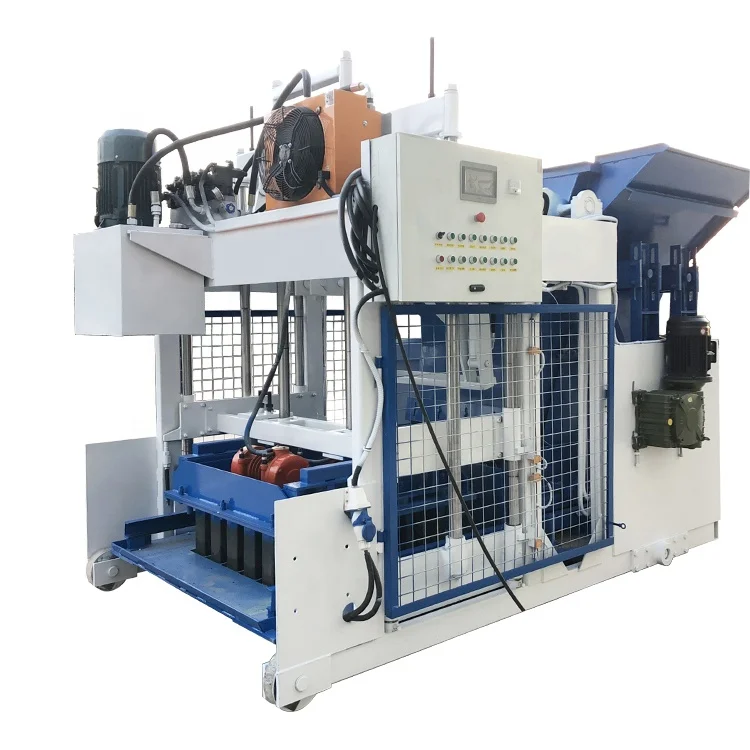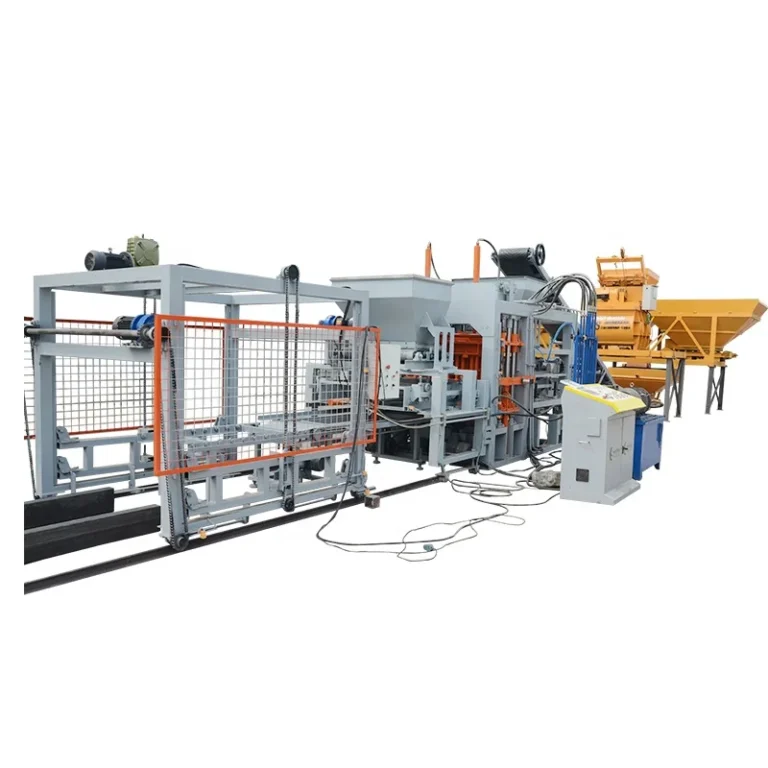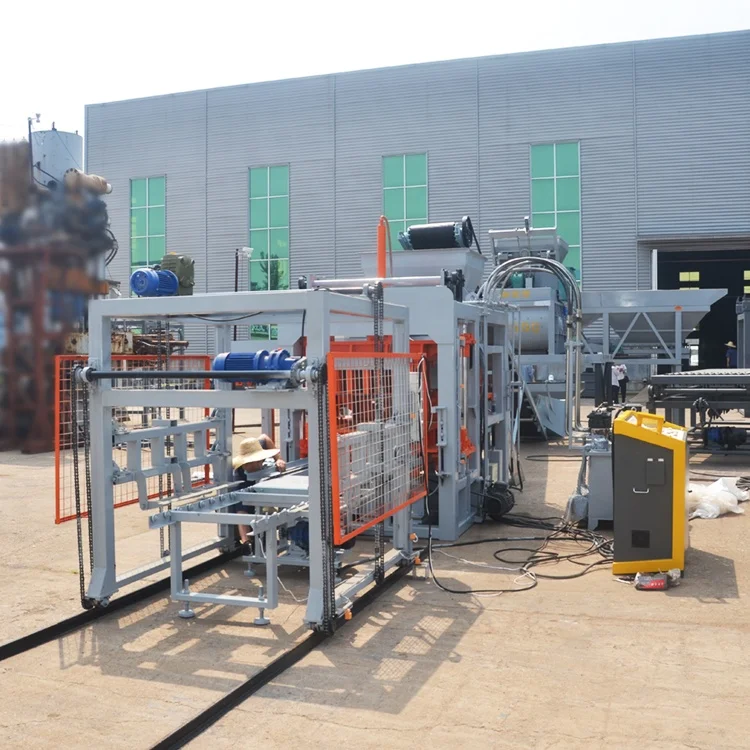
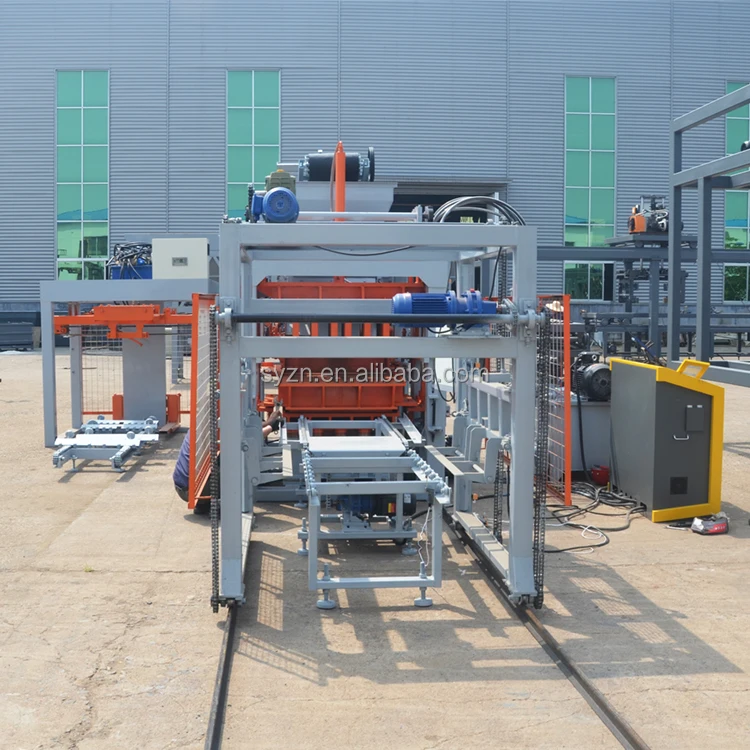

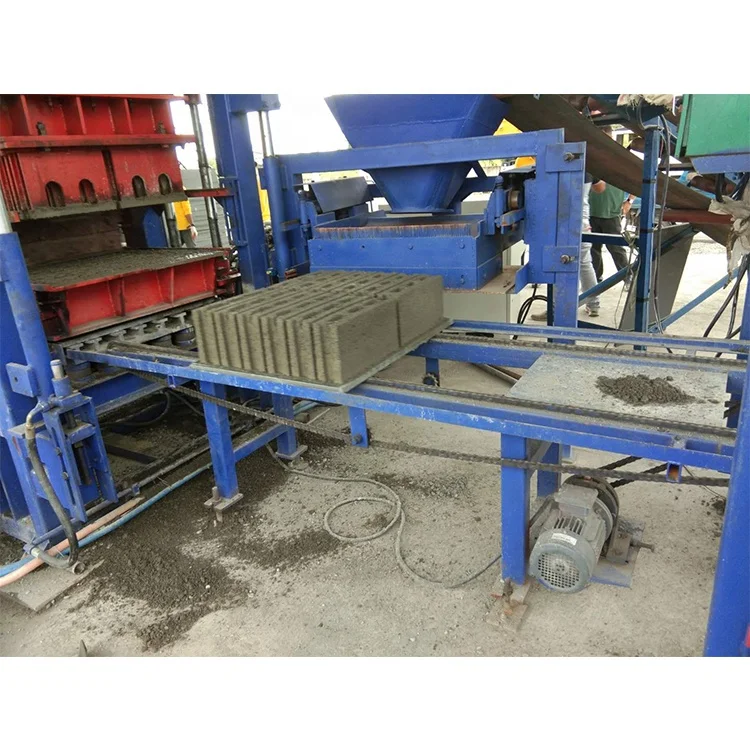

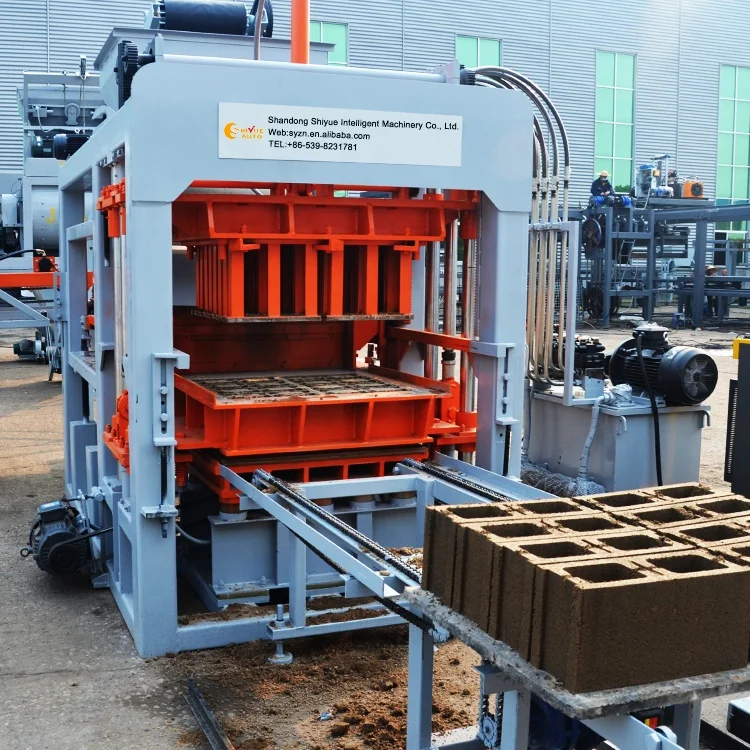
Description
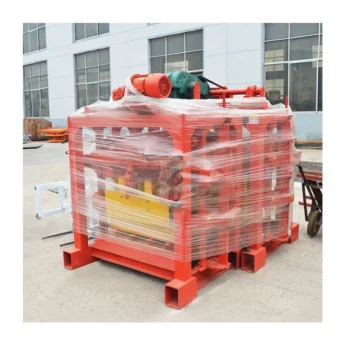
Rapid Dispatch Readiness — QT6-15 units are factory-assembled, tested, and dismantled for container loading with lead times quoted before payment so your project schedule holds.
Technical Specifications
| Parameter | Value |
|---|---|
| Model | QT6-15 |
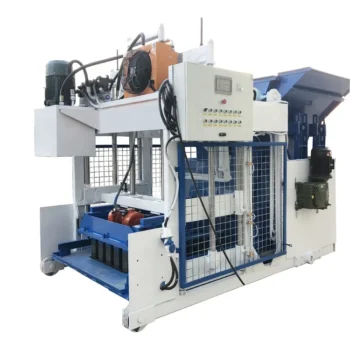
| Product Type | Hydraulic Concrete Block Making Machine |
| Overall Dimensions (L×W×H) | 8200×1700×2950 mm |
| Total Mass | 7 T |
| Overall Power | 37 kW |
| Vibration Force | 45 kN |
| Vibration Frequency | 0-60 Hz |
| Vibration Form | Platform Vibration |
| Moulding Mode | Load automatically, vibration moulding |
| Demolding Method | Hydraulic |
| Pallet Size | 880×850 mm |
| Molding Cycle | 15-20 s |
| Control System | PLC (Programmable Controller) with touch screen |
| Factory Area Required | 1200 m² |
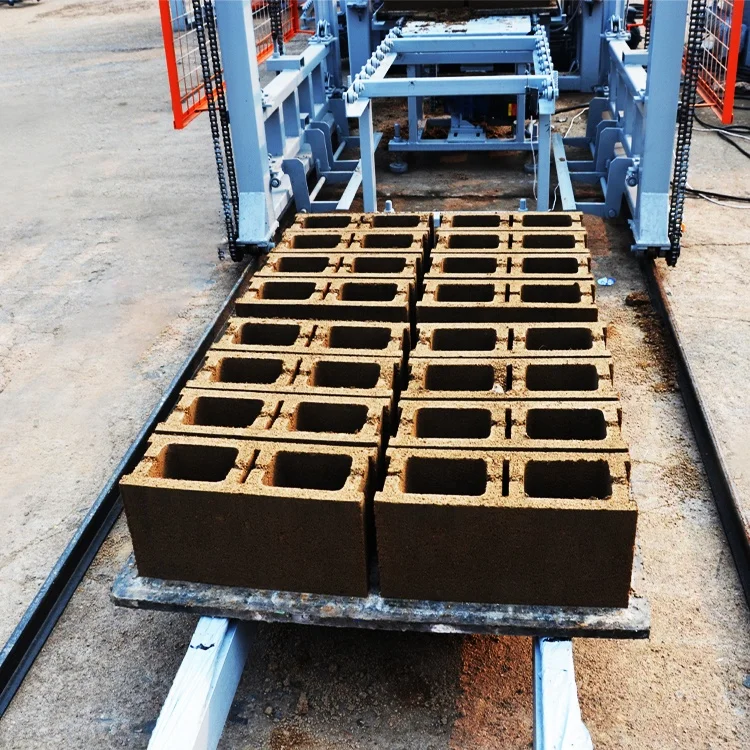
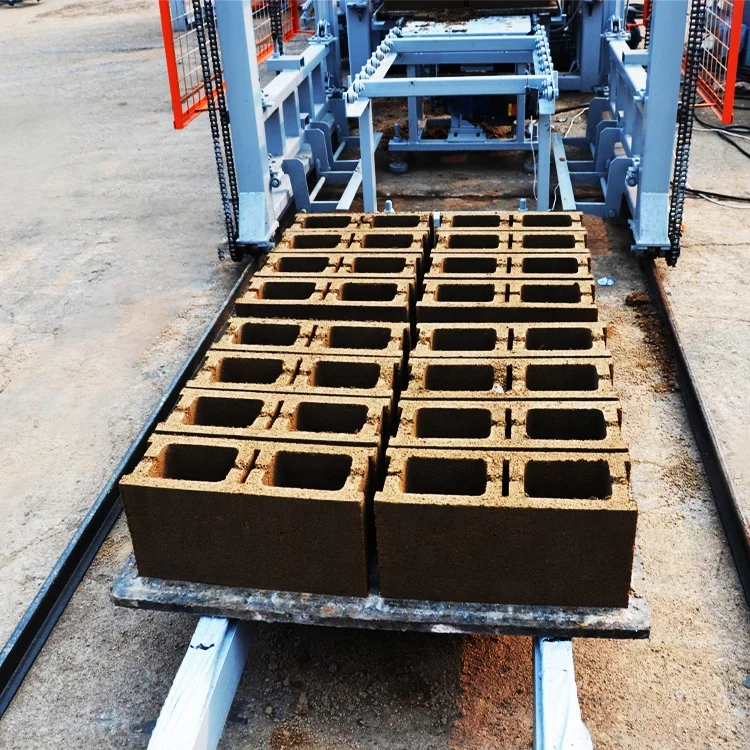
| Output Capacity (Hollow Block 400×200×200 mm) | 1080-1440 pcs/hour (6 pcs/mould, 15-20s cycle) |
| Output Capacity (Hollow Block 400×150×200 mm) | 1440-1920 pcs/hour (8 pcs/mould, 15-20s cycle) |
| Output Capacity (Solid Brick 240×115×53 mm) | 5760-7680 pcs/hour (32 pcs/mould, 15-20s cycle) |
| Output Capacity (Rectangular Paver 200×100×60 mm) | 2160-2880 pcs/hour (21 pcs/mould, 20-25s cycle) |
| Output Capacity (Zigzag Paver 225×112.5×60 mm) | 2160-2880 pcs/hour (15 pcs/mould, 20-25s cycle) |
| Compressive Strength of Blocks | More than 15 MPa |
| Hydraulic System | Independent integrated hydraulic station |
| Fault Diagnosis | Built-in fault diagnosis system |
| Raw Material Adaptability | Waste ash, slag, and various aggregates; adjustable cement dosage |
| Assembly State | Factory assembled, dismantled for container shipment |
| Warranty | 1 year (excluding spare parts) |
Application Suitability
| Application | Material or Output |
|---|---|
| Hollow block production for load-bearing walls | Crushed stone, cement, and sand mixes yielding blocks above 15 MPa |
| Solid brick manufacturing for masonry infill | Local aggregates with adjustable cement dosage |
| Rectangular paving block for walkways and yards | Waste ash and slag blends with fine aggregate |
| Interlocking zigzag paver for driveways | Coarse aggregate and cement at higher vibration frequency |
| Non-bearing partition block | Lightweight aggregate and slag-based mixes |
Why Voltage Confirmation Must Happen Before the Container Is Booked
A QT6-15 block machine in stock is only useful if the motor winding matches the grid at your destination.
I have watched a mid-tier hydraulic block press sit idle for weeks on a job site because the 380V/50Hz motor was shipped to a region running 440V/60Hz. The contactor tripped on the first cycle, and rewinding the stator locally took longer than the sea freight itself. For any buyer working against a construction phase deadline, confirming voltage, frequency, and PLC display language in writing before the QT6-15 block machine in stock leaves the factory floor is the single step that prevents a costly arrival failure [NEED_CITE: voltage and frequency standards by export market].
Dispatch Timing and Container Planning
Buyers on a project deadline need more than a vague "fast delivery" promise. The QT6-15 block machine in stock is factory-assembled and run through a full molding cycle test, then dismantled into sections that fit standard container dimensions. The main frame, hydraulic station, and control cabinet are packed separately with bolt-hole alignment marks so reassembly on your slab does not require guesswork. Dispatch lead time is confirmed against current inventory before you commit to payment.
Matching the Pallet to Your Existing Curing Yard
The 880×850 mm pallet size on the QT6-15 is specified to align with common curing rack spacing and forklift tine widths. Shipping a block press with an odd pallet dimension means you either replace every rack in your yard or handle wet blocks by hand — both outcomes erase whatever time you saved on fast delivery. We confirm pallet material and size against your curing layout before the machine ships [NEED_CITE: pallet handling standards in concrete block plants].
What the Specs Mean on the Production Floor
The 45 kN vibration force combined with independent hydraulic demolding gives the QT6-15 enough compaction energy to produce hollow blocks exceeding 15 MPa with locally sourced crushed stone. Platform vibration distributes force across the full 880×850 mm pallet area, so block density stays consistent from corner to corner. The PLC touch screen stores molding cycle parameters per mould, meaning a format change from 400×200×200 mm hollow blocks to 200×100×60 mm pavers is a recall operation rather than a manual recalibration. An independent integrated hydraulic station sits apart from the main vibration zone, reducing seal wear and keeping pressure stable across consecutive cycles.
The Cost of Skipping the Loading Plan
A block machine that arrives with missing fasteners or a cracked hydraulic manifold because the packing list was vague will cost you more in idle labor than the sea freight itself. Buyers who accept a quotation without a written container loading plan and packing photographs often discover the mould crate was left on the dock or the control cabinet was stacked under the main frame [NEED_CITE: container loading best practices for heavy industrial machinery].
Why Buyers Source This Model Here
Block machinery is our single focus, so the QT6-15 arrives as a matched system — press, moulds, pallets, and handling equipment specified together rather than stitched from separate vendors. We quote capacity per block format with the molding cycle stated, so your daily output projection is honest before the machine ships. Standard moulds for hollow blocks and pavers are held in inventory alongside the press. Voltage, frequency, and control language are locked in writing before production. Customs documentation and HS codes are provided so your broker can start clearance paperwork while the container is still on the water.
Documentation & Verification
- Factory test record showing molding cycle and block output on your specified format before dispatch
- Machine specification sheet listing confirmed voltage, frequency, and PLC display language
- Mould drawing and format list matching every mould included in the shipment
- Packing photographs of each crate and container load before the doors are sealed
- Hydraulic and electrical schematic for your maintenance team on arrival
- Customs documentation with HS code for import clearance planning
Installation, Commissioning & Support
- 1200 m² factory area required; slab must be level to within tolerance for the 8200 mm frame length
- 37 kW overall power demand requires a dedicated circuit sized for motor starting current
- Machine ships dismantled; main frame, hydraulic station, and control cabinet bolt together on site
- PLC touch screen parameters set to your mix design and local aggregate during commissioning
- Operator training covers mould change procedure and built-in fault diagnosis system use
- Wear parts and mould list provided so first replacement order can be placed before stock runs out
Before You Request a Quote
Tell us your destination port so we can estimate transit time against current dispatch slots. Share your local voltage and frequency so the motor and control cabinet are wound and wired correctly. Confirm which block formats you need on day one — hollow, solid, paver — so the right moulds are pulled from stock and loaded with the press.
Frequently Asked Questions
Q: What is the current stock status and dispatch lead time for the QT6-15?
A: QT6-15 units are assembled and tested at our Linyi facility. Standard configurations ship within a typical multi-week window. Exact dispatch dates are confirmed against live inventory before payment so your project timeline stays intact.
Q: How is the machine dismantled and loaded into containers?
A: The main frame, hydraulic station, and control cabinet are separated and secured in standard containers. Bolt-hole alignment marks are applied before dismantling so reassembly is straightforward. Packing photographs are shared before the container doors close.
Q: Can you quote an arrival estimate based on my destination port?
A: Yes. Once your destination port is confirmed, we provide a transit estimate based on current shipping schedules. This lets you align foundation work and operator availability with the expected arrival window.
Q: Are standard moulds in stock or made to order?
A: Standard hollow block and paver moulds are held alongside the press. Custom moulds based on buyer drawings require a separate production slot, which is confirmed during the quotation stage.
Q: What voltage and frequency configurations can be shipped without delay?
A: Common industrial voltages and frequencies are available from stock. Any non-standard configuration is confirmed in writing before the motor is wound, ensuring the machine powers up on your site without rewinding delays [NEED_CITE: CE machinery directive requirements for industrial equipment].