
Description
Stocked Machine, Real Delivery Date — QT6-15 units sit in the Linyi yard with standard moulds already mounted, so dispatch happens within days, not months.
Technical Specifications
| Parameter | Value |
|---|---|
| Model | QT6-15 |
| Product Type | Hydraulic Block Making Machine |
| Overall Dimensions (L×W×H) | 7400 × 1900 × 2660 mm |
| Molding Cycle | 15–25 s |
| Vibration Frequency | 4600 r/min |
| Vibration Force | 40–50 kN |
| Total Power | 31.25 kW |
| Mixer Model | JQ350 |
| Pallet Size | 850 × 550 × 25 mm |
| Total Weight | 7 T |
| Control System | PLC control system |
| Hydraulic Station | Included |
| Auxiliary Equipment | Pallet feeder, brick conveyor, block sweeper, manual hydraulic trolley |
| Output: 400×200×200 mm Hollow Block | 1200–1680 pcs/h (15–20 s cycle) |
| Output: 400×150×200 mm Hollow Block | 1800–2400 pcs/h (15–20 s cycle) |
| Output: 240×115×53 mm Solid Brick | 3240 pcs/h (15–20 s cycle) |
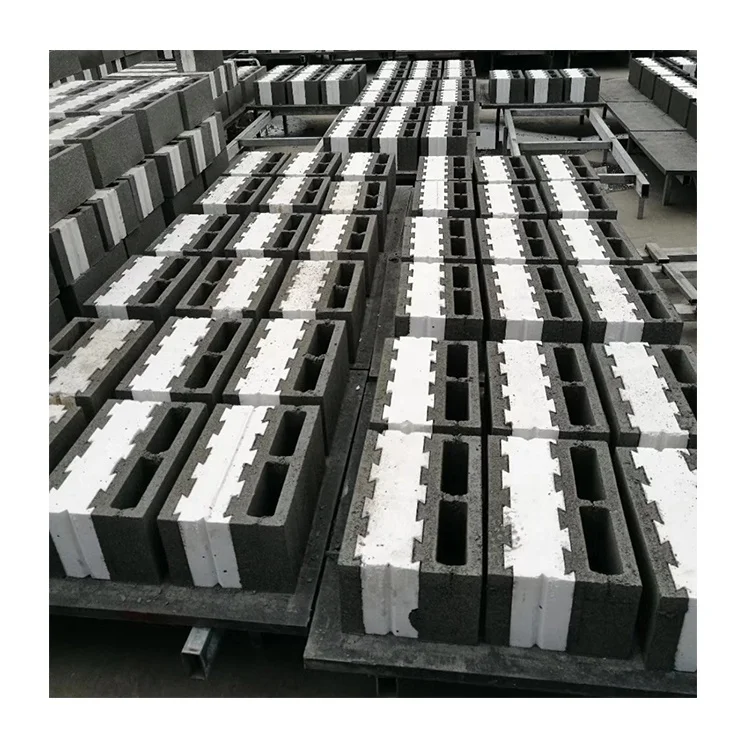
| Applied Products | Paver, solid block, hollow block, curbstone |
| Raw Materials | Crushed stones, sand, cement, dust, fly ash |
Application Suitability
| Application | Material or Output |
|---|---|
| Hollow block production for housing projects | Crushed stone, sand, cement, fly ash mixes |
| Paver production for walkways and yards | Fine aggregate and cement blends |
| Solid brick manufacturing for load-bearing walls | Dense aggregate and cement compositions |
| Curbstone forming for road and site infrastructure | Coarse aggregate with higher cement ratios |
| On-site production at remote construction locations | Locally sourced sand and stone materials |
Why the Voltage Question Must Be Settled Before the Container Is Booked
A QT6-15 block machine in stock ships fast, but a voltage mismatch at the destination site can idle the entire line for weeks while local electricians reconfigure transformers.
I once watched a fully automatic line sit powerless in a Nigerian yard for three weeks because the buyer’s workshop ran 415V/50Hz three-phase and the machine left our factory without that detail confirmed. The electricians rewired the transformer, but every day the press sat cold was a day the block quota slipped. Since then, every QT6-15 hydraulic block making machine I send out gets its voltage and frequency locked in writing before the control cabinet is wired [NEED_CITE: voltage and frequency standards by export market].
Container Loading and Dispatch Timeline
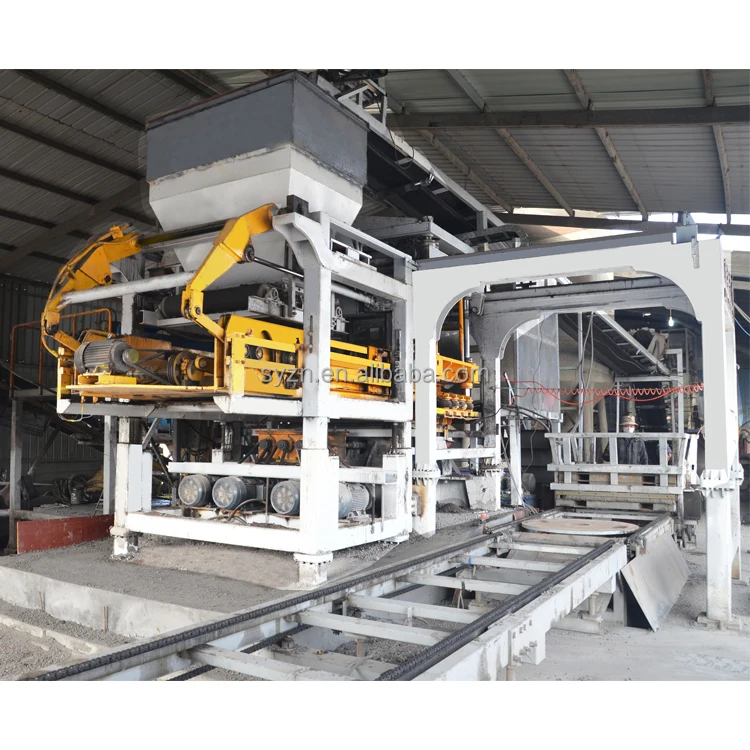
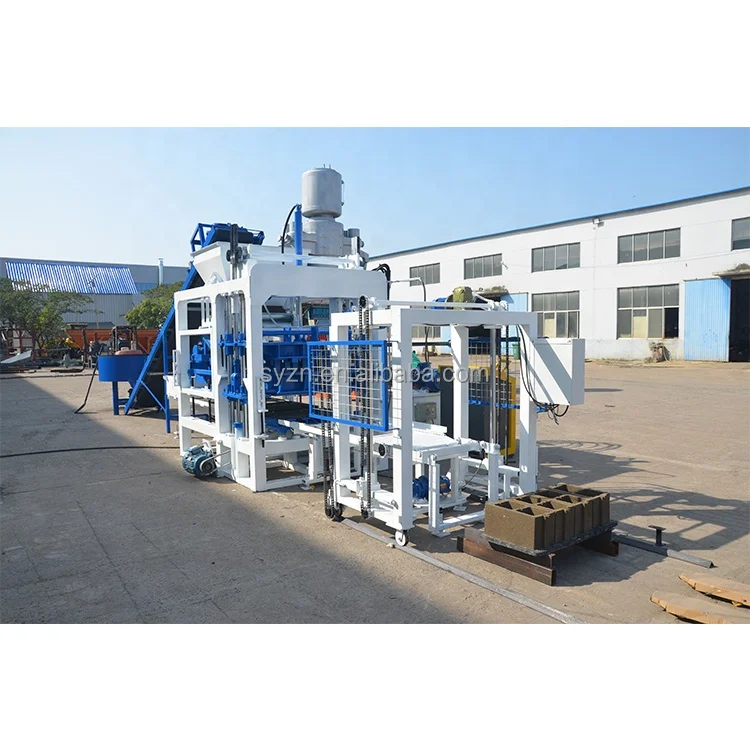
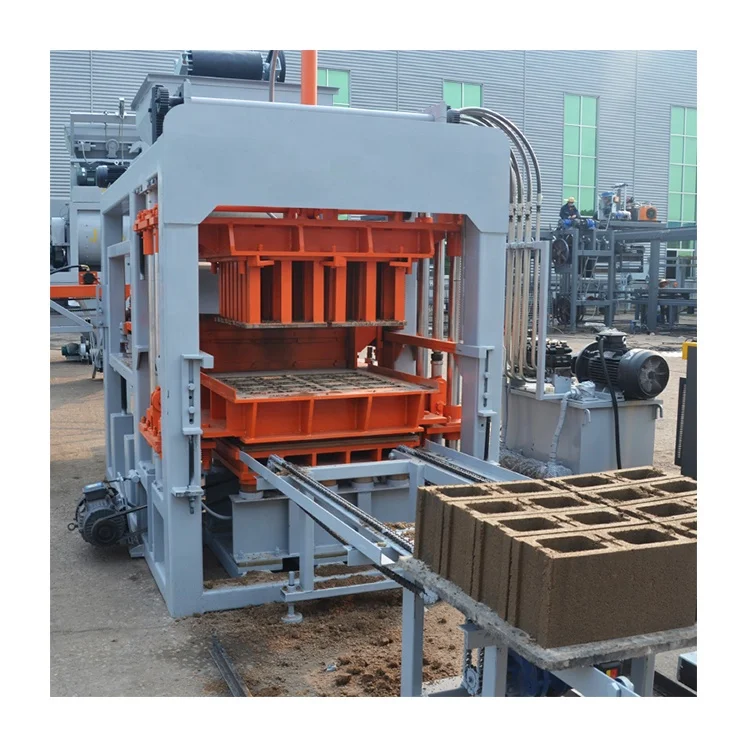
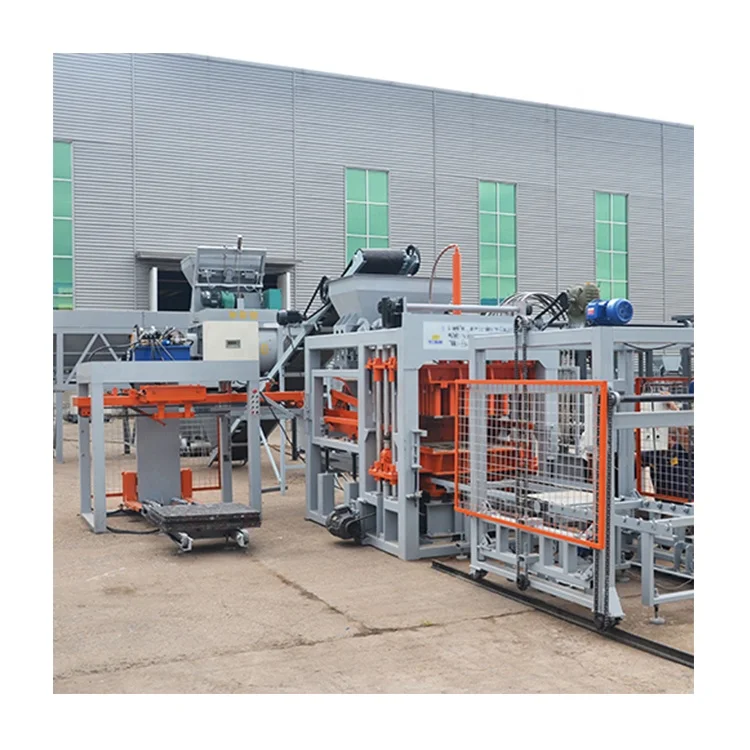
The QT6-15 block machine in stock is dismantled into major assemblies — press frame, hydraulic station, control cabinet, pallet feeder, and mixer — and loaded into a 20GP container with pallets bundled alongside. Nude packing keeps weight within the container limit and avoids unnecessary crate volume. Because the machine is already built and tested, there is no production slot to wait for. Dispatch lead time is quoted in days, and the arrival estimate is confirmed before the order is placed.
What Arrives With the Machine
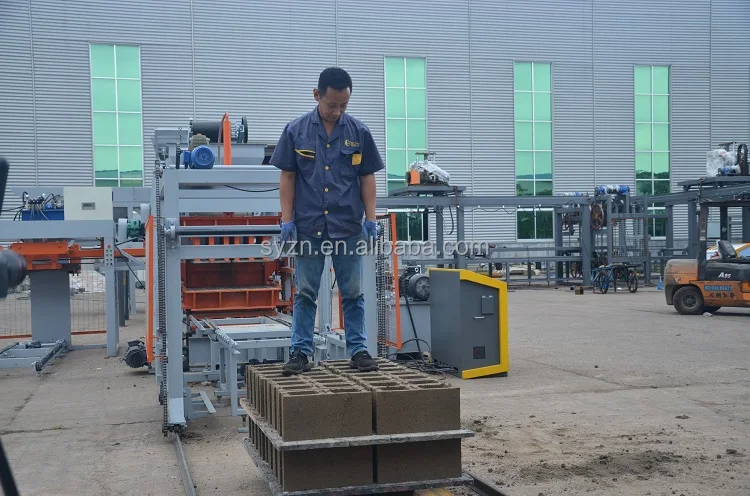
Each shipment includes the hydraulic station, PLC control cabinet, pallet feeder, brick conveyor, block sweeper, and manual hydraulic trolley as a matched set. Standard moulds are loaded together with the press, so the first production run can happen as soon as commissioning is complete. Pallet size is fixed at 850 × 550 × 25 mm, giving buyers a clear dimension to check against their existing curing racks and forklifts before the container is sealed [NEED_CITE: typical pallet handling requirements for block curing yards].
Reading the Numbers That Actually Matter
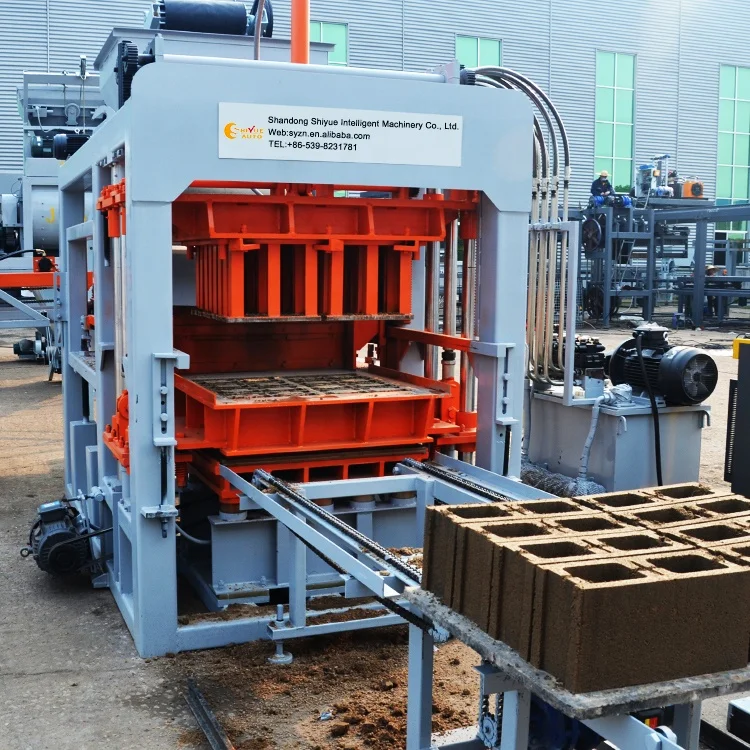
The vibration force of 40–50 kN combined with the 4600 r/min frequency determines how tightly the mix is compacted inside the mould cavity. Higher vibration force pushes aggregate particles closer together, producing a denser block that reaches target compressive strength faster during curing. The hydraulic station provides the static pressure that holds the mould head down while vibration does the work below, so both forces must match the buyer’s mix design. The 850 × 550 mm pallet area defines how many blocks sit on each board per cycle — a smaller pallet would cut output per cycle, while a larger one would require a bigger curing yard and heavier forklift. The 15–25 second molding cycle range reflects different block formats: thicker hollow blocks need longer vibration, while thin solid bricks cycle faster. Total power of 31.25 kW covers the press, mixer JQ350, conveyor, and hydraulic pump running together, which determines the dedicated circuit rating the buyer must prepare on site.
The Cost of Skipping the Pallet and Curing Check
Buyers who order a block press without confirming pallet dimensions against their curing area end up stacking fresh blocks on the floor by hand, negating the output speed the machine was bought for. When the forklift cannot lift the loaded pallet, the entire handling chain breaks down and labour costs climb. A QT6-15 block machine in stock solves the delivery speed problem, but the pallet and curing match must be verified on the buyer’s side before the container leaves the yard [NEED_CITE: common commissioning delays caused by pallet and curing mismatches].
What Buying From This Yard Actually Means
- Single-focus block machinery supplier — the press, moulds, pallets, and handling equipment are specified as one matched system, not assembled from separate vendors.
- Stock availability quoted honestly — dispatch dates are based on machines already on the floor, not on a production schedule that can slip.
- Pre-shipment verification — voltage, frequency, PLC language, and control cabinet wiring are confirmed and photographed before the container is sealed.
- Customs documentation support — packing lists, commercial invoices, and certificates are prepared to match the buyer’s import requirements so port clearance does not stall.
- Operator training included — commissioning support covers first-run parameter setting and mould change procedure on the buyer’s site.
Documentation & Verification
- Factory test record showing cycle time on buyer’s target block format
- Packing photographs of dismantled assemblies before container loading
- Voltage and control language confirmation sheet signed before dispatch
- Hydraulic and electrical schematic matching the shipped configuration
- Operation and maintenance manual with wear parts list
- Customs documentation package aligned with buyer’s port requirements
Installation, Commissioning & Support
- Foundation must support 7 T total weight across 7400 mm press length
- Dedicated circuit rated for 31.25 kW total power at confirmed voltage and frequency
- Machine arrives dismantled; reassembly and alignment completed during commissioning visit
- PLC control system parameters set to buyer’s block format and cycle time on site
- Mould change procedure and pallet feeder adjustment covered in operator training
- Wear parts and hydraulic seal list provided for first replacement planning
Before You Request a Quote
To confirm whether a stocked QT6-15 fits your project timeline, share your target block format and daily output requirement so the capacity calculation can be stated against that specific mould. Provide your site voltage, frequency, and the PLC display language your operators need. If you already have curing racks and forklifts, send their dimensions so the 850 × 550 mm pallet can be verified against your existing equipment before the order is finalized.
Frequently Asked Questions
Q: What is the current stock status and dispatch lead time for the QT6-15?
A: QT6-15 units are built, tested, and sitting in the yard with standard moulds available. Because the machine is already assembled, there is no production slot to wait for. Dispatch lead time is measured in days once voltage, frequency, and PLC language are confirmed in writing. Arrival estimates are quoted before the order is placed so buyers can plan their project timeline.
Q: How is the machine dismantled and loaded into a 20GP container?
A: The press frame, hydraulic station, control cabinet, pallet feeder, and mixer JQ350 are separated into major assemblies. Pallets are bundled alongside. Nude packing keeps weight within container limits and avoids crate volume. Packing photographs are taken before the container doors close so the buyer can verify loading condition.
Q: What arrival estimate can I expect after dispatch from the factory?
A: Transit time depends on the destination port and shipping line schedule. The arrival estimate is confirmed before the order is placed, based on current sailing schedules from the nearest Chinese port. Buyers receive the booking confirmation and container number once the shipment is dispatched.
Q: Are standard moulds and pallets included in the shipment, or ordered separately?
A: Standard moulds for hollow block, solid brick, and paver formats are included with the machine. Pallets sized 850 × 550 × 25 mm are loaded into the container alongside the press assemblies. Custom mould designs based on buyer drawings are available as separate items if the buyer’s market requires formats outside the standard range.
Q: Can voltage and PLC language be confirmed and adjusted before the machine leaves the factory?
A: Yes. Voltage, frequency, and PLC display language are confirmed in writing before the control cabinet is wired or re-wired. Wiring diagrams are checked against the buyer’s site power supply. This step is mandatory before dispatch, based on past commissioning delays caused by voltage mismatches at the destination.