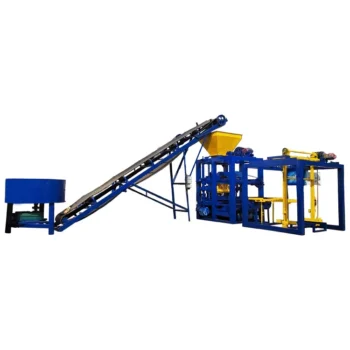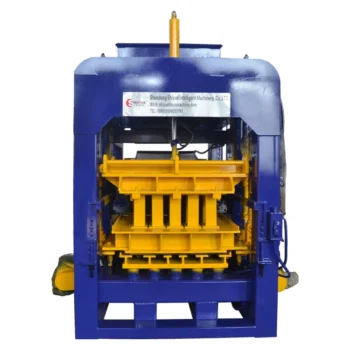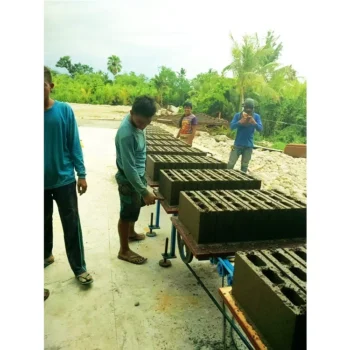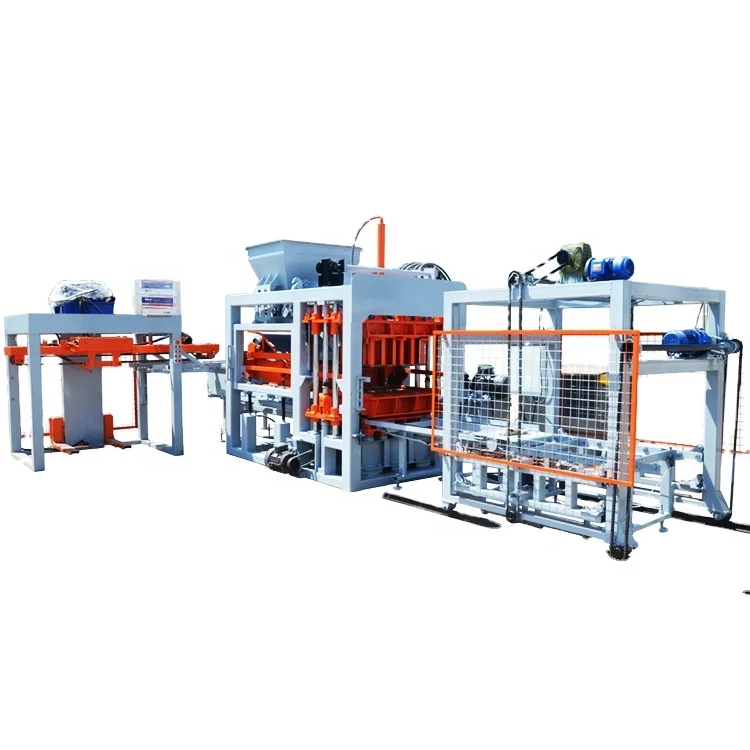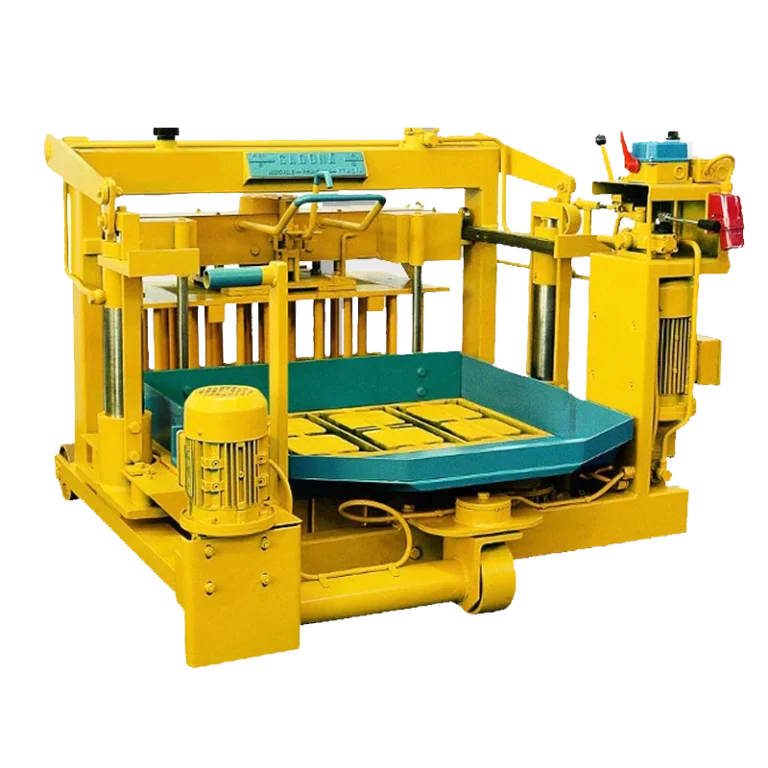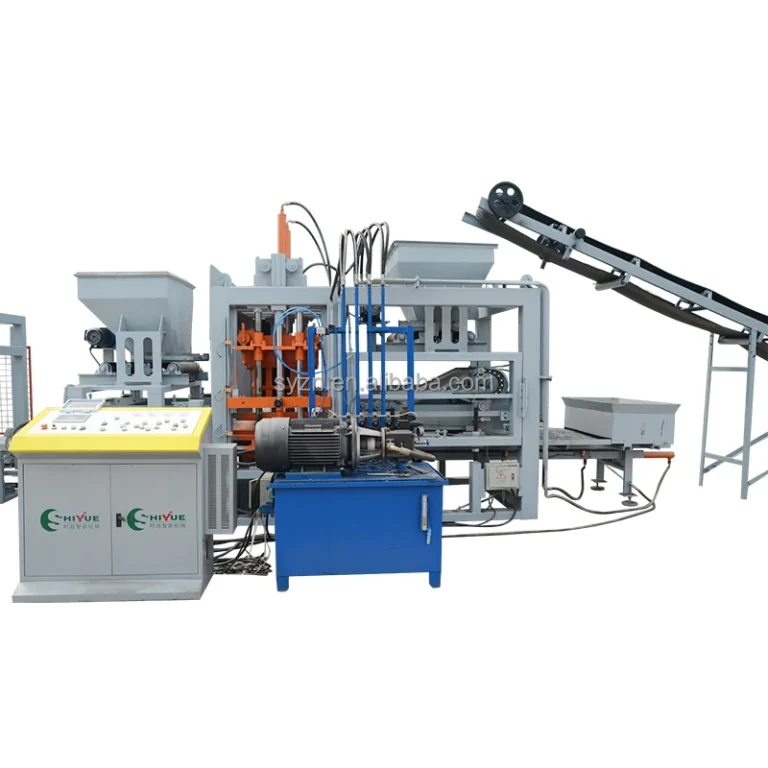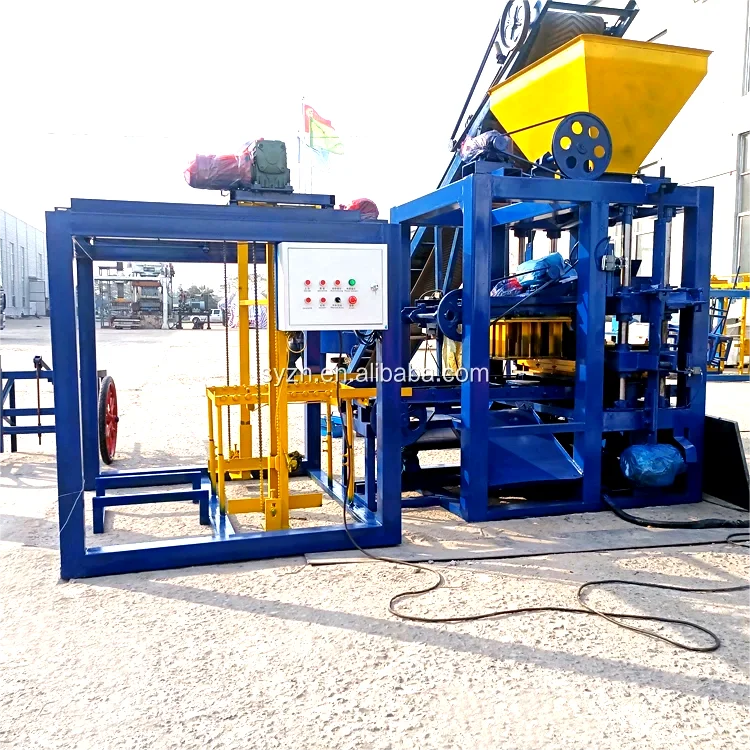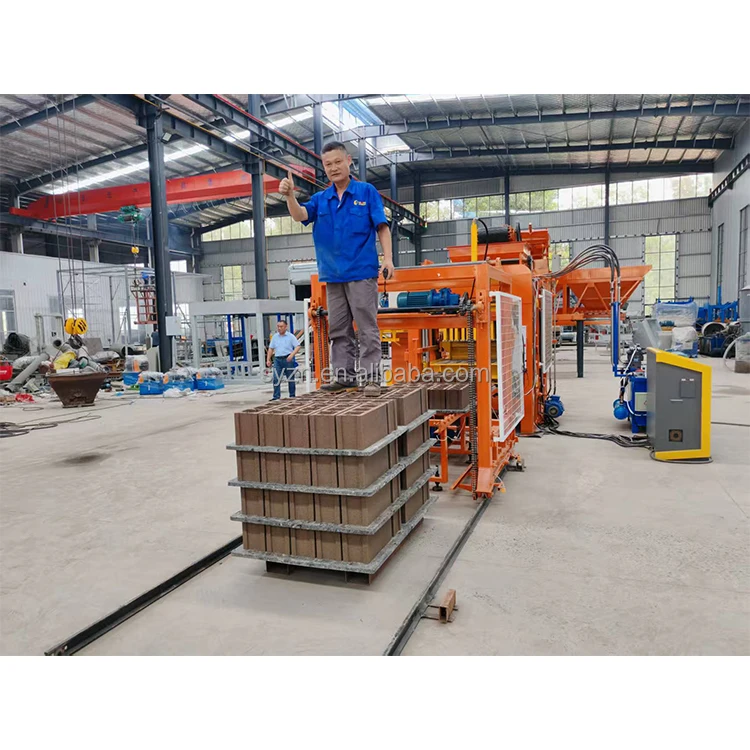
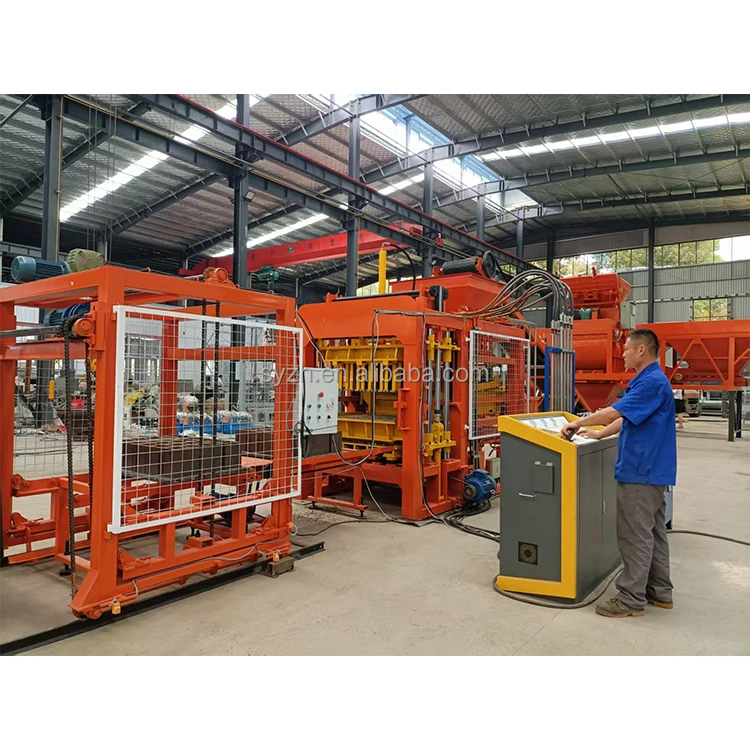
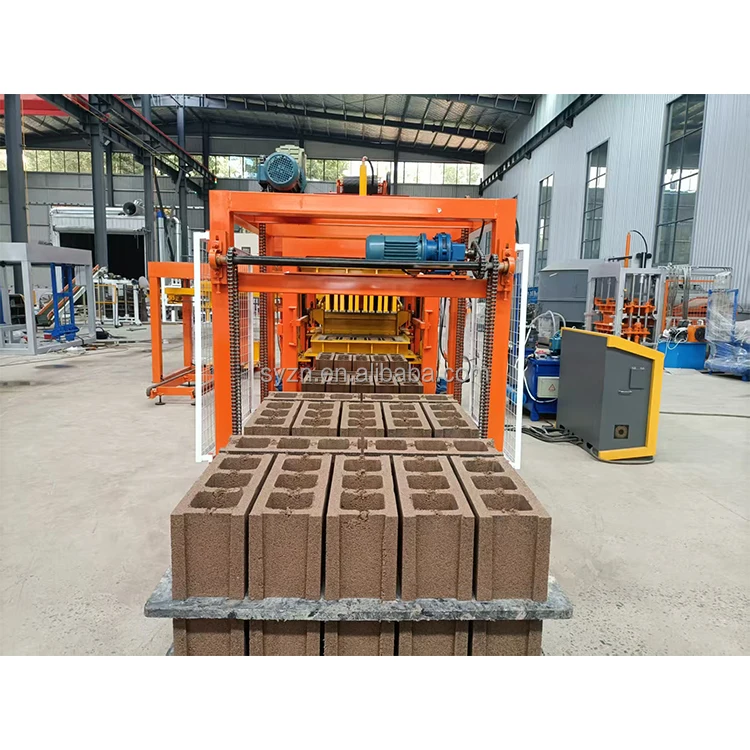
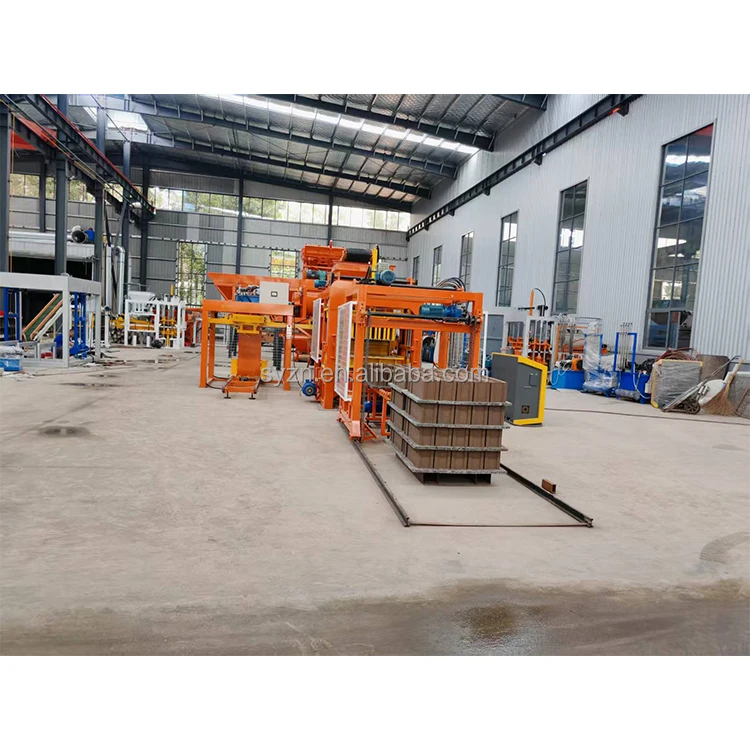
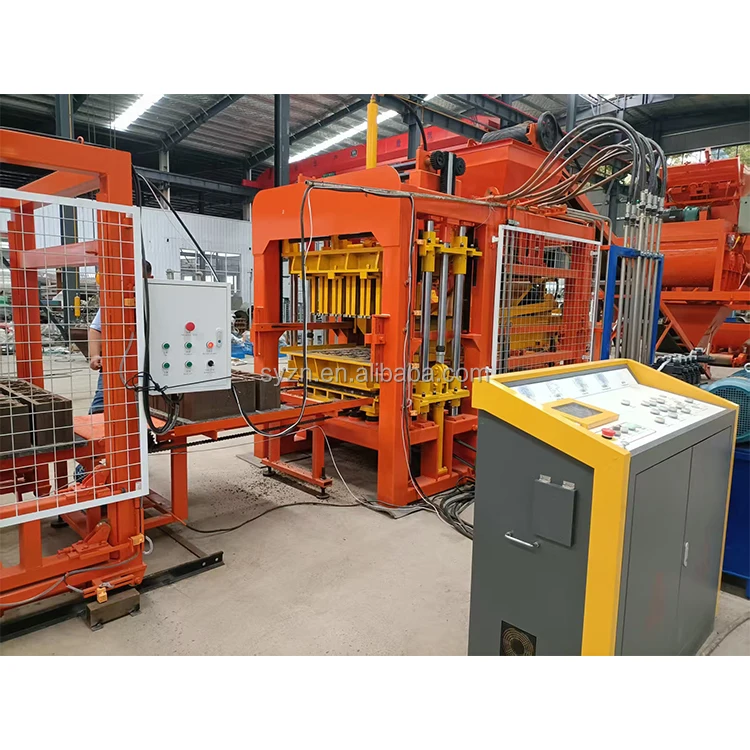
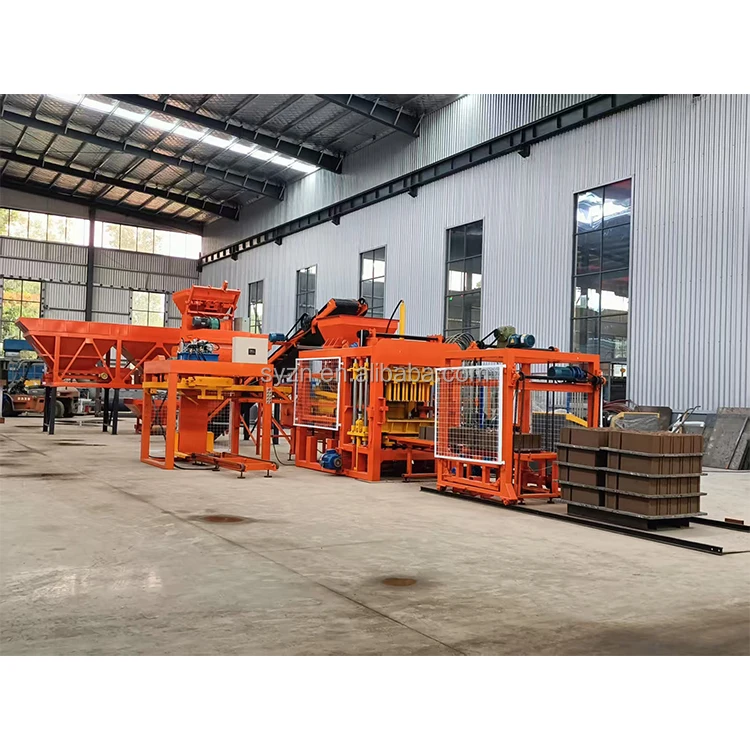
Description
Configuration matched to dispatch speed — every stocked or fast-build QT6-15 leaves our Linyi workshop with voltage, frequency, and PLC language confirmed twice before the crate closes, because a deadline is only met if the machine actually powers up on arrival.
Technical Specifications
| Parameter | Value |
|---|---|
| Model | QT6-15 |
| Product Type | Hydraulic Concrete Block Making Machine |
| Overall Dimensions (L×W×H) | 8200×1700×2950 mm |
| Pallet Size | 880×850 mm |
| Vibration Force | 45 kN |
| Vibration Frequency | 0-60 Hz |
| Vibration Form | Platform Vibration |
| Molding Cycle | 15-20 s |
| Moulding Mode | Automatic loading, vibration moulding |
| Demolding Method | Hydraulic |
| Hydraulic System | Independent integrated hydraulic station |
| Control System | PLC with touch screen and fault diagnosis |
| Overall Power | 37 kW |
| Total Mass | 7 T |
| Factory Area Required | 1200 m² |
| Block Compressive Strength | >15 MPa |
| Output: Hollow Block 400×200×200 mm | 1080-1440 pcs/h, 8640-11520 pcs/8hr (basis: 6 pcs/mould, 15-20s cycle) |
| Output: Hollow Block 400×150×200 mm | 1440-1920 pcs/h, 11520-15360 pcs/8hr (basis: 8 pcs/mould, 15-20s cycle) |
| Output: Solid Brick 240×115×53 mm | 5760-7680 pcs/h, 46080-61440 pcs/8hr (basis: 32 pcs/mould, 15-20s cycle) |
| Output: Rectangular Paver 200×100×60 mm | 2160-2880 pcs/h, 17280-23040 pcs/8hr (basis: 21 pcs/mould, 20-25s cycle) |
| Output: Zigzag Paver 225×112.5×60 mm | 2160-2880 pcs/h, 17280-23040 pcs/8hr (basis: 15 pcs/mould, 20-25s cycle) |
| Raw Material Adaptability | Waste ash, slag, and various aggregates; adjustable cement dosage |
| Warranty | 1 year (excluding spare parts) |
Application Suitability
| Application | Material or Output |
|---|---|
| Hollow block production for housing and infrastructure | Crushed stone, sand, cement, and fly ash blends |
| Solid brick manufacturing for load-bearing walls | Local aggregate with adjustable cement dosage |
| Rectangular and interlocking paver production | Fine aggregate and cement for high-density paving |
| On-site block production for project contractors | Waste ash, slag, and quarry dust adapted to local supply |
| Block plant capacity expansion | Multi-format output from a single press with mould changes |
Why the Voltage Question Must Come Before the Container Booking
A QT6-15 block machine in stock is only ready to ship if its electrical system matches the grid at your site.
I once watched a Middle East customer receive a QT6-15 configured for 380V/50Hz while his plant ran on 440V/60Hz. The machine sat silent for three weeks while replacement motors were sourced and shipped. That delay cost him far more than the motor swap itself — his crew stood idle, his curing racks stayed empty, and his project timeline slipped. [NEED_CITE: voltage and frequency standards by export market] Since then, every dispatch from our workshop starts with a written confirmation of voltage, frequency, and PLC display language, even when the buyer says "just ship it." A fast delivery concrete block machine only delivers if it actually runs on day one.
Stock Status and Dispatch Timing
When a project deadline is tight, the first question is always whether the QT6-15 block machine in stock can ship this week or needs a build cycle. Standard configurations with common moulds and pallet sizes move faster because they do not wait on custom parts. We quote dispatch lead time in writing at the order stage, not as an estimate that shifts as production fills up.
Container Loading for an 8.2-Meter Machine
The QT6-15 measures 8200×1700×2950 mm and weighs 7 T, which means container loading must be planned before the machine is dismantled for shipment. The main frame, hydraulic station, and control cabinet are separated and secured to prevent transit damage. A clear loading plan tells you exactly which container type is needed and how the components are positioned, so there are no surprises at the port of arrival. [NEED_CITE: standard container internal dimensions for heavy machinery shipment]
Reading the Capacity Table Honestly
The vibration force of 45 kN and hydraulic demolding system work together to compress the mix into a dense block, but the actual output depends entirely on which block format you are running. The 15-20 second molding cycle produces 6 hollow blocks per mould at 400×200×200 mm, yielding 8640-11520 pieces per 8-hour shift. Switch to 240×115×53 mm solid bricks at 32 per mould and the same cycle delivers 46080-61440 pieces per shift. The pallet size of 880×850 mm defines how many units fit per cycle, so confirming your mould selection early ensures the capacity table matches your actual product mix. Paver formats with a 20-25 second cycle naturally produce fewer pieces per hour, and that difference must be factored into your daily target before you commit to an order.
What Happens When Pallet and Forklift Do Not Match
The QT6-15 runs on 880×850 mm pallets. If your curing area was built around a different pallet size, or your existing forklift cannot handle this dimension, the wet blocks have nowhere to go after demolding. Production stops while you source new pallets or rearrange the curing racks. [NEED_CITE: pallet handling and curing area planning for block plants] We flag the pallet specification during the order stage so your downstream equipment is ready before the machine arrives.
Why Buyers Choose This Dispatch Channel
Stock availability and honest lead times define this channel — we quote what is ready and what needs building, without padding promises. The QT6-15 ships with a factory test record showing actual cycle times on the block format you ordered, not a generic certificate. Container loading plans are confirmed before dismantling begins, so you know the machine fits the container booked. Electrical specifications are locked in writing before production starts, preventing the kind of three-week delay that kills project timelines. Documentation for customs clearance travels with the shipment, reducing port hold-ups.
Documentation & Verification
- Factory test record showing cycle time on your specific block format before dispatch
- Voltage, frequency, and PLC language confirmation sheet signed before crating
- Container loading plan with component positions for the 8200×1700×2950 mm machine
- Operation and maintenance manual covering hydraulic station and PLC fault diagnosis
- CE declaration included where applicable for your import market
- Packing photographs of your exact machine before it leaves the workshop
Installation, Commissioning & Support
- 1200 m² factory area required with level concrete foundation for the 7 T machine mass
- 37 kW overall power demand confirmed against your site supply before shipment
- Independent hydraulic station positioned away from vibration zone for reliable operation
- PLC touch screen configured in your operator language before commissioning begins
- Mould change procedure trained on-site so format switching does not consume a full shift
- Wear parts list provided with recommended first-order quantities for hydraulic and vibration components
What We Need to Quote Your Dispatch Date
Tell us which block formats you need to produce, your target daily output per format, and the pallet size your curing area and forklift already handle. Confirm your local voltage, frequency, and preferred PLC display language so the QT6-15 block machine in stock can be matched or configured before the shipping window closes.
Frequently Asked Questions
Q: Which QT6-15 configurations and moulds are currently available for immediate dispatch?
A: Standard QT6-15 units with common hollow block and solid brick moulds are typically held in stock or enter a short build cycle. Custom mould formats and non-standard pallet sizes require additional lead time. We confirm exact availability and dispatch date in writing when you specify your block format and pallet requirements.
Q: How is container loading handled for a machine this size?
A: The QT6-15 measures 8200×1700×2950 mm and is dismantled into main frame, hydraulic station, and control cabinet for loading. A container loading plan is prepared before crating, specifying which container type is required and how each component is secured for ocean transit.
Q: How do I make sure voltage and PLC language match my country?
A: We require written confirmation of your local voltage, frequency, and preferred PLC display language before the machine enters final assembly. This step is mandatory for every fast delivery concrete block machine order, regardless of how urgent the dispatch request is.
Q: What capacity should I expect per block format from the QT6-15?
A: Output varies by format — hollow blocks at 400×200×200 mm yield 8640-11520 pieces per 8-hour shift based on 6 per mould and a 15-20s cycle, while solid bricks at 240×115×53 mm reach 46080-61440 per shift at 32 per mould. Always confirm which format your capacity target assumes.
Q: What documents arrive with the machine for customs and commissioning?
A: Each QT6-15 ships with a factory test record, operation and maintenance manual, hydraulic and electrical schematics, packing photographs, and customs documentation support. A CE declaration is included where applicable to your import market.