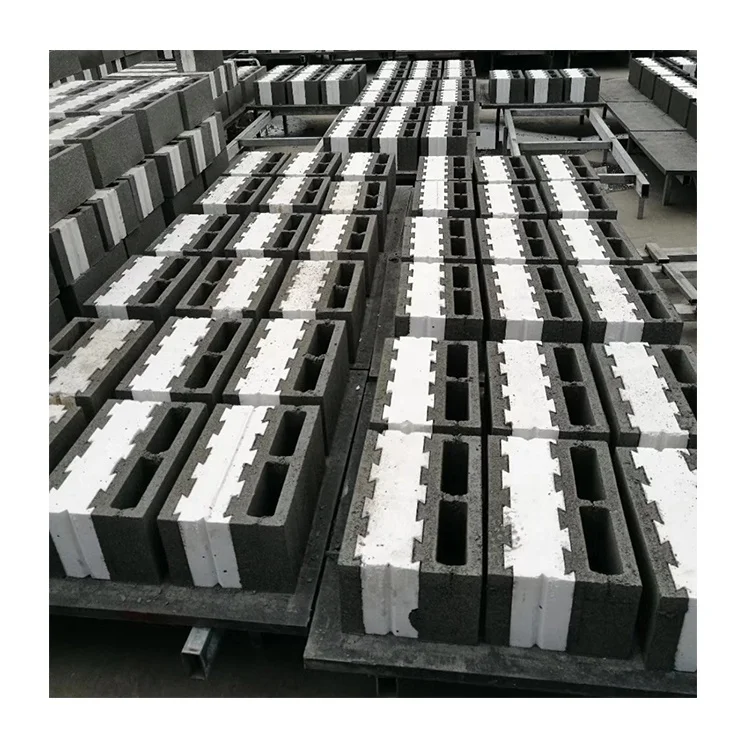
Description
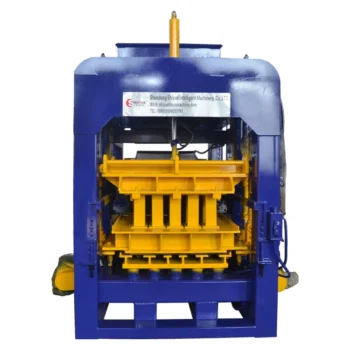
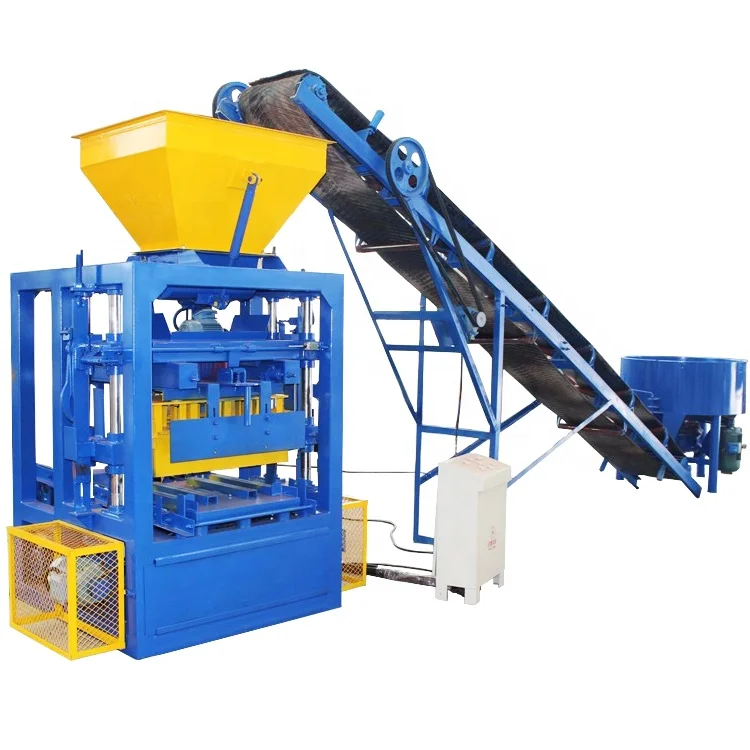
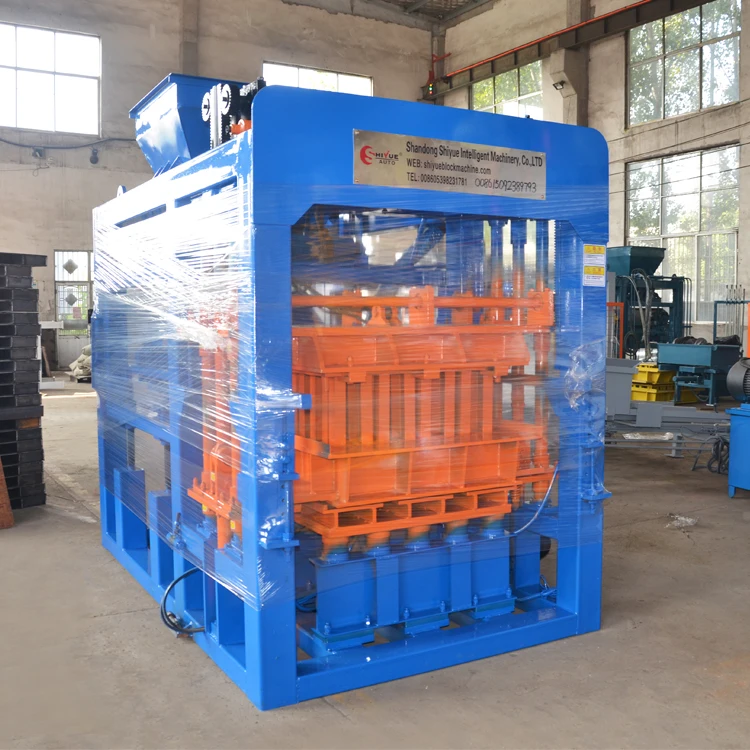
Matched System Dispatch — the QT6-15 block machine, hydraulic station, PLC, and 500 pallets ship as one container-loaded unit so nothing is left waiting at the job site.
Technical Specifications
| Parameter | Value |
|---|---|
| Model | QT6-15 |
| Product Type | Hydraulic Concrete Block Making Machine |
| Overall Dimensions (L×W×H) | 7400 x 1900 x 2660 mm |
| Total Weight | 7 T |
| Molding Cycle | 15–25 s |
| Vibration Frequency | 4600 r/min |
| Vibration Force | 40–50 kN |
| Total Power | 31.25 kW |
| Mixer Model | JQ350 |
| Pallet Size | 850 x 550 x 25 mm |
| Control System | PLC control system |
| Hydraulic Station | Included |
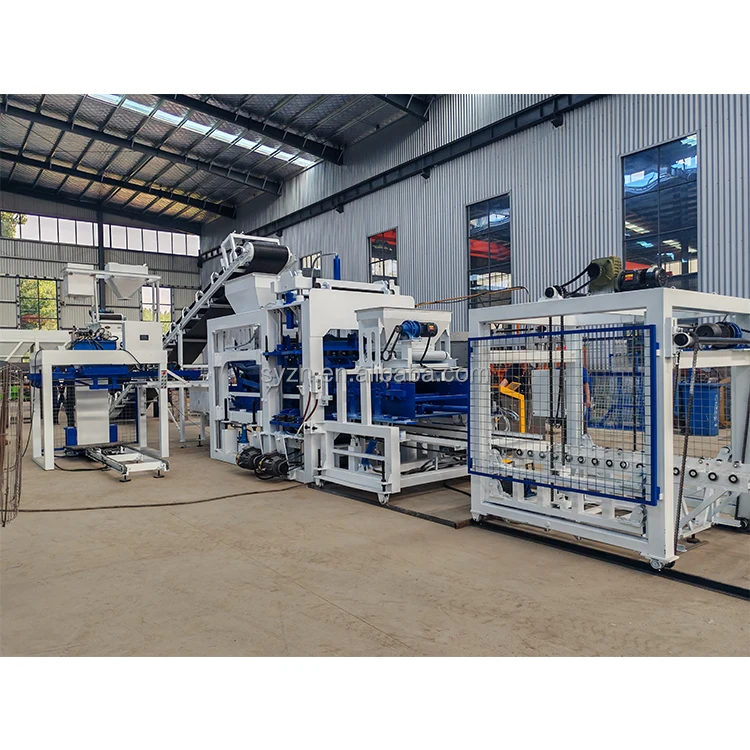
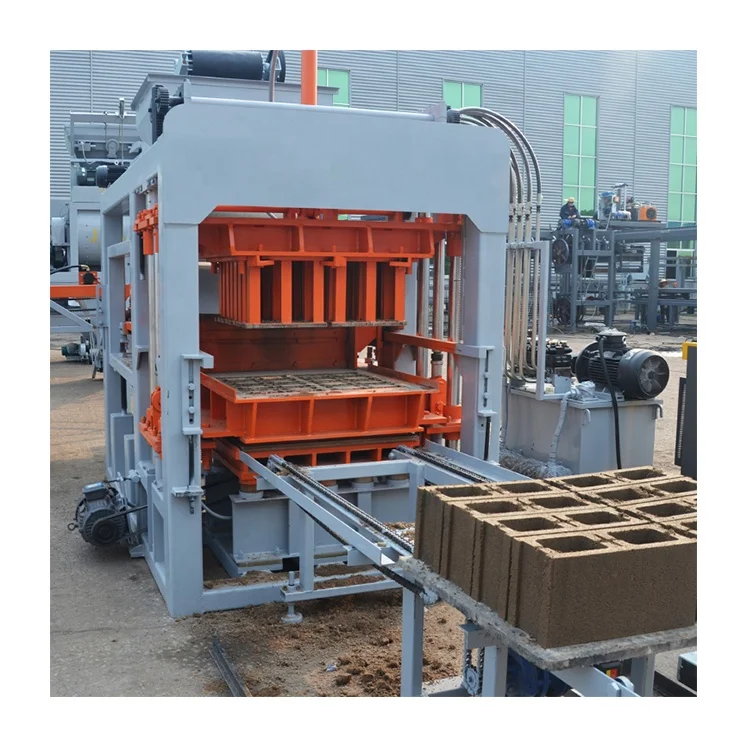
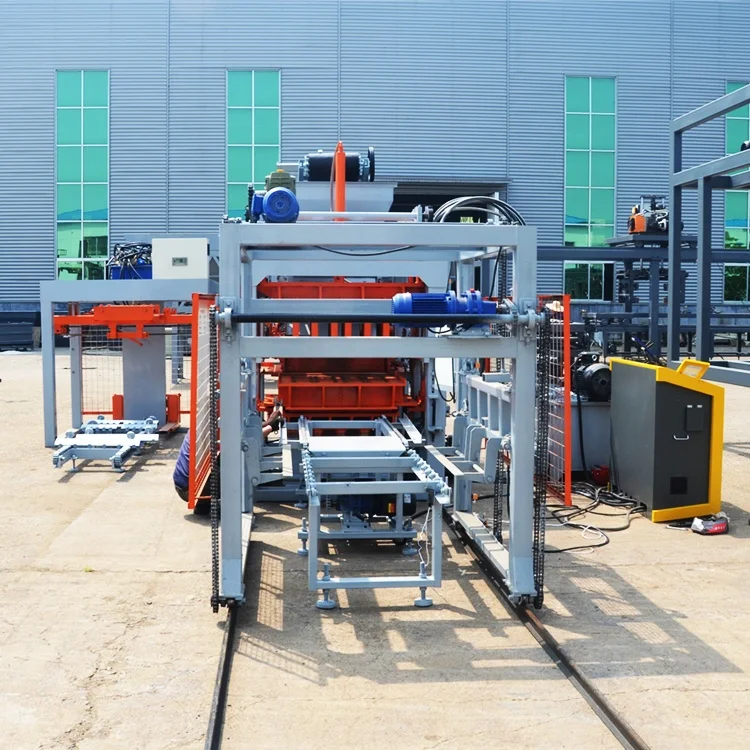
| Line Equipment Included | Block making machine, hydraulic station, PLC control system, pallet feeder, brick conveyor, block sweeper |
| Free Accessories | Manual hydraulic trolley, spare parts and tools |
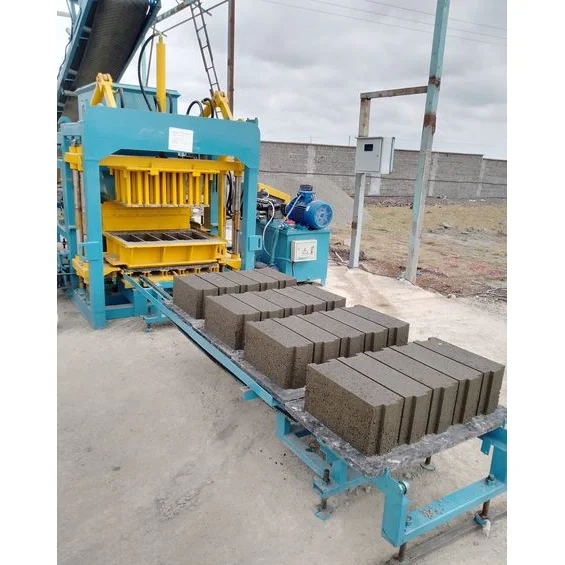
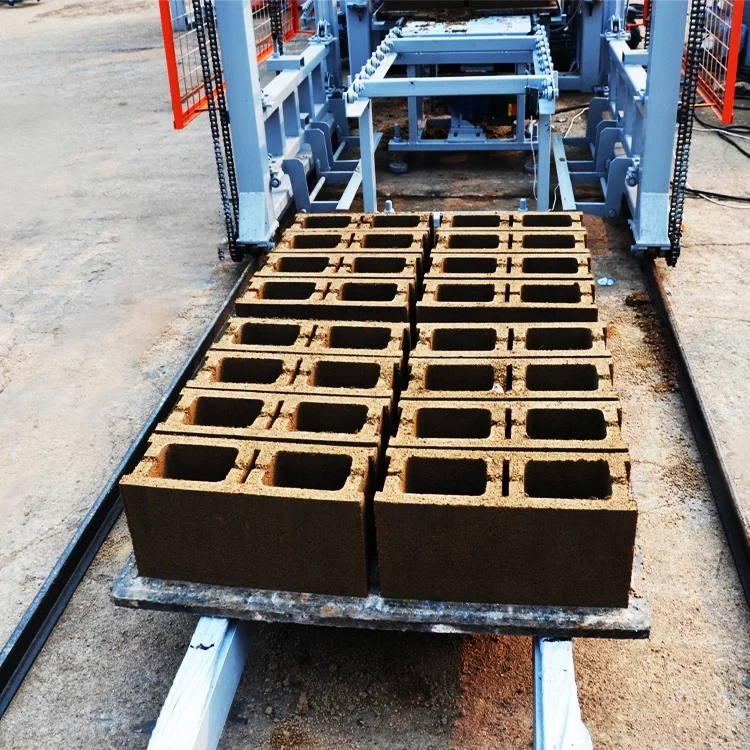
| Output Capacity (Hollow Block 400×200×200 mm) | 9600–13440 pcs/8hr (basis: stated format) |
| Output Capacity (Solid Brick 240×115×53 mm) | 16200–19440 pcs/8hr (basis: stated format) |
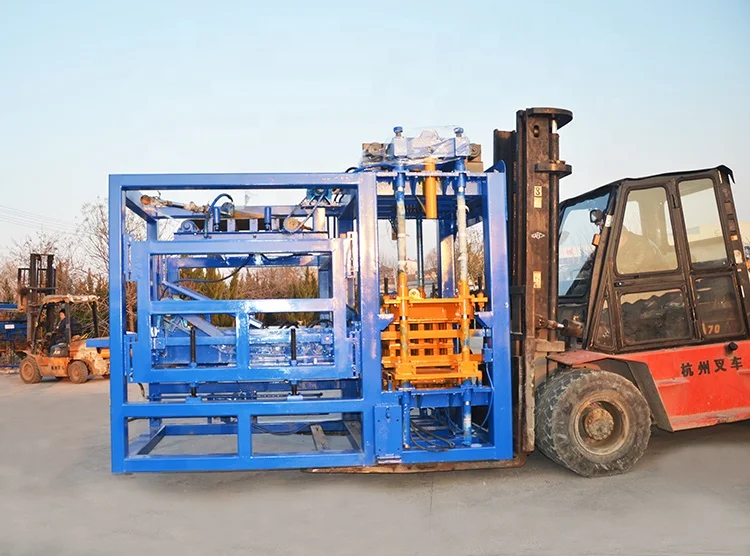
| Assembly & Packing | Nude packing in 20GP container, approx. 500 pcs pallets included |
| Voltage & Frequency | Configurable to target market (basis to be confirmed before dispatch) |
Application Suitability
| Application | Material or Output |
|---|---|
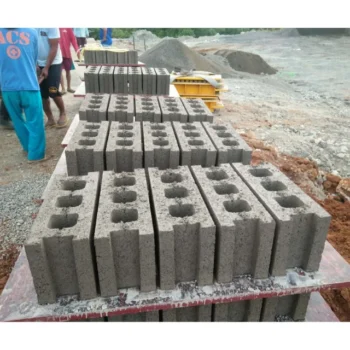
| Hollow block production for load-bearing and partition walls | Crushed stones, sand, cement, fly ash |
| Solid brick manufacturing for masonry and infill | Sand, cement, dust, fly ash |
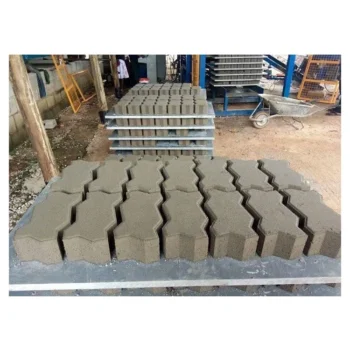
| Paver and interlocking block production for driveways and walkways | Crushed stones, sand, cement |
| Kerbstone and curb production for road and landscaping projects | Crushed stones, sand, cement |
| On-site block production for housing and development projects | Locally available aggregates matched to site mix design |
Why the Voltage Question Must Be Settled Before the Container Is Booked
A QT6-15 block machine in stock is only fast if the electrical system matches the destination grid from day one.
I once watched a job site in Southeast Asia sit idle for weeks because a block machine arrived with a motor wound for a voltage the local transformer could not supply. The crew had the foundation poured, the raw materials stockpiled, and the operators hired, but the machine was a dead weight until an electrician rewired the entire control cabinet. A fast delivery concrete block machine only matters if it runs the moment it is unloaded. That single mismatch can erase every day you saved by ordering from stock. [NEED_CITE: voltage and frequency standards by export market]
Container-Ready Dispatch and What It Actually Means
When we say a QT6-15 block machine in stock is ready, it means the press, hydraulic station, PLC panel, pallet feeder, conveyor, and sweeper are already assembled into a matched line. The machine is stripped for nude packing into a 20GP container alongside approximately 500 pallets, so the entire production cell ships in a single load. There is no waiting for a separate pallet supplier or a third-party conveyor to arrive on a different vessel.
Arrival Timing You Can Build a Schedule Around
The value of a fast delivery concrete block machine is not just the dispatch date but the arrival estimate you can hand to your project manager. Stock models eliminate the production queue, and container loading is scheduled against confirmed vessel dates. For contractors working to a handover deadline, knowing whether the machine clears customs in two weeks or six is the difference between keeping the masonry crew on schedule and paying them to wait.
Reading the Numbers That Actually Matter on Site
The vibration frequency of 4600 r/min combined with 40–50 kN of exciting force determines how densely the concrete is compacted into the mould cavity. Higher compaction density means blocks reach handling strength faster, which shortens the curing time before pallets can be stripped and recycled back into the cycle. The 850 x 550 x 25 mm pallet size must be checked against your curing rack spacing and forklift fork width before the machine leaves the factory, because swapping pallet dimensions after arrival means rebuilding the entire handling layout. The PLC control system governs the 15–25 second molding cycle, and its display language needs to match your operators before commissioning begins. Total connected load of 31.25 kW requires a dedicated circuit with adequate breaker capacity at the site panel.
The Cost of Skipping the Pre-Shipment Electrical Check
Buyers who rush a fast delivery concrete block machine onto a vessel without confirming local voltage, frequency, and plug standards often discover the mismatch when the electrician opens the panel on site. Rewiring a 31.25 kW system is not a quick fix — it involves replacing contactors, adjusting thermal overloads, and sometimes sourcing a new transformer. The machine sits idle, the crew stands around, and the project deadline slips while the fix is arranged. [NEED_CITE: CE machinery directive requirements for industrial equipment]
Why Buyers Source This Model From Our Dispatch Line
Block machinery is our single focus, so the QT6-15 arrives with machine, mould, pallets, and handling equipment specified as one system rather than cobbled together from separate suppliers. We confirm voltage, frequency, and PLC display language in writing before the machine is loaded, because a fast dispatch means nothing if commissioning stalls on arrival. Moulds for the block formats your market actually sells are included or designed to your drawings, so you are not producing a size nobody wants. The automation level is selectable — you can start with the included manual hydraulic trolley and add automatic stacking later as volume grows. Installation support and operator training are part of the package, not an upsell. [NEED_CITE: concrete block machine commissioning best practices]
Documentation & Verification
- Factory test record showing cycle times on your specified block format before the machine leaves the floor
- Voltage and control language confirmation sheet signed off before container loading
- Packing photographs documenting pallet count, line components, and securing method inside the 20GP
- Machine specification sheet with hydraulic and electrical schematics for your site electrician
- Operation and maintenance manual with wear parts list and mould format drawings
- Customs documentation support including HS code and CE declaration where applicable
Installation, Commissioning & Support
- Foundation must accommodate 7400 x 1900 mm footprint with level tolerance for stable vibration transfer
- Dedicated 31.25 kW circuit with correct voltage and frequency verified before the PLC panel is energized
- Nude-packed components reassembled on site with hydraulic lines and conveyor aligned to the press
- First-run cycle test on your local aggregate mix to confirm block density and molding cycle consistency
- Operator training covering PLC navigation, mould change procedure, and daily hydraulic station checks
- Wear parts and mould inventory list provided so replacements can be ordered before the first changeover is due
What to Prepare Before Requesting a Dispatch Quote
Tell us the block formats your market demands and the daily output you need to hit, so we can confirm the right mould set and cycle expectations. Provide your site voltage, frequency, and the display language your operators read, so the QT6-15 block machine in stock is configured correctly before it ships. Share your curing area dimensions and the forklift you already have, so the 850 x 550 mm pallets work with your existing setup from the first production run.
Frequently Asked Questions
Q: What is the dispatch lead time for a stocked QT6-15, and how is arrival estimated?
A: Stock models ship as soon as pre-dispatch checks are complete and a container slot is confirmed. We provide an arrival estimate based on the destination port and typical transit times, so you can plan site preparation and crew scheduling around a known date rather than an open-ended promise.
Q: Can the machine be dismantled for shipment and reassembled quickly on-site?
A: The QT6-15 is stripped for nude packing into a 20GP container, which simplifies loading and reduces shipping volume. Reassembly involves reconnecting the hydraulic station, conveyor, pallet feeder, and PLC panel — all of which are documented in the included schematics and supported by our commissioning guidance.
Q: Are voltage, frequency, and PLC language confirmed before the machine leaves the factory?
A: Yes. We verify these three items in writing with your site electrician before the machine is loaded into the container. This step prevents the most common cause of post-arrival delays, where a machine sits idle because the local supply does not match the factory-wired configuration.
Q: What block formats and moulds ship with the standard stock configuration?
A: The stock configuration supports hollow blocks, solid bricks, pavers, and curbstones. Specific mould sets are confirmed during the inquiry based on the formats your market sells, so you receive moulds that produce what your customers actually order rather than a generic default.
Q: How are pallets packed and loaded, and what quantity is included in the container?
A: Approximately 500 pallets measuring 850 x 550 x 25 mm are included and loaded alongside the machine in the same 20GP container. This quantity is sufficient to keep the production cycle running continuously while cured blocks are stripped and pallets are returned to the feeder.