Description
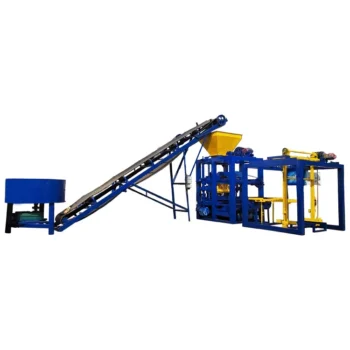
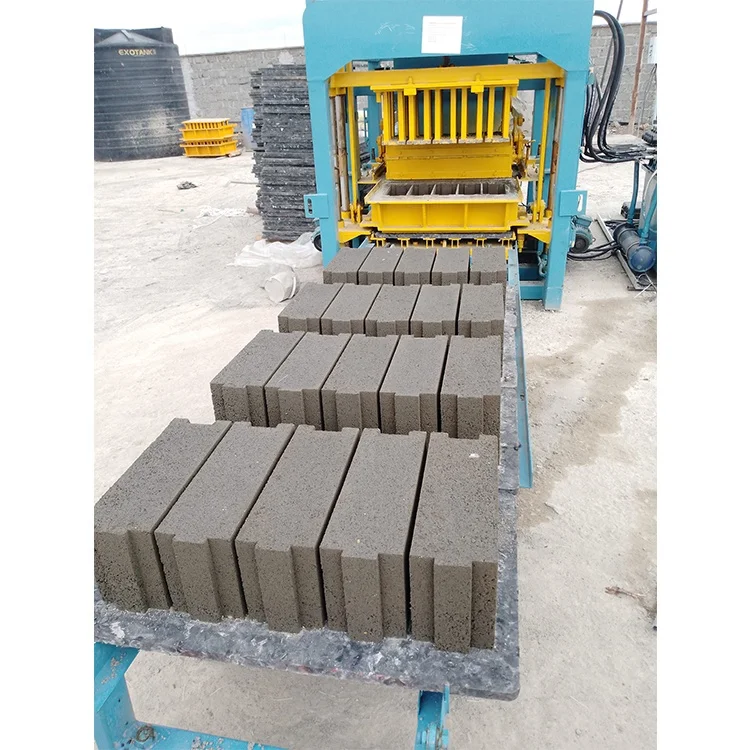
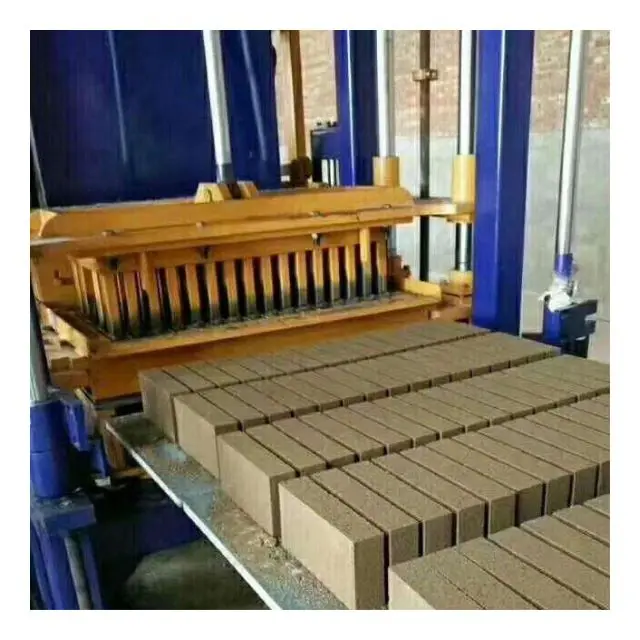
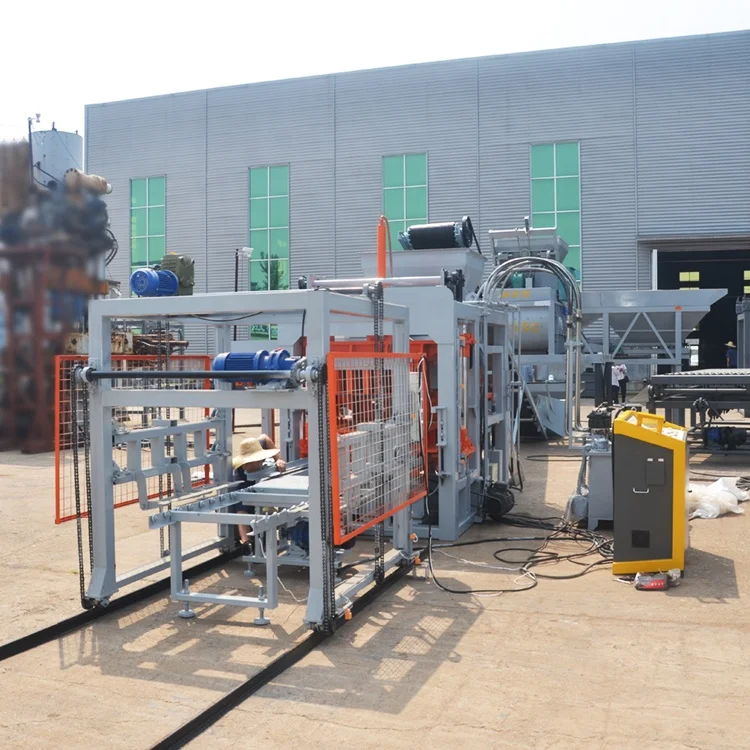
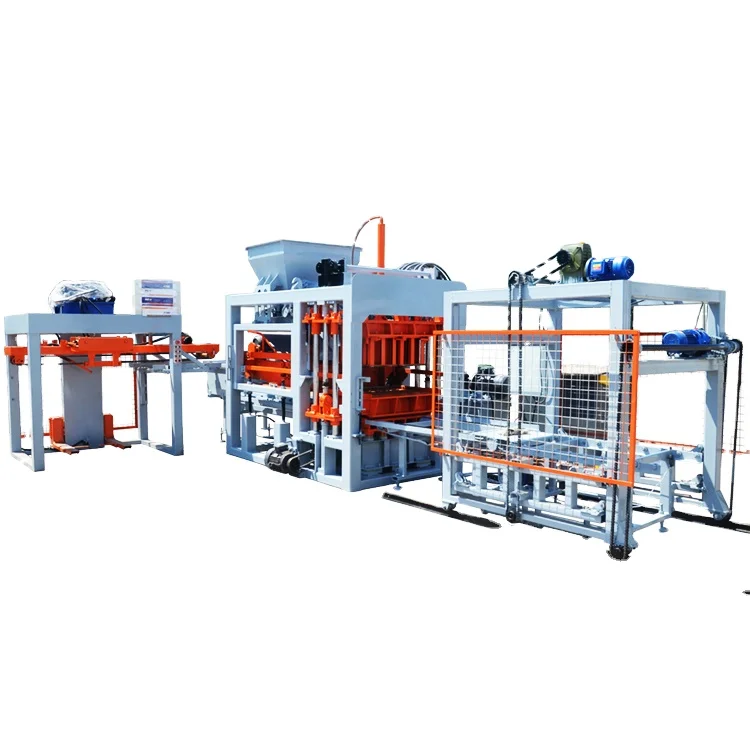
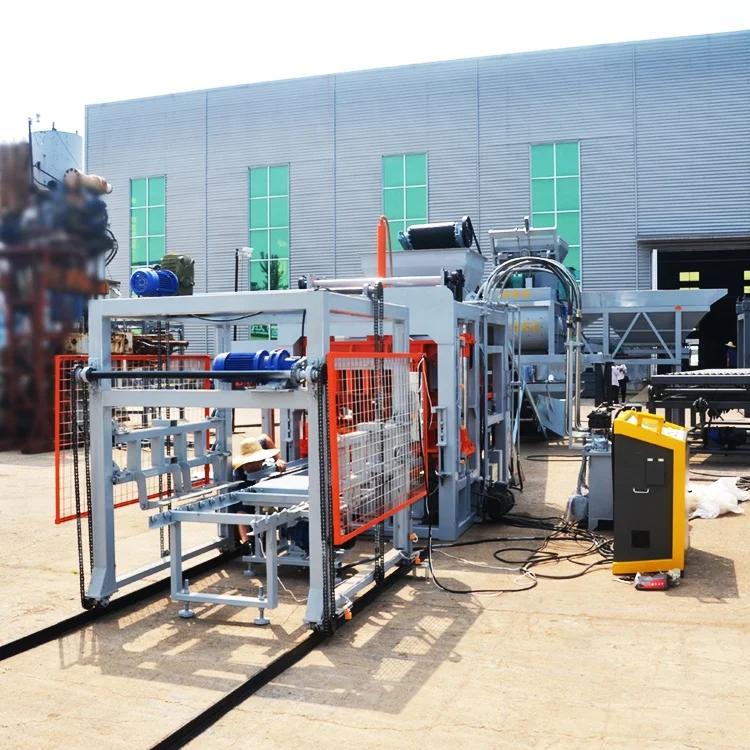
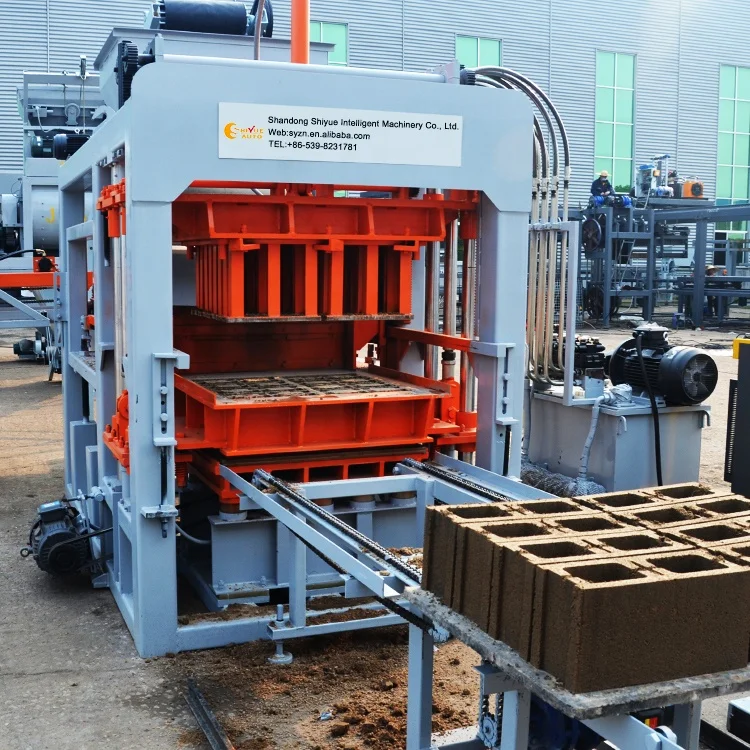
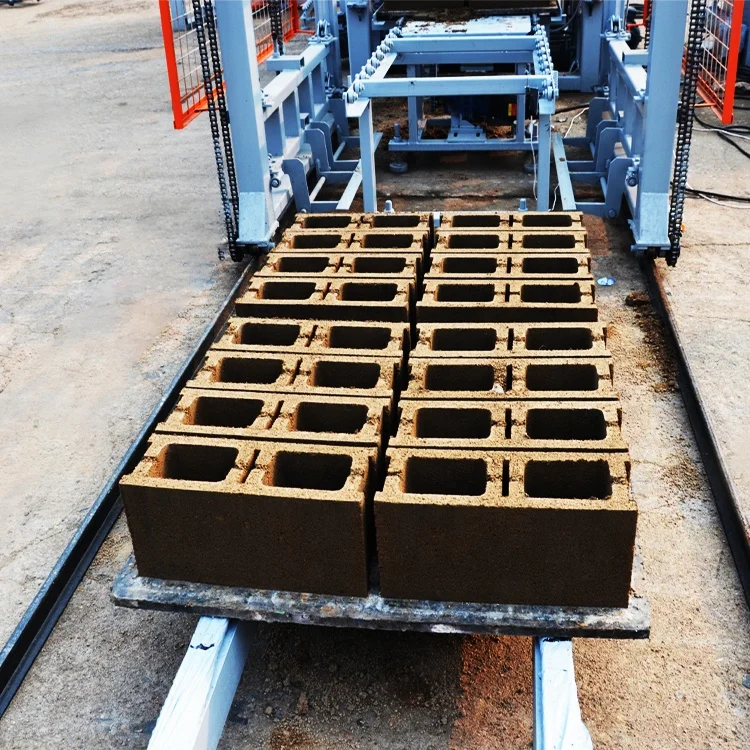
Stocked block machinery — QT6-15 units and standard moulds held in Linyi yard, dismantled for container loading and dispatched to meet construction project deadlines.
Technical Specifications
| Parameter | Value |
|---|---|
| Model | QT6-15 |
| Product Type | Concrete Hollow Block Making Machine |
| Overall Dimensions (L×W×H) | 8200×1700×2950 mm |
| Total Mass | 7 T |
| Vibration Form | Platform Vibration |
| Vibration Frequency | 0-60 Hz |
| Vibration Force | 45 kN |
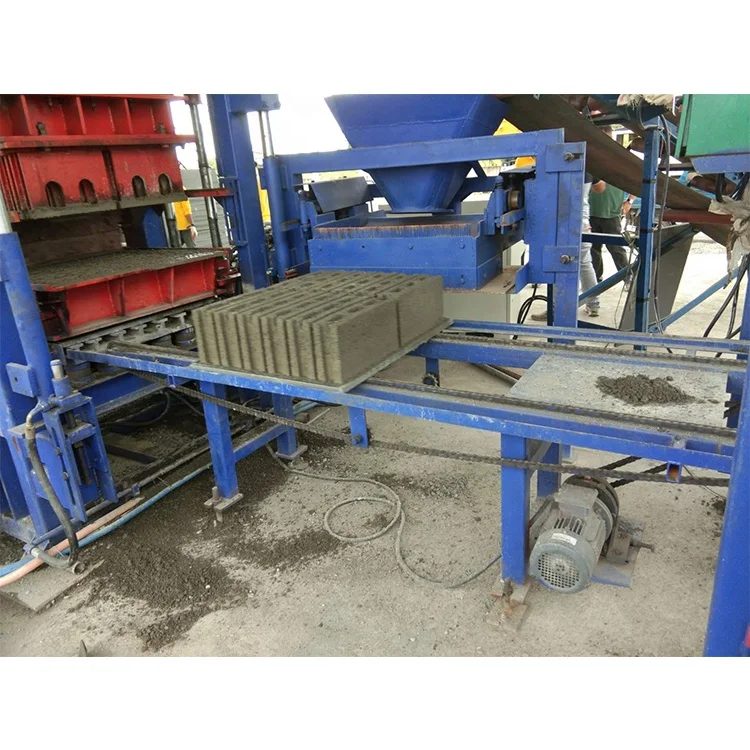
| Moulding Mode | Load automatically, vibration moulding |
| Demolding Method | Hydraulic |
| Molding Cycle | 15-20 s (hollow blocks), 20-25 s (pavers) |
| Pallet Size | 880×850 mm |
| Overall Power | 37 kW |
| Control System | PLC (Programmable Controller) with touch screen |
| Output Capacity (400×200×200 mm hollow block) | 1080-1440 pcs/hour (basis: stated cycle and format) |
| Output Capacity (400×150×200 mm hollow block) | 1440-1920 pcs/hour (basis: stated cycle and format) |
| Output Capacity (240×115×53 mm solid brick) | 5760-7680 pcs/hour (basis: stated cycle and format) |
| Output Capacity (200×100×60 mm rectangular paver) | 2160-2880 pcs/hour (basis: stated cycle and format) |
| Warranty | 1 year for whole machine (excluding spare parts) |
Application Suitability
| Application | Material or Output |
|---|---|
| Hollow block production for building walls | Standard aggregates, crushed stone, sand, cement |
| Solid brick production for masonry | Waste ash, slag, standard aggregates with reduced cement |
| Rectangular paving brick for driveways and walkways | Fine aggregates and cement mixes |
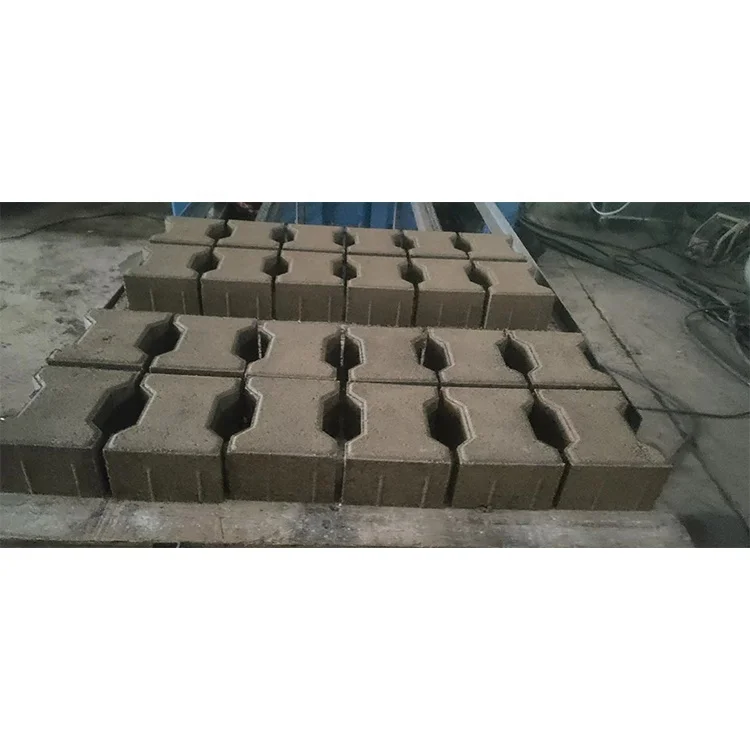
| Zigzag interlocking paving brick | Crushed stone, sand, and cement blends |
Why the Dispatch Date Matters More Than the Cycle Time
When a housing project reaches the masonry phase, a delayed machine means idle crews and stalled timelines. A QT6-15 block machine in stock means your plant can be operational before the building phase starts, not after it has already fallen behind.
Buyers often focus on cycle time and theoretical output, but those numbers mean little if the equipment arrives six weeks after your contractor needs it on site [NEED_CITE: construction project scheduling and equipment lead times]. I have seen contractors order machines against project deadlines only to discover standard production lead times push delivery past their masonry start date. That is why confirming a fast delivery window before placing the order protects the entire project sequence.
Dispatch Readiness for Project-Driven Buyers
A QT6-15 block machine in stock at our Linyi yard is dismantled and prepared for container loading once voltage, frequency, and PLC display language are confirmed for your destination market. The machine breaks down to fit standard shipping configurations, and the dispatch lead time is quoted from order confirmation rather than left vague until production scheduling clears. This matters for contractors and distributors working against confirmed purchase orders where arrival date determines whether the machine earns revenue or sits on a dock.
Container Loading and Arrival Planning
The overall dimensions of 8200×1700×2950 mm and total mass of 7 T dictate how the QT6-15 is dismantled and loaded into shipping containers. We confirm the loading plan before dispatch so you know which container size is required and how the machine will arrive at your port [NEED_CITE: container loading standards for heavy industrial machinery]. Arrival estimates are quoted upfront based on your destination port, giving you a timeline to plan foundation work, electrical connections, and operator availability before the machine clears customs.
Reading the Specification Sheet Against Your Site
The 880×850 mm pallet size must match your existing curing area layout and forklift capacity — ordering without confirming this means pallets that do not fit your racks or a forklift that cannot handle the loaded weight. The 37 kW overall power requirement needs a dedicated circuit with the correct voltage and frequency for your market; arriving with a 380V/50Hz machine in a 440V/60Hz region delays commissioning until a transformer is sourced. The PLC touch screen interface reduces operator dependency during fast-track commissioning, but the display language must be confirmed before the machine leaves the factory to avoid training delays on site.
What Happens When Stock and Configuration Are Ignored
Ordering a machine built to catalogue defaults rather than your destination market specifications leads to commissioning standoffs: wrong voltage means no power-up, wrong PLC language means operators cannot navigate menus, and unconfirmed pallet size means the curing area must be rebuilt around equipment instead of the other way around [NEED_CITE: industrial equipment commissioning delays from specification mismatches]. These problems are avoidable when stock machines are held and configuration is confirmed before the container is sealed.
Why Buyers Source This Machine From Our Yard
Block machinery is our single focus, so the QT6-15 is specified as a matched system — machine, mould, pallet, and handling equipment are confirmed together rather than assembled from separate suppliers after arrival. We hold stock units so dispatch lead time is measured in days from configuration confirmation, not weeks from production scheduling. Standard moulds for the formats your market sells are available alongside the press, so you are not producing hollow blocks while waiting for paver moulds to ship separately. Installation and commissioning support with operator training is arranged against your arrival date, and wear parts and mould replacements are documented so your first reorder does not become a crisis.
Documentation & Verification
- Factory test record on your target block format before dispatch
- Voltage, frequency, and PLC display language confirmation sheet
- Machine specification sheet with capacity stated per block format
- Container loading plan and dismantling configuration for shipment
- Packing photographs before container sealing
Installation, Commissioning & Support
- Foundation area of 1200 m² recommended for the QT6-15 line layout
- Dedicated power circuit matching confirmed voltage and frequency for 37 kW load
- Machine arrives dismantled; on-site reassembly arranged against arrival date
- PLC touch screen parameters set to your block format during commissioning
- Operator training covers mould change procedure and daily maintenance
- Wear parts list and mould replacement schedule documented at handover
Before You Request a Quote
Tell us which block formats your market sells and the daily volume you need to hit, your destination port for an arrival estimate, and your local voltage and frequency so the QT6-15 block machine in stock is configured correctly before dispatch. Confirm your pallet handling setup and curing area dimensions so the 880×850 mm pallets integrate with your existing equipment.
Frequently Asked Questions
Q: Which QT6-15 configurations and mould formats are currently in stock?
A: Standard QT6-15 units are held at our Linyi yard alongside common mould formats for hollow blocks, solid bricks, and paving bricks. Stock availability changes with orders, so confirm your target formats and we will verify current holding against your requirement before quoting dispatch timing.
Q: What is the dispatch lead time from order confirmation to container loading?
A: Once voltage, frequency, and PLC language are confirmed for your market, stock QT6-15 machines are dismantled and loaded within a short window. The exact lead time depends on configuration verification and container availability, quoted from the date your specifications are finalized.
Q: How is the machine dismantled for shipment and what container size is required?
A: The QT6-15 at 8200×1700×2950 mm and 7 T total mass is broken down into major assemblies for container loading. The loading plan and required container size are confirmed before dispatch so you can arrange port handling and inland transport to your site.
Q: Can you quote an estimated arrival date at my destination port before I order?
A: Yes. Once your destination port is confirmed, we provide an arrival estimate based on shipping schedules from the dispatch date. This lets you plan foundation work, electrical installation, and operator availability around a known timeline rather than a vague expectation.
Q: Are voltage, frequency, and PLC language confirmed before the machine leaves the factory?
A: These are confirmed during the order process before the machine is released for dispatch. The 37 kW system is configured to your market standard, and the PLC touch screen display language is set so operators can navigate controls from day one on site.