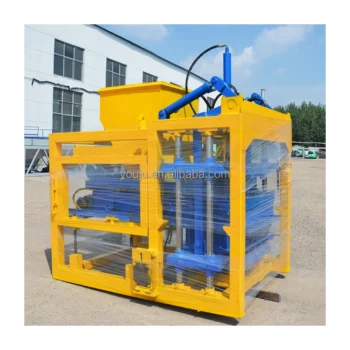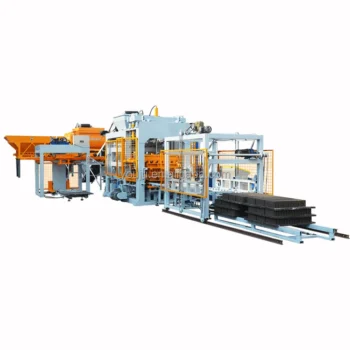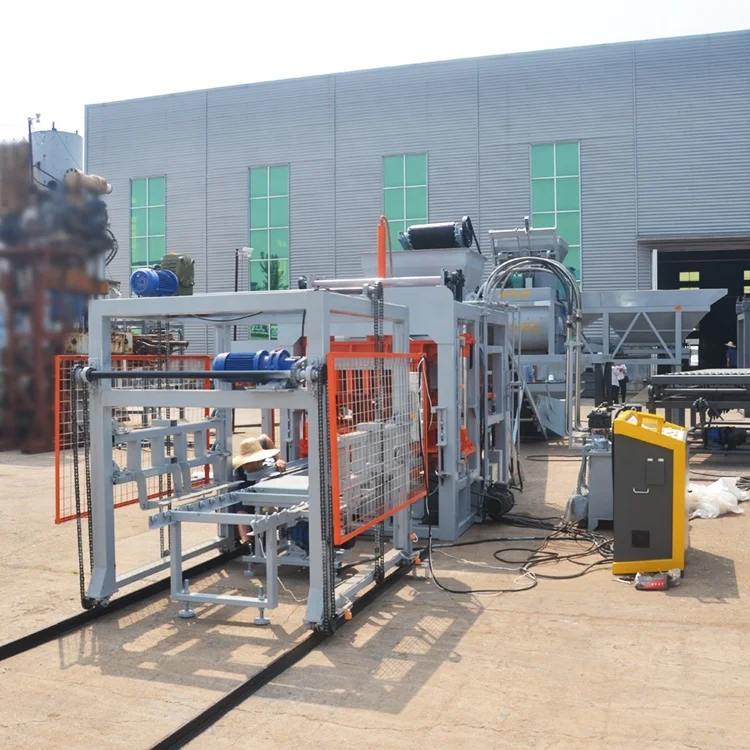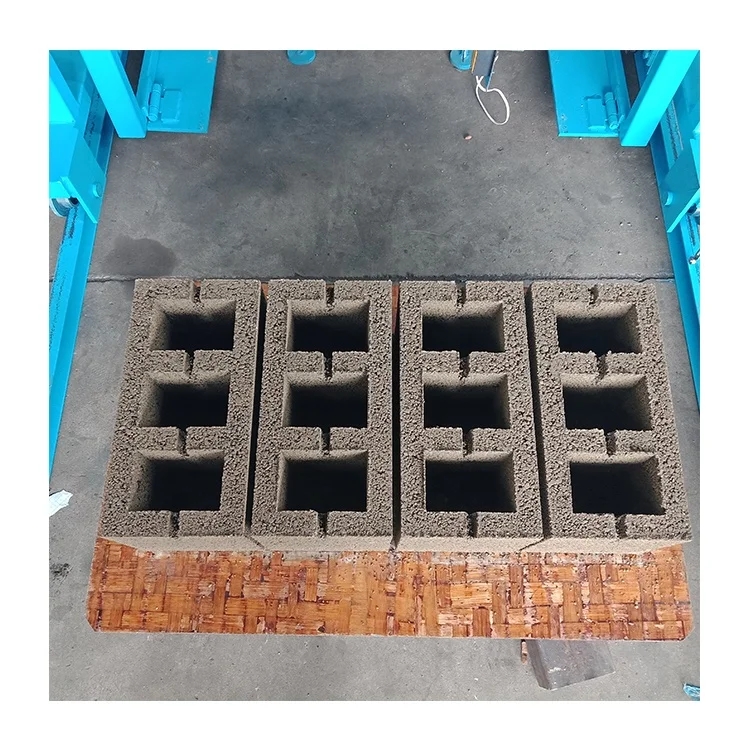


Description
Stocked for Immediate Dispatch — QT6-15 block machines and standard moulds held in Linyi warehouse, container loading plan and arrival estimate quoted before payment so your project deadline stays intact.
Technical Specifications
| Parameter | Value |
|---|---|
| Model | QT6-15 |
| Product Type | Automatic Concrete Block Making Machine |
| Molding Way | Vibration and hydraulic pressing |
| Rated Pressure | 21 MPa |
| Molding Cycle | 15s–20s (basis not stated in source — confirm block format / material / thickness) |
| Pallet Size | 900×700 mm |
| Main Machine Weight | 6000 kg |
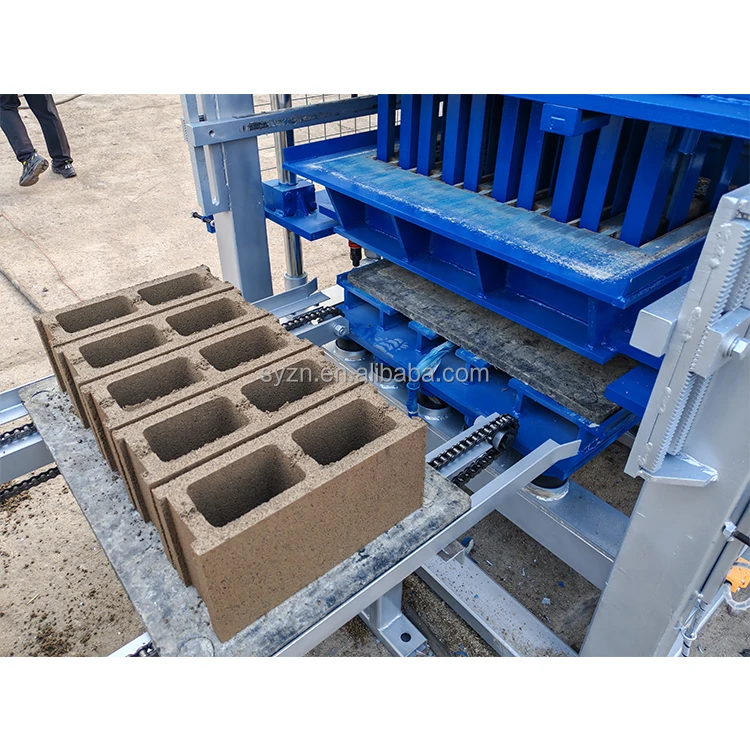
| Output – Hollow Block 400×200×200 mm | 6 pcs/pallet, 1440 pcs/h, 11520 pcs/8h |
| Output – Paving Brick 200×100×60 mm | 21 pcs/pallet, 5040 pcs/h, 40320 pcs/8h |
| Output – Solid Brick 240×115×53 mm | 32 pcs/pallet, 7680 pcs/h, 61440 pcs/8h |
| Raw Materials | Cement, sand, fly ash, stone powder, slag |
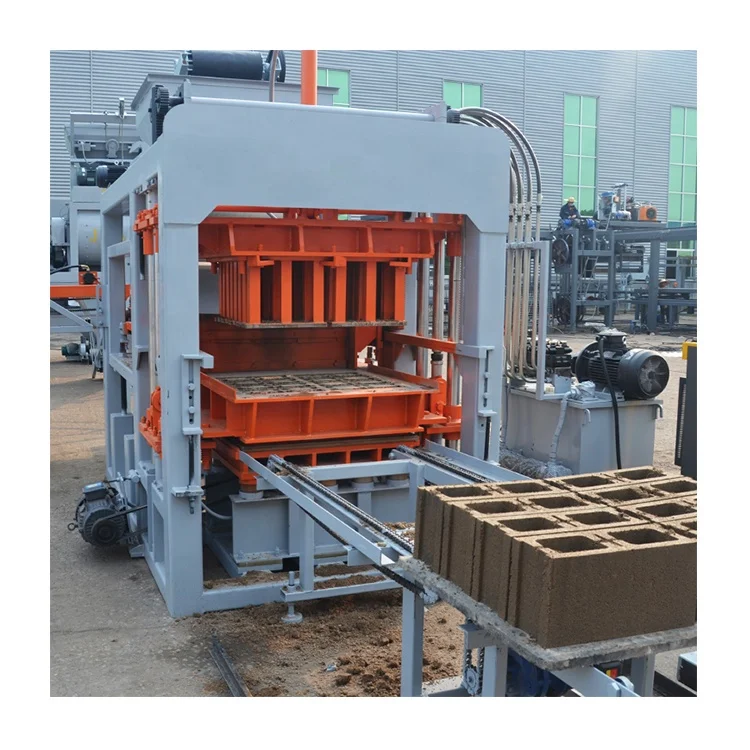
| Simple Line Configuration | JS500 mixer, 8 m conveyor belt, automatic stacker |
| Full Line Configuration | Cement silo, screw conveyor, cement scale, batching machine, pallet loader, block and pallet separator |
| Voltage | Customizable to local grid (confirm before dispatch) |
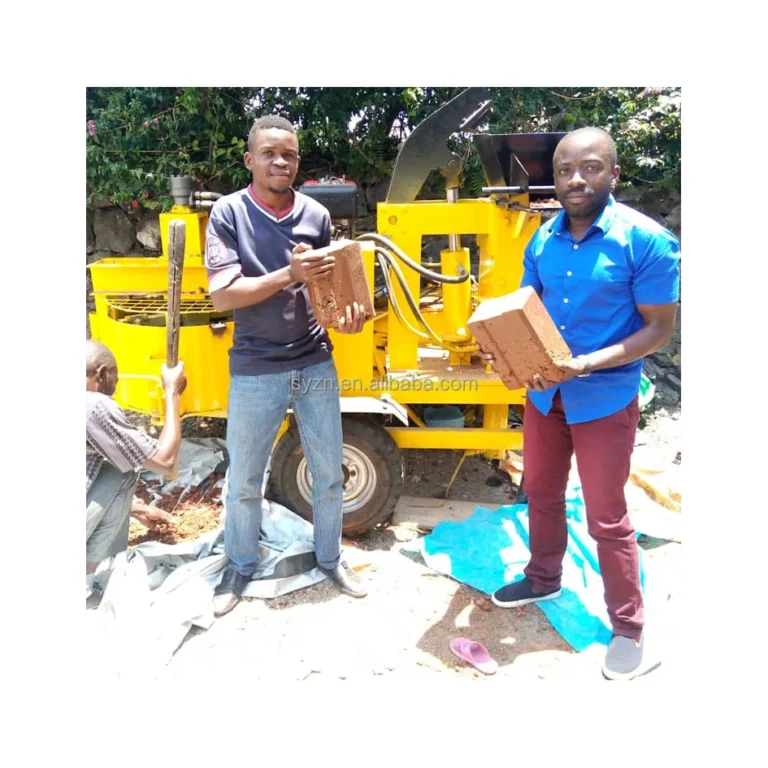
| Mobility | Wheels fitted for on-site relocation |
| Warranty | 1 year (excluding wearing parts) |
Application Suitability
| Application | Material or Output |
|---|---|
| Hollow block production for wall construction | Cement, sand, fly ash, crushed stone powder |
| Paving brick manufacturing for roads and walkways | Cement, slag, stone powder blends |
| Solid brick production for load-bearing structures | Cement, sand, stone powder |
| Interlocking brick for retaining walls and slopes | Cement and local aggregate mixes |
| On-site block supply for construction contractors | Locally sourced raw materials confirmed before dispatch |
Why Voltage Confirmation Must Happen Before the QT6-15 Block Machine in Stock Ships
Every QT6-15 block machine in stock leaves our Linyi yard only after voltage, frequency, and PLC display language are confirmed in writing against the buyer’s local grid.
I once coordinated the dispatch of a semi-automatic interlocking brick machine to Indonesia. The unit arrived on schedule, sat in the yard, and the customer spent three weeks sourcing a transformer because the factory-default voltage did not match their site supply. That delay cost them more than any shipping savings. Since then, I treat the electrical confirmation sheet as a hard gate — no machine leaves without it. When you are ordering a QT6-15 block machine in stock against a project timeline, an electrical mismatch at arrival is the most expensive mistake you can make [NEED_CITE: voltage and frequency standards by export market].
Dispatch Readiness and Container Loading
The QT6-15 is a wheeled machine weighing approximately 6000 kg, which means dismantling and loading sequence directly affect transit safety and reassembly speed at your site. Before dispatch, the main frame, hydraulic station, mixer, and conveyor sections are separated and secured inside the container with blocking and bracing. A loading photograph set is shared with the buyer so you know exactly which bolt bag corresponds to which assembly point.
For buyers working to a tight project deadline, the QT6-15 block machine in stock is prepared for loading within days of order confirmation rather than weeks of production. Container type and internal arrangement are confirmed upfront so arrival estimates hold.
Stock Models Versus Built-to-Order Lead Times
Holding QT6-15 units in standard configuration means the most common moulds — hollow block, paving brick, and solid brick — are matched and packed alongside the press. Standard mould inventory removes the typical multi-week wait for custom tooling. If your project requires a non-standard format, the mould design and fabrication timeline is quoted separately so it does not hold up the main machine dispatch.
Dispatch lead time is quoted in calendar days from payment receipt, not vague production windows. The arrival estimate at your destination port factors in current shipping schedules from Linyi and is provided before you commit [NEED_CITE: typical ocean freight transit windows from Shandong ports].
How 21 MPa and Vibration Shape Your Block Output
Rated hydraulic pressure of 21 MPa working together with the vibration system determines the density and compressive strength of each block leaving the press. Higher pressure compresses the mix more tightly, but without sufficient vibration the material will not flow evenly into mould corners — you get dense centres and weak edges. The QT6-15 pairs both forces so the mould fills completely before the press cycle finishes.
Pallet size at 900×700 mm must match the curing racks and forklift tines already on your site. If your existing curing area uses a different pallet dimension, blocks will need manual re-stacking after pressing, which cancels out the speed advantage of the automatic stacker in the simple line configuration. Confirm your pallet ecosystem before the machine ships.
Moulding cycle time of 15s–20s applies to standard formats under typical mix conditions. Thicker blocks, heavier aggregate, or higher cement content extend cycle time because the vibration must penetrate deeper. Capacity figures in the specifications table — such as 11,520 hollow blocks per 8-hour shift at 400×200×200 mm — assume the stated format and should be re-calculated for your actual product mix.
What Happens When Stock and Dispatch Details Are Skipped
Ordering a block machine without written confirmation of what is physically in the warehouse can mean paying a deposit and then waiting through a full production cycle you were not expecting. Buyers who skip the container loading plan sometimes find that key components arrived loose and shifted during transit, requiring on-site welding before commissioning can begin. Missing customs documentation — the CE declaration, packing list, or commercial invoice formatted for your port — holds the container at clearance while demurrage charges accumulate daily [NEED_CITE: CE machinery directive requirements for industrial equipment].
Why Procurement Through This Channel Holds Up
Block machinery is the single focus of the operation, so the QT6-15 press, its moulds, pallets, and handling equipment are specified as one matched set rather than assembled from separate vendors. Configuration is checked against your local aggregate and target block format, not pulled from a catalogue default. Standard moulds for the formats your market actually sells are stocked alongside the machine. Voltage, frequency, and control language are locked in before dispatch. Installation support and operator training are scheduled to align with your machine’s arrival, not fitted into a generic calendar.
Documentation & Verification
- Factory test record run on your specified block format before dispatch
- Voltage and control language confirmation sheet signed before production release
- Container loading photograph set with component-to-bolster mapping
- CE declaration and commercial invoice formatted for your import port
- Hydraulic and electrical schematic matching the as-shipped configuration
Installation, Commissioning & Support
- Foundation pad must accommodate 6000 kg main machine weight plus mixer and conveyor load
- Dedicated power circuit matching confirmed voltage and frequency, separate from site lighting
- Machine arrives dismantled; reassembly sequence documented in packing photographs
- Commissioning includes first-run cycle timing on your local raw material blend
- Operator training covers mould change procedure and daily vibration table inspection
- Wearing parts list provided at handover for first replacement ordering cycle
Before You Send the Inquiry
Share the block format you need to produce daily, your target output per shift, and the raw materials available locally. Include your site voltage and frequency so the electrical configuration is matched before the machine enters dispatch preparation. If you already have curing racks, pallets, or a forklift on site, send the dimensions so the 900×700 mm pallet specification is verified against your existing setup.
Frequently Asked Questions
Q: Which QT6-15 models and standard moulds are currently in stock?
A: Standard QT6-15 units configured for hollow block, paving brick, and solid brick formats are held in the Linyi warehouse. Each stocked machine is paired with matching moulds and the simple line package including the JS500 mixer and 8 m conveyor. Custom mould formats are fabricated to order with a separate lead time quoted before payment.
Q: What is the dispatch lead time and estimated arrival date for my port?
A: Dispatch lead time for stocked QT6-15 machines is quoted in calendar days from payment receipt, not open-ended production windows. The arrival estimate at your destination port is calculated from current shipping schedules out of Shandong and provided in writing before you confirm the order.
Q: How is the machine dismantled and loaded into a container for shipment?
A: The 6000 kg main frame, hydraulic station, JS500 mixer, and conveyor sections are separated and secured with blocking inside the container. A complete photograph set showing each component’s position and bolt-bag mapping is shared with the buyer before the container is sealed, so reassembly on site follows a documented sequence.
Q: Can voltage and control language be confirmed before the machine ships?
A: Voltage, frequency, and PLC display language are confirmed in writing against your local grid supply before the machine enters dispatch preparation. This gate exists specifically to prevent the situation where a machine arrives at site and sits idle waiting for a transformer or rewiring work.
Q: What customs documentation is provided for import clearance?
A: Each shipment includes the CE declaration, commercial invoice formatted for your destination port, packing list with component-level detail, and the factory test record. The hydraulic and electrical schematic matching the as-shipped configuration is also included so local inspectors can verify compliance without requesting additional paperwork.