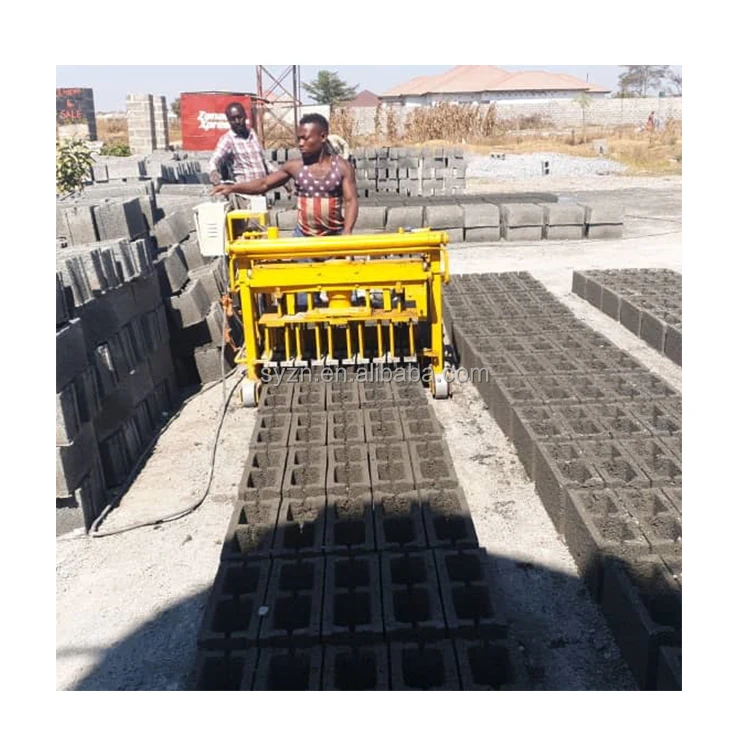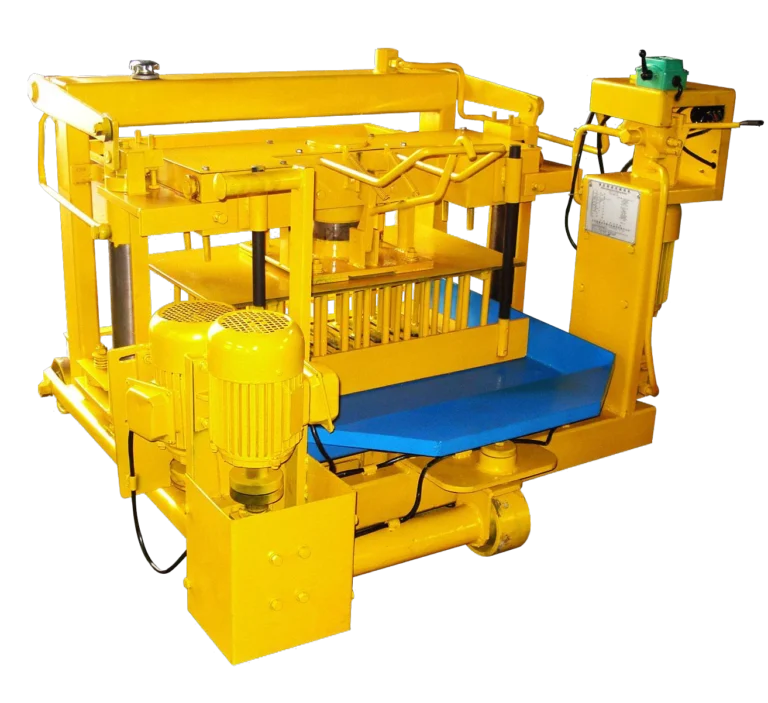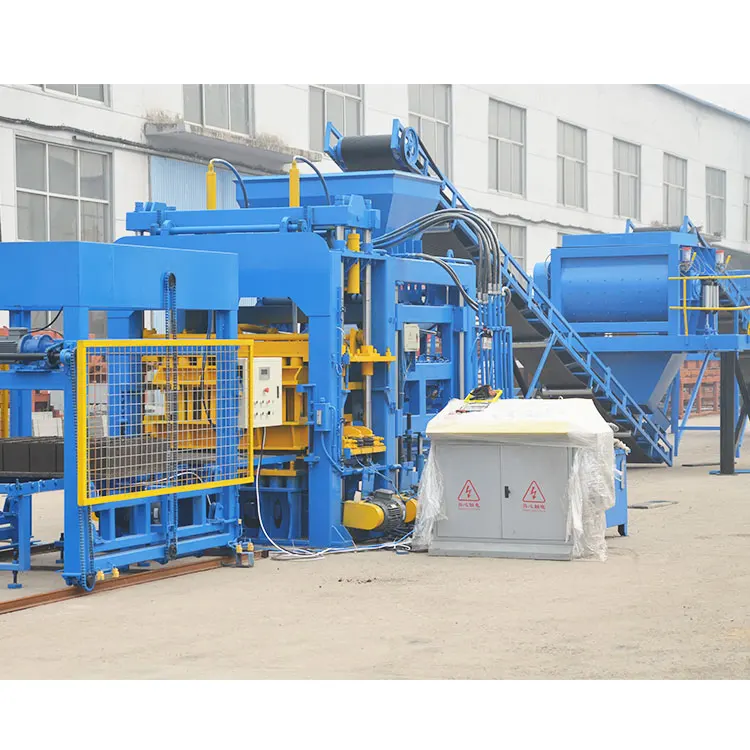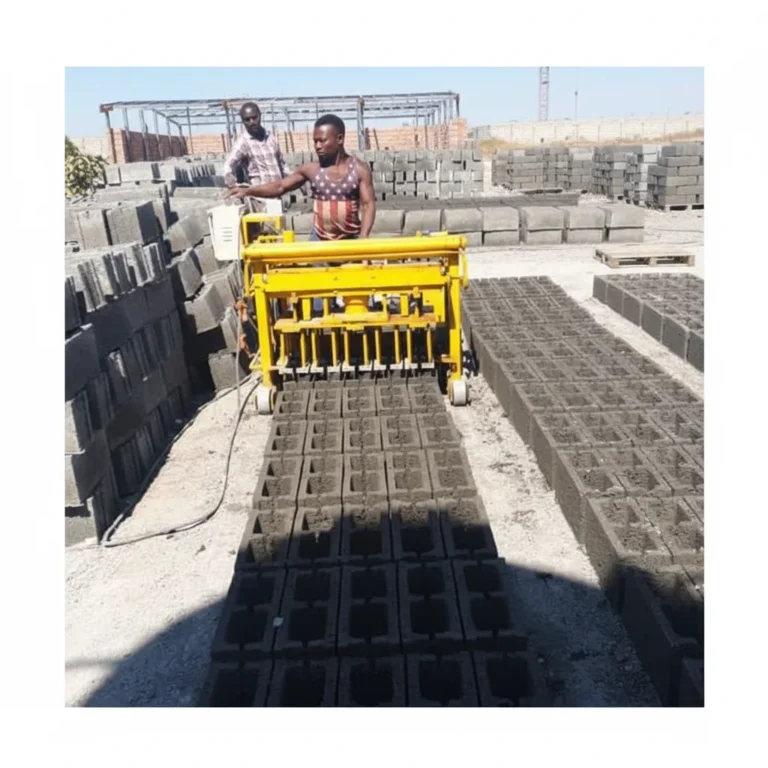



Description
Ready-to-ship line configuration — every stocked QT7-15 leaves our yard with container loading plans and dispatch dates confirmed before payment, not after.
Technical Specifications
| Parameter | Value |
|---|---|
| Model | QT7-15 |
| Product Type | Automatic Concrete Block Making Machine |
| Dimension of Host Machine | 3200 × 2300 × 2750 mm |
| Weight of Host Machine | 6 Tons |
| Molding Area | 1150 × 700 mm |
| Workshop Area Required | 200 m² |
| Host Machine Power | 45 kW |
| Vibration Force | 100 kN |
| Vibration Method | Hydraulic + Platform Vibration |
| Vibration Frequency | 2800–4500 Times/Minute |
| Pallet Size | 1150 × 700 × 25 mm |
| Molding Period | 15 Seconds |
| Control System | Siemens PLC with independently developed control program |
| Motor | Germany Siemens or CE standard brand |
| Travel Switch | France Schneider / Japan Omron |
| Voltage | 220 / 380 / 415 / 440V (Customized) |
| Mould Heat Treatment | Carburizing, 54–58 HRC, lifespan over 100,000 cycles |
| Welding Standard | Carbon dioxide protection welding, CE standard materials |
| Batching Machine (PLD1200) | 1200L weigh-batching hopper, 4 × 2.5 m³ storage, ±2% precision |
| Mixer (JS500) | 800L charging / 500L discharging, 25 m³/h capacity, 18.5 kW motor |
| Stacker (SY-4) | 3 kW, mobile pallet stack for hollow blocks and pavers |
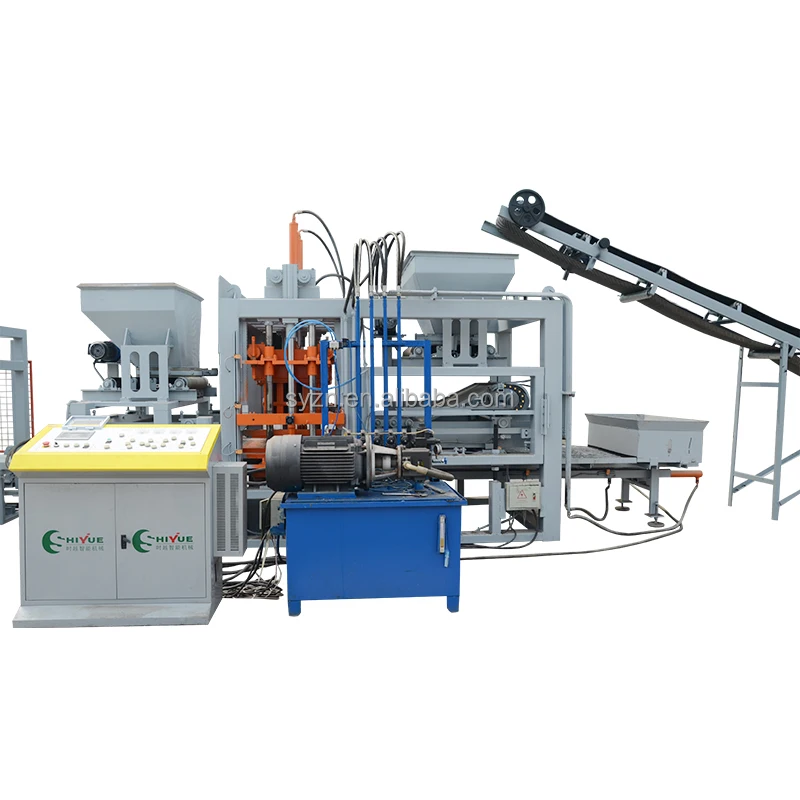
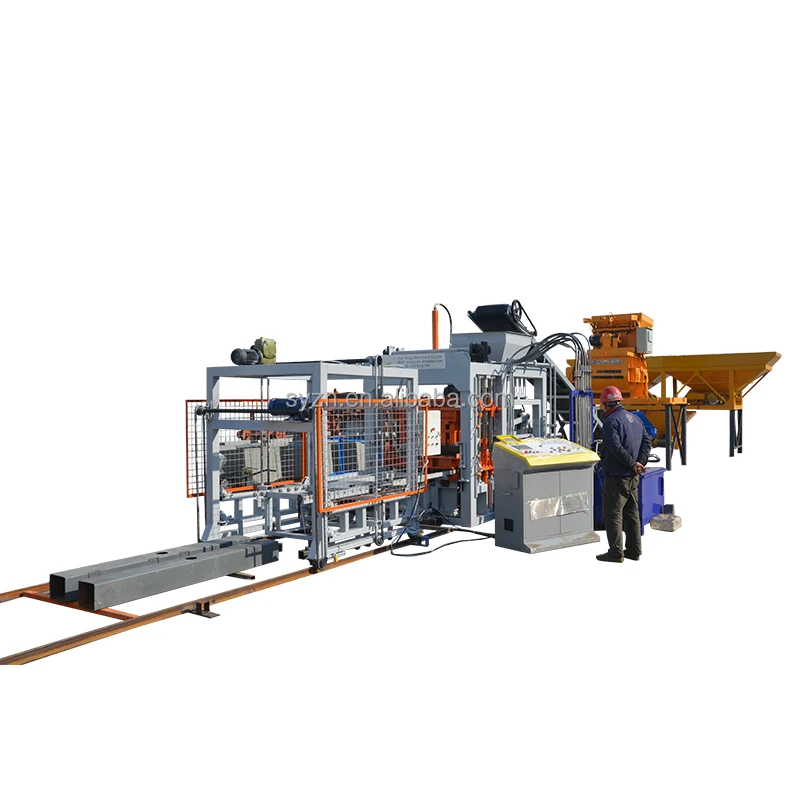
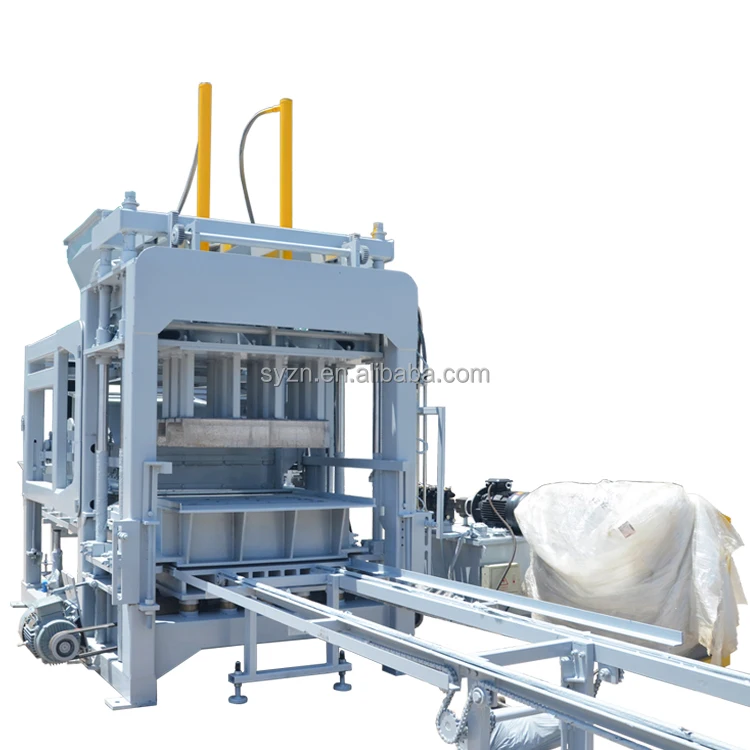
| Grouped Equipment | Host machine, pallet feeder, brick receiver, hydraulic station, PLD1200, JS500, conveyor, hydraulic trolley |
| Standards | CE |
Application Suitability
| Application | Material or Output |
|---|---|
| Hollow block production | Crushed stone, sand, cement, fly ash blends |
| Solid block manufacturing | Dense aggregate mixes for load-bearing walls |
| Paving block and color paver | Fine aggregate with pigment dosing for surface finish |
| On-site contractor production | Local quarry aggregate with variable gradation |
| Regional distributor inventory | Standard block formats for resale to builders |
Why Vague Lead Times Cost More Than the Machine Itself
When a project deadline is fixed, a QT7-15 block machine in stock matters less than knowing exactly when it clears your port. We quote dispatch lead time and estimated arrival date in writing at the quotation stage — not after your deposit clears.
I have watched contractors lose weeks because a supplier quoted "fast delivery" without specifying whether the machine was assembled, tested, or even crated. By the time the container arrived, the foundation was cured, the crew was hired, and every idle day burned through project margins. Confirming which configurations are physically on the yard and how many containers the dismantled line requires should happen before any money moves [NEED_CITE: typical container loading plans for stationary block machine lines].
What "In Stock" Actually Means for Your Project
A stocked QT7-15 block machine in stock is not just the host press sitting in a warehouse. The complete grouped equipment — PLD1200 batching machine, JS500 mixer, pallet feeder, brick receiver, hydraulic station, conveyor belt, and hydraulic trolley — must all be matched and ready to ship together. Missing one component delays the entire line.
Dispatch Clarity Before You Commit
Before payment, we provide a written container loading plan showing how the QT7-15 is dismantled, which components go into each container, and the estimated transit window to your destination port. This removes the guesswork that turns a fast delivery stationary block machine into a months-long waiting game [NEED_CITE: standard export crating and container loading procedures for heavy industrial machinery].
Reading the Specs That Actually Matter on Site
The 100 kN vibration force combined with hydraulic pressure determines whether your hollow blocks reach target density with your specific aggregate blend. A high-clay local sand will absorb vibration energy differently than clean crushed granite, and the PLC program must be tuned accordingly. The 1150 × 700 mm pallet size must match the curing racks and forklift tines already at your yard — ordering a pallet size without checking this creates a bottleneck the machine itself cannot solve.
Voltage is another frequent arrival surprise. The QT7-15 supports 220/380/415/440V configurations, but the correct setting must be locked in before the motor is wired at the factory. Arriving with a 380V motor in a 415V region means rewinding or replacing motors before the first block is pressed.
The Hidden Cost of Skipping Pre-Shipment Confirmation
Buyers who skip voltage confirmation, pallet compatibility checks, and PLC language setup before shipment often discover these gaps during commissioning — when the machine is already bolted to the foundation and the crew is waiting. Reworking electrical panels on site adds days and requires local electricians who may not be familiar with Siemens PLC architecture. Language mismatches on the HMI display slow operator training and increase the chance of parameter errors during early production runs [NEED_CITE: common commissioning delays in exported concrete block machinery].
Why This Machine Ships From a Single Source
The QT7-15 and every supporting component in the grouped equipment list come from one production line, meaning the pallet feeder timing, mixer discharge rate, and press cycle are calibrated to work together rather than assembled from mismatched suppliers. Container loading plans are prepared against the actual dismantled dimensions of this specific model. Voltage, frequency, and control language are confirmed against your site conditions before the machine enters final assembly. Standard moulds for hollow block, solid block, and paving formats are stocked alongside the press, so format changes do not require a second shipment.
Documentation & Verification
- Factory test record run on your target block format before crating
- Voltage and PLC display language confirmation sheet signed before dispatch
- Container loading photograph set showing dismantling and securing method
- Mould drawing package with format list and changeover procedure
- Hydraulic and electrical schematic matching your shipped configuration
Installation, Commissioning & Support
- Foundation plan matching 3200 × 2300 mm host footprint and 6-ton static load
- Dedicated 45 kW circuit with correct voltage tap confirmed before energizing
- Dismantled reassembly sequence with torque specs for structural bolted joints
- Siemens PLC program loaded with your confirmed language and block parameters
- Operator training covers mould change, pallet feed timing, and vibration tuning
- Wear parts list including mould liners and hydraulic seals for first replacement cycle
What to Include With Your Inquiry
To match a stocked QT7-15 to your site and confirm a realistic arrival window, send your target block formats and dimensions, the local voltage and frequency standard, and your port of destination. If you have existing curing racks or forklifts, include the pallet dimensions they accept so we can verify compatibility before loading.
Frequently Asked Questions
Q: Which QT7-15 configurations and moulds are currently in stock and ready to ship?
A: Standard configurations include the full grouped equipment line with PLD1200 batching, JS500 mixer, and SY-4 stacker. Hollow block, solid block, and paving block moulds in common formats are typically available alongside the host machine. Exact stock status is confirmed at inquiry with a written list of available mould drawings and pallet specifications.
Q: How is the machine dismantled for container loading, and how many containers are needed?
A: The host machine, hydraulic station, batching unit, mixer, and stacking equipment are separated into major assemblies. A container loading plan is provided before payment showing which components enter each container and how they are secured. The total container count depends on the mould quantity and pallet stock included in your order.
Q: What is the realistic dispatch-to-arrival timeline for my destination port?
A: Dispatch lead time is quoted in writing at the quotation stage based on current stock status and factory test scheduling. Transit time depends on your destination port and shipping route. We provide an estimated arrival window so you can align foundation work, crew hiring, and raw material procurement to a known date.
Q: Can voltage and PLC display language be confirmed and adjusted before shipment?
A: Yes. The QT7-15 supports 220, 380, 415, and 440V configurations, and the Siemens PLC display language is set before the control panel leaves the factory. Both are confirmed in writing during the quotation stage to prevent rewiring or reprogramming delays during on-site commissioning.
Q: What spare parts and wear items ship with the machine so production can start immediately?
A: Each shipment includes a wear parts list covering items such as mould liners, hydraulic seals, and vibration platform components. The specific spare parts package is confirmed before crating so you have the consumables needed for the first production weeks without waiting for an international parts shipment.