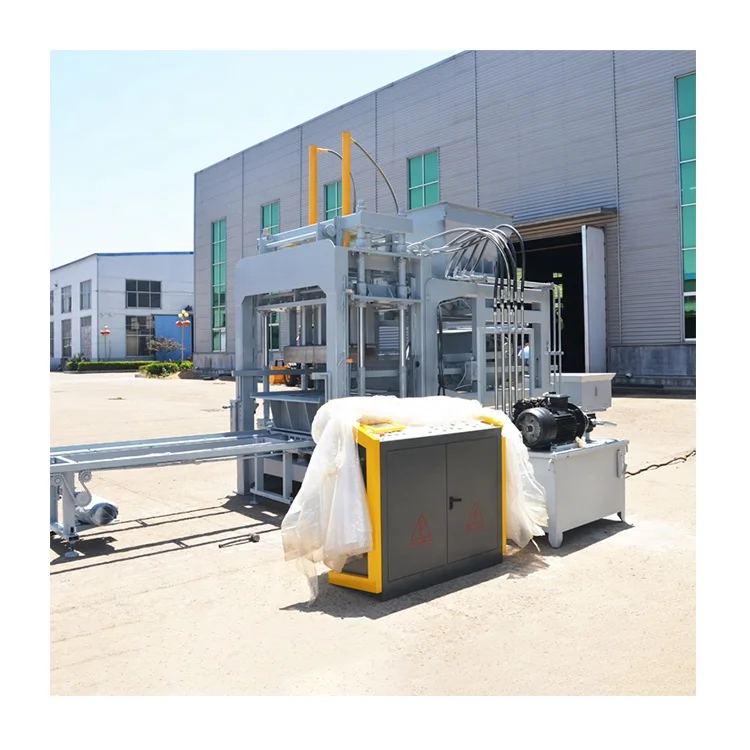
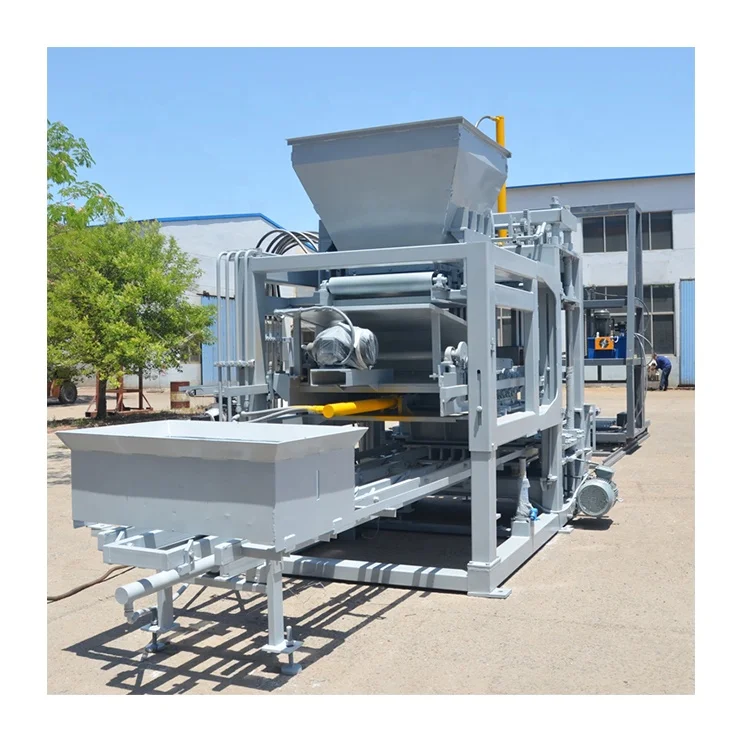
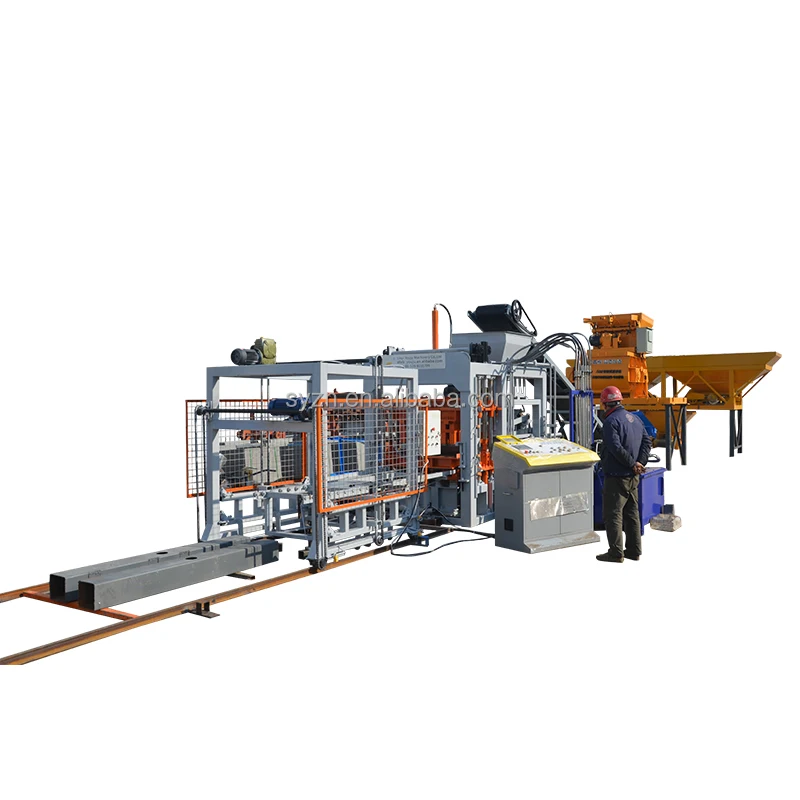
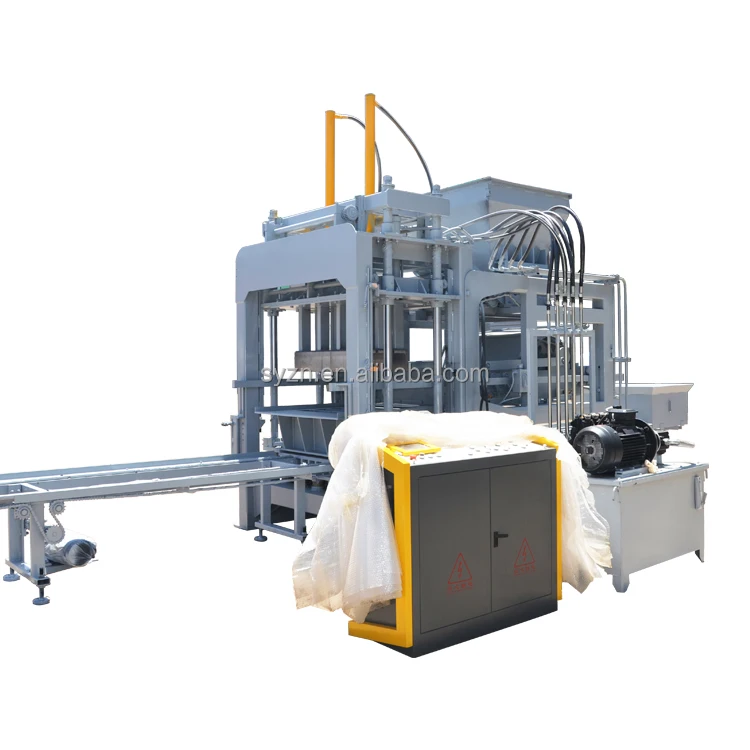
Description
Stock Dispatch Confidence — QT7-15 block machine ready in standard configuration with confirmed lead time, so your project schedule dictates the delivery date, not factory backlog.
Technical Specifications
| Parameter | Value |
|---|---|
| Model | QT7-15 |
| Product Type | Hydraulic Concrete Block Making Machine |
| Pallet Size | 1150x700mm |
| Molding Cycle | 15-25s depending on block format and material |
| Overall Power | 45kW |
| Vibration Force | 100kN |
| Total Mass | 8T |
| Vibration Frequency | 0-60Hz |
| Vibration Form | Platform Vibration |
| Demolding Method | Hydraulic |
| Control System | PLC with touch screen interface |
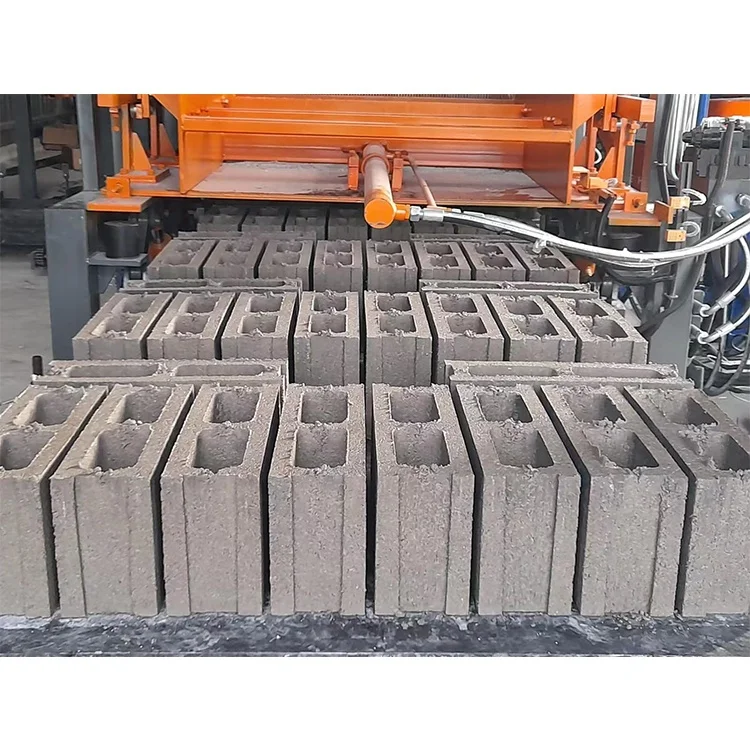
| Output Capacity | 1260-1680 pcs/h (based on 400x200x200mm hollow block, 7 pcs/mould, 15-20s cycle) |
| Output Capacity | 1440-1920 pcs/h (based on 400x150x200mm hollow block, 8 pcs/mould, 15-20s cycle) |
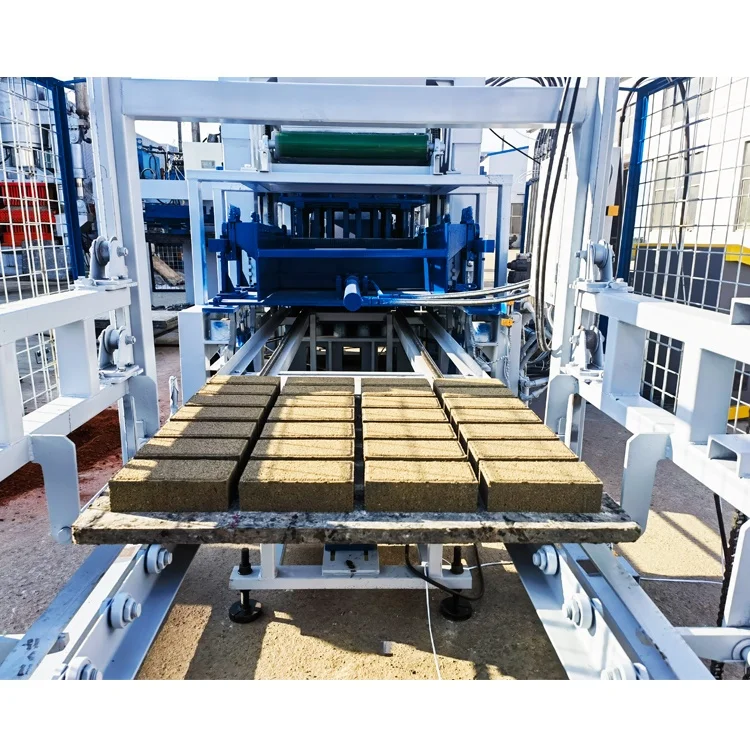
| Output Capacity | 3888-4860 pcs/h (based on 200x100x60mm rectangular brick, 27 pcs/mould, 20-25s cycle) |
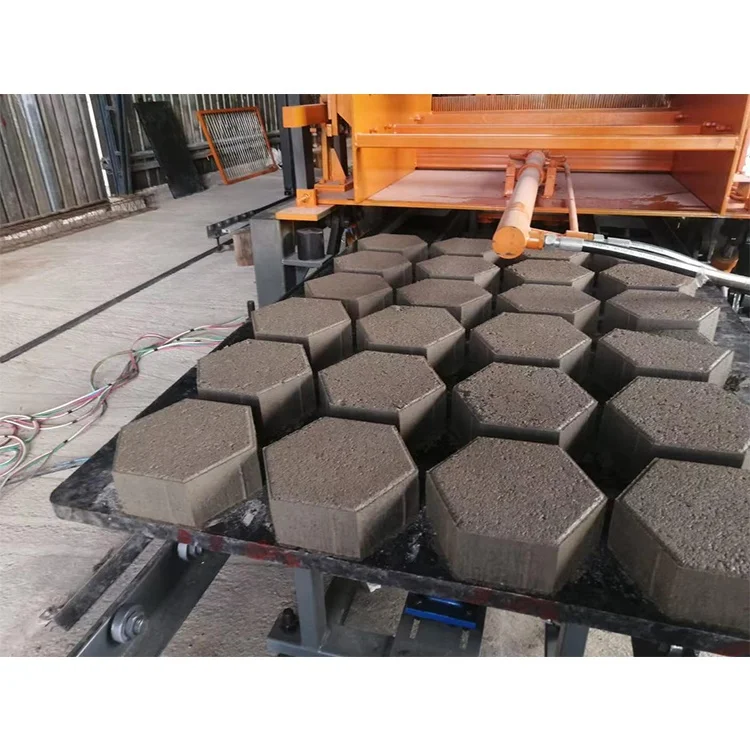
| Mould Format Options | Hollow block, rectangular brick |
| Mould Change System | Quick replacement mechanism |
| Automation Level | Automatic with PLC intelligent control |
| Standard Compliance | CE declaration where applicable |
Application Suitability
| Application | Material or Output |
|---|---|
| Hollow block production plants | Crushed stone, cement, sand aggregate mixes for 400x200x200mm and 400x150x200mm formats |
| Rectangular brick manufacturing | Fine aggregate and cement blends for 200x100x60mm paving and wall bricks |
| On-site construction block production | Local aggregate and cement for project-specific hollow block formats |
| Building material distributor stock replenishment | Standard hollow and solid brick formats for regional market supply |
| Housing development contractors | Site-produced hollow blocks using locally sourced raw materials |
Why "In Stock" Matters More Than Catalog Output Claims
A stocked QT7-15 block machine ships on your timeline, not after a production queue clears.
Project deadlines do not wait for manufacturing slots. When a contractor commits to a housing development or a distributor promises delivery to a retail network, the equipment arrival date becomes the critical path. Waiting six to eight weeks for a machine to be built — only to discover voltage mismatches or missing documentation at the port — turns a tight schedule into penalties and lost contracts. The QT7-15 block machine in stock configuration eliminates that uncertainty because the unit exists before your inquiry arrives [NEED_CITE: typical block machine manufacturing lead times and project scheduling conflicts].
Dispatch Timeline You Can Build a Schedule Around
Standard configuration units of the QT7-15 block machine in stock status move from order confirmation to container loading within a defined window. The machine ships with the 1150x700mm pallet system, 45kW power package, and PLC control cabinet pre-installed and factory-tested. Voltage and control language confirmation happens during the order process, not after the crate arrives at destination. This sequencing prevents the scenario where a machine sits uncommissioned because the touch screen displays in the wrong language or the motor winding does not match local grid frequency.
Container Loading and Dismantling for Transit
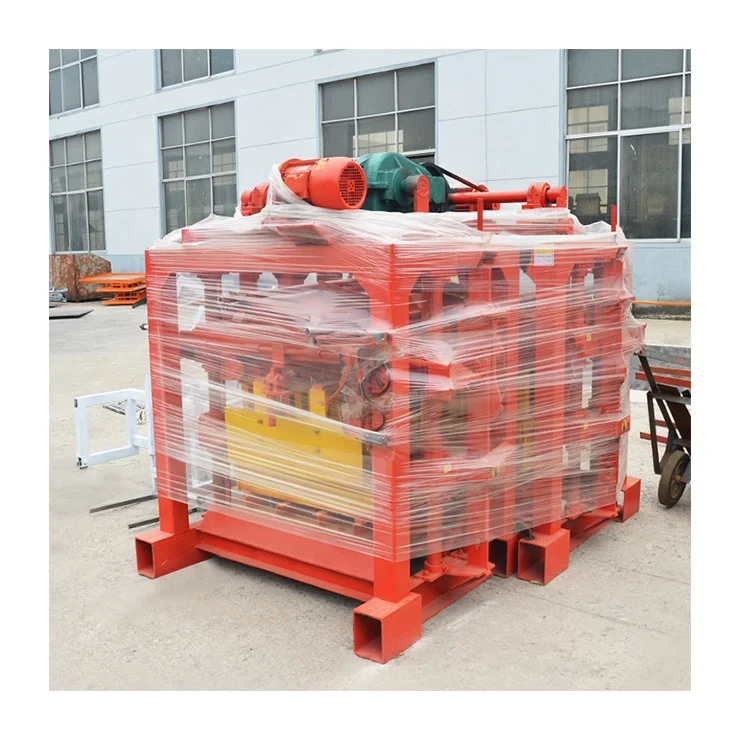
The 8-tonne total mass and platform vibration assembly require specific dismantling procedures before container loading. The hydraulic system, vibration platform, and control cabinet separate into manageable components that fit standard 40-foot containers alongside pallets and mould inventory. Reassembly at destination follows a documented sequence with the same bolt patterns and connection points used at the factory [NEED_CITE: international machinery shipping standards for heavy equipment dismantling]. The QT7-15 block machine in stock includes packing photographs and loading plans so the receiving team knows what to expect before the container door opens.
How Vibration Force and Hydraulic Pressure Interact During Block Formation
The 100kN vibration force operating at 0-60Hz frequency compacts the concrete mix against the mould walls while hydraulic pressure simultaneously compresses from above. This dual-action densification determines whether the finished block achieves structural strength or crumbles at the edges during handling. Platform vibration transmits energy uniformly across the 1150x700mm pallet surface, which matters when producing 27 rectangular bricks per mould cycle versus 7 hollow blocks. The PLC touch screen interface allows operators to adjust vibration frequency and cycle duration for different aggregate sizes, so a mix with coarse crushed stone receives longer vibration than a fine sand blend. Without this adjustability, a machine configured for one material produces inconsistent density when the raw material source changes.
What Happens When Pallet Size and Curing Area Do Not Match
Buyers who select pallet dimensions without measuring their curing yard and forklift capacity face immediate handling problems upon arrival. The 1150x700mm pallet specification means the curing racks, transport vehicles, and stacking equipment must accommodate that footprint. A forklift rated for 1000x600mm pallets cannot safely transport loaded 1150x700mm boards, and curing racks built for different dimensions leave unusable gaps or overhangs. This mismatch does not appear in any quotation until the machine arrives and the first production run cannot be moved to the curing area [NEED_CITE: pallet handling equipment compatibility requirements in block plants]. The result is manual pallet搬运, which defeats the purpose of investing in automatic equipment.
Why Procurement Speed Depends on Pre-Verified Specifications
Purchasing a QT7-15 block machine in stock configuration means the factory test record, electrical schematic, and voltage confirmation already exist for that specific unit. Custom-built machines require these documents to be generated after production completes, which adds days or weeks to the documentation timeline. Stock units ship with hydraulic and electrical schematics, operation and maintenance manuals, wear parts lists, and CE declarations prepared in advance. When customs authorities at the destination port request technical documentation for clearance, having complete paperwork prevents the container from sitting in bond while the factory scrambles to produce missing certificates.
Documentation & Verification
- Factory test record on your target block format before dispatch
- Voltage and frequency confirmation sheet matching destination grid standards
- Hydraulic and electrical schematic for the specific shipped unit
- Mould drawing and format list for included standard moulds
- Packing photographs documenting dismantling and container loading sequence
- Operation and maintenance manual with PLC touch screen interface instructions
Installation, Commissioning & Support
- Foundation requirements based on 8-tonne total mass and platform vibration isolation needs
- Dedicated 45kW electrical circuit with voltage confirmed against local grid before machine arrival
- Reassembly guidance for hydraulic system, vibration platform, and PLC control cabinet connections
- First production run supervised with cycle time validation for your specific mould and material
- Operator training on PLC touch screen controls and mould quick-change procedure
- Wear parts list identifying hydraulic seals and vibration components requiring periodic replacement
Moving Forward With an Inquiry
Provide your target block format and daily output requirement so we can confirm which standard moulds ship with the QT7-15 block machine in stock unit. Specify your local voltage and frequency to ensure electrical compatibility before dispatch. Share your existing pallet handling equipment and curing area dimensions to verify the 1150x700mm pallet system integrates with your current infrastructure.
Frequently Asked Questions
Q: How long from order confirmation to container loading for the QT7-15 block machine in stock?
A: Stock units move from payment confirmation to container loading within a defined dispatch window, with voltage and control language verification completed during the order process. Factory testing and documentation preparation occur before the unit enters stock status, so these steps do not add time after your order. Exact lead time depends on current inventory and shipping schedule at the time of inquiry.
Q: How does container loading work, and what arrives at destination?
A: The 8-tonne machine dismantles into components for standard 40-foot container loading, including the vibration platform, hydraulic system, and PLC control cabinet. Packing photographs document the loading sequence. Reassembly at destination reconnects these modules using documented bolt patterns and connection points, with commissioning support covering the first production cycles.
Q: What voltage options are available, and how is compatibility confirmed?
A: Electrical configuration is confirmed during the order process to match your local grid voltage and frequency. The 45kW power system and PLC control cabinet receive voltage-specific components before dispatch. A confirmation sheet documents the electrical specifications for customs and installation reference, preventing commissioning delays caused by grid incompatibility.
Q: Which moulds ship with the machine, and can additional formats be added?
A: Standard stock units include moulds for hollow block and rectangular brick formats as documented in the format list. Additional moulds for other block dimensions require separate lead time for manufacturing and may not ship simultaneously with the machine. Confirming your required formats during inquiry allows us to check which moulds are currently available in stock.
Q: What installation support is available after the machine arrives?
A: Commissioning support covers reassembly guidance, first production run supervision, and operator training on the PLC touch screen interface and mould change system. Foundation preparation and electrical connection requirements are documented in advance so your team completes site work before the container arrives. Wear parts identification and maintenance scheduling are covered during the training period.