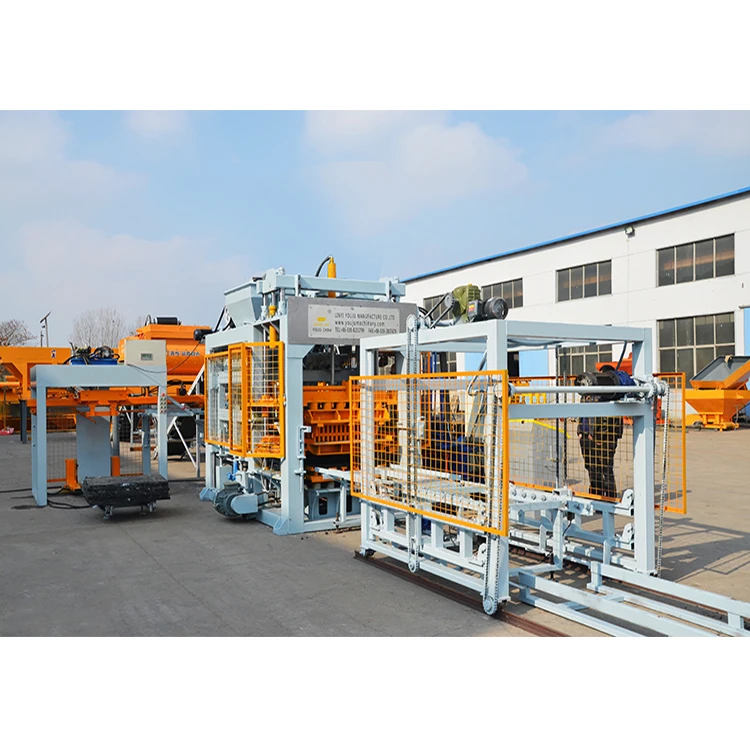


Description
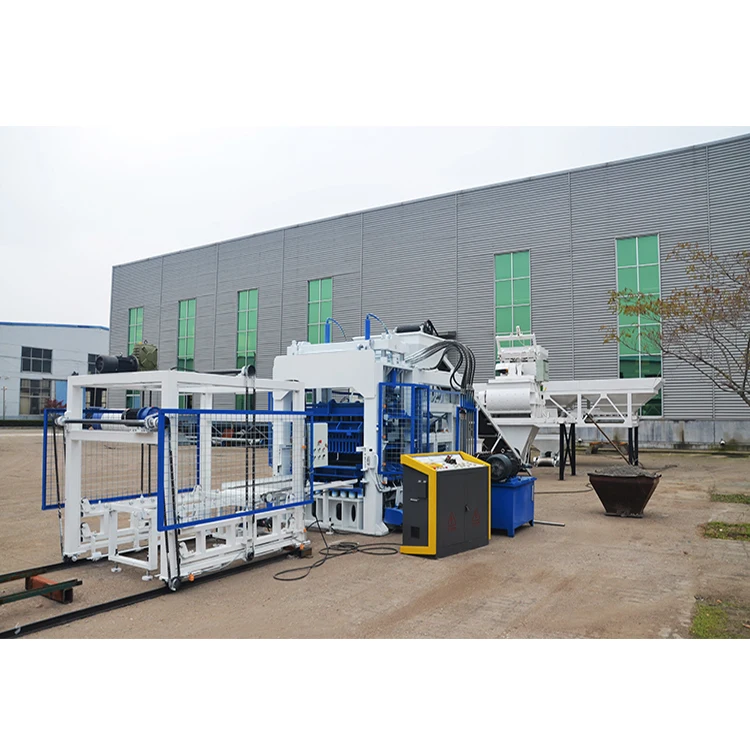
Stocked and Shipped as a Complete System — the QT8-15 block machine leaves our Linyi yard with matched moulds, pallets, and wear parts strapped to the same pallet, so nothing holds up your first production run.
Technical Specifications
| Parameter | Value |
|---|---|
| Model | QT8-15 |
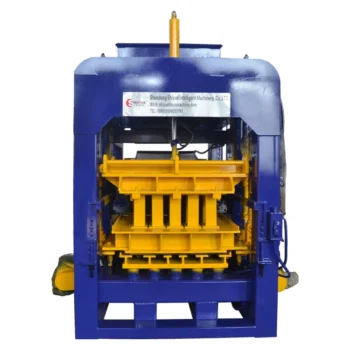
| Product Type | Automatic Hydraulic Concrete Block Making Machine |
| Overall Dimensions | 8300 × 1860 × 3000 mm |
| Total Weight | 8 T |
| Molding Cycle | 15–20 s (basis not stated in source — confirm block format, material, thickness) |
| Vibration Force (Exciting Power) | 55 kN |
| Rated Power | 37.2 kW |
| Mixer | JS750 |
| Pallet Size | 1020 × 900 mm |
| Control System | PLC control system |
| Hydraulic Station | Included |
| Automation Level | Fully automatic |
| Output Capacity | 1920 pcs/hour (basis not stated in source — confirm block format) |
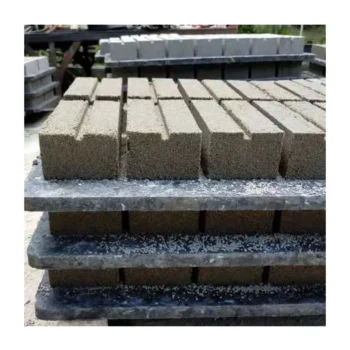
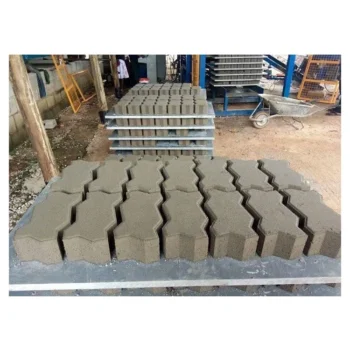
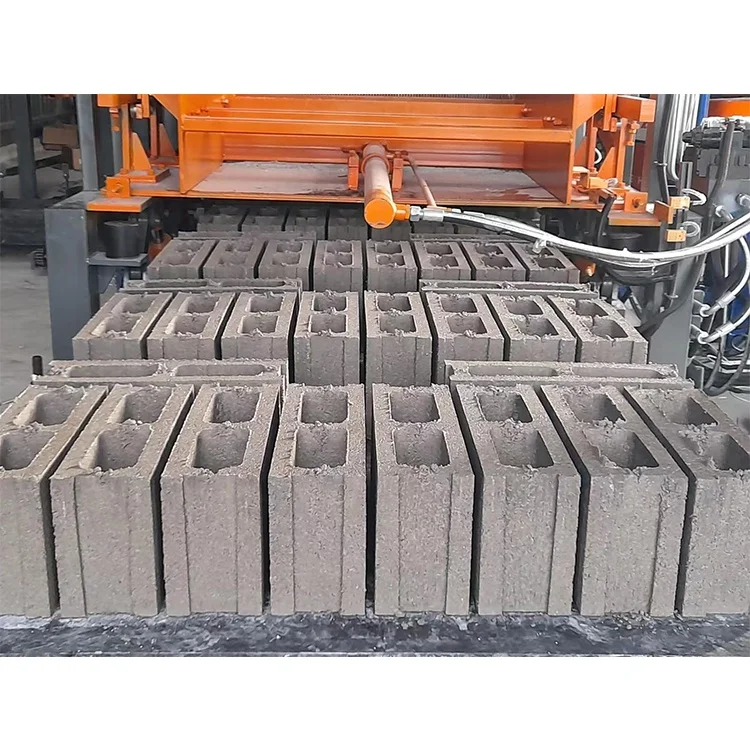
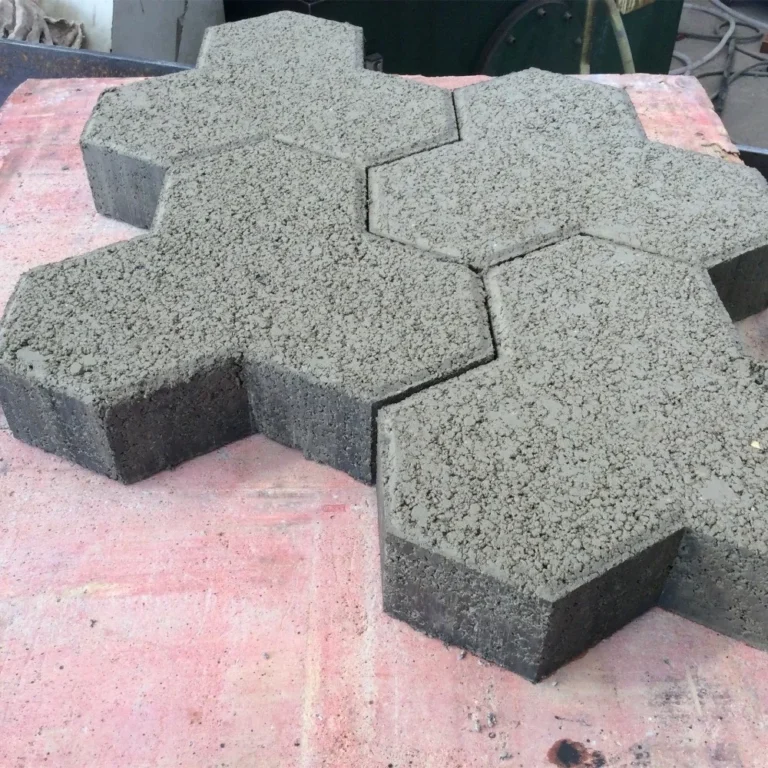
| Applied Products | Paver, solid block, hollow block, curbstone |
| Raw Materials | Crushed stones, sand, cement, dust, fly ash |
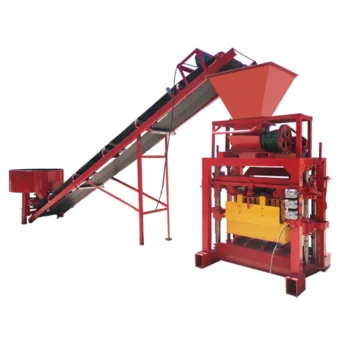
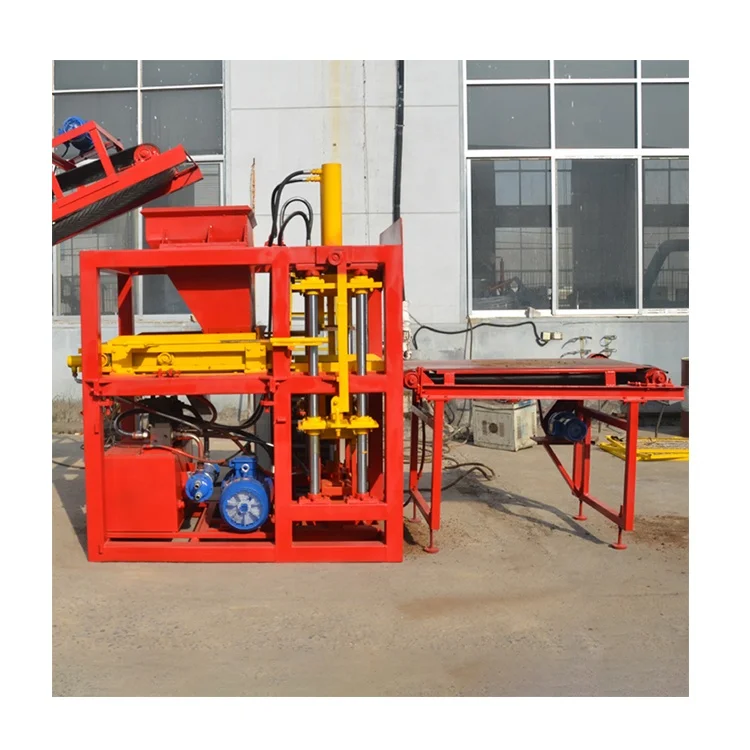
| Included Equipment | Block making machine, hydraulic station, PLC control unit, block mould, material feeder, pallet feeder, block conveyor, block sweeper, spare parts and tools |
Application Suitability
| Application | Material or Output |
|---|---|
| Hollow block production for residential and commercial walls | Crushed stone, sand, cement, fly ash blends |
| Solid concrete block for load-bearing structures | Dense aggregate mixes with cement binder |
| Interlocking and standard pavers for driveways and walkways | Fine aggregate and cement with pigment options |
| Curbstone and kerb production for road and site infrastructure | High-strength concrete mixes with coarse aggregate |
What "1,920 Pieces per Hour" Actually Means on Site
The output number on the spec sheet only matters once you know which block format it assumes.
I have watched buyers in Latin America receive a QT8-15 block machine in stock and celebrate the cycle figure on paper, then discover that the quoted capacity referred to a small paver rather than the 200 mm hollow block their project demanded. Real daily output can fall well short when the format changes. That mismatch stalls crews, pushes back pour schedules, and forces overtime [NEED_CITE: block format impact on cycle time and daily output]. Always ask which block dimensions, mix design, and curing method sit behind the headline number before you sign off on a dispatch date.
Dispatch Timing and Container Loading
When a buyer is working to a project deadline, the first question is never about vibration force — it is about when the QT8-15 block machine in stock will actually arrive at the port. We quote dispatch lead time and container loading details upfront, including which components are dismantled for shipping and how they fit into a standard forty-foot container. Pallet size at 1020 × 900 mm means the machine frame, hydraulic station, JS750 mixer, and feeder units are broken down into clearly marked lifts, and the loading plan is shared with the buyer before the container doors close.
Spare Parts and the Fourteen-Day Lesson
Years ago I helped load a QT8-15 for Ecuador — stocked, tested, container sealed on schedule. But no one placed a spare vibration belt in the crate. Two weeks into production the belt snapped, and the line sat idle for fourteen days while we air-freighted a replacement from Linyi. Now every pallet I build for a fast delivery QT8-15 block machine in stock order carries a strapped-on wear parts kit — vibration belts, hydraulic seals, proximity switches — before the container doors shut. That small step is the difference between a minor swap and a two-week shutdown [NEED_CITE: typical wear part replacement intervals on fully automatic block lines].
How Pressure, Vibration, and Pallet Size Shape Your Block
The 55 kN vibration force and the hydraulic station work together to compact concrete into the mould cavity; vibration settles the aggregate while hydraulic pressure squeezes out voids. If the pressure is set too low for a dense curbstone mix, blocks leave the press weak and crumble during handling. The 1020 × 900 mm pallet must align with the curing racks and forklift already on site — arriving with pallets that do not fit existing racking forces a forklift change or a rack rebuild before the first block is laid. The PLC control system manages the cycle, but the operator still needs to confirm voltage, frequency, and display language before the machine leaves the factory so that commissioning is not delayed by a mismatched power supply or an unreadable screen. The JS750 mixer feeds the press at a rate that must keep pace with the 15–20 s molding cycle; if the mixer batch size is too small the press waits, and overall line output drops regardless of how fast the press itself can cycle.
The Hidden Cost of Skipping Pre-Shipment Confirmation
I have seen containers arrive in Guayaquil with the wrong voltage configuration because the buyer and seller never exchanged a single-line diagram. The result was a three-week delay while a local electrician rewound motors and replaced contactors. Equally common is the pallet-size surprise: the curing yard was built for a different pallet dimension, forcing hand-stacking that erased the automation advantage the buyer paid for [NEED_CITE: common commissioning delays in exported concrete block machinery]. Moulds ordered separately after arrival also add lead time, because air freight for a heavy steel mould is expensive and slow compared to including it in the original sea container.
Why Source This Machine Through Our Dispatch Workflow
Block machinery is our single focus, so the press, mould, pallet, and handling equipment are specified as one matched system rather than assembled from unrelated suppliers. Capacity calculations state the block format assumed, removing guesswork before the machine ships. Moulds are designed for the formats your local market sells, and custom drawings are accepted. Automation level is selectable, letting a buyer start with the included pallet feeder and conveyor, then add stacking later. Factory test records and packing photographs are shared before dispatch so the buyer sees exactly what is inside the container [NEED_CITE: pre-shipment inspection standards for heavy industrial machinery].
Documentation & Verification
- Line layout drawing showing the QT8-15 footprint with JS750 mixer and pallet feeder positions
- Capacity calculation sheet stating the block format behind the quoted output
- Factory test record run on a mix design matching the buyer’s local aggregate
- Voltage, frequency, and PLC display language confirmation document before production
- Packing photographs and container loading plan with dismantling details
Installation, Commissioning & Support
- Foundation must support the 8 T total weight of the QT8-15 with level anchor bolts across the 8300 mm frame length
- Dedicated electrical circuit rated for the 37.2 kW load with voltage confirmed before motor wiring
- Hydraulic station arrives pre-filled; operator verifies pressure settings against the target block strength on first run
- PLC control language and screen labels verified during commissioning to match the operator’s working language
- Wear parts kit — vibration belts, seals, proximity switches — included on the pallet for immediate on-site spares
Before You Request a Quote
Send us the block format you intend to produce, the target daily output, and the raw materials available at your site. Confirm your local voltage and frequency, the PLC display language your operators need, and whether the 1020 × 900 mm pallet fits your existing curing racks and forklift. If you have a project deadline, tell us the required arrival date at your port so we can confirm whether the QT8-15 block machine in stock schedule aligns with your timeline.
Frequently Asked Questions
Q: What block format does the 1920 pcs/hour figure assume?
A: That capacity figure is quoted without a stated block format in the source documentation. We provide a separate capacity calculation sheet that specifies the exact block dimensions, mix design, and curing assumptions behind the number, so you can compare it directly against your target product before committing to a dispatch date.
Q: Is the QT8-15 block machine in stock right now, and when can it reach my port?
A: Current availability and container loading schedule are confirmed at inquiry. We quote dispatch lead time and estimated arrival at your destination port upfront, including container type and any dismantling required for shipping, so your project timeline stays on track.
Q: Will the 1020 × 900 mm pallet fit my existing curing area and forklift?
A: We ask for your current rack dimensions and forklift fork width before finalizing the order. If the standard pallet does not match, we discuss alternatives so you avoid hand-stacking or rebuilding your curing yard after the machine arrives.
Q: Which moulds ship with the standard package, and how long does a change take?
A: The included mould matches the primary block format you select at order. Additional moulds for pavers, solid blocks, hollow blocks, or curbstones can be added to the same container. Mould change time depends on the operator’s familiarity and the tools on site, and we cover the procedure during commissioning training.
Q: Can the voltage and PLC display language be configured before shipment?
A: Yes. We confirm voltage, frequency, and PLC screen language with you before production begins, and provide a written confirmation document so the machine powers up correctly and the operator can read every prompt on day one.