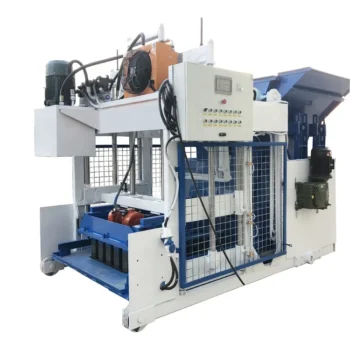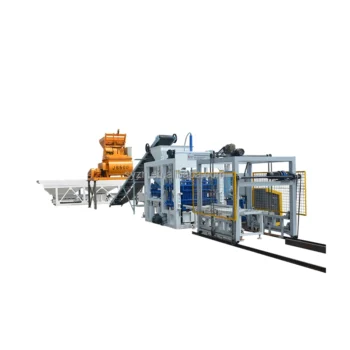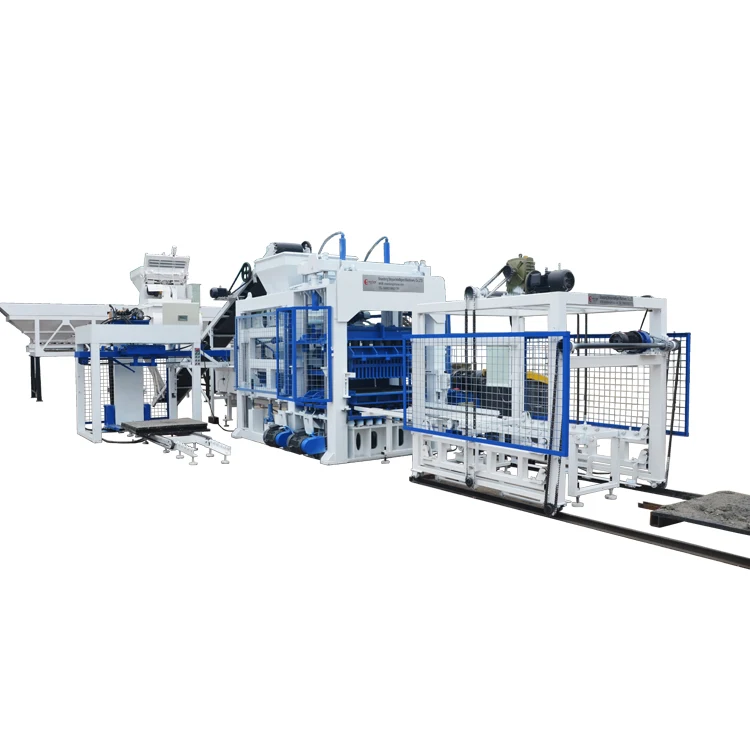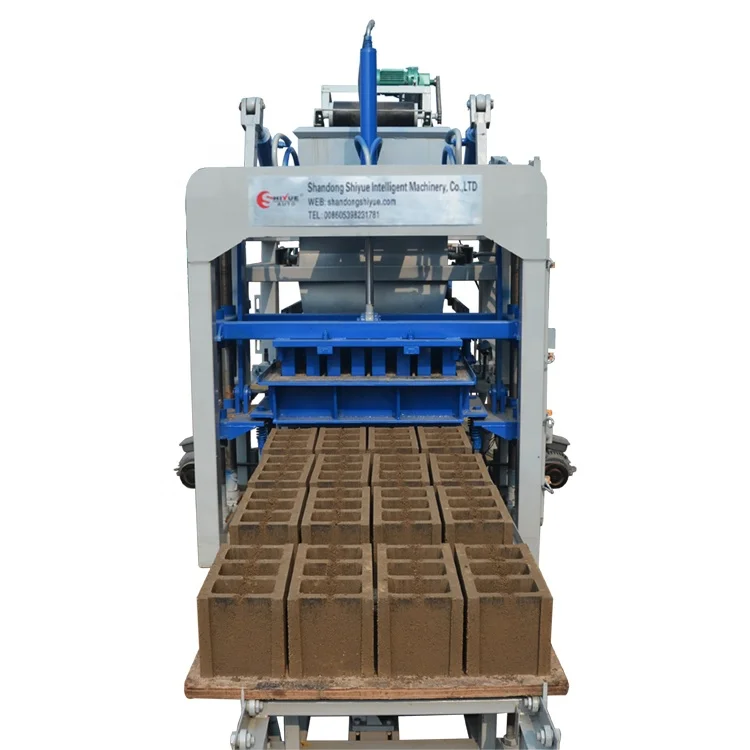
Description
Prompt Dispatch Alignment — Every QT8-15 unit leaving the yard ships with voltage, control language, and dismantling plan confirmed in writing, because a machine that arrives wrong is a machine that sits idle on your slab.
Technical Specifications
| Parameter | Value |
|---|---|
| Model | QT8-15 |
| Product Type | Automatic Concrete Block Making Machine |
| Overall Dimensions (L × W × H) | 8300 × 1860 × 3000 mm |
| Rated Pressure | 21 MPa |
| Vibration Form | Platform Vibration |
| Vibration Frequency | 2800–4500 RPM |
| Pallet Size | 950 × 900 mm |
| Molding Cycle | 15–25 s (basis not stated in source — confirm block format / material / thickness) |
| Overall Power | 46 kW |
| Control System | PLC with touch screen, manual/automatic mode switching |
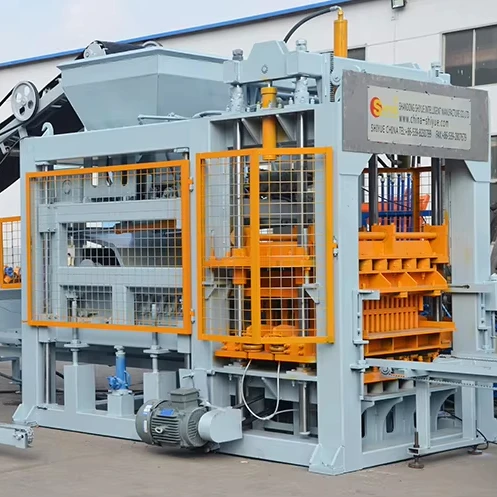
| Hydraulic System | Independent integrated hydraulic station |
| Block Comprehensive Strength | up to 15 MPa (source value — verify against manufacturer catalog) |
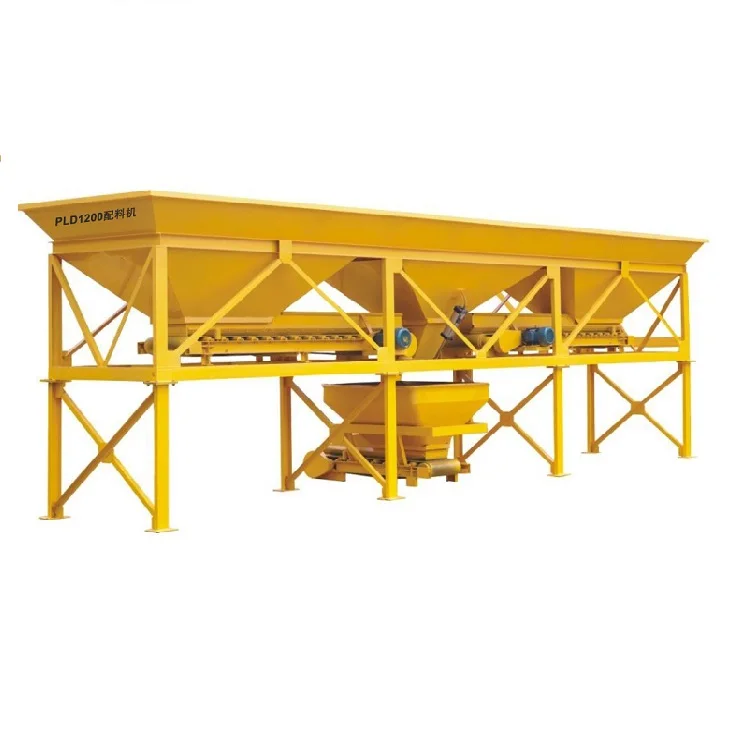
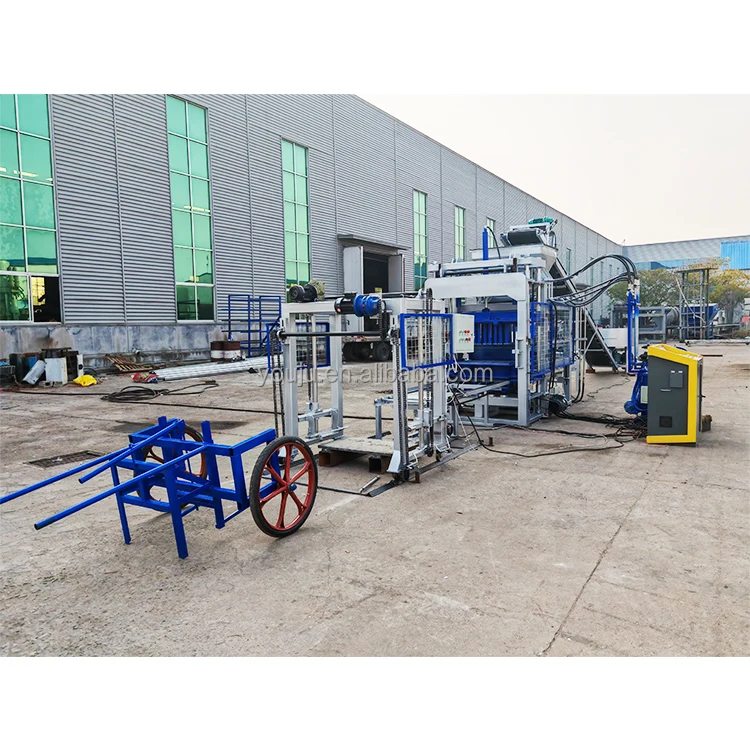
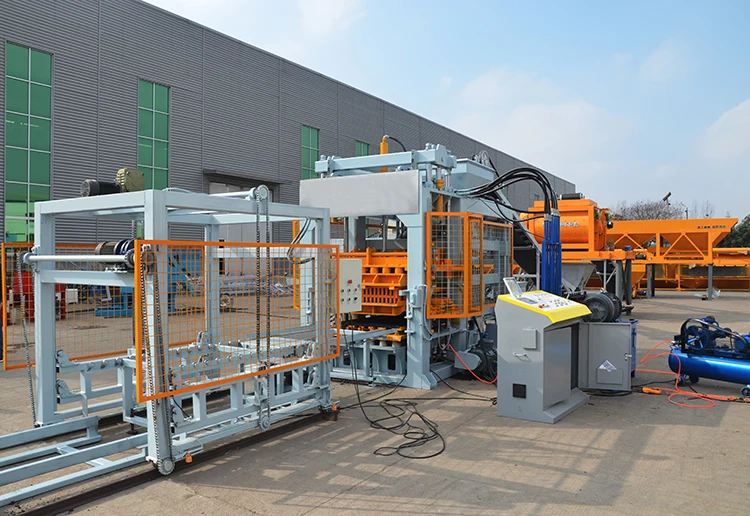
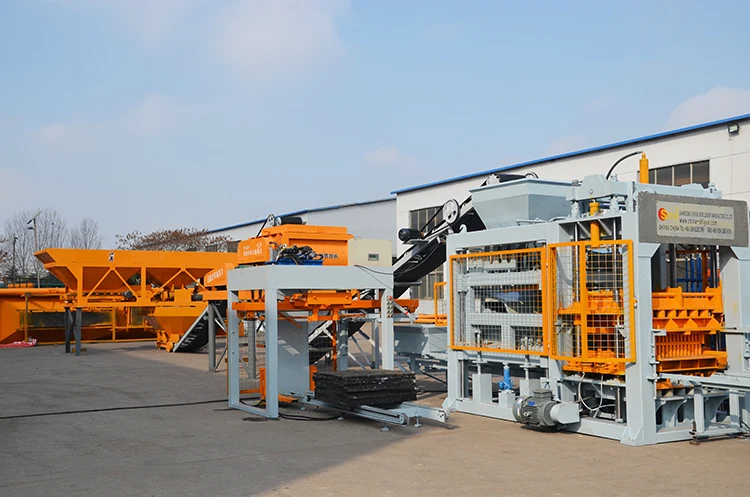
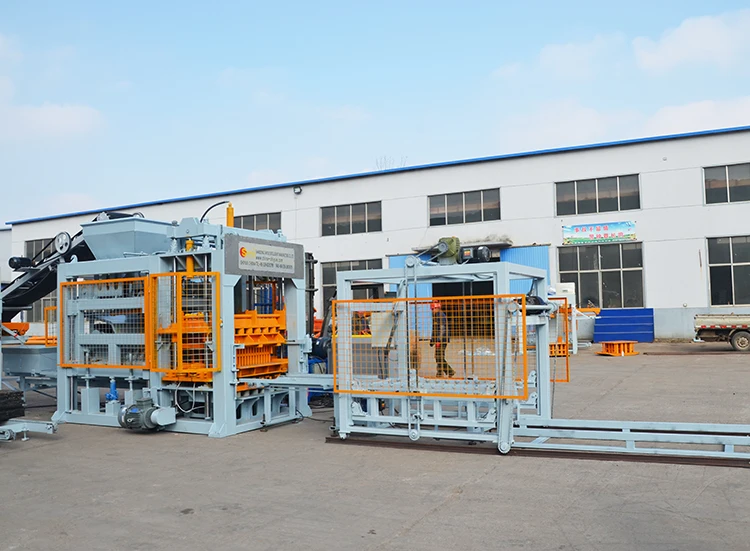
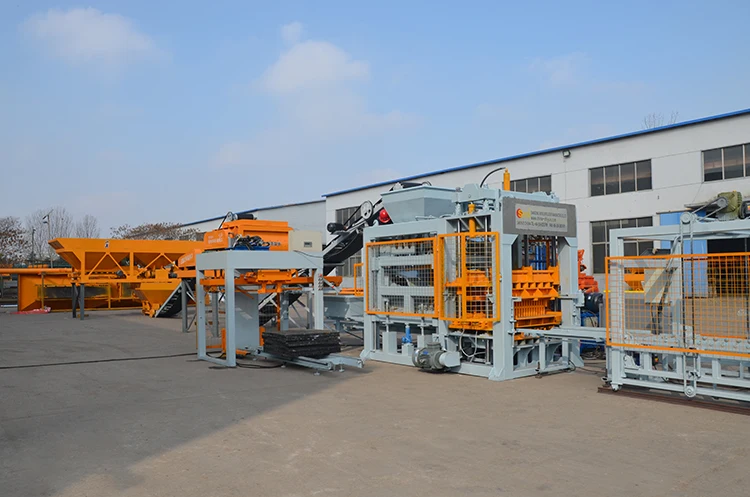
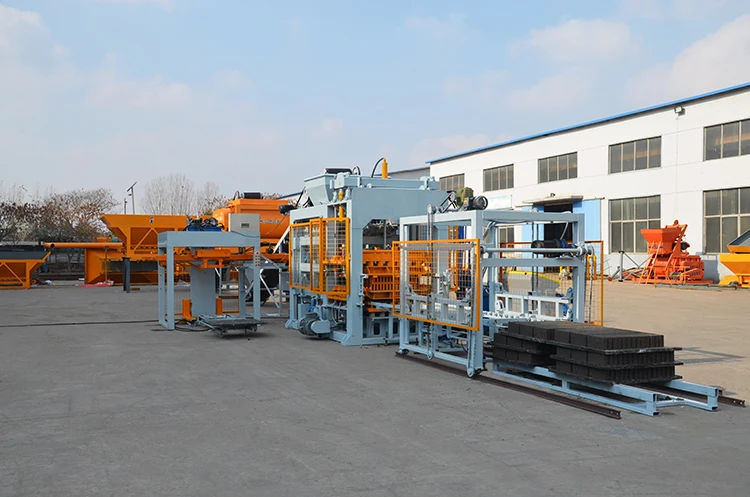
| Included Support Equipment | JS750 mixer, 8 m belt conveyor, automatic stacker (two pallets per cycle, 3–6 layers) |
| Mould Format | One free hollow mould included; additional formats on request |
| Assembly State | Shipped dismantled for container loading |
| Certification | CE declaration where applicable |
Application Suitability
| Application | Material or Output |
|---|---|
| Hollow block production for residential and commercial walls | Crushed stone, cement, sand, water |
| Solid load-bearing block for structural masonry | Coarse aggregate, cement, fine sand blend |
| Paving block for walkways and light-traffic yards | Dense aggregate mix with pigment additive |
| Kerbstone and interlocking brick for landscaping | Standard concrete masonry unit formulations |
Why the Voltage Question Must Come Before the Container Booking
A 415V cabinet on a 380V grid means your new QT8-15 block machine in stock fast delivery sits silent while you wait three weeks for an air-freighted inverter. I have watched that exact scenario play out on a West African housing site: the press was bolted down, the mixer was loaded, and the only thing missing was a voltage figure that never got checked before dispatch. The crew stood around while a variable-frequency drive flew in on the next available cargo flight.
That kind of delay erases any advantage you gained from ordering a stocked unit in the first place. Buyers chasing a project deadline tend to focus on dispatch lead time and forget that electrical mismatch is the single most common reason a block line fails to start on arrival [NEED_CITE: voltage and frequency standards by export market]. The fix takes five minutes at the quotation stage — confirm voltage, frequency, and PLC display language in writing — and saves weeks of idle labour and penalty clauses later.
When a buyer asks about a QT8-15 block machine in stock fast delivery, the conversation has to cover the electrical environment just as thoroughly as the container departure date. Otherwise "fast delivery" only gets the crate to the port, not the blocks onto the pallet.
Container Loading Sequence That Keeps the Schedule Honest
The QT8-15 is dismantled into major sub-assemblies — main frame, hydraulic station, mould carriage, stacker, mixer, and conveyor — so that every component fits flat or nested inside a standard high-cube container. Loading photographs are taken at each stage and shared with the buyer before the doors close, giving you a visual packing list your port agent can reference when the crate arrives. This matters when your project deadline does not leave room for a missing pallet feeder buried under the wrong bundle.
The JS750 mixer and 8 m belt conveyor ride in the same container as the press, which means the core production line clears customs in one bill of lading. No partial shipment, no second container chasing the first across a transhipment hub. For a contractor racing a housing hand-over date, that single-document arrival cuts clearance time noticeably.
Dispatch Lead Time Is Set at Inquiry, Not at Purchase Order
Stock status is confirmed during the first technical exchange, not buried in the proforma invoice weeks later. If the QT8-15 is on the yard, the dispatch window is quoted alongside the container type and vessel estimate so the buyer can align civil works, curing area preparation, and forklift availability to a realistic calendar. If the unit has to be assembled from a scheduled production slot, that lead time is stated with the same transparency [NEED_CITE: typical container shipping schedules for heavy machinery to West Africa and Southeast Asia].
This approach removes the grey zone where a buyer commits to a project start date based on an assumption rather than a confirmed slot. The QT8-15 block machine in stock fast delivery promise only holds weight when the departure date is tied to a specific vessel booking, not a hopeful estimate.
Reading the Spec Sheet Against Your Site Conditions
The 21 MPa rated pressure and 2800–4500 RPM vibration frequency work together to compact the mix; pressure squeezes out air while vibration settles aggregate into the mould cavity. If your local sand is fine-graded and low on coarse particles, the vibration amplitude may need to sit toward the upper end of that RPM range to achieve target density, which in turn affects mould wear rate over a production run.
Pallet size at 950 × 900 mm dictates the curing rack spacing and the forklift tine width you already have on site. Ordering a machine whose pallets do not match your existing curing area forces you to rebuild racks or buy a different forklift — costs that never appear in the machine quotation. The independent integrated hydraulic station sits apart from the main frame, shielding seals and valves from platform vibration and cement dust; this separation reduces the chance of a hydraulic fault during the first week of commissioning when the line is under the most scrutiny.
Overall power draw of 46 kW determines the dedicated transformer tap and cable gauge your electrician must prepare before the container arrives. Undersized supply wiring causes voltage drop under vibration motor start-up, which the PLC may read as a fault and shut the cycle down.
What Happens When the Support Equipment List Is Incomplete
Buyers who compare quotations line by line often notice that one offer is cheaper because the stacker, pallets, or mixer were left out. The gap only becomes visible once the machine is running and blocks have to be carried off the press by hand, limiting actual output to whatever two operators can move before the next cycle drops. An automatic stacker handling two pallets per cycle in 3–6 layers removes that manual bottleneck from day one, keeping the press cycling instead of waiting.
Leaving pallets off the order also means sourcing them locally in a size and material that may not match the 950 × 900 mm specification, leading to warped boards that jam the feeder [NEED_CITE: pallet warping causes in concrete block production]. The hidden cost is not the pallet itself but the press downtime every time a board sticks and the PLC halts the line.
Why Buyers Source This Press Through the Stock Desk
Single-focus block machinery supply means the press, mould, pallets, and stacker are specified as one matched set rather than assembled from separate vendors who blame each other when a dimension is off. The QT8-15 ships with mould and handling gear that fits the pallet size and cycle timing the press was built around.
Configuration is set against the buyer’s actual mix design and target block format, not a catalogue default row. When your local aggregate differs from the standard test mix, the vibration and pressure settings are adjusted before dispatch so the first blocks off the line meet strength expectations.
Mould design covers the formats your market actually buys, and custom drawings can be added to the container without delaying shipment of the main press. Automation level is selectable, allowing a buyer to start with manual pallet handling and add the automatic stacker later without replacing the core machine.
Installation support includes operator training on the PLC touch screen in the confirmed display language, so the crew is not decoding error messages in a language they do not read.
Documentation & Verification
- Factory test record showing cycle timing on your specified block format before dispatch
- Machine specification sheet listing confirmed voltage, frequency, and PLC language
- Mould drawing and format list matching the block dimensions your market requires
- Hydraulic and electrical schematic for your on-site maintenance team
- Packing photographs taken at each stage of container loading
- Customs documentation pack with HS code, commercial invoice, and CE declaration where applicable
Installation, Commissioning & Support
- Foundation slab sized to the 8300 × 1860 mm footprint with anchor bolt template provided
- Dedicated 46 kW circuit with voltage and frequency confirmed before cable purchase
- Dismantled sub-assemblies reassembled on site with torque-checked hydraulic fittings
- PLC touch screen set to buyer-confirmed language during first power-on sequence
- Mould change procedure walked through with operators to keep format swaps within one shift
- Wear parts list and reorder codes supplied for mould liners and hydraulic seals
- JS750 mixer drive belt tension and conveyor tracking checked before continuous production starts
What to Include in Your First Technical Message
Send the block formats your market sells, the daily volume your project schedule requires, and the aggregate type available within hauling distance of your site. Confirm the local supply voltage, frequency, and the language your operators will need on the PLC screen. If you already have curing racks or forklifts, share the pallet dimensions they accept so the 950 × 900 mm pallet spec can be verified or adjusted before the container is booked.
Frequently Asked Questions
Q: What QT8-15 units are currently in stock and what is the dispatch lead time?
A: Stock status is confirmed during the inquiry exchange, not after order placement. If the unit is on the yard, dispatch follows container booking and loading photography within a defined window. If assembly is required, the production slot and estimated departure date are stated at quotation stage so your project calendar stays aligned with vessel schedules.
Q: How is the machine dismantled and loaded into the container?
A: The QT8-15 is broken into major sub-assemblies — main frame, hydraulic station, mould carriage, stacker, mixer, and conveyor — and nested inside a standard high-cube container. Loading photographs are taken at each stage and shared before the doors seal, giving your port agent a visual packing list for customs clearance on arrival.
Q: Which support equipment ships in the same container?
A: The JS750 mixer, 8 m belt conveyor, automatic stacker, one hollow mould, and the pallet set all ride in the same container as the press. This single-bill-of-lading shipment means your entire core line clears customs together, avoiding partial delivery delays that leave the press waiting for a feeder or stacker.
Q: What is the estimated arrival time to my destination port?
A: Arrival depends on the vessel schedule from the loading port to your destination. Once the container is booked, the estimated transit time is quoted alongside the departure date so you can align foundation work, curing area preparation, and operator availability to a realistic calendar rather than an optimistic guess.
Q: Can standard moulds be added to the container without delaying shipment?
A: Additional standard moulds can be included in the same container if they are in stock at the time of loading confirmation. The mould list is finalised during the quotation stage so the packing plan accounts for their weight and dimensions, keeping the departure date on schedule and your format range ready from the first production run.