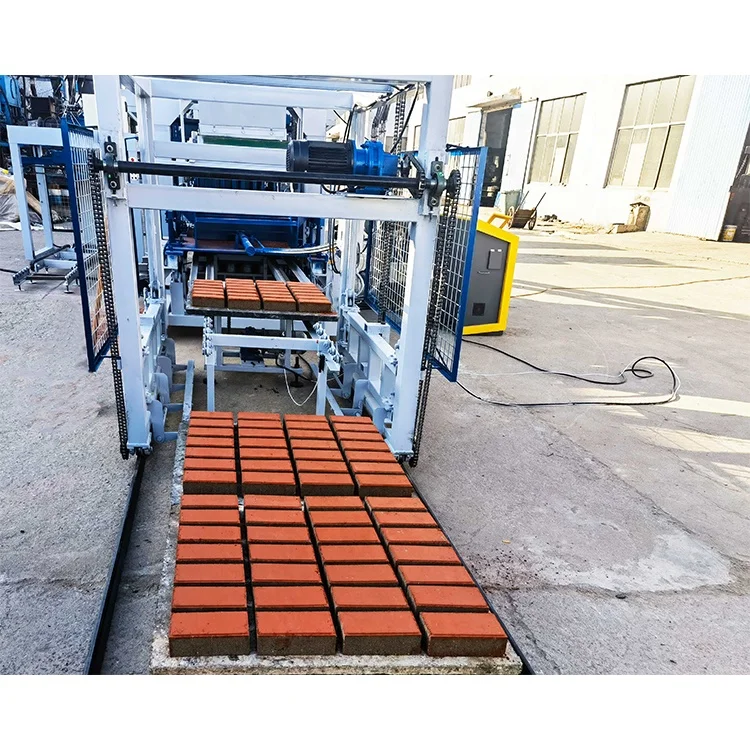
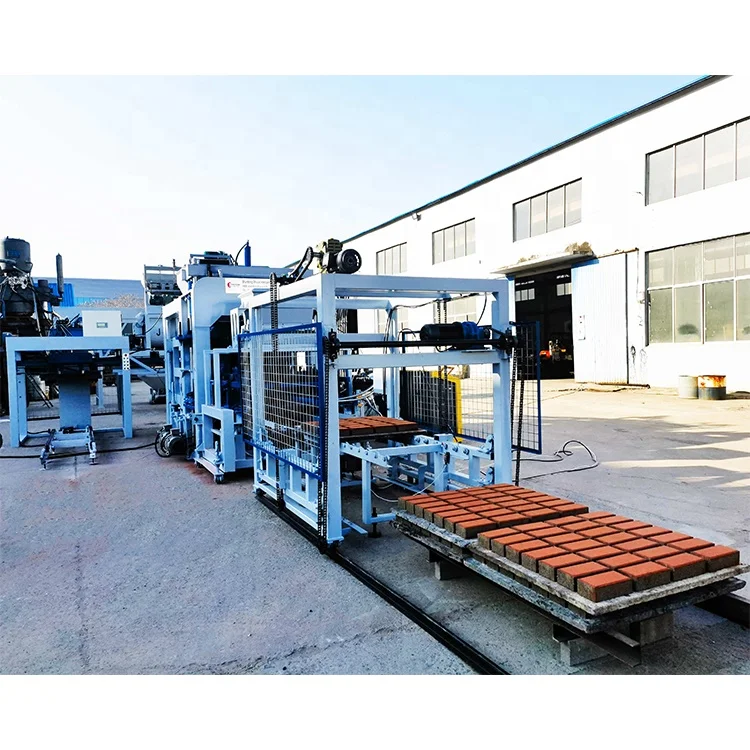
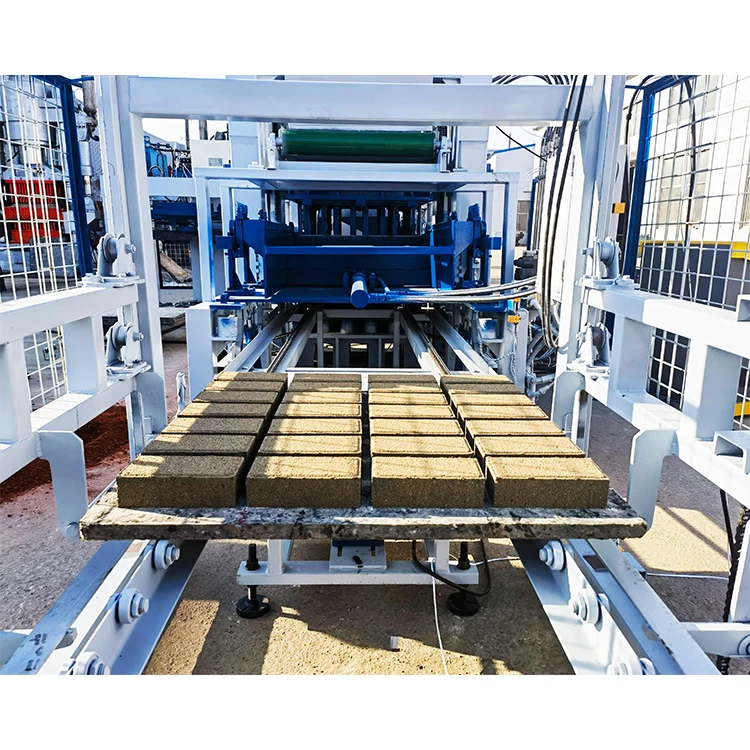
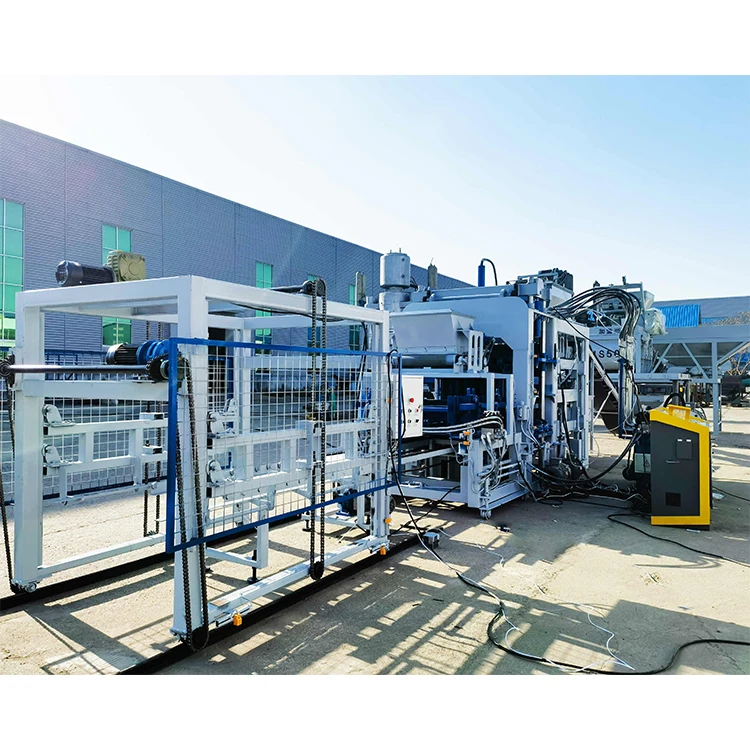
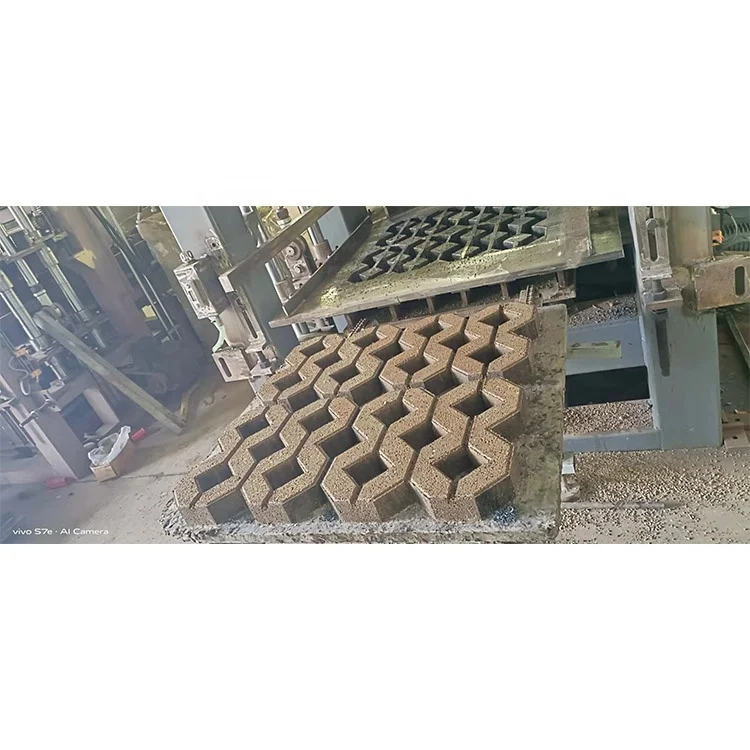
Description
Stocked Dispatch Window — the QT8-15 block machine ships within a known preparation cycle so project timelines stay intact.
Technical Specifications
| Parameter | Value |
|---|---|
| Model | QT8-15 |
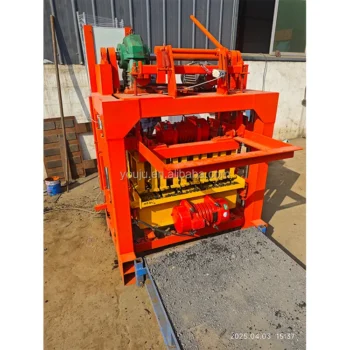
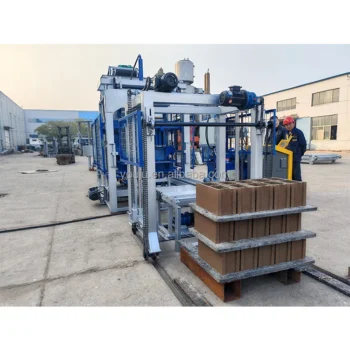
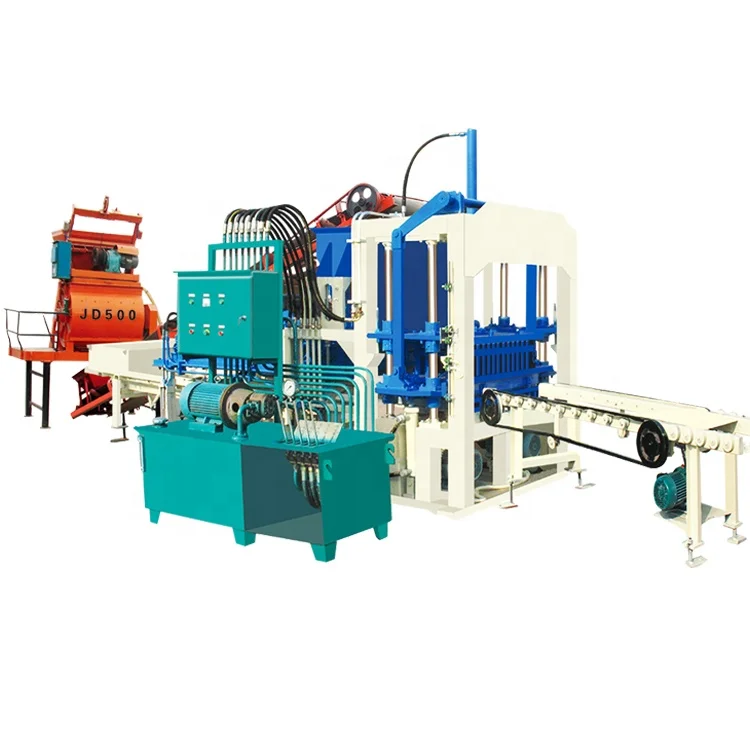
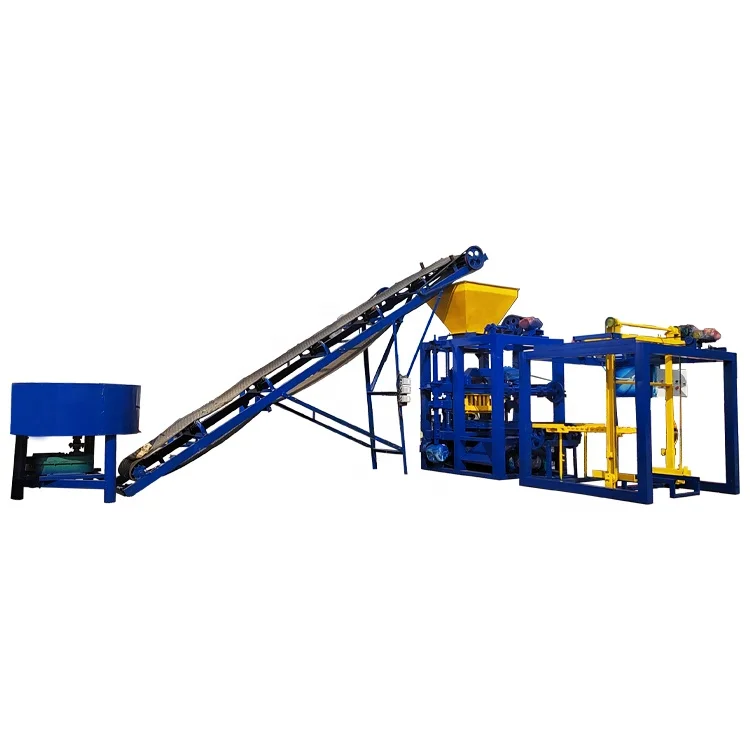
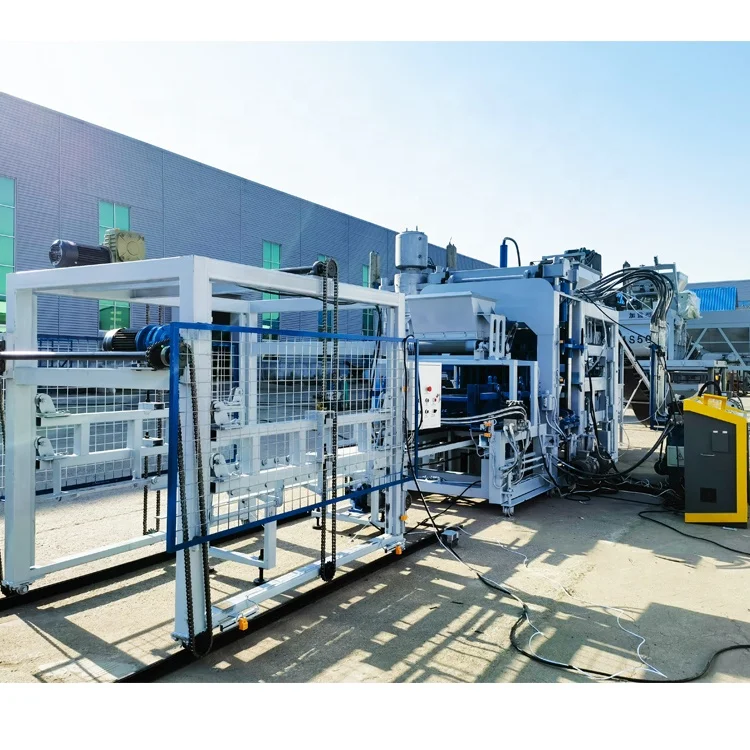
| Product Type | Stationary Concrete Block Making Machine |
| Overall Dimensions (L×W×H) | 8300 × 1860 × 3000 mm |
| Rated Pressure | 21 MPa |
| Main Vibration Form | Platform Vibration |
| Vibration Frequency | 2800–4500 r/min |
| Vibration Force | 60 kN |
| Pallet Size | 950 × 900 mm |
| Molding Cycle | 15–25 s (basis not stated in source — confirm block format / material / thickness) |
| Overall Power | 55.5 kW |
| Total Mass | 9 T |
| Demolding Method | Hydraulic |
| General Water Consumption | 12 T/Day |
| Factory Area | 600 m² |
| Control System | PLC aptitude control with human-machine interface dialogue system |
| Automation Level | Completely automatic |
| Raw Materials | Crushed stone, sand, cement, dust, fly ash, gravel, slag |
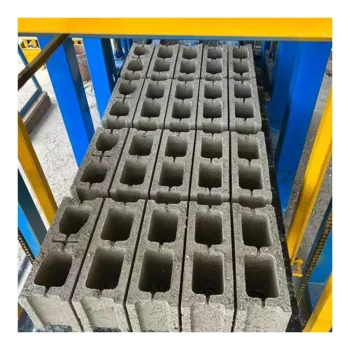
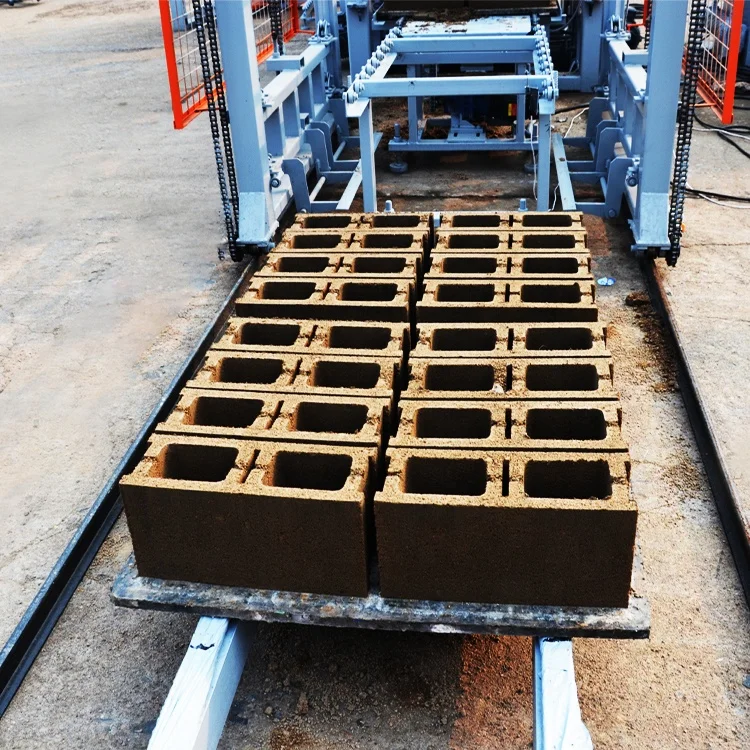
| Applied Products | Concrete blocks, hollow/solid blocks, pavers, interlocking blocks, curbstone, colored pavers |
| Voltage & Frequency | Configurable (verify against target market standards) |
Application Suitability
| Application | Material or Output |
|---|---|
| Hollow block production for residential and commercial builds | Crushed stone, sand, cement, fly ash blends |
| Solid block manufacturing for load-bearing walls | Gravel, sand, cement with high-density vibration |
| Paving slab and interlocking paver runs | Fine aggregate and cement with color pigment options |
| Curbstone and kerb production | Coarse aggregate mixes with hydraulic demolding |
| On-site production for housing development contractors | Locally sourced stone dust, slag, and cement |
Why Lead Time Matters More Than Quoted Cycle Speed
When a project contractor commits to a block delivery schedule, the QT8-15 block machine in stock availability determines whether the plant goes live on time — not how fast the press cycles in a catalog.
Buyers often fixate on the 15–25 second molding cycle without confirming what block format and mix that number assumes. I have watched sites sit idle for weeks because the machine arrived late, while the curing yard, forklift, and crew were all paid and waiting. A fast cycle means nothing when the press is still on a container ship or stuck in customs with missing paperwork [NEED_CITE: typical port congestion and customs clearance delays for heavy machinery].
Dispatch Preparation and Container Loading
The QT8-15 block machine in stock status means the main frame, hydraulic station, and control cabinet are pre-assembled and factory-tested before your order is confirmed. For a 9-tonne machine measuring over 8 meters in length, dismantling follows a fixed sequence: the hydraulic press section separates from the vibration platform, and the pallet feeder detaches as a standalone module. This breakdown determines whether the equipment fits a standard 40-foot high-cube container or requires flat-rack shipment, which directly affects ocean freight cost and transit time.
Arrival Timing You Can Build Around
Once the QT8-15 block machine in stock is loaded and the bill of lading is issued, the ocean transit window becomes a known variable rather than a guess. Buyers receive the dispatch date, container number, and estimated arrival so that foundation work, electrical hookups, and raw material stockpiling can be scheduled backward from that date. This is how contractors avoid paying a crew that stands around an empty curing yard waiting for a machine that missed its ship [NEED_CITE: construction project delay cost benchmarks for equipment-dependent milestones].
Reading the Numbers That Actually Govern Output
The 21 MPa rated pressure and 60 kN vibration force work together to compact the mix into a dense, consistent block. On a platform vibration system running between 2800 and 4500 r/min, the hydraulic pressure holds the mold head down while vibration settles the aggregate — if either value is mismatched to your local stone dust or fly ash blend, the block will crack or crumble before it reaches the curing rack. The 950 × 900 mm pallet size dictates how many blocks press per cycle and must align with the forklift tine spacing and curing shelf width already on your site. At 55.5 kW total power, the electrical supply needs a dedicated circuit with enough headroom for the vibration motor startup surge, which draws noticeably higher current for a few seconds each cycle.
What Happens When Arrival Timing Is Left to Chance
Ordering a block press without a confirmed dispatch date means the entire project timeline floats on supplier convenience. I have seen contractors pour curing yard slabs and hire block crews, only to learn the machine they ordered is still in production. By the time it ships, clears customs, and reaches the site, the rainy season has started and outdoor curing becomes unreliable [NEED_CITE: seasonal construction constraints in tropical and subtropical climates]. The crew scatters to other jobs, and remobilizing them costs more than the late machine ever saved.
Why Buyers Source This Model Here
Block machinery is the single focus of the production line, so the QT8-15 arrives with pallets, mold options, and handling equipment specified as one matched system. Stock and standard mold inventory means common formats ship with the press rather than waiting for a separate tooling order. The dispatch lead time and container loading plan are quoted at the order stage, not discovered after payment. Voltage, frequency, and PLC display language are confirmed before the machine leaves the factory, preventing commissioning delays on arrival. Factory test records using your specified mix design are documented so you know the press performed before it was bolted down for shipment.
Documentation & Verification
- Factory test record showing QT8-15 press performance on your specified aggregate blend
- Pallet specification sheet matched to your curing rack dimensions and forklift capacity
- Hydraulic and electrical schematic with confirmed voltage and frequency for your market
- Container loading plan with dismantling photographs for the QT8-15 shipment
- Operation and maintenance manual with PLC interface in your confirmed language
- CE declaration and customs documentation package for import clearance
Installation, Commissioning & Support
- Foundation pad must support the 9-tonne QT8-15 mass plus dynamic vibration load across 600 m²
- Dedicated electrical circuit rated for 55.5 kW with startup surge allowance for the vibration motor
- Machine arrives dismantled into press, platform, and feeder modules for on-site reassembly
- Commissioning includes vibration frequency tuning between 2800–4500 r/min to match your aggregate
- Operator training covers PLC dialogue system navigation, mold change procedure, and daily maintenance
- Wear parts list identifies hydraulic seals and vibration motor bearings for first reorder
What We Need to Confirm Before Dispatch
To lock in your QT8-15 block machine in stock order and set a firm dispatch date, share your target block format and daily volume requirement so the correct mold ships with the press. Provide your site voltage and frequency along with the preferred PLC display language to avoid rewiring or reprogramming on arrival. Let us know your pallet handling setup and curing area dimensions so pallet size and stacking method align with existing equipment.
Frequently Asked Questions
Q: Is the QT8-15 currently in stock and what is the standard dispatch lead time?
A: The QT8-15 is maintained as a stocked model with standard molds. Once your voltage, frequency, PLC language, and mold format are confirmed, the machine is prepared and container-loaded within a defined dispatch window. Exact lead time is quoted at order based on current stock status and destination port.
Q: How is the QT8-15 dismantled for shipping and how many containers does it require?
A: The 9-tonne, 8.3-meter machine is separated into the hydraulic press section, vibration platform, and pallet feeder module. Loading photographs and a dismantling plan are provided before sealing the container. Container type and quantity depend on the mold count and supporting equipment included in your order.
Q: Can you provide an estimated arrival date once the machine ships?
A: Yes. Once the container is sealed and the bill of lading is issued, you receive the vessel name, container number, and estimated arrival date for your port. This lets you schedule foundation work, electrical connections, and raw material delivery with a known timeline.
Q: What information should I confirm at order to avoid delivery delays?
A: Confirm your local voltage and frequency, the PLC display language you need, the specific block mold format, and your pallet size preference. Mismatched electrical specifications or missing language settings are the most common causes of commissioning delays after arrival.
Q: What documents come with the shipment for customs clearance?
A: The shipment includes the commercial invoice, packing list, bill of lading, CE declaration where applicable, factory test record, and operation manual. All documents are prepared to match your import requirements and destination port customs procedures.