

Description
Stocked configurations ready to ship — QT8-15 units held in inventory for rapid container loading, so your project timeline is not held hostage by a production backlog.
Technical Specifications
| Parameter | Value |
|---|---|
| Model | QT8-15 |
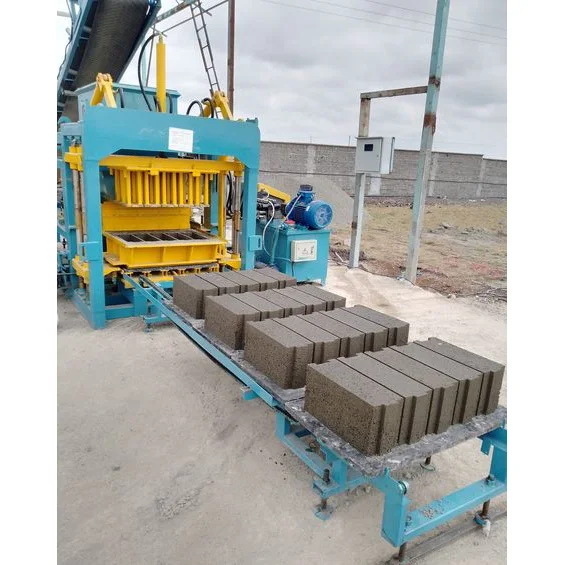
| Product Type | Automatic Concrete Block Making Machine |
| Overall Dimensions (L×W×H) | 8300×1860×3000 mm |
| Total Mass | 9 T |
| Rated Pressure | 21 MPa |
| Main Vibration Form | Platform Vibration |
| Vibration Frequency | 2800~4500 r/min |
| Vibration Force | 60 KN |
| Pallet Size | 950×900 mm |
| Molding Cycle | 15-25 s (basis not stated in source — confirm block format / material / thickness) |
| Overall Power | 55.5 kW |
| Demolding Method | Hydraulic |
| General Water Consumption | 12 T/Day |
| Control System | PLC aptitude control with human-machine interface dialogue system |
| Automation Level | Fully automatic |
Application Suitability
| Application | Material or Output |
|---|---|
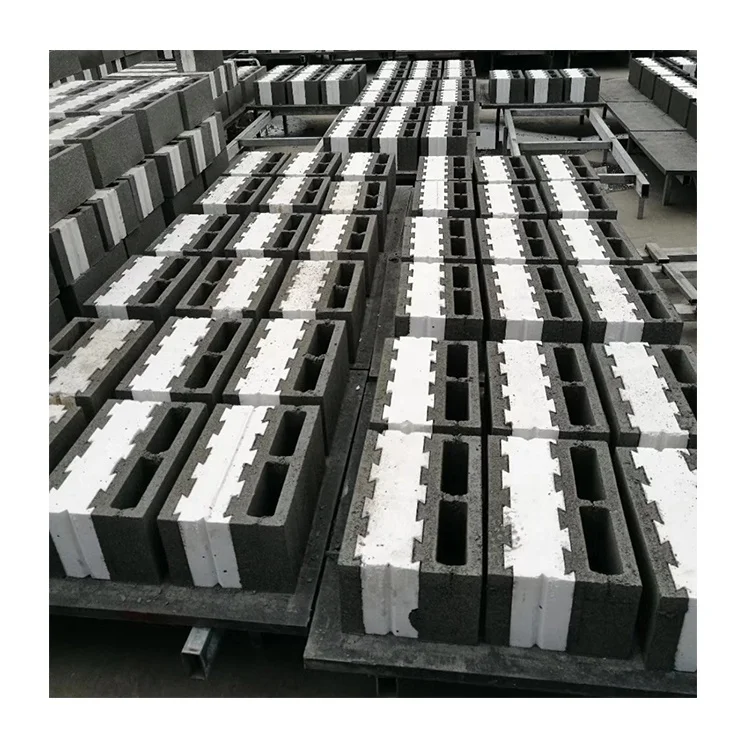
| Hollow block production for building contractors | Crushed stone, sand, cement, fly ash blends |
| Solid block manufacturing for housing projects | Gravel, sand, cement mixes |
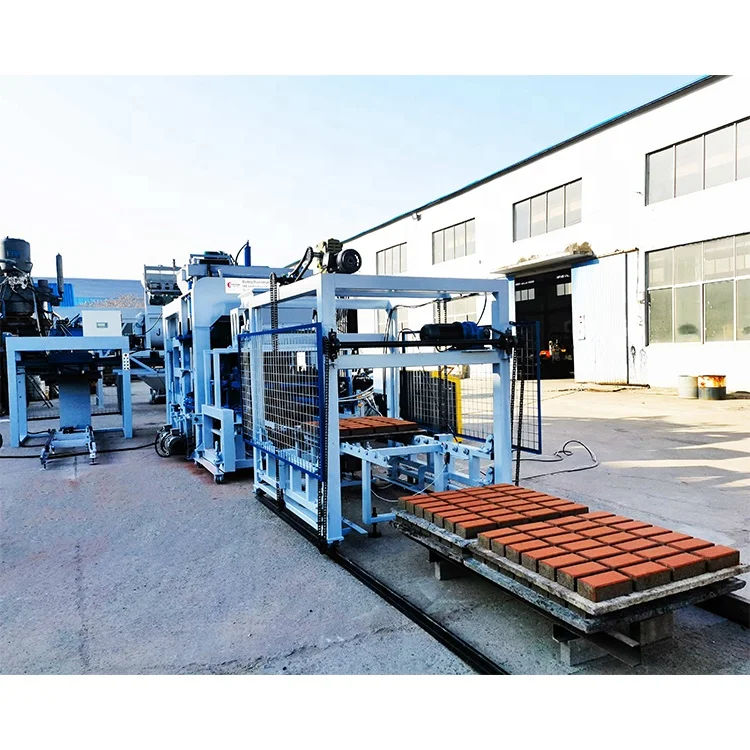
| Paving slab and colored paver output for landscaping | Fine aggregate with pigment additives |
| Interlocking paver runs for road and driveway work | Sand, dust, slag combinations |
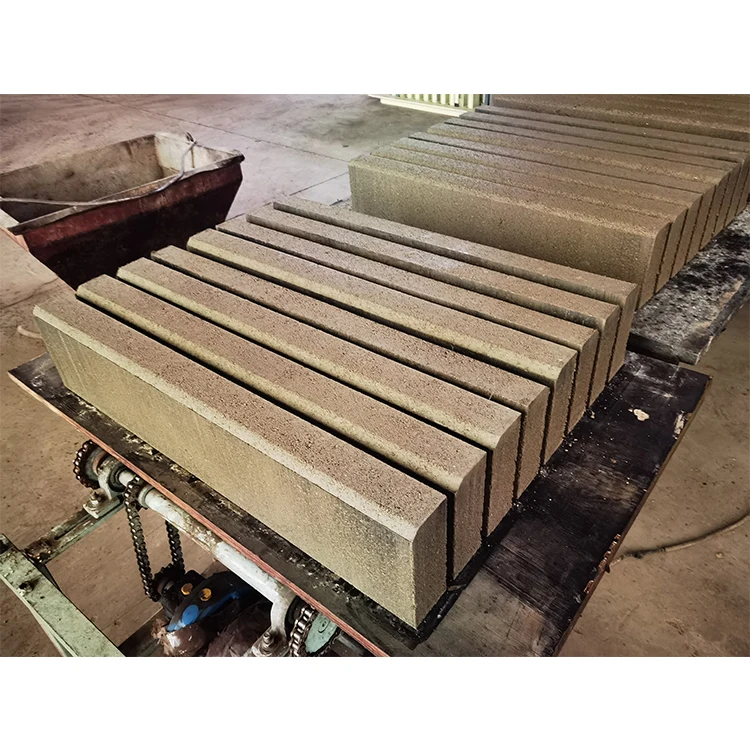
| Curb stone production for municipal infrastructure | Coarse gravel and cement at high compaction |
Why the Dispatch Date Matters More Than the Cycle Time
When a housing project has a fixed pour schedule, a QT8-15 block machine in stock with a confirmed loading date is worth more than any brochure figure.
Confirm the shipping date in writing before you sign anything.
I once watched a contractor in Southeast Asia lose three weeks of block output because the machine he ordered was listed as "available" but was actually still in the production queue. The crew sat idle, the scaffold rental kept ticking, and the penalty clause on his contract started to bite. That gap between "in stock" and "actually on a truck" is where project margins disappear. Buyers working against a deadline need the dispatch lead time, container loading plan, and arrival estimate documented before the order is placed, not after [NEED_CITE: typical shipping delays for industrial machinery exports].
What "In Stock" Actually Means for This Press
The QT8-15 block machine in stock status should cover the press itself, the hydraulic station, and the PLC cabinet as a matched set. Some suppliers hold bare frames and assemble to order, which adds weeks. Verify that the stocked unit includes the platform vibration assembly and the hydraulic demolding circuit fully fitted, so container loading is a matter of dismantling and securing, not building from scratch.
Container Loading and Dismantling for Shipment
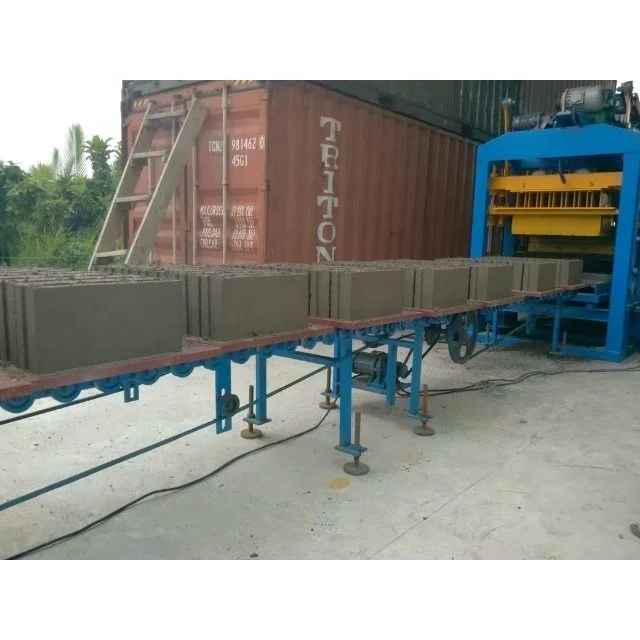
A machine of this mass and footprint requires partial dismantling for a standard container. The hydraulic hoses, electrical harness, and hopper are typically detached and packed separately. Request a written loading plan that shows which components are crated and how they are secured against moisture and movement during transit [NEED_CITE: container loading best practices for heavy machinery]. This plan also tells your port agent what to expect on arrival, speeding up customs clearance.
Reading the Specs That Affect Your Arrival Date
The 55.5 kW overall power draw means the destination site needs a dedicated circuit with the correct voltage and frequency confirmed before the machine leaves the factory. If the PLC display language and electrical configuration are not locked in early, the machine may arrive with a control panel your operators cannot read or a motor that trips the local breaker. The 950×900 mm pallet size dictates the pallet inventory you need on-site; ordering pallets after the machine arrives means lost production days. Platform vibration at 2800~4500 r/min with 60 KN force is the compaction engine of this press — it determines block density and cycle repeatability, and the vibration motor must be rated for the destination voltage. The 21 MPa rated pressure works in tandem with vibration to compact the mix; both values must be matched to your local aggregate gradation or the blocks will crack during curing.
The Cost of Skipping the Availability Check
Ordering a machine on the assumption that a catalogue listing equals immediate availability leads to cascading delays. The foundation is poured, the curing area is prepared, the pallets are stacked — and then nothing arrives on schedule. The project contractor pays for idle labour, extended equipment rentals, and sometimes contractual penalties, all because the dispatch timeline was never pinned down before payment [NEED_CITE: construction project delay costs from late equipment delivery].
Why Buyers Source This Machine Here
Block machinery is the single focus of this operation, meaning the QT8-15 is specified as a matched system with its moulds, pallets, and handling equipment rather than assembled from separate vendors. Stocked units are configured against common voltage and frequency standards, with destination-specific adjustments confirmed before dispatch. Standard moulds for hollow blocks, pavers, and interlocking formats are held alongside the press, so format flexibility ships with the machine rather than arriving weeks later. Factory test records are completed before crating, giving buyers confidence that the unit they receive performs as documented. Customs documentation support is prepared in advance, reducing port-side friction and shortening the gap between arrival and commissioning.
Documentation & Verification
- Factory test record completed on standard hollow block format before crating
- Voltage and PLC language confirmation sheet signed before dispatch
- Packing photographs showing crating and securing for container transit
- Container loading plan with dismantling schedule for customs clearance
- Operation manual with human-machine interface dialogue instructions included
- Hydraulic and electrical schematic matching the shipped configuration
Installation, Commissioning & Support
- Foundation must support 9 T static load across 8300 mm length with level tolerance
- Dedicated 55.5 kW power circuit at confirmed voltage and frequency required before arrival
- Hydraulic hoses and electrical harness reconnected on-site after container unloading
- PLC control language and human-machine interface verified during first power-up
- Vibration frequency tuned to buyer’s local aggregate during commissioning run
- Wear parts list for hydraulic seals and vibration motor bearings provided at handover
What to Prepare Before You Inquire
To get a meaningful dispatch date, share your target block format and daily output requirement so the correct moulds and pallet quantity can be matched. Confirm your site voltage, frequency, and preferred PLC display language so the electrical package is built right the first time. Provide your port of destination for an arrival estimate, and note any site access restrictions that affect container unloading and placement.
Frequently Asked Questions
Q: Which QT8-15 models are currently in stock versus built-to-order?
A: Standard configurations with common voltage ratings and popular mould sets for hollow blocks and pavers are typically held in stock. Custom configurations involving non-standard pallet sizes, special mould formats, or destination-specific electrical packages are built to order with a lead time confirmed at inquiry. Always request written confirmation of stock status before committing.
Q: What is the realistic dispatch lead time and how is container loading handled?
A: Stocked units can be dismantled and loaded within a short window once voltage and language are confirmed. Built-to-order units require additional production time. Container loading involves partial dismantling of the hopper, hydraulic lines, and electrical harness, with a loading plan provided so your port agent knows the crate count and securing method.
Q: How is voltage, frequency and control language confirmed before shipment?
A: The buyer provides destination electrical standards and preferred operator language during the inquiry stage. These are written into the order specification and verified on the factory test record. The PLC human-machine interface is set to the agreed language before crating, so the machine is operable on first power-up at site.
Q: Are standard moulds and pallets shipped together with the press?
A: Standard moulds for formats such as hollow blocks and pavers can be included in the same container shipment when ordered with the machine. Pallets in the 950×900 mm size are shipped in bundled packs. Confirming mould and pallet requirements at inquiry ensures everything loads into the same container and arrives together.